Benigno Valderrábano Salas

6.2K posts

Benigno Valderrábano Salas banner
Benigno Valderrábano Salas

Benigno Valderrábano Salas

@MDBeni

Cardiologist and echocardiographer at @RespiraINER #Echofirst #POCUS

México Katılım Eylül 2009
1.8K Takip Edilen1.7K Takipçiler
Benigno Valderrábano Salas retweetledi
Dr. Chacón-Lozsán F .'.
Dr. Chacón-Lozsán F .'.@franciscojlk·
ACVC 2026 | Not all high risk pulmonary embolism is equal. A key message from #ACVC26: 👉 High risk PE is not a single entity, there is major heterogeneity in presentation, physiology, and response to therapy. ⚠️ Guidelines vs real-world complexity According to ESC 2019: • Immediate anticoagulation • Systemic thrombolysis → first-line therapy (Class I, Level B) • Surgical embolectomy → second-line • Catheter-directed therapy (CDT) → third-line ➡️ However, this linear model does not reflect clinical reality 🚨 Limitations of systemic thrombolysis Key concerns highlighted: • Not always fast enough in critical patients • Variable effectiveness on clot burden • Significant bleeding risk • Many patients have contraindications 📊 Important insight: 👉 Up to ~1/3 of PE patients have contraindications to fibrinolysis ➡️ Leading to underuse even in eligible cases 🧠 Not all high-risk PE behaves the same New paradigm (AHA/ACC 2026): High-risk PE spectrum includes: • D1 → transient hypotension • D2 → normotensive shock • E1 → persistent hypotension • E2 → refractory shock / cardiac arrest ➡️ Particularly important: Normotensive shock = high risk despite “normal BP” 🔄 Treatment failure must be anticipated Clinical warning: • Lack of improvement within 24–48h after anticoagulation • No response 2–4h after thrombolysis ➡️ Should trigger escalation ⚙️ Catheter-directed therapies (CDT) Emerging central role: • Can be used early in selected patients • Especially when: Thrombolysis contraindicated Thrombolysis failure Rapid deterioration Algorithm highlights: • Early CDT after indication established • Can follow systemic thrombolysis if insufficient response • Requires PERT-based decision making. 🚀 Mechanical thrombectomy (CAVT) Highlighted as a promising strategy: Advantages: • Rapid clot removal • Immediate hemodynamic improvement • Lower bleeding risk vs systemic lysis Potential benefits of medium-bore devices: • Better distal reach • Lower vascular complications • Faster procedures • Reduced blood loss 🎯 Beyond pulmonary embolism CAVT applications extend to: • STEMI with high thrombus burden • Peripheral arterial embolism • Deep vein thrombosis • Ischemic stroke ➡️ Suggesting a broader paradigm shift in thrombosis management 🎯 Take-home message High-risk PE is not uniform. • Risk stratification must be dynamic • Normotensive shock is critical to recognize • Thrombolysis is not always sufficient or safe • Early escalation and device-based therapies are key 👉 We are moving from a “one-size-fits-all” to a personalized, physiology-driven approach #ACVC26 #PulmonaryEmbolism #InterventionalCardiology #CriticalCare #Thrombectomy #Shock #ESC
Dr. Chacón-Lozsán F .'. tweet mediaDr. Chacón-Lozsán F .'. tweet mediaDr. Chacón-Lozsán F .'. tweet mediaDr. Chacón-Lozsán F .'. tweet media
English
0
21
49
10.7K
Benigno Valderrábano Salas retweetledi
Santiago Oquendo MD
Santiago Oquendo MD@rksanti·
🧵 ¿Estamos subestimando la aurícula? 📌 Nuevo concepto: Falla Auricular (Atrial Failure) Un cambio de paradigma en cardiología que TODO médico debe conocer 👇 Basado en: “Understanding atrial failure: from diagnosis to clinical implications” Nature Reviews Cardiology-2026 1️⃣ 🔍 ¿Qué es la Falla Auricular? Es un síndrome clínico causado por una miocardiopatía auricular que altera: ❤️ Función mecánica ⚡ Función eléctrica ➡️ Genera síntomas, eventos adversos o ambos 👉 Similar a la relación: Miocardiopatía ventricular → Falla cardíaca 2️⃣ 🧠 Concepto clave ⚠️ No toda alteración auricular es falla auricular 🔹 Miocardiopatía auricular = daño estructural/eléctrico 🔹 Falla auricular = cuando YA hay clínica 💡 Esto cambia el enfoque diagnóstico precoz 3️⃣ ⚙️ Funciones normales de la aurícula La aurícula no es “pasiva”: 🫀 Reservoir → recibe sangre 🔄 Conduit → la pasa al ventrículo 💥 Booster pump → aporta 20–30% del llenado ventricular 👉 Su falla impacta directamente el gasto cardíaco 4️⃣ 🔥 Fisiopatología: el problema real Múltiples mecanismos interactúan: 🧬 Inflamación (NLRP3, IL-1β) 🧱 Fibrosis ⚡ Remodelado eléctrico 📉 Disfunción mecánica ➡️ Resultado: remodelado auricular progresivo → falla auricular 5️⃣ 📊 Clasificación clave 🟢 Primaria 👉 Problema intrínseco auricular Ej: FA aislada, genética, amiloidosis 🔴 Secundaria 👉 Consecuencia de otras patologías Ej: HTA, valvulopatías, IC, obesidad 💡 Importante: lo secundario puede volverse primario 6️⃣ 🫁 Relación con IC con FE preservada (HFpEF) 💥 Hallazgo clave del artículo: 👉 La falla auricular puede ser CAUSA primaria de HFpEF 📌 Explica pacientes con: Disnea desproporcionada FEVI normal Presiones elevadas 🧠 Nuevo fenotipo: “HFpEF auricular” 7️⃣ ⚡ Falla auricular y fibrilación auricular (FA) Relación bidireccional: 🔁 “AF begets AF” ✔️ La miocardiopatía auricular → FA ✔️ La FA → empeora el remodelado 💣 Círculo vicioso clínicamente relevante 8️⃣ 🧠 Y aquí lo más disruptivo… 🧬 Riesgo de ACV SIN fibrilación auricular 📌 La miocardiopatía auricular: ↑ Estasis sanguínea ↑ Disfunción endotelial ↑ Trombosis ⚠️ Puede causar embolia independiente de FA 👉 Esto podría cambiar el uso futuro de anticoagulación 9️⃣ 🧪 Diagnóstico: enfoque multimodal 🔹 ECG: Bloqueo interauricular Alteraciones de onda P 🔹 Ecocardiografía: Volumen auricular Strain auricular (MUY importante) 🔹 RMN: Fibrosis (realce tardío) 💡 El strain auricular detecta enfermedad precoz 🔟 📌 Criterios diagnósticos propuestos Necesitas: 1️⃣ Evidencia de miocardiopatía auricular ➕ 2️⃣ Manifestaciones clínicas: Disnea, fatiga Palpitaciones ACV cardioembólico 👉 No es solo imagen, es clínica + estructura 1️⃣1️⃣ ⚠️ Obesidad: enemigo clave 🧠 Mecanismos: 🔥 Inflamación 🧱 Fibrosis ⚡ Remodelado eléctrico 🧈 Grasa epicárdica 💡 Lo importante: ➡️ Es reversible ➡️ Pérdida de peso ↓ FA y remodelado 1️⃣2️⃣ 💊 Tratamiento: hacia el “reverse remodeling” Objetivo: revertir daño auricular 📌 Estrategias: 💊 IECA/ARA II 💊 ARNI (↓ volumen auricular) 💊 iSGLT2 (datos prometedores) ⚡ Control del ritmo en FA ⚖️ Pérdida de peso 🔧 Intervenciones valvulares 1️⃣3️⃣ 🔬 Futuro prometedor 🚧 En investigación: 🧬 Terapias antiinflamatorias (NLRP3) 🧠 Anticoagulación sin FA (aún no estándar) 📊 Uso de imagen para guiar terapias 👉 La aurícula será protagonista en cardiología 1️⃣4️⃣ 🎯 Conclusión clínica 💥 La falla auricular: ❌ No es un hallazgo incidental ✅ Es un síndrome clínico independiente ✅ Impacta IC, FA y ACV ✅ Puede ser tratable 👉 Estamos entrando en la era de la cardiología auricular 👉 Sígueme en X: @rksanti 📚 Únete al canal: t.me/medicinaintern…
Santiago Oquendo MD tweet mediaSantiago Oquendo MD tweet mediaSantiago Oquendo MD tweet mediaSantiago Oquendo MD tweet media
Español
1
38
130
4.4K
Benigno Valderrábano Salas retweetledi
Ashley Miller
Ashley Miller@icmteaching·
Critical closing pressure - how it should guide personalised care If CCP is a threshold (not a pressure), the clinical aim is simple: 👉 keep arterioles open 👉 preserve flow continuity from pump → tissue Not chase MAP or SVR in isolation. doi.org/10.3390/jpm160…
Ashley Miller tweet media
English
2
40
117
10.1K
Benigno Valderrábano Salas retweetledi
Jan Verwerft
Jan Verwerft@VerwerftJan·
Why? Small LV → limited preload reserve Already on the left side of the P–V curve ➡️ no room to ↑EDV ➡️ minimal SV augmentation CO relies on HR 👉 EF is math 👉 EDV is physiology #ExercisePhysiology
Jan Verwerft tweet media
English
1
12
55
3.2K
Benigno Valderrábano Salas retweetledi
Dr. Chacón-Lozsán F .'.
Dr. Chacón-Lozsán F .'.@franciscojlk·
#ACVC 2026: Mixed shock: the reality behind cardiogenic shock An outstanding session by Dr. David Morrow. Morrow highlighting a critical and often under-recognized concept: 👉 Pure cardiogenic shock is rare. Mixed shock is common. 🔍 Key messages: SVR is not always elevated in cardiogenic shock → Wide variability, often with vasoplegia (SIRS component) Mixed shock = low CO + inappropriately low SVR → A combination of cardiac failure + vasodilatory physiology 📊 Epidemiology (SHARC data): .Cardiogenic shock (isolated): ~65% .Mixed shock: ~17% .Mortality highest in mixed shock (~48%) 🧠 Common phenotypes: -Cardiogenic shock → secondary vasoplegia -Cardiac arrest → stunned myocardium + vasodilation -Sepsis + cardiac dysfunction -Toxic cardiomyopathy (e.g., Ca-blockers, BBs) -Post-cardiotomy vasoplegia ⚙️ Pathophysiology: Inflammation (SIRS) plays a central role Microcirculatory dysfunction + iNOS activation Loss of vascular tone despite vasopressors ⚠️ Clinical implication: 👉 Hemodynamics must be interpreted dynamically, not assumed 👉 SVR ≠ always high → avoid “one-size-fits-all” approach 🛠️ Management principles: Phenotype-guided therapy Combine: Vasopressors (norepinephrine first-line) Inotropes when needed Careful fluid strategy Consider: .Methylene blue / hydroxocobalamin in refractory vasoplegia .CIRCI (steroids) in selected patients 📌 Take-home message: Cardiogenic shock is not purely cardiac. Recognizing the vasoplegic component is key to survival. #ACVC26 #CardiogenicShock #MixedShock #CriticalCare #Hemodynamics #ShockManagement
Dr. Chacón-Lozsán F .'. tweet mediaDr. Chacón-Lozsán F .'. tweet mediaDr. Chacón-Lozsán F .'. tweet mediaDr. Chacón-Lozsán F .'. tweet media
English
0
24
58
5.7K
Benigno Valderrábano Salas retweetledi
Carlos El-Tallawi, MD, FACC, FASE
Coronary-cameral fistula — complication of septal myectomy
Română
3
28
116
4.6K
Benigno Valderrábano Salas retweetledi
Dr. Chacón-Lozsán F .'.
Dr. Chacón-Lozsán F .'.@franciscojlk·
I just read this outstanding review by Prof. Michael Pinsky: 👉 “The Effective Management of Shock: From Physiology to Guidelines to Personalized Medicine” 🧠 Key paradigm shift: 👉 Shock is not about numbers 👉 It is about tissue perfusion and cellular metabolism ⚠️ Three brutal truths (often ignored in daily practice): 1️⃣ Once organ injury occurs → we cannot reverse it → We can only limit further damage 2️⃣ Monitoring alone does not improve outcomes → Only actions linked to effective therapies matter 3️⃣ Guidelines ≠ patient care → The clinician’s physiologic reasoning remains central 📊 Why many “standard” approaches failed: Targeting DO₂ “supranormal” levels → ↑ mortality EGDT bundles → not superior to good early care Fixed 30 mL/kg fluids → harmful in non-responders 👉 Lesson: One-size-fits-all resuscitation is physiologically wrong 🫀 Modern hemodynamic thinking: ✔️ Fluid responsiveness matters (PPV, SVV, PLR) ✔️ MAP alone is not enough ✔️ Focus on: Tissue perfusion pressure Critical closing pressure (Pcc) “Vascular waterfall” concept 👉 Increasing MAP ≠ improving microcirculation 🔥 Game-changing concept: 👉 Shock = failure of microcirculatory flow regulation Even with: Normal CO Normal MAP ➡️ Tissue hypoxia may persist 🧬 The real goal of resuscitation: ❌ Normalize numbers ✅ Restore effective tissue perfusion early ✅ Avoid iatrogenic harm 💡 Where we are going: Capillary refill time (CRT)-guided resuscitation Personalized MAP targets Dynamic physiology-based decisions AI-driven precision resuscitation 📌 Take-home message: 👉 The future of shock management is NOT: More fluids More drugs More devices 👉 It is: Better understanding of physiology + individualized care 🧠 And maybe the most important sentence in the paper: 👉 “The thoughtful bedside clinician remains the gold standard.” #CriticalCare #Shock #Hemodynamics #ICU #Sepsis #PersonalizedMedicine #Resuscitation #Pinsky
Dr. Chacón-Lozsán F .'. tweet media
English
2
96
266
11.7K
Benigno Valderrábano Salas retweetledi
Carlos El-Tallawi, MD, FACC, FASE
Pulmonary vein Doppler tracks LA–LV hemodynamics beat-to-beat: •S wave → LA relaxation + annular descent (systolic suction) •D wave → LV filling (mirrors mitral E) •Ar wave → atrial contraction (retrograde) Blunted S, dominant D, ↑Ar? → elevated LA pressure & reduced compliance. Simple waveform. High-yield physiology. 🫀
Carlos El-Tallawi, MD, FACC, FASE tweet media
English
4
38
165
5.8K
Benigno Valderrábano Salas retweetledi
Giacomo De Luca
Giacomo De Luca@jackdeliuc·
How to integrate ScvO2 in your clinical picture by Jean-Louis Vincent: very simple and smart presentation. Challenging the dogma about always keeping ScvO2 "around 70%": perfusion assessment is what matters first. #ISICEM #ISICEM26 #criticalcare
Giacomo De Luca tweet mediaGiacomo De Luca tweet mediaGiacomo De Luca tweet mediaGiacomo De Luca tweet media
English
1
44
112
5.8K
Benigno Valderrábano Salas retweetledi
Jaime Alejandro
Jaime Alejandro@PleuralPOCUS·
🧵 Un paciente llega con disnea severa, saturación de 85% y una tomografía "sugestiva de fibrosis pulmonar". El diagnóstico final no fue fibrosis. No fue autoinmune. No fueron las aves. Fue el medicamento que le salvó el corazón durante 4 años. Hilo sobre Toxicidad Pulmonar por Amiodarona 👇 #Neumología #EPI #Amiodarona #CasoClínico
Español
4
29
164
15.5K
Benigno Valderrábano Salas retweetledi
Jan Verwerft
Jan Verwerft@VerwerftJan·
The H₂FPEF, HFpEF-ABA and HFA-PEFF scores diagnose disease But do they predict outcomes in unexplained dyspnea? In 2535 patients: 👉 Higher scores = more remodelling 👉 Lower peak VO₂ 👉 Worse outcomes From diagnosis → prognosis @S_Dhont 🤝@_Sara_Ferreira in #EJHF 🧵👇
Jan Verwerft tweet media
English
3
19
44
5.7K
Benigno Valderrábano Salas retweetledi
NEJM
NEJM@NEJM·
Presented at #ISICEM: In a multicenter trial involving patients with acute hypoxemic respiratory failure, 28-day mortality with high-flow oxygen was not significantly different from that with standard oxygen. Full SOHO trial results: nejm.org/doi/full/10.10… Editorial: Rethinking High-Flow Oxygen in Acute Hypoxemic Respiratory Failure nejm.org/doi/full/10.10… @ISICEM
NEJM tweet media
English
1
58
194
36.1K
Benigno Valderrábano Salas retweetledi
Dr Ihab Suliman
Dr Ihab Suliman@IhabFathiSulima·
What is the terrifying diagnosis?
English
21
23
122
23.4K
Benigno Valderrábano Salas retweetledi
Chirag Bavishi MD, MPH
Chirag Bavishi MD, MPH@chiragbavishiMD·
The most stenotic bioprosthetic mitral valve I have encountered. Mean transmitral gradient 31 mmHg at HR 74 bpm, EOA of just 0.2 cm². The pt was transferred from OSH in pre-shock. Successful TMViV, no valvular or PVL, mean gradient 3 mm Hg.
English
9
25
108
7.5K
Benigno Valderrábano Salas retweetledi
Carlos Ortiz Bautista
Carlos Ortiz Bautista@Carlos_Ortiz85·
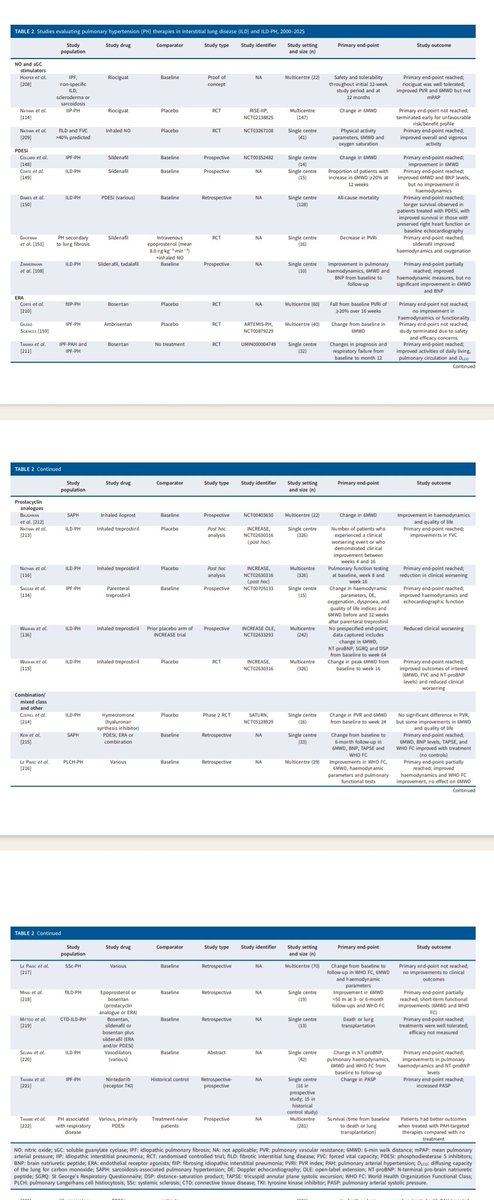
🚨 Excellent State-of-the-Art Review in @JACCJournals on PH associated with left heart disease (PH-LHD): 🔬 pathophysiology 🩺 diagnostic challenges 💊 emerging therapies & devices 📊 future clinical trials jacc.org/doi/10.1016/j.…
English
1
13
39
4.5K
Benigno Valderrábano Salas retweetledi
Ahmed Bennis MD 🫀
Ahmed Bennis MD 🫀@drbennisahmed·
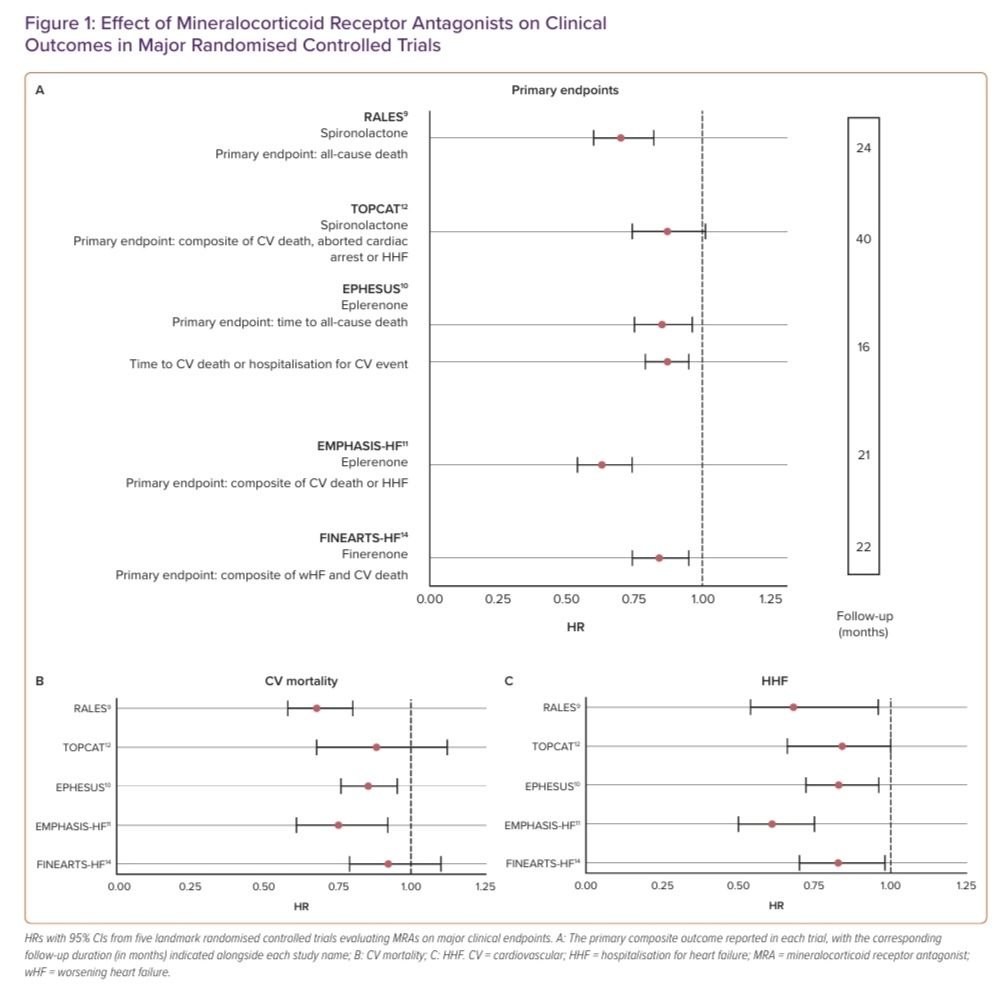
Withdrawal of heart failure therapy after atrial fibrillation rhythm control with ejection fraction normalization: the WITHDRAW-AF trial Withdrawal of HF therapy following AF rhythm control for prior AFCM and recovered LVEF was not associated with a decline in LVEF for most patients in the following 6 months. #Cardiology #MedTwitter #CardioTwitter #HeartHealth #Healthcare @mvaduganathan @hvanspall @DrMarthaGulati @dranulala @hfcollaboratory @SJGreene_md @gcfmd @AndrewJSauer @ESC_Journals @escardio academic.oup.com/eurheartj/arti…
Ahmed Bennis MD 🫀 tweet media
English

2
27
107
7.7K
Benigno Valderrábano Salas retweetledi
Dra. Cecilia Ferrario
Dra. Cecilia Ferrario@draceciferrario·
🫁 When heart failure mimics interstitial lung disease A patient with congestive heart failure showed an indeterminate reticular lung pattern on chest CT. Was this interstitial lung disease… or something else? 👇 #Radiology #ChestRadiology #MedTwitter
Dra. Cecilia Ferrario tweet media
English
8
18
110
7K
Benigno Valderrábano Salas retweetledi
Gurleen Kaur, MD
Gurleen Kaur, MD@Gurleen_Kaur96·
Defibrillation 2.0 by Dr. Corcoran #REVIVE2026 AP pad placement allows 🔺Better vector 🔺 Less impedence Dual sequential external defibrillation (DSED) AHA guidelines: Class 2b recom ILCOR: DSED suggested strategy for VF refractory to shocks @CardioNerds @OscarJMitchell
Gurleen Kaur, MD tweet mediaGurleen Kaur, MD tweet media
English
1
29
90
9.9K
Benigno Valderrábano Salas retweetledi
Gonzalo Perez
Gonzalo Perez@gonzaeperez·
TRATAMIENTOS PARA INSUFICIENCIA CARDÍACA VALVULAR Más allá de la cirugía valvular 🔴Estenosis aórtica 🔴Insuficiencia aórtica 🔴Insuficiencia mitral funcional 🔴Insuficiencia tricuspídea funcional Vía @ESC_Journals academic.oup.com/eurheartj/arti…
Gonzalo Perez tweet media
Español
3
81
229
9.3K