Sabitlenmiş Tweet

@DOGE_SEC The SEC has identified 636,000 pages (10.6 gigabytes) related to #MMTLP but has refused to release them. Naked short selling destroying America. #Finrafraud

English
NBH
4K posts


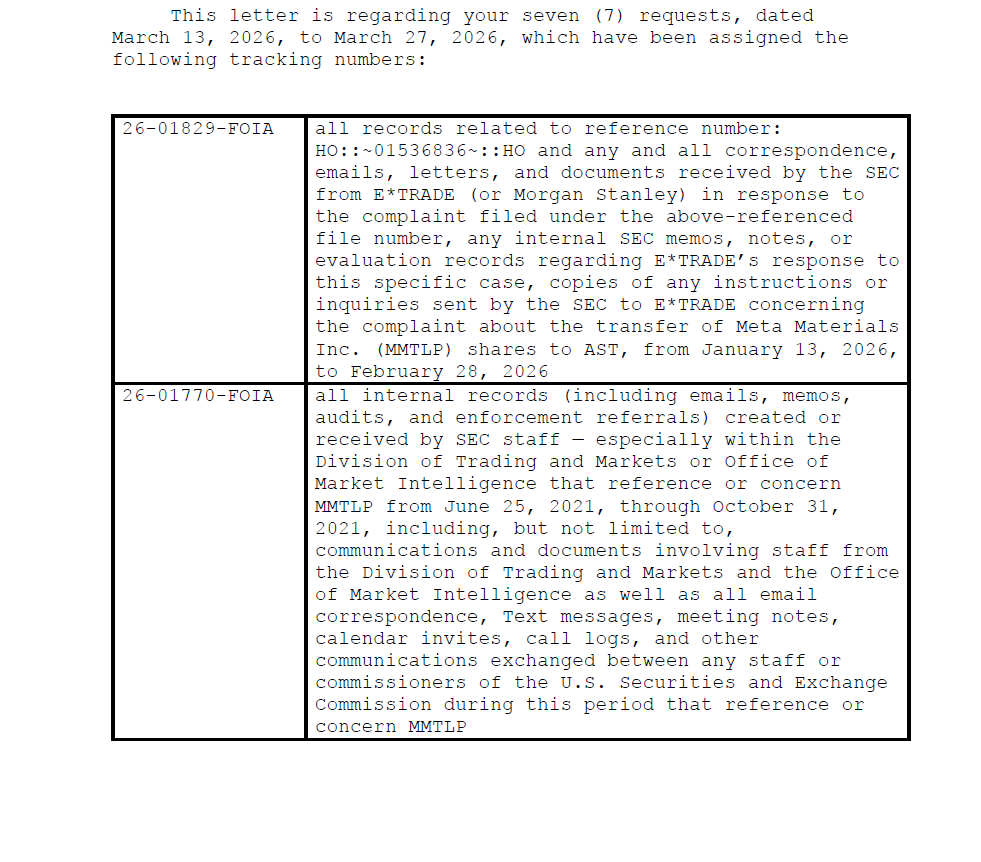

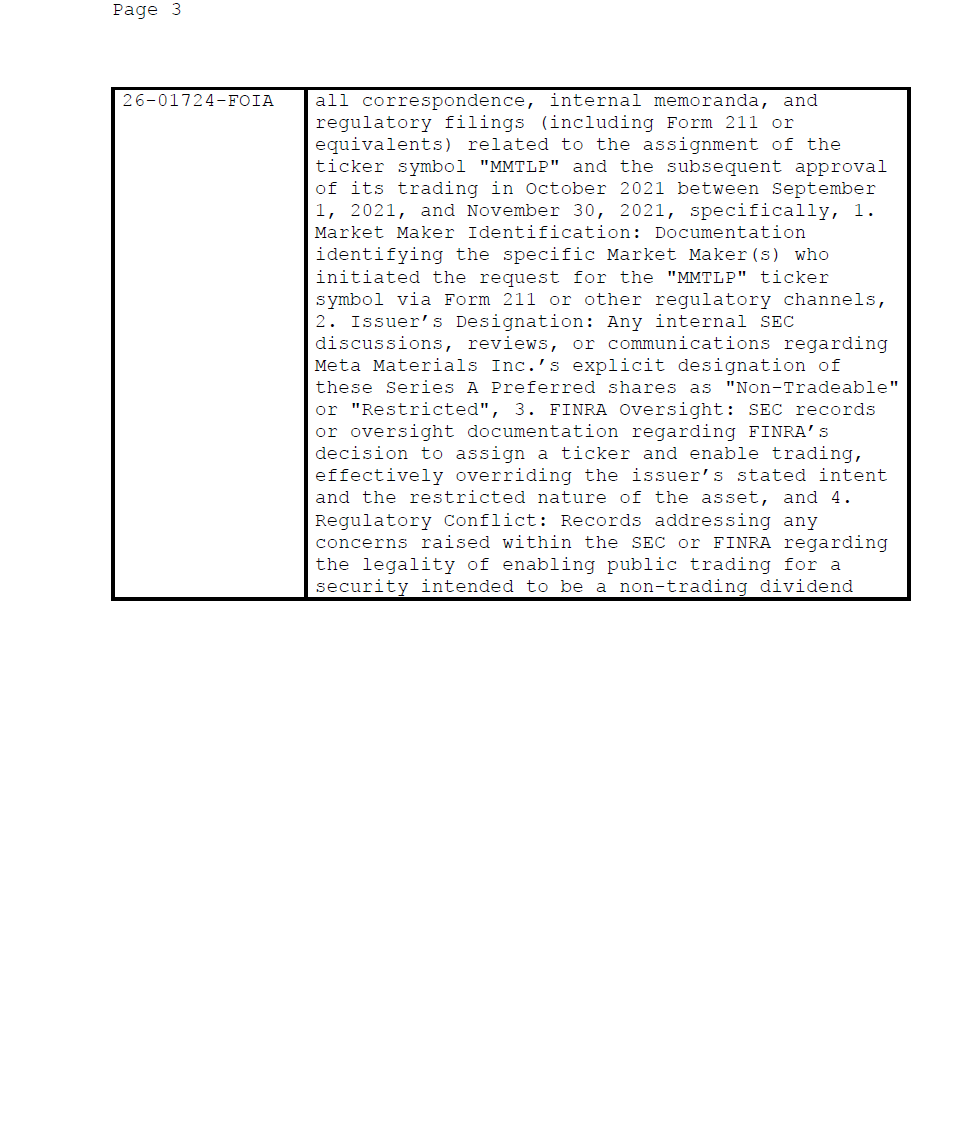
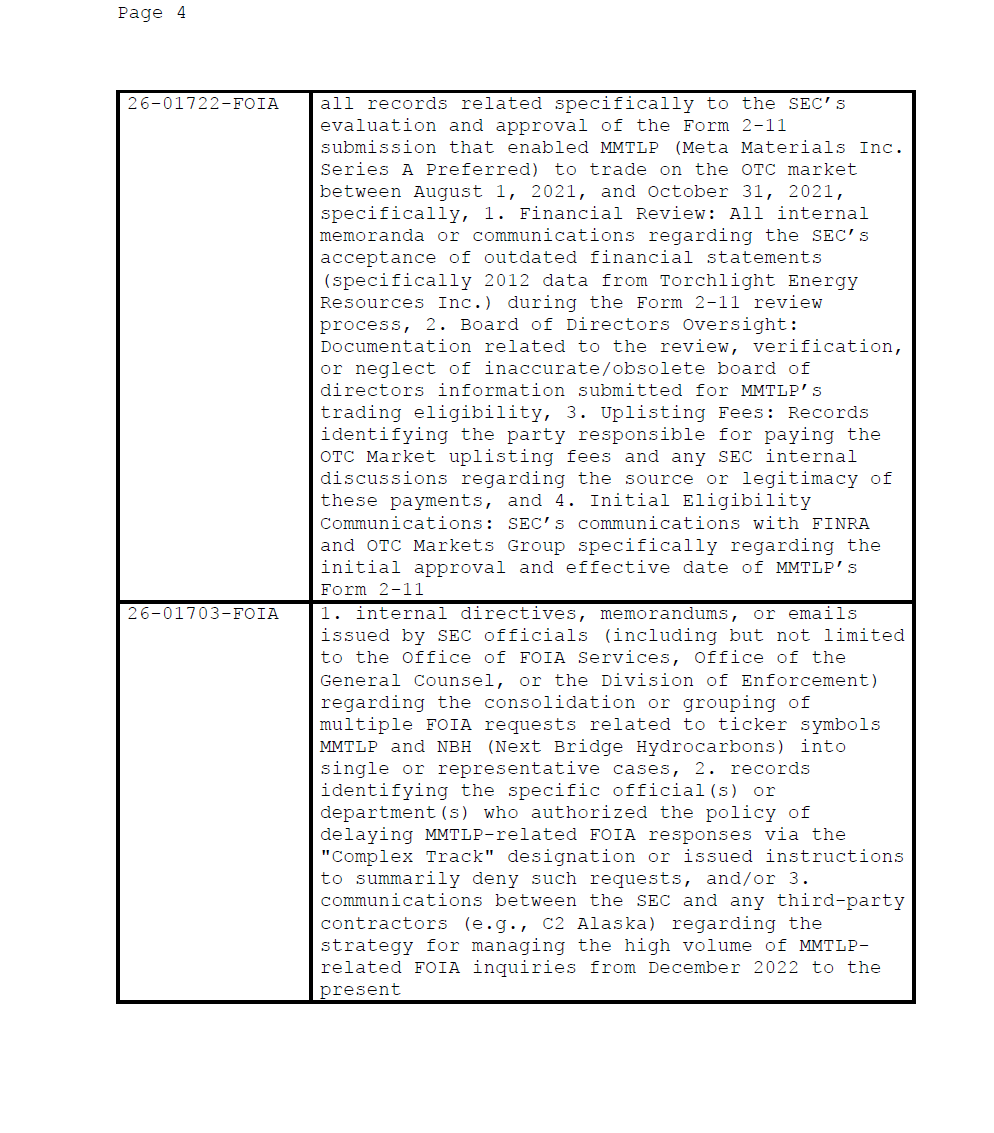
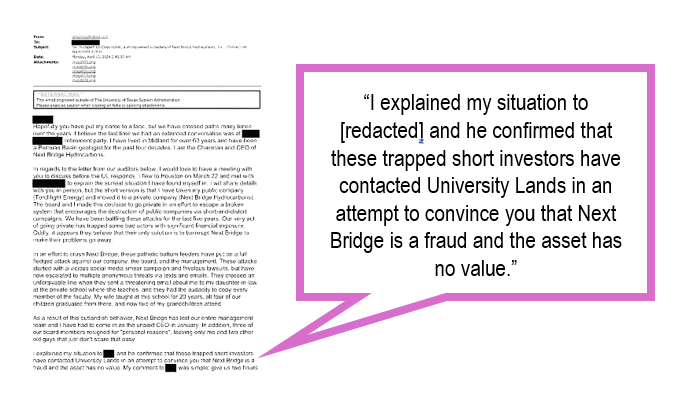
DID YOU KNOW???... Waiver of the "Whistleblower Privilege": ✍️Voluntary Disclosure: Confidentiality protections for SEC whistleblowers are not absolute and can be waived by the whistleblower. If you publicly disclose the substance of what you told the SEC, a court may rule that you have waived confidentiality regarding the entirety of those communications on that specific topic. The "Fairness" Doctrine: ✍️In litigation, a party cannot use a "shield as a sword." If you use your SEC report to bolster your public credibility or defend your statements, "fairness" may dictate that the opposing party (the company) be allowed to see the actual communications to ensure your public account is accurate and complete. RE Judicial Privilege: ✍️In many jurisdictions, the judicial privilege doctrine does not protect statements made to the public, even if they are about a proceeding that has been filed but not yet served. While the privilege is broad, courts strictly distinguish between "judicial proceedings" and the "court of public opinion". In Texas, the position of the courts—reinforced by the Supreme Court of Texas—is that judicial privilege does not cover public or media statements, even if they relate to a filed or pending proceeding. How nervous do you think @SECGov and #UniversityLands are right now???...#Discovery MMTLP MMAT TRCH DISCLAIMER: Of course I used AI to research the topic. It's not like I used it to write my responses and filings...@NotLegalAdvise #GoogleIsAI 😇


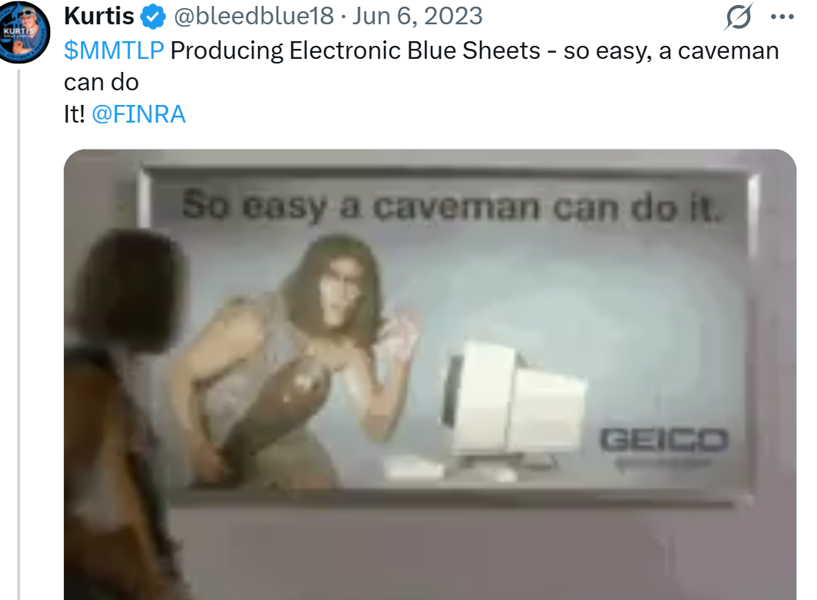
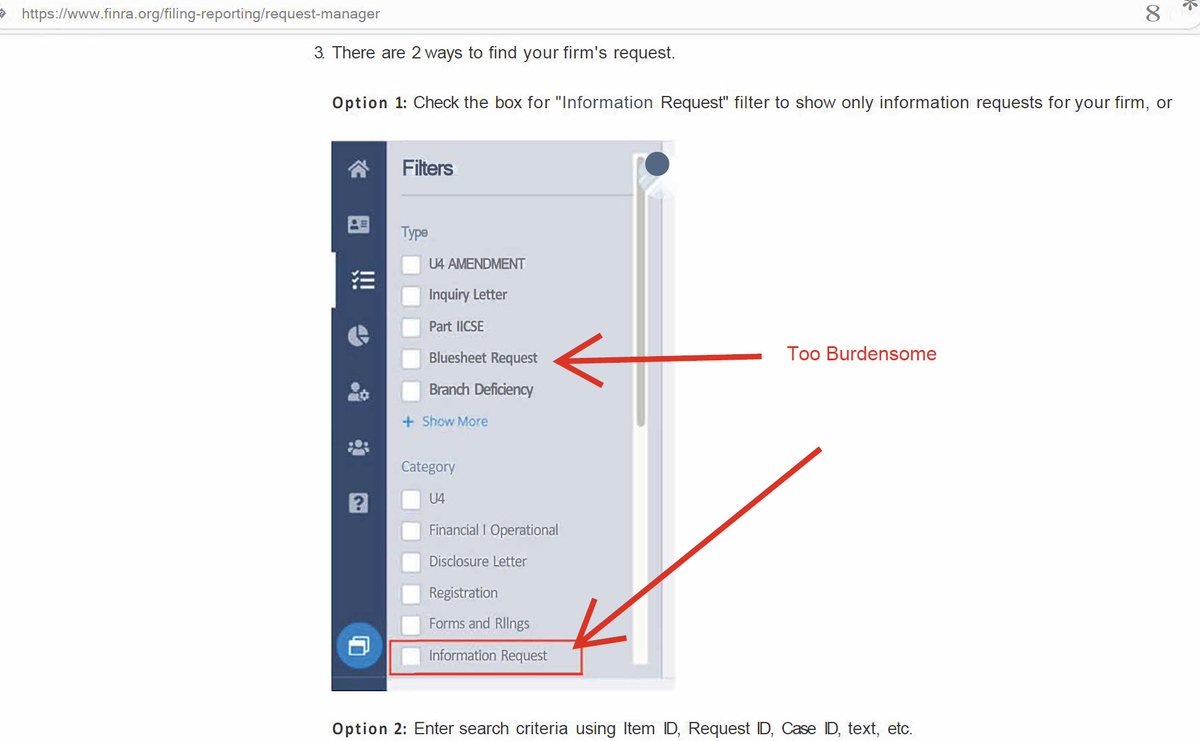
@FINRA 's MMAT recent BK response/filling (March 27th) states an estimated 2.5 terabyte of trading data for #MMAT / #MMTLP. They called this BURDENSOME. At first glance perhaps this may look like a big, scary dataset... But lets take a closer look... I found an enlightening video from an @AWS 2023 event and sharing below, "Exhibit A", in FINRA's own words (that's the fun part): youtube.com/watch?v=NUnqEW… The main topic of this video is FINRA CAT's (Consolidated Audit Trail) journey in managing massive data volume and complexity, specifically how they transitioned from traditional Big Data to a massive exabyte-scale architecture on AWS to ensure market integrity and regulatory compliance (0:01-3:58). The speakers in this presentation are: - Leah Crawford: Principal Customer Solutions Manager with AWS (0:05) - Scott Donaldson: Chief Technology Officer of FINRA CAT (1:26) and - Steven Diamond: Senior Director of FINRA CAT engineering and operations (1:33) The video highlights several ways FINRA CAT ensures data integrity: 1. Semantic Validation: The system runs semantic validations as data is received to ensure the accuracy and quality of the submission (11:30 - 11:35). 2. Feedback Mechanism: CAT identifies errors and incongruities in the data and reports them back to the firms, allowing them to correct and resubmit data (11:35 - 11:45). 3. Source of Record: Amazon S3 is used as the ONLY source of truth for data storage, ensuring security and resilience (12:03 - 12:12). 4. Linkage Processing: The system processes data to piece together the ENTIRE lifecycle of an order, which helps identify missing records or issues across. According to the video, FINRA CAT is responsible for building a single source of TRUTH for all U.S. equity and options trading data. This data is made available to the SEC, FINRA, and other regulatory organizations to identify fraudulent or manipulative activity (38:07 - 39:29). According to the video, FINRA CAT handles LATE trade reports by allowing firms to submit them at ANY point over the reporting horizon, which can span multiple YEARS (9:22 - 9:28). The system is designed to manage this data skew, as they have received trade reports for over 800 different trade dates on a SINGLE day (9:28 - 9:35). QUESTIONS: 1. The math basically seems to suggest that FINRA can deliver 2.5 terabyte of CAT data by LUNCH today... that is about 2.5 to 2.7hrs of work done by a computer. Do you think this is BURDENSOME? 2. why would does FINRA allow trade reports to be filed late? 3. What happens when one of their members files their report late for e.g. by 1 month or by 10 years (yes actual cases)? Are the two late cases treated the same? 4. If a firm files late (or hasn't filed yet) how is compliance enforced? What are the current stats for missing reports, and why do firms keep ignoring their duty to file. 5. You discuss in the video how the FINRA CAT system was designed to manage and receive trade reports for over "800 different trade dates" on a SINGLE day. Do you still believe that the Trustee's request for 161 trading dates for just a couple of stock symbols is BURDENSOME? #MarketIntegrity



Okay, rewind to July 2023: SEC staff or @MarkUyedaUS grabs coffee with then-Senator JD Vance. Bet they dove deep into the #MMTLP nightmare. The T+2 settlement @FINRA used as their lame excuse for the U3 halt on Dec 9, 2022 to protect new buyers❓but ok to screw over those holding for YEARS‼️ Then BAM… few months later September 2023, @JDVance teams up with @MikeCrapo and fires off that letter to Gensler. Para 2 ❓Straight-up calls out the T+2 settlement. If SEC hadn't pitched the "why" (not enough time to settle trades), then why would it be in the letter❓ But did they spill on @FINRA's shady side❓ How they drafted the corporate action notice, then told Meta Materials & @palikaras to shut up—no digging, don’t look into it, just sit tight after the halt ❓ @VPPressSec @darkside2030 @KarmaCollects @bleedblue18 @ManOhWeather @zing_leo12693 @RareDealsHere