This is Sir Matt Busby speaking from his hospital bed to the fans at Old Trafford following the Munich tragedy, and I can’t believe that I’ve never seen it before.
It’s absolutely spine tingling. ♥️🕊️
Money loves speed. The universe will always bring you ideas and opportunities to make money but when you sit on them for long without taking action it will take away the idea from you.
TTCL na POSTA wanahitaji reset kabisa. Zimejaa wafanyakazi waliokaa muda mrefu kupita kiasi, hawana fikra za dunia ya sasa.
TTCL imeshindwa hata internet. POSTA imeshindwa logistics wakati dunia yote posta zimebadilika.
Bila damu changa, mawazo mapya na mifumo ya kisasa, hizi taasisi zitabaki kuwa mzigo. Reset mpaka walinzi.
Asalaam Aleikum Ndg. Kissu. Naomba tuzungumze kidogo kuhusu namba za huu mradi wa Gesi Asilia wa $42 bilioni:
1) Mabilioni haya ni gharama za uwekezaji na si kiasi ambacho Tanzania itapata. Gharama kubwa za mradi pamoja na uwezo mdogo wa mifumo ya uhasibu, ukaguzi na usimamizi wa kodi inahusika hapa. Tafiti zinaonesha nchi zenye rasilimali hupata kati ya asilimia 6 na 10 ya thamani ya uwekezaji.
Aidha, uwekezaji huu ni wa kipindi cha miaka 20, ambapo uzalishaji unatarajiwa kuanza miaka 9 baada ya kusaini mkataba wa Host Government Agreement.
2) Mradi huu si wa Marekani pekee yake. Marekani inawakilishwa na kampuni ya ExxonMobil inayoshirikiana na kampuni ya Equinor ya Norway kwenye kitalu namba 2 chenye gesi ya futi za ujazo trilioni 25.4. ExxonMobil ni minority partner wa Equinor akiwa na asilimia 35 tu, huku Equinor akimiliki 65%
3) Wadau wengine wakubwa wa mradi huu ni kampuni ya Shell ya Uingereza inayomiliki kwa ubia vitalu namba 1 (Chenye gesi ya futi za ujazo trilioni 14.2) na 4 (Chenye gesi ya futi za ujazo trilioni 5.53). Shell anamiliki asilimia 60 akiwa kwenye ubia na Pavillion Energy (20%) na Ophir/MedcoEnergi (20%). Pavillion ilikuwa ya Singapore ila ilinunuliwa na Shell mwezi Aprili 2025. Medco Energi ni ya Indonesia na waliinunua Ophir mwezi Mei 2019 kwa $517.34 milioni. Hapa kuna kodi yetu tunadai lakini haijalipwa!
TPDC atamegewa 12-15% pindi wakianza uendelezaji wa vitalu husika.
4) Kitalu namba 3 kina gesi ya futi za ujazo trilioni 2. Kitalu hiki hakina tija kutokana na ujazo mdogo na ugumu wa uvunaji gesi. Serikali ilipewa kitalu hiki toka kwa makampuni ya BG na OPHIR
5) Gesi ya Tanzania haina mvuto ikilinganishwa na ile ya Msumbiji kutokana na gharama zitakazohusika, hivyo hiyo thamani ya $42 bilioni inajumuisha kwa kiasi kikubwa gharama za uvunaji. Gesi yetu iko takribani kilometa 100 toka kwenye ufukwe wa bahari, kwenye maji yenye kina cha meta 2500 na meta zingine 2000 chini ya sakafu ya bahari (sea bed)
6) Sekta hii ya gesi asilia ina changamoto nyingine nyingi zikiwemo za mifumo ya sheria, kodi, mrabaha pamoja na mipaka ya nchi ambazo zimesababisha majadiliano ya mkataba wa uzalishaji kati ya Serikali na makampuni ya nje kuchelewa. Ikumbukwe ya kwamba tayari kuna timu ya majadiliano na Equinor iliyochukua zaidi ya miaka 4 sasa. Je mmefikia wapi?
Mwisho, najua mna shauku ya kuonesha kwamba mnakubalika duniani. Pamoja na hayo, naomba tuwe tunatoa taarifa zenye usahihi ili kuweka rekodi sawa na pia kumoderate matarajio ya watanzania ili tusije tukaingia kwenye matatizo kama yale ya Mtwara mwaka 2012/13
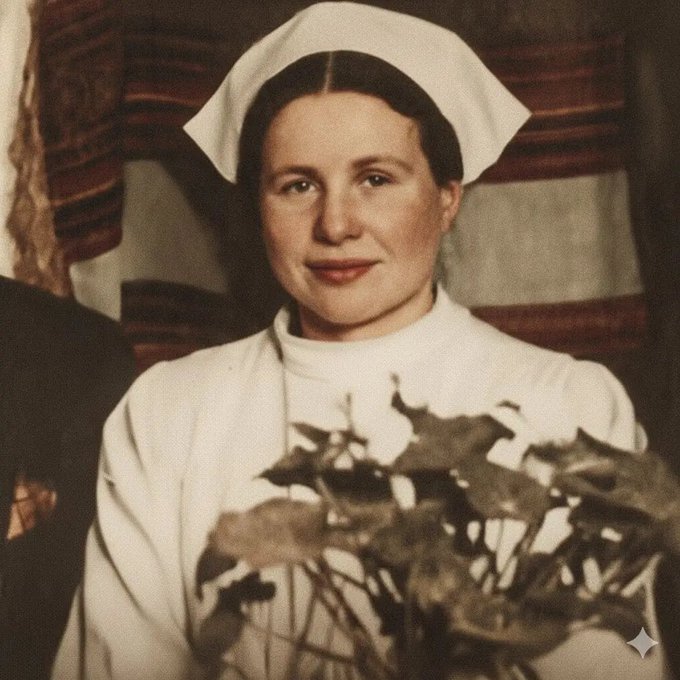
In the autumn of 1942, a slight, 32-year-old Polish social worker named Irena Sendler passed through the gates of the Warsaw Ghetto with a carpenter’s toolbox in her arms. Beneath the hammers and nails lay a drugged six-month-old infant, breathing softly, utterly silent. One cry would have meant instant death for both of them. Irena smiled at the guards; they waved her through. They never suspected that this quiet woman would repeat the journey 2,499 more times.
The ghetto was a slow-motion extermination. Starvation, disease, and random murder stalked every street. Jewish parents faced a choice no human being should ever have to make: keep their child and watch them waste away, or hand them to a stranger who promised a chance—however thin—at life.
Irena came officially to inspect for typhus. In reality, she came to steal children from death.
Babies left in toolboxes or ambulances under false bottoms. Toddlers sedated and tucked into potato sacks. Older children led by the hand through the stinking, lightless sewers while German boots marched overhead. “Not a sound,” she whispered as rats scurried past their feet.
She knew that the rescued children would be given new names, new religions, new families. Their pasts would vanish unless someone remembered. So, on fragile scraps of tissue paper, Irena wrote each child’s real name, their parents’ names, and their new hiding place. She rolled the papers tight, slipped them into glass jars, and buried them beneath an apple tree in a neighbor’s garden. If she were caught and killed, the truth might still survive.
She was caught.
On October 20, 1943, the Gestapo kicked in her door. They took her to Pawiak Prison and demanded the list. When she refused, they smashed both her legs with iron bars. Then her feet. Then her arms. For weeks the beatings continued. She never spoke. They scheduled her execution. On the appointed morning, guards dragged the broken woman from her cell.
Instead of a firing squad, she found herself outside the prison walls—alive. The Polish underground council Żegota had bribed a guard to mark her file “shot while trying to escape.” Officially dead, Irena Sendler limped back into the shadows to keep working.When the war finally ended, the first thing she did was dig up the jars under the apple tree. She spent years trying to return the children—now scattered across convents, farms, and foster homes—to whatever family might remain.
Almost no parents had survived. But the children had. Because of her, 2,500 Jewish boys and girls lived to grow up, to marry, to have children and grandchildren of their own—an entire secret branch of the human family tree that the Nazis never managed to cut down.For decades her story stayed buried deeper than the jars themselves. Then, in 1999, four high-school girls in rural Kansas stumbled across a brief mention of her name. They found the old woman still living quietly in Warsaw and brought her courage back into the light.
Journalists called her the greatest rescuer of the Holocaust. Irena only shook her head.“I could have saved more,” she said. “That regret follows me to the grave.”Irena Sendler—armed with nothing but a ghetto work permit, a toolbox, and a refusal to look away—proved that even in the heart of the worst evil humanity has ever devised, one determined person can still keep the darkness from winning completely.
MAN TO MAN:
When You Start Making Good Money, Do This:
1. Buy fewer clothes, but wear the highest quality.
2. Eat premium food, not junk
3. Hire a helper for household chores. Buy back your time.
4. Upgrade your mattress. Sleep changes everything.
5. Invest in experiences, not just stuff.
6. Upgrade your financial adviser. The one who got you here won't get you to the next level.
7. Surround yourself with high-value people.
Small shifts. Big impact.