

Mahpiya Waci Win
22.2K posts

Mahpiya Waci Win
@MahpiyaWaciWin
Oceti Sakowin, Ihanktonwan D/Nakota. Liminal existence. Threshold-dweller. Perpetually suspicious. Cante Ohitika Winyan Okodakiciye ❤️ PhD
Katılım Kasım 2011
920 Takip Edilen6K Takipçiler
Mahpiya Waci Win retweetledi

Iran said this is for Epstein victims, descendants of slavery, Vietnam, Rachel Corrie, Gaza and the list goes on. Iran isn’t playing around!
English
Mahpiya Waci Win retweetledi

Mahpiya Waci Win retweetledi

Former Greek Finance Minister Yanis Varoufakis joined Mehdi Hasan for an insightful discussion, highlighting the dark history behind the United States' foundation. He stated, “How was the United States built? It was built by effectively carrying out a massive genocide of Native Americans.”
Their conversation covered this long history of genocide, spanning from Europe to the US, among other important topics.
English
Mahpiya Waci Win retweetledi

"What we have seen and what we're watching today is the slow, painful but inevitable process of teaching the Israelis that this is not going to work."
Richard David Wolfe
English
Mahpiya Waci Win retweetledi

En medio de un apagón, los niños cubanos cantan “Me acosa el carapálida” de Silvio Rodríguez…
“La tierra me quiere arrebatar, el agua me quiere arrebatar, el aire me quiere arrebatar y sólo fuego, y sólo fuego voy a dar. Yo soy mi tierra, mi agua, mi aire, mi fuego.”
Español

Black American Leftists are aware of and reject the complicity of many of our people in American imperialism. Non-Black leftists need to address anti-Blackness in their own communities, instead of attacking us. That is how unity is built.
English
Mahpiya Waci Win retweetledi

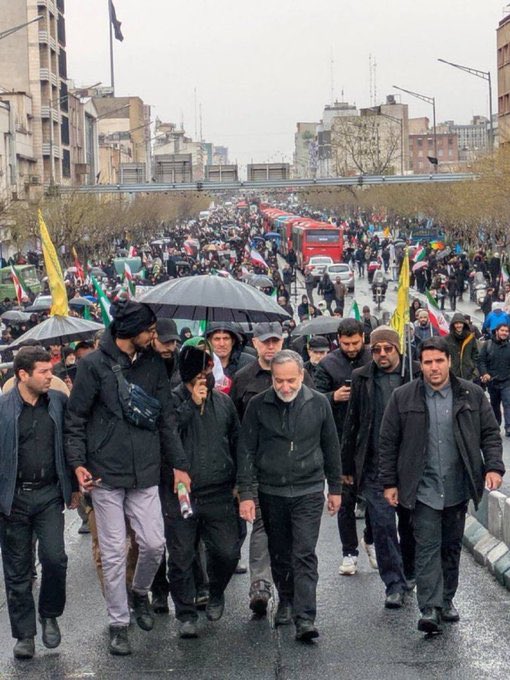
This country is currently fighting a war against the world’s greatest military in history and they are all smiles.
Iconic photo!
English
Mahpiya Waci Win retweetledi
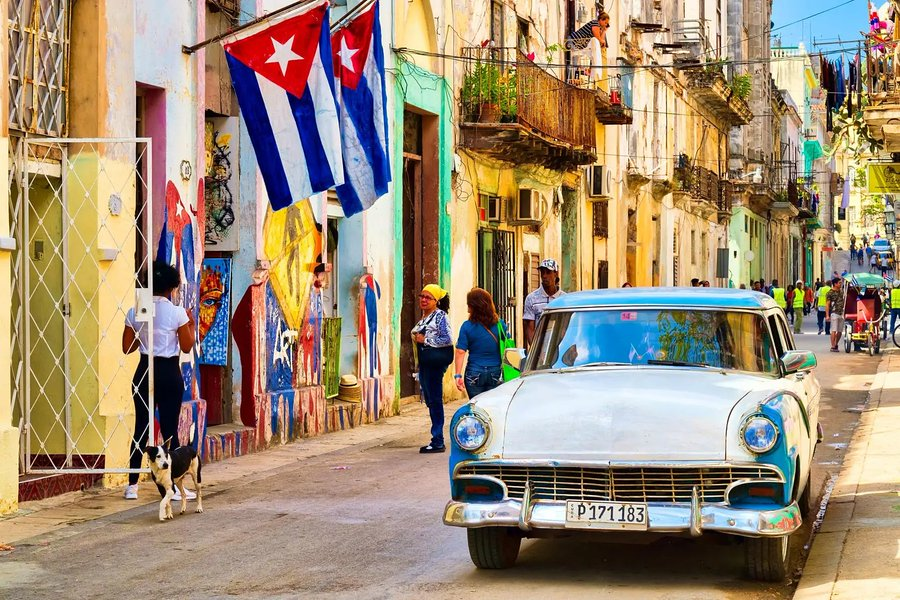
If you support Cuba against evil US aggression.
Show it.
English
Mahpiya Waci Win retweetledi
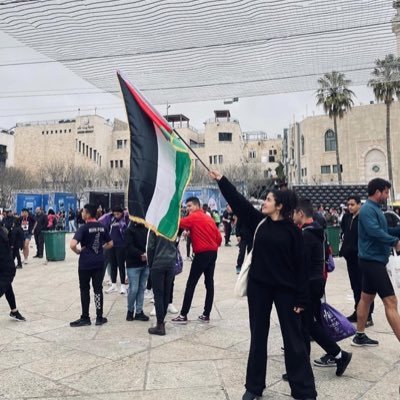
Gaza is forgotten amid the recent Israeli-US attacks in the region, while Israel is still bombing and starving the besieged people of Gaza for the third year!
English
Mahpiya Waci Win retweetledi

It’s really remarkable how many people have thought of themselves as pro-Palestine and anti-genocide, but who have never supported the actual Resistance fighting to liberate Palestine from their genocidal oppressors.
English
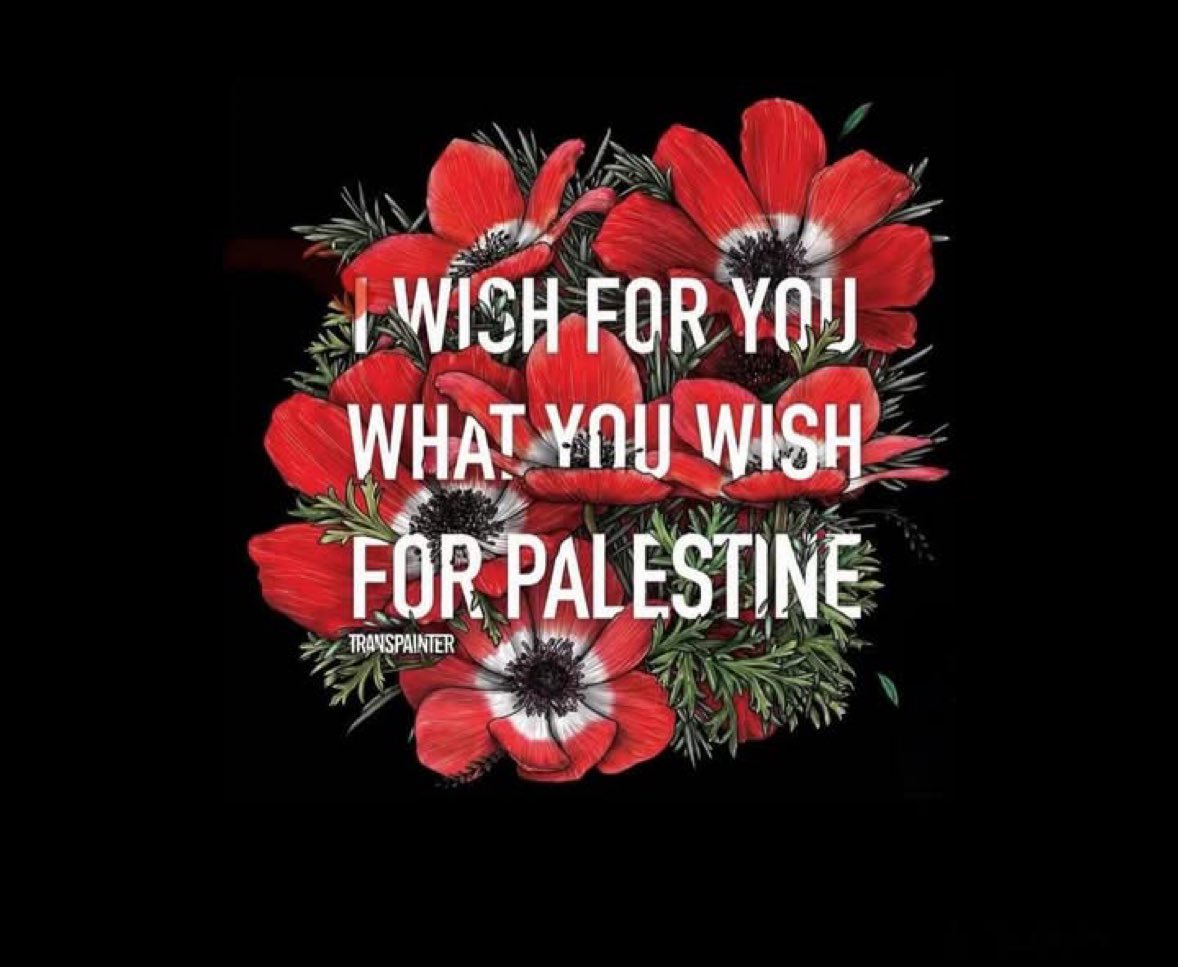
Remembering the Ashkenazi researcher interviewing Native students at our all Native University. She had our elders publicly acknowledging her indigeneity. We need to have a conversation about Zionist scholars & Indigenous studies.
English
Zionists keep a close eye on our Indigenous movements & Indigenous studies. They really want us to understand they’re just “decolonizing” Palestine & that this holocaust is the ultimate form of #landback
…because apparently Natives can’t recognize settler colonialism🥴
English
Mahpiya Waci Win retweetledi

Mahpiya Waci Win retweetledi
Mahpiya Waci Win retweetledi

You can talk about nukes and the "Mullahs" til the cows come home, but really what all of this boils down to is a bunch of white people sailing from the other side of the planet to steal resources & land.
This is the "culture" of European settlers and has been for centuries.
English
Mahpiya Waci Win retweetledi
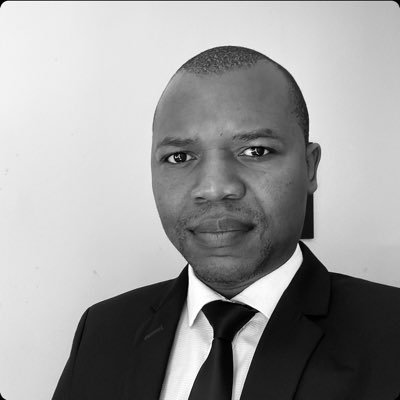
Social Media changed the game… Imagine if we were relying on BBC & CNN for information, we would be totally in the dark
Here is Iran’s Foreign Minister on the streets of Tehran today… While other are in bunkers, he is on the streets with the people
English
Mahpiya Waci Win retweetledi

Mahpiya Waci Win retweetledi

@IMAO_ Jesus Fucking Christ Americans are the stupidest people on earth. They didn’t ’randomly attack everyone around them’ you moron — they attacked countries that host US military bases for a very clear and stated goal, hitting strategic targets including mostly US assets.
English
Mahpiya Waci Win retweetledi

WHY THIS KWAME TURE SPEECH STILL MATTERS
In an archived speech, Kwame Ture delivers a blunt message to Americans: if U.S. weapons and sanctions harm people abroad, taxpayers cannot pretend innocence.
Speaking about Iran, he argued that global resentment toward the United States is rooted not in “hatred of freedom,” but in the lived consequences of intervention, arms deals, and regime manipulation.
Decades later, the questions remain relevant and urgent.
From the 1953 overthrow of Iran’s Prime Minister Mohammad Mosaddegh to ongoing sanctions and regional military tensions, U.S.–Iran relations have been shaped by cycles of power, resistance, and retaliation.
Ture’s core point wasn’t partisan — it was structural: foreign policy is funded domestically. Everything is interconnected. Economic pressure, military force, and political interference do not stay contained within borders.
As debates over sanctions, regional escalation, and regime change intensify, this speech forces a difficult reflection:
What responsibility do U.S. citizens carry for actions carried out in their name? And how does empire shape the stories we tell about who hates whom — and why?
@VoxUmmah @venanalysis @qiaocollective @ProgIntl @KawsachunNews
@OrinocoTribune @blkagendareport @SoberaniaPod
English