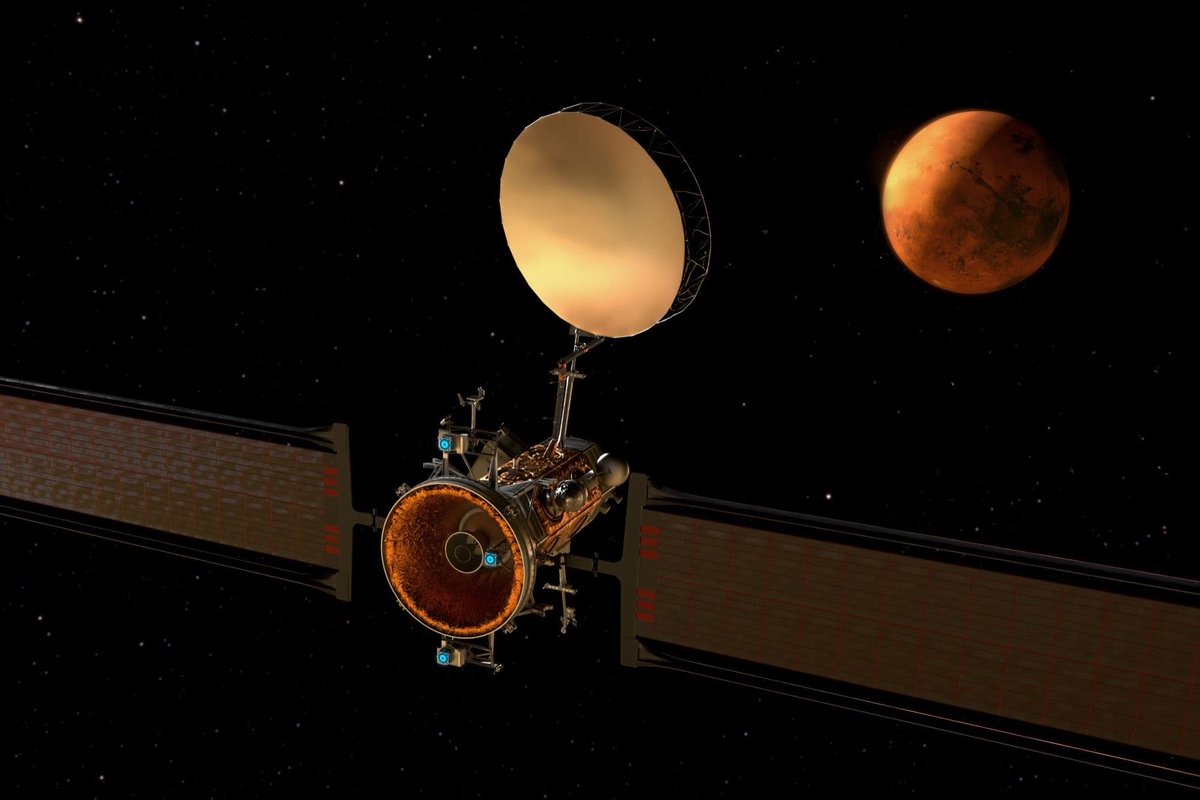
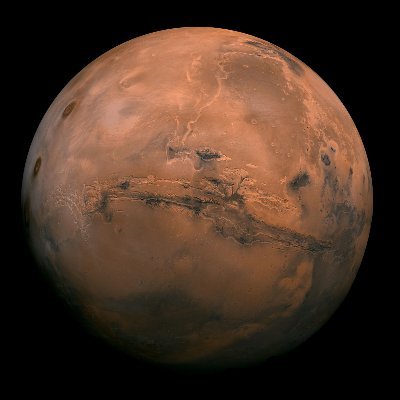
NASA's asteroid-bound Psyche spacecraft flew by Mars for a gravity assist on the way to its final target. And it took some awesome pictures on the way. space.com/space-explorat…
MARS ESCAPADE MISSION
Nice interview of Robert Lillis @RobLillis, PI of the NASA Mars Escapade @escapade_mars twin spacecraft mission, by Rod Pyle @Chryseplanatia & Tariq Malik @tariqjmalik on This Week In Space @TWiT. The two spacecraft, named "Blue" & "Gold", launched in Nov
Skyfall is a new Mars mission concept by NASA using six small helicopters instead of one rover.
Using a mid-air Skyfall maneuver, each explores independently, capturing images and scanning below the surface.
It aims for faster, wider exploration, targeting a 2028 launch.
Two new horizons: From different sides of Mars, the Curiosity and Perseverance rovers have both captured new panoramic perspectives of the science-rich landscapes they’re exploring.
Perseverance's view shows a region that holds some of the oldest rocks in the solar system.
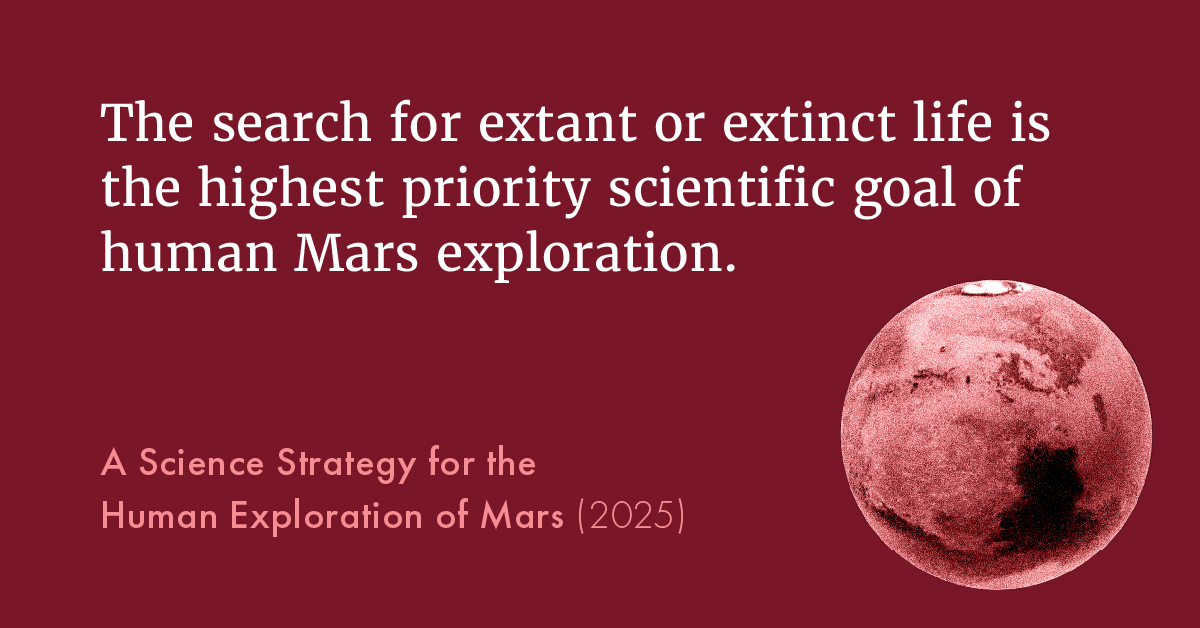
As interest in sending humans to #Mars grows, a key question remains: how do we search for life without contaminating or being contaminated by it?
Our report examines current #PlanetaryProtection guidelines and implications for key scientific objectives: ow.ly/X4T250YObxr
Several senators are asking appropriators to increase funding for NASA’s robotic Mars exploration efforts to at least $400 million, fearing “severe and irreversible harm” if funding is not restored. Link in thread.
5 years ago today: NASA's Ingenuity Mars Helicopter made the first powered flight on another planet.
🚁
Over the course of 72 flights and 3 years, it soared higher, faster, and farther than ever envisioned.
go.nasa.gov/3JrXDSQ
HUMANS &/vs ROBOTS
In science & exploration, robots are best used in assisting humans in the "4Ds of Robotics": Dull, Dirty, Dangerous, and/or Dear (expensive).
Although flying humans into a tornado would definitely not be dull, it'd obviously be too dangerous. Awesome use of a
Our Mars rover mission Rosalind Franklin is scheduled to be launched in 2028, with the support of @NASA.
It will be the first ever to drill up to two metres below the Red Planet's surface, searching for signs of past or present life on Mars 🔴 go.nasa.gov/4vAIeX1
NASA has given approval to begin implementing its project to support @ESA's Rosalind Franklin mission. Scheduled to launch in 2028, this Mars rover will be the first to search for signs of past or present life under the Red Planet’s surface. go.nasa.gov/4vAIeX1
Artemis Mission Route in 3D
- This animation visualizes the Artemis mission trajectory in a dynamic 3D perspective, showing how the spacecraft travels through the Earth–Moon system while all celestial bodies are in motion. Instead of a static path, the Sun, Earth, and Moon move