

HelthyLife
12.6K posts
HelthyLife
@Masvingooo
Healthy habits, happy life | Sharing tips, recipes, and inspiration for wellness
KwaChivi netara Katılım Temmuz 2015
1.2K Takip Edilen1.1K Takipçiler

@Masvingooo Yes 🙌🏽, they believed lies from bitterness family, l don’t even wear makeup , l do on special occasions
English
🔹Yesterday, a neighbour who was a devoted father, husband, brother, and friend to many passed away in his sleep. He suffered a cardiac arrest in his bedroom. I was one of the first people on the scene after hearing the sounds of someone crying. When I ran into the apartment to see what was happening, I found him lifeless, he had no pulse and was completely unresponsive. I immediately called for an ambulance and the police.
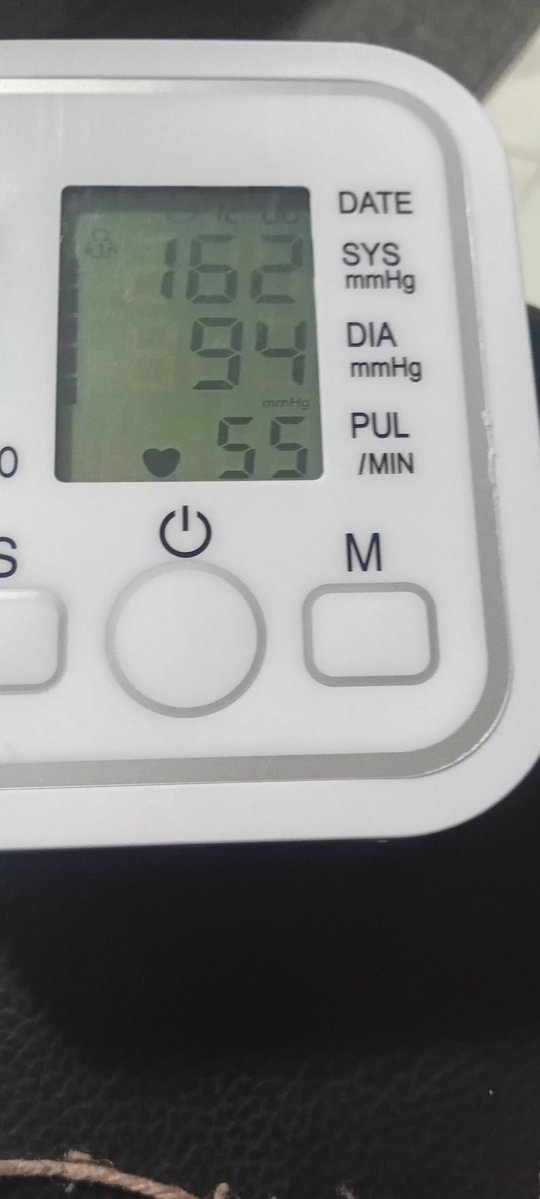
🔸This incident is weighing heavily on my mind. It made me realise just how fragile life truly is. Someone I had just greeted in the corridor the night before was gone by morning. Please, everyone ndapota, if you are prone to high blood pressure, check your BP regularly to ensure you are safe as this was the case with this gentleman and he was fighting to lose weight at the time of his demise. May His Soul Rest In Peace 🙏🏽
English
@wicknellchivayo Sir ndiri kurevesa ndakazvininipisa zvinhu not good kwandiri .Ndokumbirawo $100 hayo nditapudze zviri kundinetsa plus kutenga medication .My bp.is too high as of now .The proof iyo plz help nemweya waMwari
Filipino

NDIRI MU SALALA…and you know what I mean !!!
While yesterday I celebrated a QUEEN who has excelled in the music and arts industry, today I extend the greatest recognition to a BROTHER who has worked tirelessly and has been an INSPIRATION even to my lifestyle. For a very long time, I have waited for this moment to celebrate one of the ORIGINAL and FINEST RnB artists Zimbabwe has ever produced. This is the man whose artistry gave a completely new meaning to the word “SALAD”, and 25 years later, he is still serving it STRAIGHT SALAD with unmatched SWAG and HARD WORK. Today, your time has finally come. I wish to celebrate a TRUE ICON… my brother, MR EXQIZIT…MR PUTITI…the REAL MUSALALA...Enock Munhenga, better kown as Ex-Q.
You popularised chi salad in the early 2000s and became one of the pioneers of URBAN GROOVES, the kind of music I have loved with a passion to this very day. Your AWARD-WINING hit songs such as Musalala, Mazirudo, and Pandakaona, together with more recent songs like Nzenza and Hatichacheme, show a career spanning over TWO DECADES of consistency and excellence. You have INSPIRED the youth and helped shape what we now know as Zim Hip Hop today.
In one of your songs, you have boldly spoken against GBV by declaring that “Let’s LOVE our women, let’s NOT HARASS our women, let’s not call our women names yoo...#MrPutiti”. You have promoted LOVE and RESPECT for women and the girl-child in our society. That is the mark of TRUE ARTISTRY and a reflection of the SECOND REPUBLIC’s tough stance against GBV and all forms of abuse against women. Your contribution to the music industry over the past 20 years is therefore something that deserves proper RECOGNITION.
I say a BIG CONGRATULATIONS to you, my brother…MR EXQIZIT…MR PUTITI, please go and see VICTOR at EXQUISITE Motors on MONDAY and collect your NEW 2025 Mercedes Benz GLE 450, 110 thousand USD PAID IN FULL and your car is READY FOR COLLECTION. You will also receive USD10,000 for fuel and pocket money.
ENJOY your new ride my brother…and keep holding it down, STRAIGHT SALAD !!! 🔥👏🏾
#Mr_Putiti
#Musalala
#Mazirudo
#No_To_GBV




Zimbabwe 🇿🇼 English

@Masvingooo @TembaMliswa Handina because I'm not a thief 😎
English
What is naive is jumping from a random bush and start offering political advice to a man who has been in Gvt and Zim politics since the birth of black majority rule in the country not counting the liberation war.
Secondly, why do you presuppose I lack personal agency on political issues and can only be speaking on behalf of someone? Is that an indictment of your own context where you are not speaking your mind but driving an agenda on behalf of others too timid to vent their views?
kerina mujati@kerinamujati
The standoff between Emmerson Dambudzo Mnangagwa and Mkanya Chiwenga is no longer a behind the scenes power struggle, it is an open test of authority, and right now, the silence from the top is deafening. If Mnangagwa is truly in charge, then he must prove it. Leadership is not maintained through hesitation, whispered briefings, or carefully planted statements through allies. It is exercised through decisive action. If Chiwenga is perceived as a threat, a rival, or simply out of step with the direction of government, then the President has both the authority and the obligation to act. Anything less is not strategy, it is weakness. Expecting Chiwenga to resign is politically naive. No one entrenched at that level of power walks away voluntarily. That option does not exist in reality. The only meaningful question is whether Mnangagwa has the resolve to remove him or whether he is prepared to continue governing under the shadow of his own deputy. The use of figures like Themba Mliswa as unofficial messengers only deepens the perception of insecurity. When leaders speak through intermediaries instead of addressing the nation directly, it raises a simple question: who is actually in control? Power that has to be hinted at, defended by proxies, or negotiated in public is power already slipping. This moment demands clarity, not choreography. Either Mnangagwa asserts his authority in unmistakable terms, or he concedes, by inaction, that the balance of power is no longer firmly in his hands. There is no middle ground. In politics at this level, hesitation is not neutrality; it is surrender in slow motion. #edmustgo #saynoto2030 #defendtheconstitution
English
@matinyarare The shareholder analogy sounds good, but a country is not a company. Leadership is guided by the Constitution, institutions, and due process not emotions or noise.
Accountability matters, yes—but so does stability, respect, and national progress.
English
@Masvingooo @TembaMliswa Totem inobiwa nema Zambians onomamira nyika yakafongora totem iyoyo 😎
Indonesia
@kerinamujati Enough is enough Jembere . Stop mockin my totem. This is my identity and culture, not entertainment. You are a noise maker, confused jembere. You do this repeatedly and it’s getting tired. Apologize and delete this nonsense.Why hating your President to such an extend?
English

The standoff between Emmerson Dambudzo Mnangagwa and Mkanya Chiwenga is no longer a behind the scenes power struggle, it is an open test of authority, and right now, the silence from the top is deafening.
If Mnangagwa is truly in charge, then he must prove it. Leadership is not maintained through hesitation, whispered briefings, or carefully planted statements through allies. It is exercised through decisive action. If Chiwenga is perceived as a threat, a rival, or simply out of step with the direction of government, then the President has both the authority and the obligation to act. Anything less is not strategy, it is weakness.
Expecting Chiwenga to resign is politically naive. No one entrenched at that level of power walks away voluntarily. That option does not exist in reality. The only meaningful question is whether Mnangagwa has the resolve to remove him or whether he is prepared to continue governing under the shadow of his own deputy.
The use of figures like Themba Mliswa as unofficial messengers only deepens the perception of insecurity. When leaders speak through intermediaries instead of addressing the nation directly, it raises a simple question: who is actually in control? Power that has to be hinted at, defended by proxies, or negotiated in public is power already slipping.
This moment demands clarity, not choreography. Either Mnangagwa asserts his authority in unmistakable terms, or he concedes, by inaction, that the balance of power is no longer firmly in his hands.
There is no middle ground. In politics at this level, hesitation is not neutrality; it is surrender in slow motion. #edmustgo #saynoto2030 #defendtheconstitution
English
@ZimFirstLady Can i be in the marketing team of this book ?Qm very serious and have a strategy
English

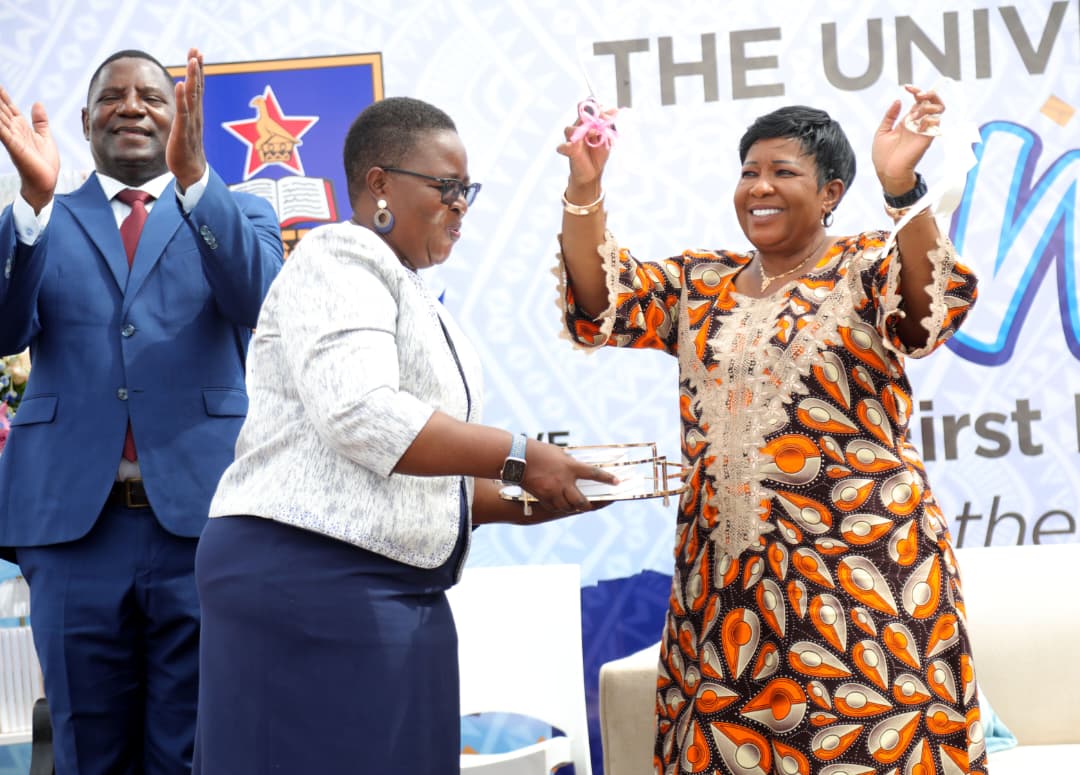
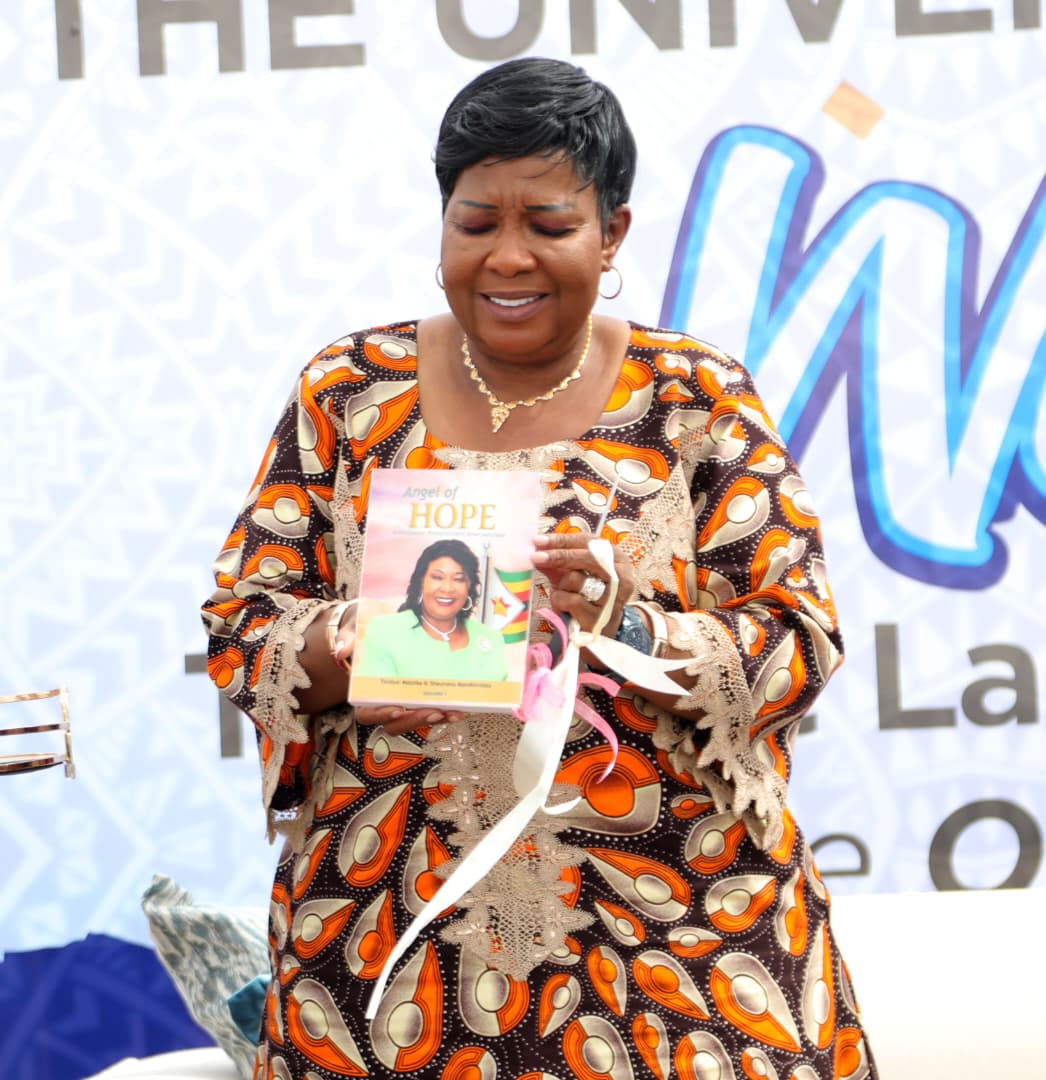
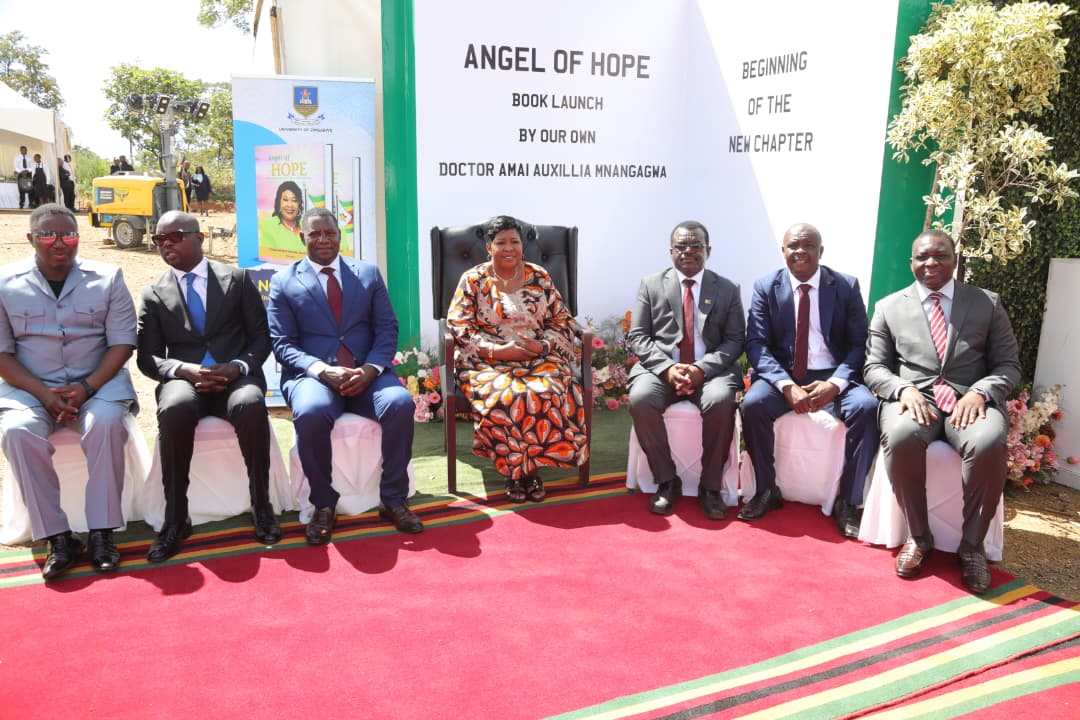
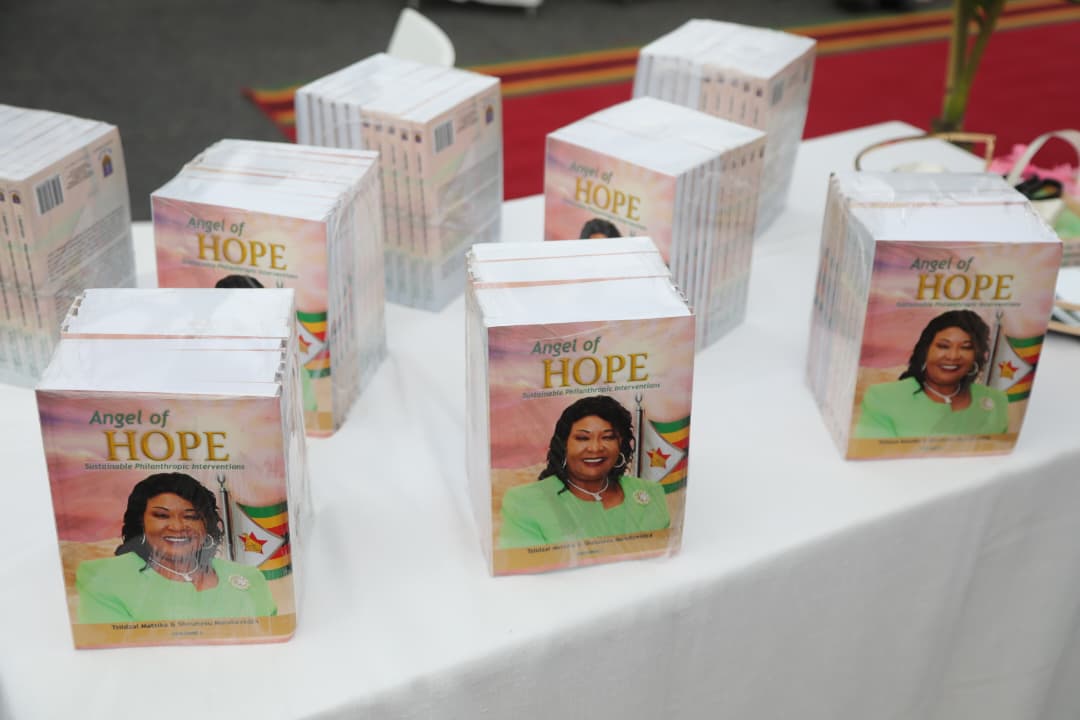
I am humbled by the launch of the book “Angel of Hope: Sustainable Philanthropic Interventions,” which documents our shared journey of service through the Angel of Hope Foundation.
This recognition reflects collective efforts grounded in hunhu/ubuntu, where we continue to support communities out of love and goodwill, complementing national development initiatives.
May we all remain committed to building a more compassionate and inclusive society.
English

High blood pressure has no warning signs.
Check it before it checks you.
English
@ChikomoPrazen Good morning praying 1 day you will help.my daughter to get a fully fundee scholarship on journalism (masters ) she is waiting to graduate in August .And handina kana plan mari hapana
English
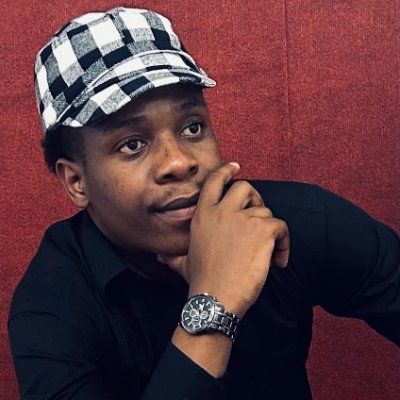
Can’t wait to spend time with young intellectuals, fellow thinkers of my generation, and my countrymen and women as I share my Mandela Rhodes journey and support them in their applications. Ours is to give back—first to our brothers and sisters. We understood, in accepting this scholarship, that it was always for the village.
English
God knows I wouldn’t ask if it wasn’t serious 🙏
I need help raising $48 for my kidney medication.
If you’re able to help or share, may God bless you abundantly .DM for information if you are interested. God bless you all.
@CMukungunugwa
@dereckgoto @freddyMM93 @HonMachakaire
English


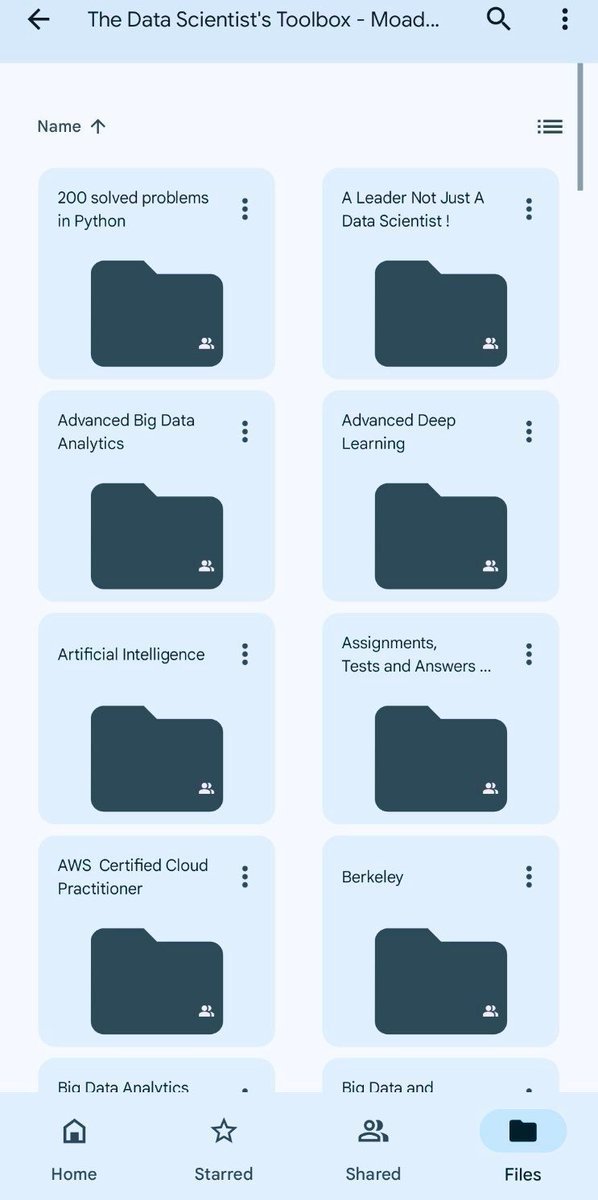
Are you struggling to pay a huge amount on paid courses?
I'm giving you access to 20+ FREE Courses
1. Artificial Intelligence
2. Machine Learning
3. Cloud Computing
4. Ethical Hacking
5. Data Analytics
6. AWS Certified
7. Data Science
8. BIG DATA
9. Python
10. MBA
To get it, just:
1. Like & Retweet
2. Comment "ALL"
3. MUST be Following (so that I can dm)
English
@BarbaraRwodzi @edmnangagwa And makanganwa ini sister yaMutonho.
Indonesia
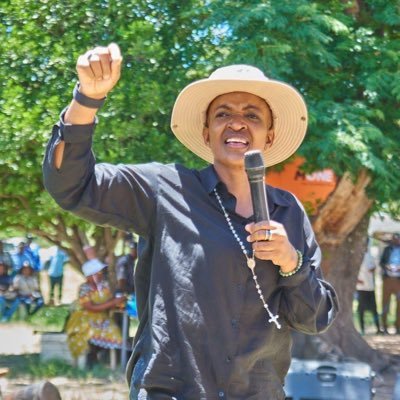
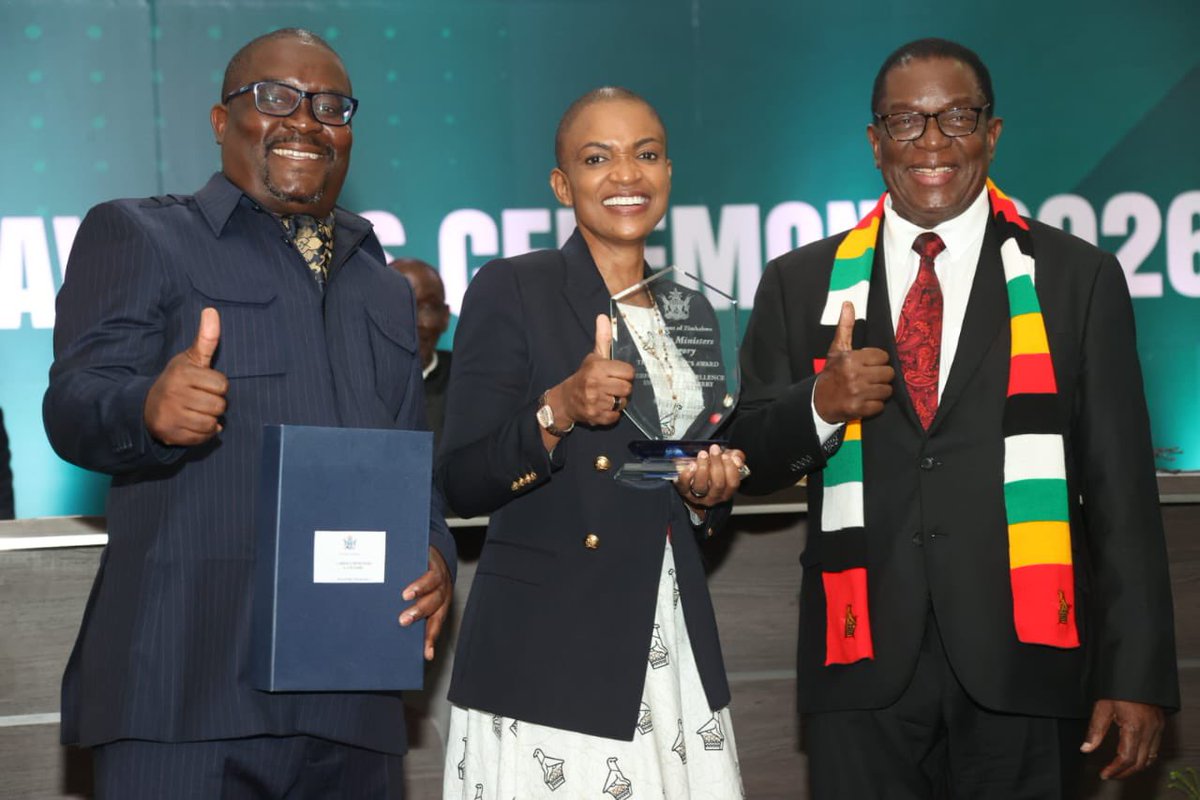
I am humbly Honored 🙏🏿
To our Almighty Faithful God
My sincere gratitude to our President His Excellency Cde Dr @edmnangagwa for a Vision with clear Strategies in the NDS1 and NDS2, as well as giving His Ministers an opportunity to dream and implement,
Congrats to our Patron for Tourism in the country, Dr @ZimFirstLady and we thank you for all the guidance you give to us and the support you provide always,
we share this achievement with You this recognition, our First Lady,
Our Tourism team, DM @DepMinMOTHI , PS Dr Munyanyiwa, CD Tari Musonza, the whole Ministry staff, all the way to the shop floor,
Our new vibrant CEO @JojMan1 and the whole @ZtaUpdates team, and the Board Chairman and the Board members,
Mosi Oa Tunya Family led by Board Chairman and the Board members,
This can only be achieved through teamwork, dedication and honest hard work,
Let’s celebrate, we are a great team and notwithstanding that we still have a lot of work to do in our Sector,
To the people of Chirumhanzu constituency, i thank you for choosing me to represent you in the Parliament,
without you, i would not have gotten this opportunity to serve in the Government as a Minister,
Makorokoto vana Minister kwaChirumhanzu uko😊😊💃💃💃💃💃💃
Thank you my family for the unwavering support always, my all weather friends…
Impossible is nothing….
God Bless our Zimbabwe 🇿🇼 🙏🏿

English

@Masvingooo @iAmKudaMaynard Ummm shame zvosiririsa though ndange ndichiidawo but uyu deserve to be helped .Kutorega chikoro means she is from poor family @begottensun @iAmKudaMaynard batsirai henyu uyu ini chiregai kunzwa chichemo changu kkkkk
Indonesia

Someone suggested I giveaway some of my old Canon cameras. It’s a great idea. But wondering what criteria I could use?
If I just say straight giveaway everyone will want a free camera. Some to resell cause people aren’t always sincere.
What’s a great way to go about this? 🧐

English