
MinneBIO retweetledi
MinneBIO
3.5K posts

MinneBIO
@MinneBio
Empowering Biotech Excellence 🌱 | Leading Supplier of Bio-reagents | Your partner in protein preparation🏆 | Let's innovate together! 💡 #BiotechInnovation
Saint Pau, Minnesota 55114 Katılım Ağustos 2023
2.2K Takip Edilen320 Takipçiler





MinneBIO retweetledi
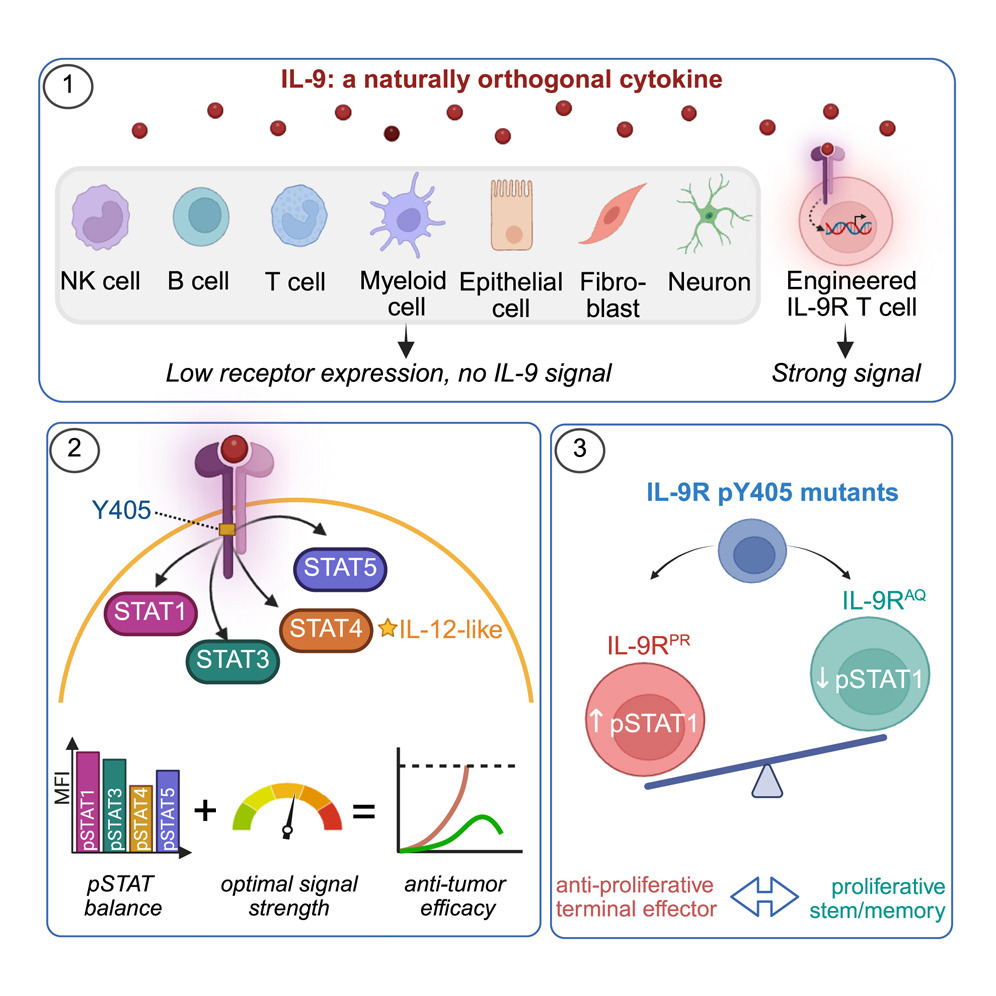
Engineering T cells (CAR T) for treatment of solid cancers has had mixed success to date. Two reports today raise the promise of using interleukin-9 as a way to raise efficacy @ImmunityCP
cell.com/immunity/fullt…
cell.com/immunity/fullt…
English
@Brandon_Beaber Great achievement in developing the antivirus vaccine!
English

An mRNA vaccine against Epstein-Barr virus (EBV) will be tested in an early-stage Phase 2 trial in 180 people recently diagnosis with MS. independent.co.uk/news/health/mu…
English
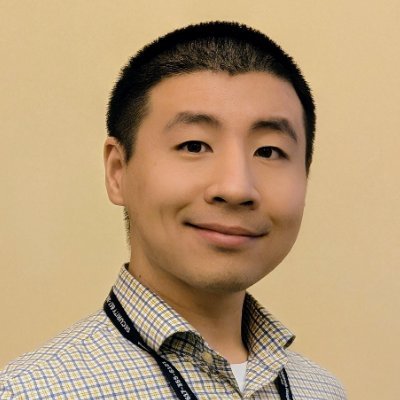
First lab lunch for the one-month-old Qian Lab @ChildrensPhila & @PennMedicine!
Looking forward to what we will build together!
🥳🥳🥳🥳🥳

English
MinneBIO retweetledi

As I’ve said multiple times , postdoc is the worst job you can have with a PhD in these times. I try hard to soften this blow for anyone in my lab and it barely scratches the surface..
Andrew Akbashev@Andrew_Akbashev
Postdoc time is often harder than PhD. You have little time. Competition is higher. And you MUST stand out. + Your contract may end any moment. + Your salary is often low (for your age/education). + You’ve just relocated and prepare to relocate again. No wonder that Max Planck Society survey showed that depression and anxiety of postdocs is rising. Interestingly, Max Planck Institutes have substantial internal funding. So, in theory there should be less pressure to apply for grants, and everyone should be enjoying science. And yet the pressure on postdocs is immense. 📍 Many postdocs want to stay in academia. They want to apply for faculty positions or become senior scientists. Some of them achieve it. Others don’t. ❗️Why things don’t work out: In a recent workshop Q&A session, I discussed various scenarios and behind-the-scenes processes that PhD students should keep in mind if they’re considering a postdoc: “Postdocs: Competition, Hardship and Faculty Positions” Watch it on here: youtu.be/YJm9pyb5xwY (I’ll appreciate if you ‘like’ this video - you will GREATLY help it reach more students.)
English
MinneBIO retweetledi

Your immune system doesn't only defend, it remembers
This diagram maps how the body’s innate and adaptive immune systems work together to identify, attack, and remember pathogens. It shows how different immune cells, antibodies, and signaling molecules coordinate to protect against infection while maintaining balance.
1️⃣ Innate immunity: the immediate response
The innate system acts within minutes, providing broad defense through physical, chemical, and cellular barriers.
🟢 Example: Skin, mucus, and stomach acid block pathogens, while macrophages, neutrophils, and natural killer cells identify and destroy invaders using pattern-recognition receptors.
🟢 Example: The complement cascade amplifies inflammation and flags pathogens for destruction by immune cells.
2️⃣ Adaptive immunity: the targeted response
The adaptive system learns to recognize specific antigens and produces lasting protection through specialized B and T cells.
🟢 Example: B cells release antibodies (IgM, IgG, IgA, IgE, IgD) that neutralize toxins and tag microbes for clearance.
🟢 Example: T cells coordinate and execute defense—helper T cells activate macrophages and B cells, while cytotoxic T cells trigger apoptosis in infected cells.
3️⃣ Antibody specialization and immune memory
Each antibody class has a unique role in defense and long-term immunity.
🟢 Example: IgM is the first antibody made in infection, IgG provides long-term protection and crosses the placenta, IgA guards mucosal surfaces, and IgE mediates allergic reactions.
🟢 Example: Memory B and T cells remain after infection or vaccination, allowing faster and stronger immune responses upon re-exposure.
4️⃣ Active and passive protection
Immunity can be acquired through natural infection, vaccination, or temporary antibody transfer.
🟢 Example: maternal antibodies passed through breast milk provide short-term passive defense.
The immune system’s strength lies in its coordination—an instant, non-specific response that buys time for a targeted, adaptive defense that remembers what it has seen.

English
MinneBIO retweetledi

Is it okay if I call this article bullshit?! They didn’t ask me about this; I’m a scientist too, you know😅 I love it here on X, but I find Bluesky boring & depressing. Also, I dislike it when they strongly imply that all scientists must share the same ideology or think/act same!
Bethlehem Tekola@Bethlehemtekola
didn't know that there is a journal article on this
English


The Extracellular Matrix is a complex protein network that supports cells, regulates signaling and migration, and, together with neighboring cells and factors, shapes the microenvironment, influencing behavior in cancer, fibrosis, and tissue remodeling.
minnebio.com/blog/ecm-cell-…

English
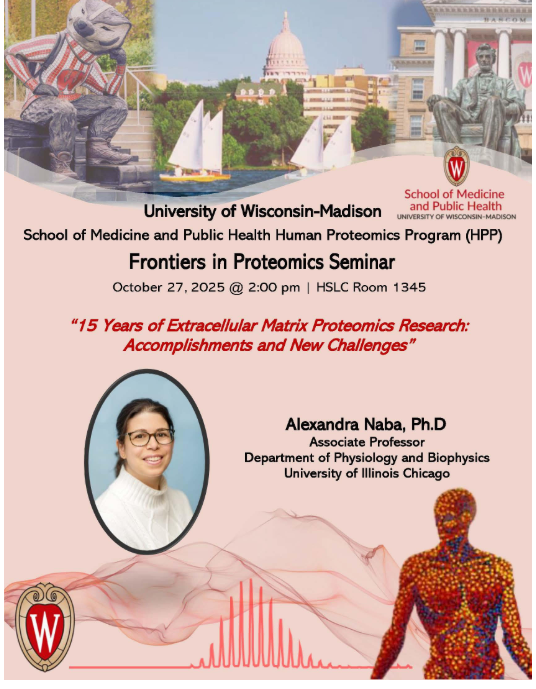
A seminar on ECM Proteomics Research by Prof Alexandra Naba from U Illinois Chicago. We greatly appreciated the insightful presentation & also thank Prof Ying Ge from U Wisconsin - Madison for organizing the seminar.
minnebio.com/blog/extracell…
English
🎉 Congratulations to Dr. Brian Fife(@briantfife, @fifelab), recipient of the Dept. of Medicine Excellence in Research Award!
This honor recognizes his outstanding research over the past 3 years. We’re excited to celebrate him at the Fall Faculty Recognition Event on Nov. 13! 👏

English
CD8⁺ T cells remain overactive and exhausted long after COVID-19 infection, keeping the immune system in a chronic inflammatory state. This persistent immune dysregulation could drive Long COVID symptoms by sustaining low-grade inflammation and disrupting normal immune balance.
Jon Douglas@atranscendedman
Researchers analyzed 73,000 immune cells from COVID-19 patients. They found that memory CD8+ T cells stay overactive and exhausted long after infection, keeping the immune system in a low-grade inflammatory state that may drive Long COVID. frontiersin.org/journals/immun…
English
It’s a good start. Rational design could yield improved material properties, bringing us closer to the realization of a true “Egg Computer.”
LaurieWired@lauriewired
Every year, we get closer and closer to a true “Egg Computer”. We’ve already made: - Egg Transistors - Egg Resistive Memories - Egg Supercapacitor electrodes Albumin is a hilariously good organic semiconductor material.
English
Structure is only part of the story— ~30% IDRs. PeptoneBench & PepTron tackle this complexity: PeptoneBench connects machine learning & experiment to assess ensemble realism, while PepTron, trained on synthetic IDRs, matches BioEmu on DR & performs strongly on folded proteins.
Kyle Tretina, Ph.D.@AllThingsApx
Structure is not even half of a protein's story; ~30 % of proteins are disordered. 🧬 PeptoneBench bridges ML and experiment (CS/SAXS/RDC/PRE) to test ensemble realism. 🧬 PepTron learns from synthetic IDR ensembles, matching BioEmu on disorder while staying strong on folded proteins.
English
A Single Mutation Validates AI Predictions and Refines Alzheimer’s Diagnostics
minnebio.com/blog/a-single-…

Français