
Peter (sometimes P.J.) Moar
2.8K posts

@MoarPart
Consultant/educator. All problems have solutions. Everything is connected to everything else. Book: 'Technology & Engineering Strategies' (Routledge, 2025).


Q1 2026 G7: 🇬🇧 0.6% 🇺🇸 0.5% 🇨🇦 0.4% 🇩🇪 0.3% 🇮🇹 0.2% 🇫🇷 0% 🇯🇵 (not yet reported but estimates are 0.4%)


It's hard to oversell this map - make sure to bookmark it and share it with your friends. Fantastic research that must have been soooo labour intensive: How has the population of evert single small geographic region across Europe changed from 1961 to 2024? You will want to study this map in detail. Source (keep scrolling for a while): correctiv.org/aktuelles/2026…

Just issued today! @SandiaLabs U.S. Patent #12,620,993, "BALLISTIC SUPERCONDUCTING CIRCUIT FOR ASYNCHRONOUS REVERSIBLE LOGIC ELEMENT," M.P. Frank (now at @VaireHQ), R.M. Lewis, and S.B. Kaplan (contractor).


The Economist: the Richard Scarry rule—politicians will rarely challenge interests that feature in children's books Me:


@FraserNelson But what price the convenience of delivery and not having to pay to get your own milk from a supermarket. Feel as though this is one of those that @rorysutherland might see as your view being the economists view. All about the money and nothing else.


🚨 NEW: 65% of Brits support the Green Party's policy of capping CEO pay at ten times the pay of the lowest paid employee


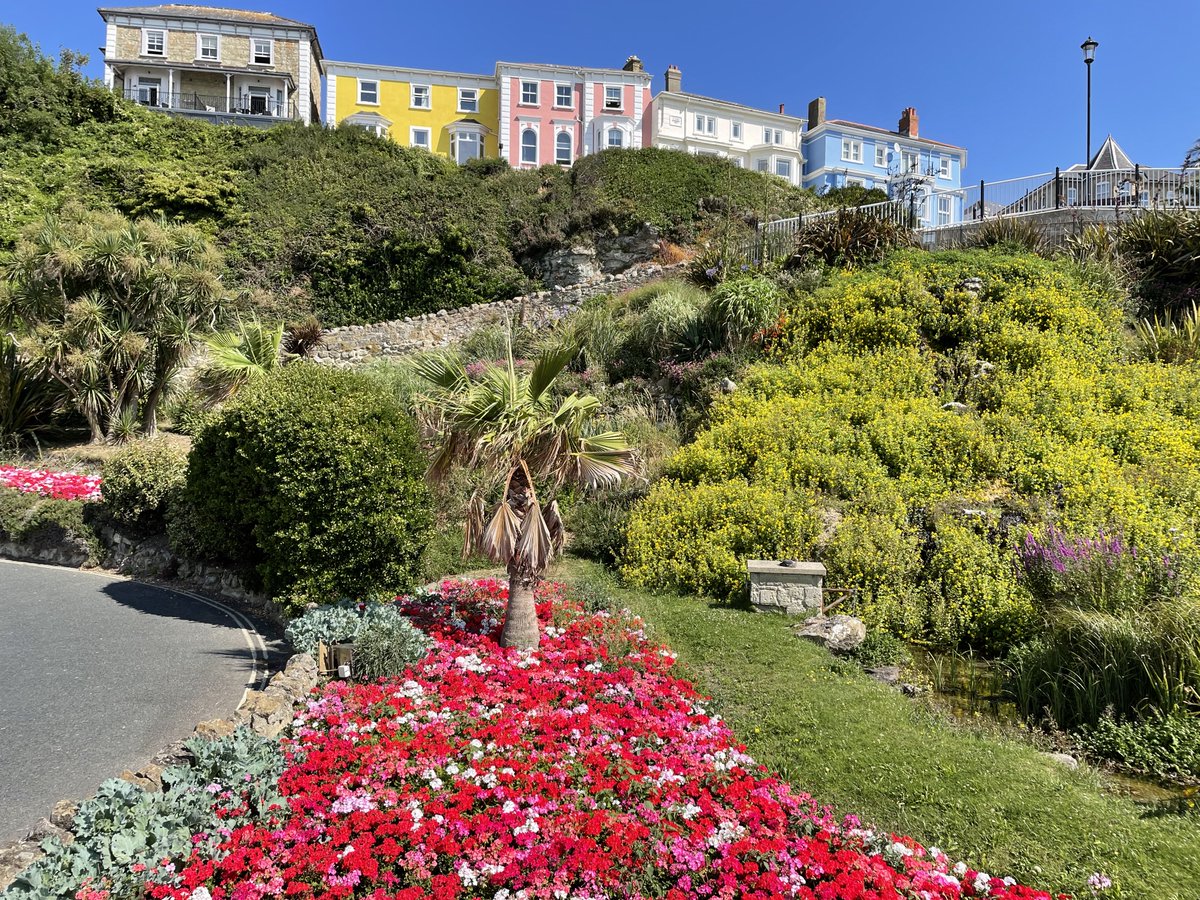
What if the residents of a street could collectively decide to build more homes on it - and share directly in the benefits? That's street votes. In our new paper with @LabourTogether we set out how community-led street votes could help @SteveReedMP build 1.5 million new homes. labourtogether.uk/all-reports/st… Street votes let neighbours come together, work with an architect, agree a new plan for their street, and vote. If they say yes, building happens with their consent, on their terms, with benefits flowing to the people who already live there. Building in towns and cities is vital - it adds much-needed homes where people want to live, it’s more sustainable and it grows a more resilient local economy. But building in cities and towns is difficult. Under street votes, instead of builders, councils, and residents fighting each other, the community can push for more homes themselves. And because ordinary people are driving the change on small sites, new homes can be built faster than the big schemes relying on big developers. Street votes learn from international schemes that have delivered tens of thousands of homes a year in cities like Seoul and Tel Aviv. Applied here, the evidence suggests up to 30,000 new homes a year in the places we need them most - with the first homes delivered before the end of this Parliament. Much of the work has already been done to put communities in the driver’s seat with street votes. MHCLG just needs to implement the rules. In this paper, @1jamesHowat, @KaneEmerson & @dc_lawrence set out the final steps that the Government should take to build thousands of new homes with popular support.