Murugappan

51 posts

Murugappan banner
Murugappan

Murugappan

@Murugappan07

Bengaluru, India Katılım Şubat 2013
1.9K Takip Edilen118 Takipçiler
Sabitlenmiş Tweet
Murugappan
Murugappan@Murugappan07·
Can FDs give 9.5% interest rate? Yes, they can on #SuperFD ✅ No new Savings account required 🏦 ₹5 Lakh insurance by DICGC 🎁 ₹250 Cashback on First Suryoday SF Bank FD 🚀 Let's upgrade your FDs - superfd.in 💵 Minimum investment starts at ₹1,000
English
1
0
5
11.3K
Murugappan
Murugappan@Murugappan07·
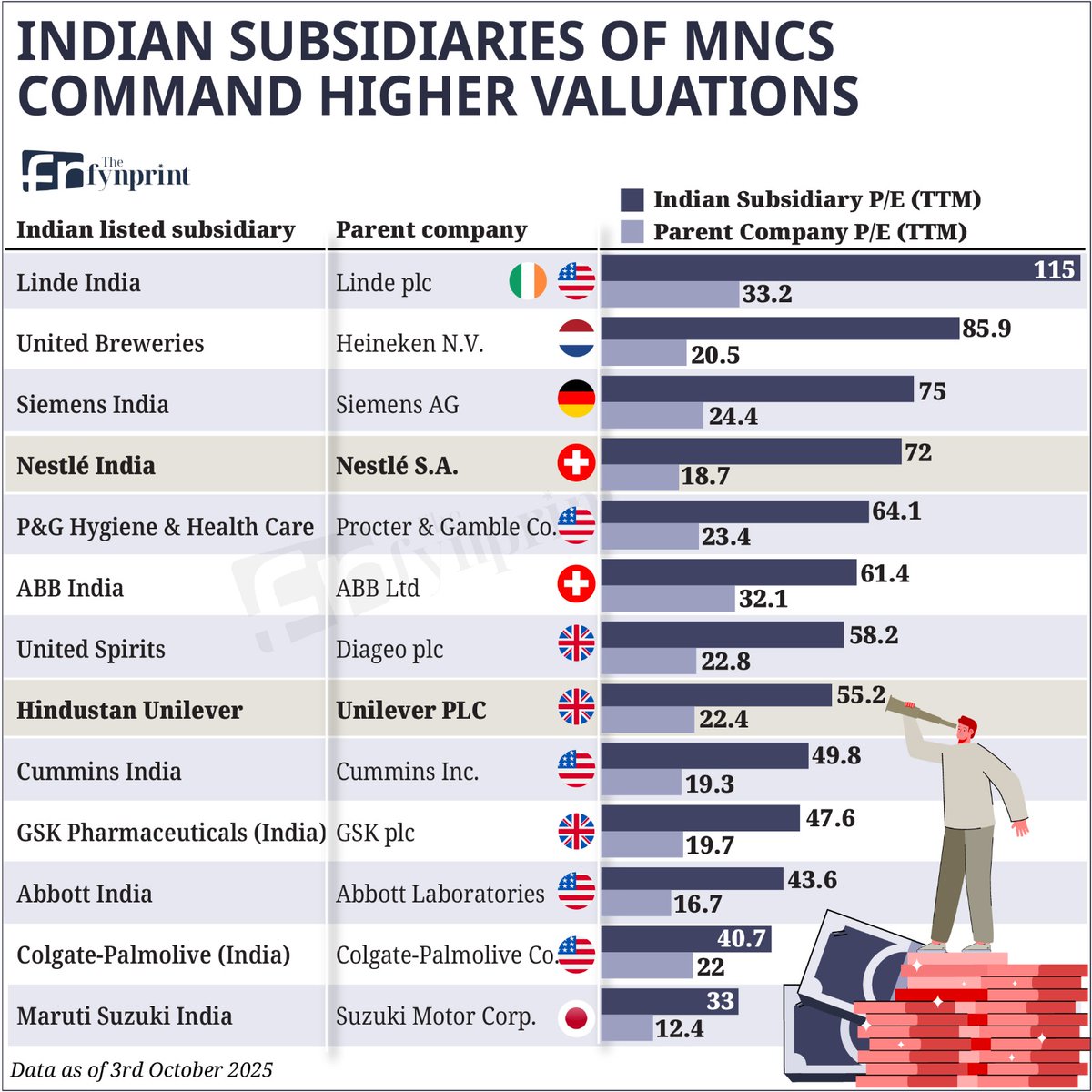
@ActusDei suggestion - add growth rate alongside to make it complete? Common argument for the premium is that India growth rate for these companies is much higher, but it is not
English
1
0
4
155
Neil Borate
Neil Borate@ActusDei·
Indian subsidiaries are more expensive than global parents. Another reason to go global. India is growing faster, but is the gap justified? We aim to discuss questions like these in our global investing community. You can join by filling this form forms.gle/CR2c9tqkuYeRpu…
Neil Borate tweet media
English
19
32
245
24.1K
Murugappan
Murugappan@Murugappan07·
@b50 Both are inflated. People don't want real estate prices to drop in India. They will rather wait it out and let the price stagnate for years. PE multiple on stocks/MFs is still crazy, while retail investors are fed SIP story of 12% returns
English
1
0
22
3.3K
Anupam Gupta
Anupam Gupta@b50·
Real estate and mutual funds. A case of over-supply? Hear me out.
English
17
44
710
84.1K
Murugappan
Murugappan@Murugappan07·
@ActusDei Retail investors in India think both Real Estate and MF SIPs can only go up
English
3
1
17
4.9K
Neil Borate
Neil Borate@ActusDei·
Any thoughts about the table below? How would you position yourself for it? Source: DSP Netra url-shortener.me/2U1O
Neil Borate tweet media
English
43
19
214
46.6K
Murugappan
Murugappan@Murugappan07·
@svembu Yeah, let's take India by 50 years back!
English
20
8
317
29.5K
Sridhar Vembu
Sridhar Vembu@svembu·
By now, I hope it is clear to all of India's educated elite that we must build up our capabilities here. The mindset "we can buy whatever we lack" or its much deeper axiomatic version "money can buy everything" won't work in this new era. For one, money cannot buy national security nor sovereignty nor resilience. We cannot stand up to bullies if we don't build ourselves up. More broadly, educated Indians must reexamine our fundamental belief systems. As one example, why are we paying so much for a degree from abroad (and here I am not referring to the low cost medical education in Vietnam - we must examine why medical education is so costly in India!) Second, should we still value English as the _medium of instruction_? We should learn English _as a language_ but does it make sense to make it the medium for teaching mathematics or history or technology or medicine? English as the medium of instruction is a status symbol from our colonial past. Should that be our future as well? Why I repeatedly come back to this question is because language has separated us into two classes and that division has only grown worse. English as a status symbol is a bigger barrier today than caste. I know how deeply it is holding back our rural youth. The solution "government schools offer English medium to everyone" does not work and has never worked. Instead I propose that all our children - rich and poor - must be educated in our own languages as it happens in countries big and small and as it happens in all of the nations of EU. Yes that means that every kid in Bengaluru must study in Kannada (not just learn Kannada!) and in Chennai must study in Tamil. Countries like the Netherlands with a quarter of the population of Tamil Nadu make it mandatory to learn in Dutch only after a year of enrolling in school there. Children do learn quickly. So before you react emotionally to my suggestion "how dare you suggest my English fluent children study in Tamil or Kannada medium" ask yourself if that has served our nation well. Are we bringing up our children to have no pride or attachment towards India, particularly the vast majority of our people who do not speak English? Are we not alienating our own children from our roots? Please don't bring up "IT jobs". We build sophisticated tools like compilers and the team mostly speaks Tamil. We never made it a requirement to be fluent in English and our engineers learn enough English to read English documentation, just as engineers in Japan and China and Korea and Germany all do. And we do have a lot of non-Tamil speaking engineers too and since they choose to live in Tamil Nadu they learn enough Tamil to work with colleagues. This is what Indians learn to do when we migrate to, say, Germany. It is not the big deal we often make it out to be. So we must stop making excuses. It starts with our mental attitudes towards our nation and our fellow citizens.
English
1.1K
2.3K
10.4K
757.9K
Kushal Bhagia 🇮🇳
Kushal Bhagia 🇮🇳@kushalbhagia·
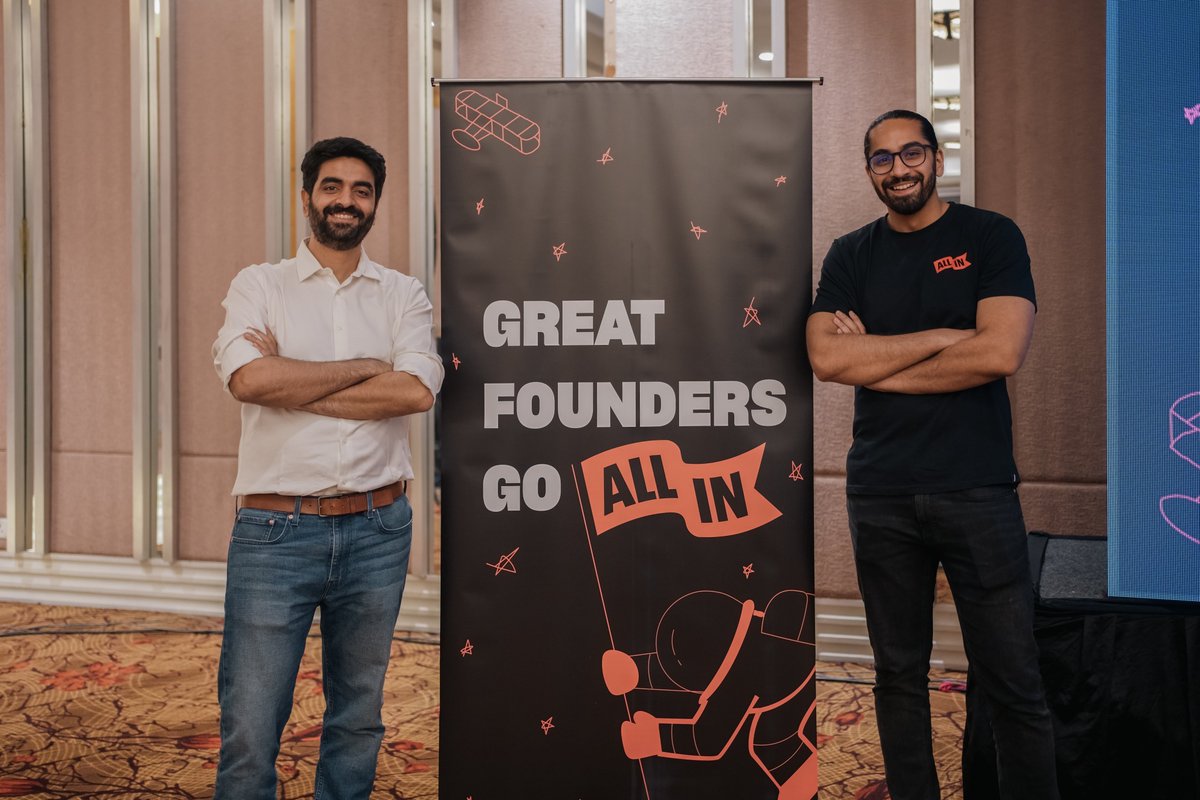
🚨All In on India🇮🇳 - All Over Again! 🚨 Hello World :-) Today - I’m beyond excited to drop some big news: we’ve launched a $25M second fund at @All_IN_CAPITAL to be the first backer for India’s boldest founders. We’ve already have $12M committed and have hit the ground running having invested eight startups from this new fund. We are privileged to backed by family offices & institutions from India and abroad along with some of India's best tech founders. This is a big milestone for us, and it’s rooted in a belief we’ve held for years—India’s startup ecosystem is brimming with audacious talent, and the earliest stages are where the real magic happens. With All In Capital's first fund, a $11M pool, @allin_adi and I backed 51 companies, across sectors like Indian consumer, AI and deep-tech and fin-tech. Companies like Newme, Piersight, Magma, Salty, MeetRecord amongst 23 others have already raised follow-on rounds, 2 have even powered through to a Series A and we have luckily also seen a cash exit. Collectively our companies have gone on to raise more than $50M in follow-on capital in just over two years. It’s proof that betting early on the right founders pays off, and we’re ready to double down with this new fund. We have now expanded from the two of us to a team of five- that includes Simran, Ritvik and Aman! Over the past 13 years of my career in tech - from starting a startup from my BITS hostel room, to helping build UpGrad, to then running First Cheque , then finally launching All In - I have never been more bullish. The India story is just taking off – for the first time in generations, brilliant young Indians are choosing to stay back in India, raise capital and build products and companies that will impact of millions of people. I consider it the privilege of my life that so many of them choose to offer us the chance to partner with them. How we operate : - We invest $200K to $600K in your very first round. - We lead rounds on our own conviction and usually end up being 50-100% of the round. - We don’t care who else is investing or what’s hot. If we see a team with a vision that inspires us and the hustle to match, we are All in on you! - We invest from a paper-plan stage to all the way through early product-market-fit/ early revenue stage. - From the first contact with us to a final decision, we try and run our process in two weeks end to end. - We are sector- agnostic, we believe the next big idea can come out of anywhere. So whether you are building in AI or a D2C brand or a space-tech company, we are excited to hear your story. - We are founder first. We don’t take board seats and are firmly in your camp. - We work with a large network of successful tech founders who help us diligence sectors, co-invest with us, advise our companies and help with our founders with GTM and follow on fund raising. - Typically when we lead a round, we pull in some of them with us to invest in every company. India’s startup scene is a global force—third largest ecosystem, unicorns and now IPOs galore—but pre-seed is where the next wave of giants takes root. This fund is about finding and going All In on those "non-obvious" founders that everyone else feels are too early for them. So, if you’re a founder pouring your soul into an idea—AI-driven or otherwise—we want to hear from you. No gatekeepers, just your story and your grind. We’ve already backed eight companies from this new fund with and more coming. To all the LPs who have backed us - we are grateful for your continued support to us and to India's startup ecosystem 🙏 Let’s build something legendary together! Great Founders go - All In! 👊
Kushal Bhagia 🇮🇳 tweet mediaKushal Bhagia 🇮🇳 tweet media
English
73
9
422
31.5K
Murugappan
Murugappan@Murugappan07·
@ActusDei SIPs were marketed as 12% return product. 50% of retail investors who got in last 3 years, are going to find it out the hard way.
English
4
1
42
6.7K
Neil Borate
Neil Borate@ActusDei·
If a showroom has only Fiat & Ambassador, will it ever showcase a Ferrari? What if imports of Tesla & Ferrari are banned? Here's my hypothesis for why our stock market got over inflated. The roots of it lie in RBI's decision to deny higher overseas limit to MFs in 2022. Capital is like water, it must be free to find its level. Huge amounts of capital entered the market in 2022-24 and sloshed around in the same 500 domestic stocks. It provided a lucrative exit to promoters, FIIs & anyone who was already invested in them. Remember 50% of MF investors entered the market after 2021. They say India is a capital starved country & so we need to hoard it. Yet we trade at huge premiums to other emerging markets even now at 20 PE. Retail capital has become a giant subsidy to promoters & asset managers. It has nowhere else to go! Our financial services sector is like a showroom with only a few cars & so it keeps selling them. It knows there are better cars, but cannot stock them. So keep buying it yells, keep buying...for the long term... Now you will say we make really good cars (stocks) and yes we do. But they cannot always be the best & at all prices. Indian investors & MFs must be allowed to look at all the showrooms in the world and make a free choice. If they still choose India, that's great.
English
84
113
779
245.7K
Nithin Kamath
Nithin Kamath@Nithin0dha·
The biggest takeaway for me after meeting @bryan_johnson was debunking the myth I once believed: that only Delhi in India has an air quality problem—and that it occurs only in winter. We recorded @nikhilkamathcio’s (link in the following tweet) WTF podcast in a sea-facing apartment in Bandra, Mumbai, and the AQI was a whopping 160+. If the AQI was this high in Bandra, just imagine the levels in the more crowded parts of the town. Later, I got an AQI meter for our office in J.P. Nagar—a quiet corner of Bengaluru—and was shocked to see it reading 120+. Again, imagine how much worse it might be in the busier parts of the city. What makes matters trickier in Bengaluru is the dust from the ongoing construction boom and poor roads. Most places in the US and Europe have AQIs below 50, which is considered good. An AQI of 50 to 100 is moderate, 100 to 150 is poor, 150 to 200 is unhealthy, 200 to 250 is severe, and above 250 is hazardous. Long-term exposure to poor air quality can cause lung damage, cardiovascular problems, compromised immunity, an increased risk of cancer, and more—all of which ultimately affect quality of life. In Delhi, for example, the AQI can reach 500 or more in winter and 200+ in summer. This has bothered me ever since. Everyone should have equal access to clean air. With water, you can use a filter to ensure decent quality. But what about air? We seem to have gotten used to the fact that air pollution is just a part of life, and we’re okay with breathing low-quality air—even though clean air is a fundamental right granted to citizens by the Constitution. So, shouldn’t property prices be linked to AQI? The higher the AQI, the lower the real estate prices should be. That means if an area has poor air quality, property prices and rents should be lower, and vice versa. After all, by living in such areas, you are accepting higher odds of respiratory ailments, cancer, etc. There also doesn’t seem to be much research on this in India. If you are a researcher thinking about or working on this topic, we’d love to connect with you. Perhaps some large hospital chains would be willing to provide anonymized data sets on health issues for researchers to work on. Please let us know if you are working on AQI, its impact on both personal and public health, or if you intend to explore it further. We at @RainmatterOrg would like to collaborate. We are trying to improve quality of life, and air quality plays a significant role in many cities across the country. 1/3
Nithin Kamath tweet mediaNithin Kamath tweet media
English
492
905
7.3K
1.4M
Murugappan
Murugappan@Murugappan07·
@svembu The right question to ask is how do we import top talent to India. We are forever stuck in trying to retain talent. We can also brag after that 😁
English
3
0
14
4.3K
Sridhar Vembu
Sridhar Vembu@svembu·
Excellent analysis by Molson on the online debate about Indian immigration to the US. As an Indian, I work hard to retain talent in India because we so badly need the talent to develop India's technology capability. At the same time, I hugely respect America for being so immigrant-friendly to be able to attract and successfully integrate so many talented people from around the world, including a huge pool from India. Now on the topic of racism: while there are racists who oppose Indian immigration, it is reasonable and not racist to ask if it is wise for America to be so dependent on perpetually high immigration. An even more meta question is that "Is it worth the bragging rights to be the number 1 in GDP or number 1 in AI or whatever, achieved with imported talent, but at the price of leaving your own people behind." This is not a theoretical question: American companies have traditionally preferred to import talent than to invest in creating talent within America. That is a debate Americans must have but unfortunately when it is tainted by racism, the debate cannot be had at all.
molson 🧠⚙️@Molson_Hart

I am sick and tired of reading garbage posts about Indian immigration on this app so I will now attempt to improve the discourse by breaking the whole thing down as only I can 1. A lot of people dislike Indians because Indians, like every other ethnic group, do the cultural affinity cooperation thing both inside and outside of corporations. Again, all ethnic groups do this but some do it better than others. 2. Indians are on average very good communicators and other ethnic groups are not. Those ethnic groups that are not get butthurt about this and instead of getting good at communication, which sometimes triumphs over skill in the art, they complain. 3. Indians in America are the highest earning ethnic groups in the United States so have no right to complain about race anything. AFAICT they’re mostly not. 4. Indians in India are catching wind of this discourse and are complaining and because they are in India and cannot get in trouble for calling non-Indians regards, they’re doing it. Indians in India are also super nationalistic which is contributing to this issue. 5. The elephant in the room is that the guy who set this off looks like Frankenstein and while I’m sure he is very smart (his head is huge), this makes him an easy target. Compounding on this is that there are apparently two of this guy with the same name so people are confusing them. 6. There are good Indian immigrants and there are bad Indian immigrants. This is pretty much true for every country. But the fact remains that if the United States wants be a competitive power, it needs to let in smart people and not take in dumb lazy people, irrespective of where they are from. This is not an option. It has to be done because this is what has worked very well for us our entire country’s existence and it what makes our country special. It also needs to happen because we’re not having kids and… 7. The other reason why we have no choice is that our education system sucks for the country whose govt spends more than everyone else by far. Immigrants are the bandaid on this nagging problem that has zero solution in sight. Our country has a lot of problems, but one of the few things it has going for it is immigration, which needs to be done in the right way. If you don’t like Indians you’re going to have a tough time in life because a lot of them are super talented and because of their communication skills, they are going to dominate government and corporations, so you’re just going to have to get used to it.

English
61
289
1.6K
125.9K
Murugappan
Murugappan@Murugappan07·
@chandrarsrikant This is 180 degree shift 😐 Byjus had the worst sales practices. Byju Ravindran woke up after 10 years or what?
English
3
2
51
5.2K
Chandra R. Srikanth
Chandra R. Srikanth@chandrarsrikant·
"Byju's has completed its transition from a push-based to a pull-based sales model, which is driven by love for learning rather than the fear of missing out." "Your job is not to sell, but to counsel. You are not sales people; you are education counsellors, empowering students to become better learners,” Byju Raveendran to sales staff
Chandra R. Srikanth@chandrarsrikant

Counsel, don't sell, Byju's Raveendran tells staff; does away with sales call targets, slashes course prices With @MansiVjourno moneycontrol.com/technology/cou…

English
55
19
207
94.6K
Murugappan
Murugappan@Murugappan07·
@os7borne Nice balanced summary Osborne. It’s increasingly clear that fintech startups should play by the rules. It’s good for fintech ecosystem and innovation in the long run 😀
English
0
0
1
86
Osborne Saldanha
Osborne Saldanha@os7borne·
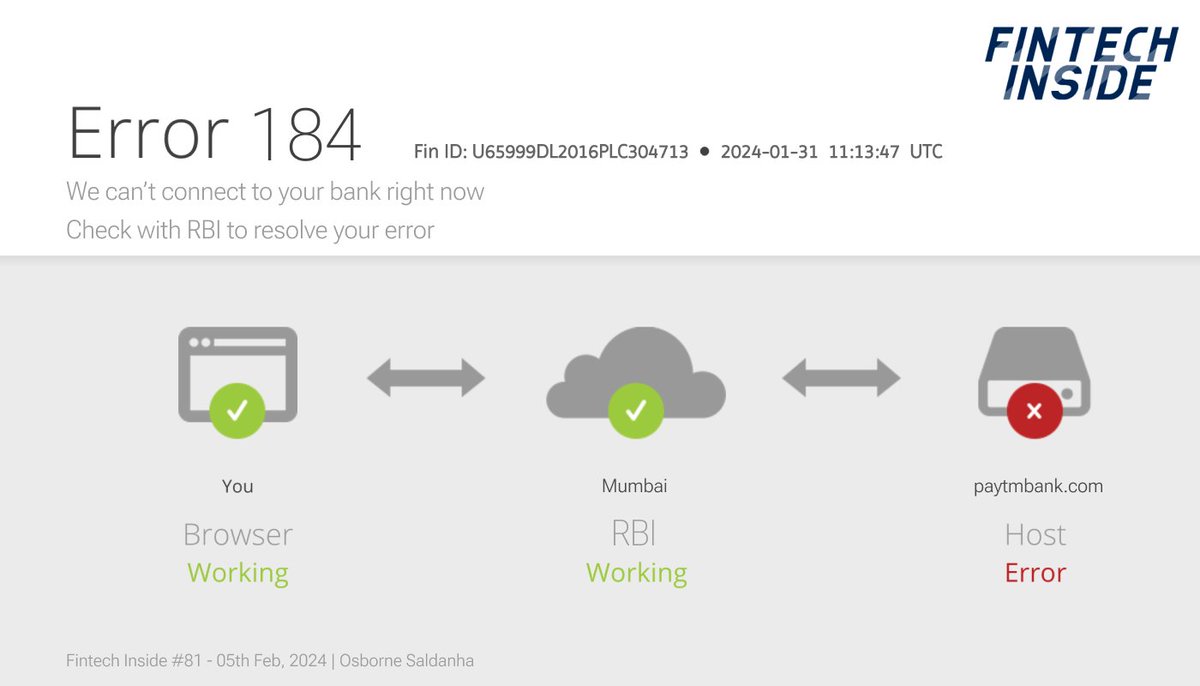
Edition #81 of Fintech Inside is out now! Last week, RBI announced taking action against Paytm Payment Bank. This action is precedent-setting and could have a negative impact on the broader fintech ecosystem. /1
Osborne Saldanha tweet media
English
2
0
4
654
Deepak Shenoy
Deepak Shenoy@deepakshenoy·
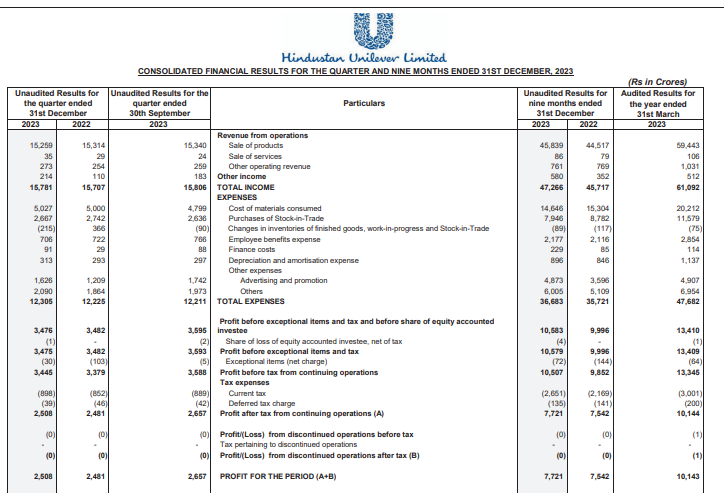
HUL has a 1% increase in earnings for the Dec Quarter. And 0.5% increase in sales. And trades at some 58 times earnings. It's strange how markets work sometimes.
Deepak Shenoy tweet media
English
53
36
531
87.7K
Anand Kalyanaraman
Anand Kalyanaraman@anandg_kalyang·
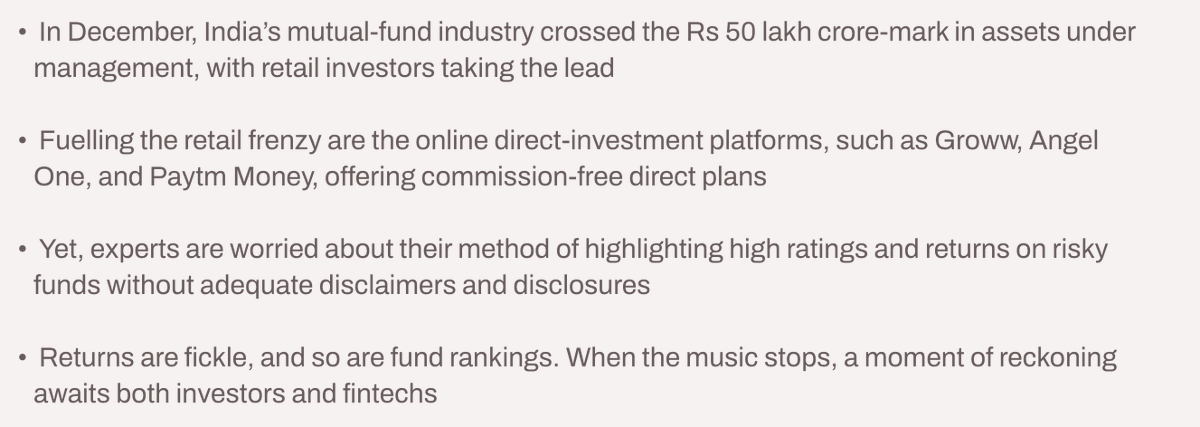
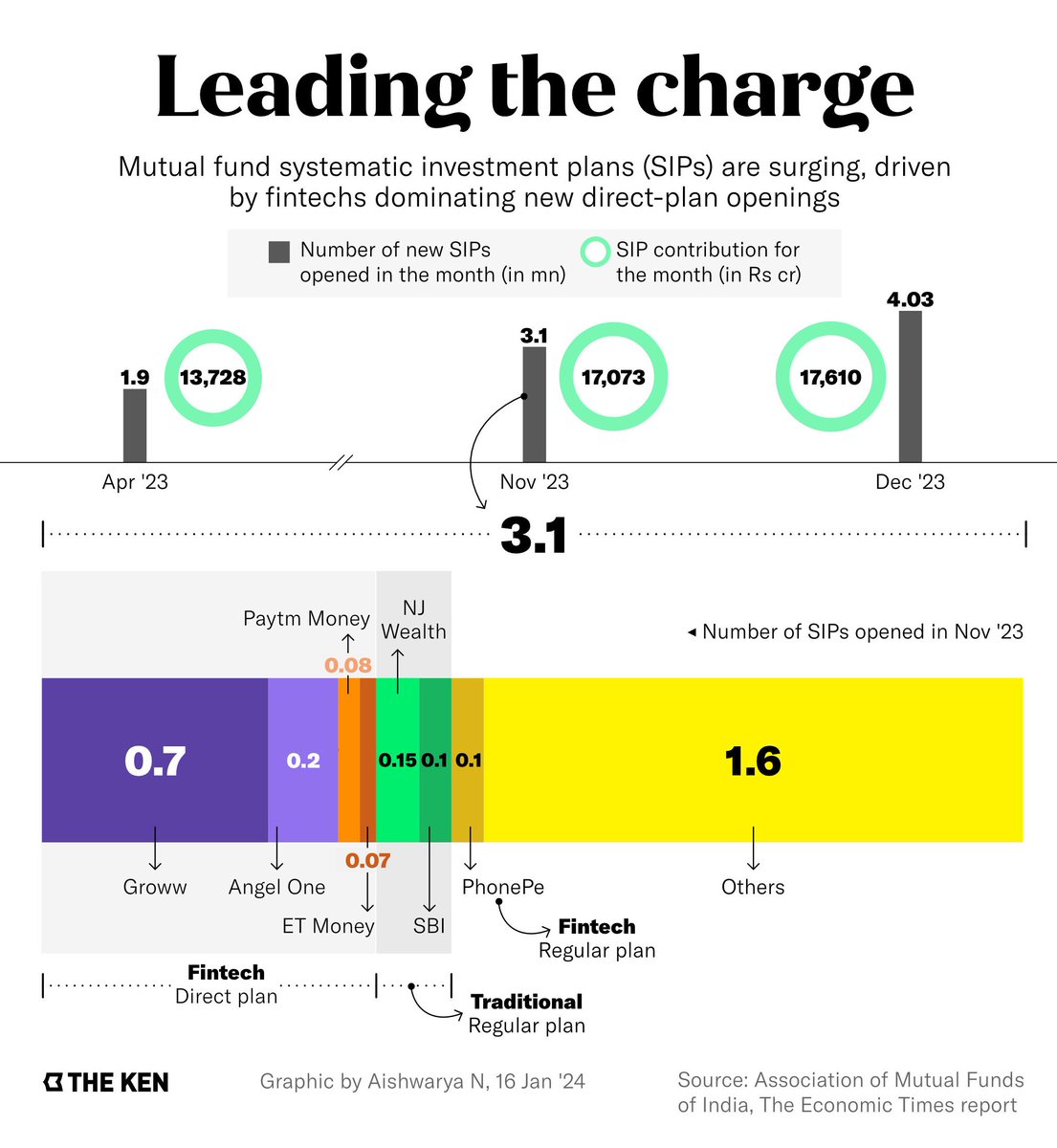
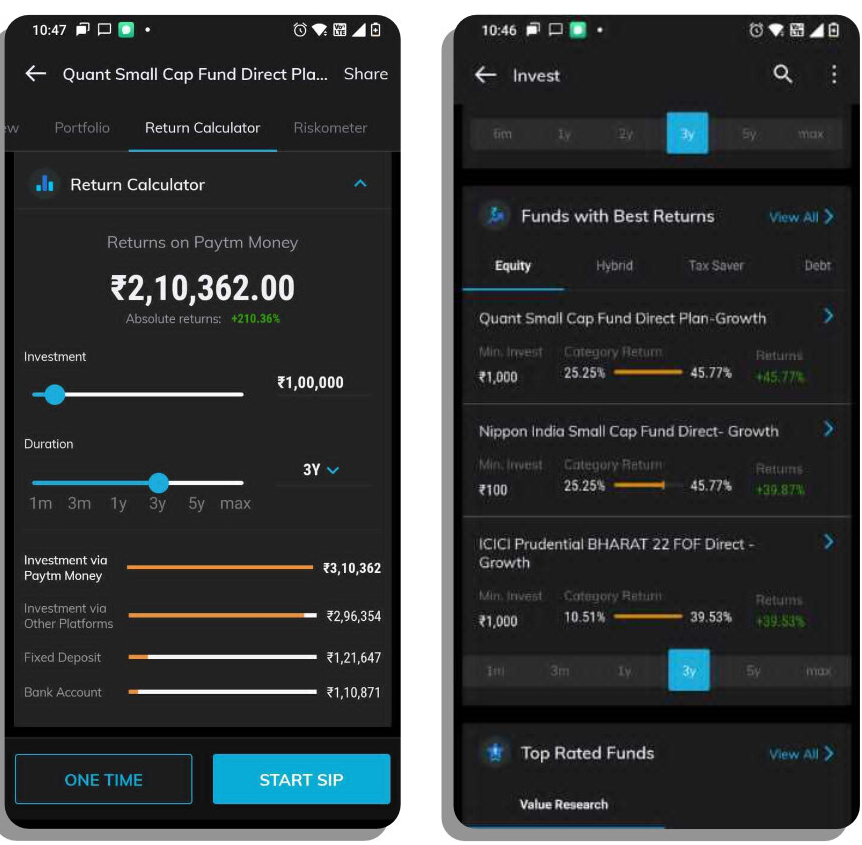
Stock market is fickle-today's crash shows that. So are mutual fund ratings. Yet, retail investors are flocking to direct MF plans on fintechs drawn by star ratings & past returns - shown without risks & disclaimers. It spells trouble, I write @TheKenWeb the-ken.com/story/what-gro…
Anand Kalyanaraman tweet mediaAnand Kalyanaraman tweet mediaAnand Kalyanaraman tweet mediaAnand Kalyanaraman tweet media
English
2
9
16
2.8K
Priyam Saraswat
Priyam Saraswat@priyamsaraswat·
Ray-Ban Meta Glasses have forever changed the way I take photos. I clicked the images below by simply touching my glasses during a casual stroll in the park.
Priyam Saraswat tweet mediaPriyam Saraswat tweet mediaPriyam Saraswat tweet mediaPriyam Saraswat tweet media
English
7
4
104
14.5K
Neil Borate
Neil Borate@ActusDei·
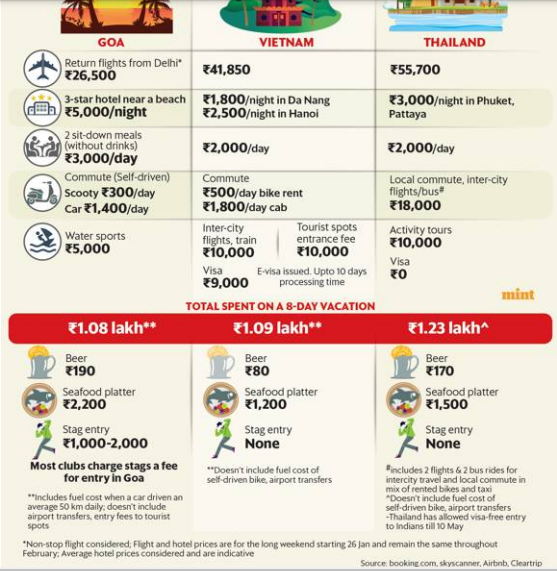
Is Goa burning a hole through your wallet? Hotels in India have become quite expensive. Vietnam & Thailand look similar or cheaper, even after accounting for flight costs. Analysis by @Shiprasorout livemint.com/money/personal…
Neil Borate tweet media
English
116
238
1.4K
286.4K
Murugappan
Murugappan@Murugappan07·
@iam_preethi Seed oils are promoted as healthy for heart in India for more than a decade. You switch on TV and you will find an ad promoting it in 2 min 😀
English
1
0
2
872
Preethi Kasireddy
Preethi Kasireddy@iam_preethi·
Every restaurant / household in India cooks with vegetable oil now. Eating the wrong types of fat (eg. vegetable oils) is as bad (or worse) than eating low protein. Go back to how our ancestors did it. Use ghee, Coconut oil, and Mustard oil. For frying, use groundnut oil.
English
46
27
330
60.7K
Murugappan
Murugappan@Murugappan07·
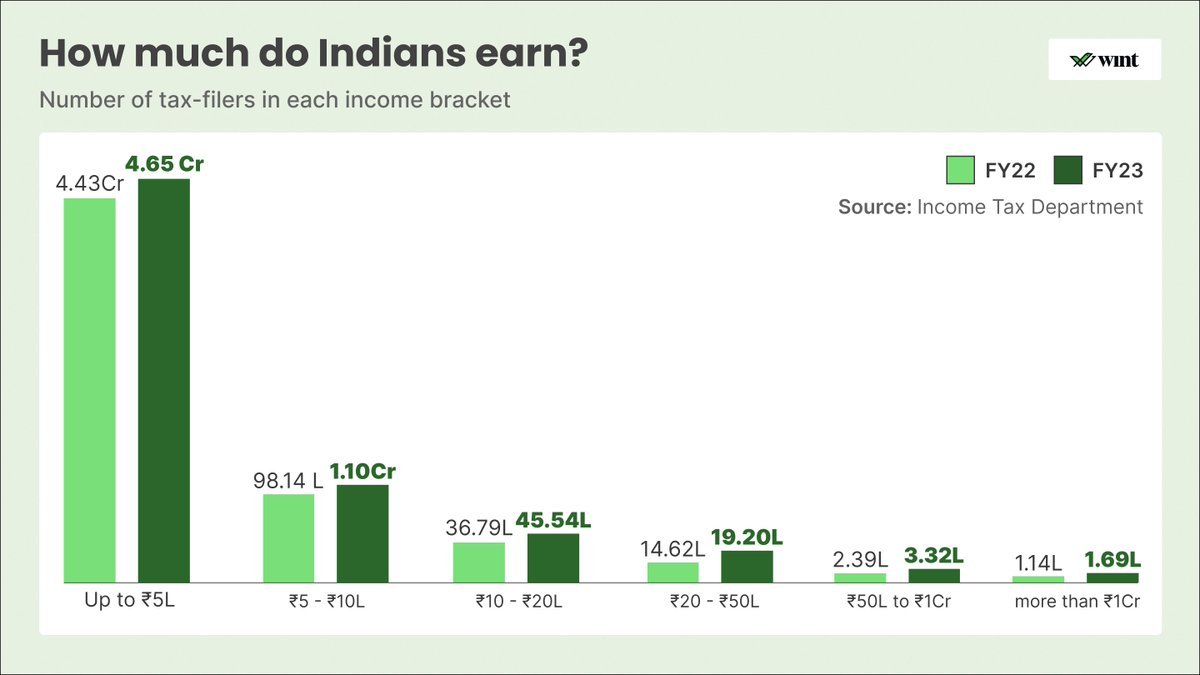
@anuhariharan Overall India - Only 2.5m people in India report income of $25,000 (20L) or more. It is just half million people over $60,000 (50L). This includes people across all sectors. Half million to 45 million in 7 years doesn't look practical. Source here -
Murugappan tweet media
English
1
0
0
192
Murugappan
Murugappan@Murugappan07·
@anuhariharan We already have 10m plus developers. The average salary for a developer in India is $12k per year. @anuhariharan can you point me to the source which mentions $50k to $75k per year? It's highly unlikely even in 2030 😀
English
3
0
8
2K
Anu Hariharan
Anu Hariharan@anuhariharan·
Framework to think about India's opportunity in the next decade Credit to my friend Shantanu Rastogi - (head of GA India) Rather than thinking about average GDP look at how many households in India will make >$50k to $75k/ year by 2030. Our asset is developers. India will have ~15m developers in the next decade making $50k to $75k/year. For every developer household, there is a financial services household and a healthcare household that will also make $50k to $75/year. That equates to ~45m households ( that will make >$60k/year by 2030) In comparison the UK today has 28m households making ~$45k/year. Better housing, better vacations, better healthcare, better access to quality of food, more convenience (@ZeptoNow), better access to investment opportunities (@_groww), more commerce (@Meesho_Official), more payments (@Razorpay), more brands generally (@Chaayos, etc.)
English
46
75
732
187K