nova ⋆.˚ ☾⭒.˚

12K posts

nova ⋆.˚ ☾⭒.˚ banner
nova ⋆.˚ ☾⭒.˚

nova ⋆.˚ ☾⭒.˚

@NOV4CUS

25 ⭑ streamer ⭑ leveling up IRL & in-game 💫 ⭑ 📨 [email protected]
she / her Katılım Ağustos 2017
534 Takip Edilen2.3K Takipçiler
nova ⋆.˚ ☾⭒.˚
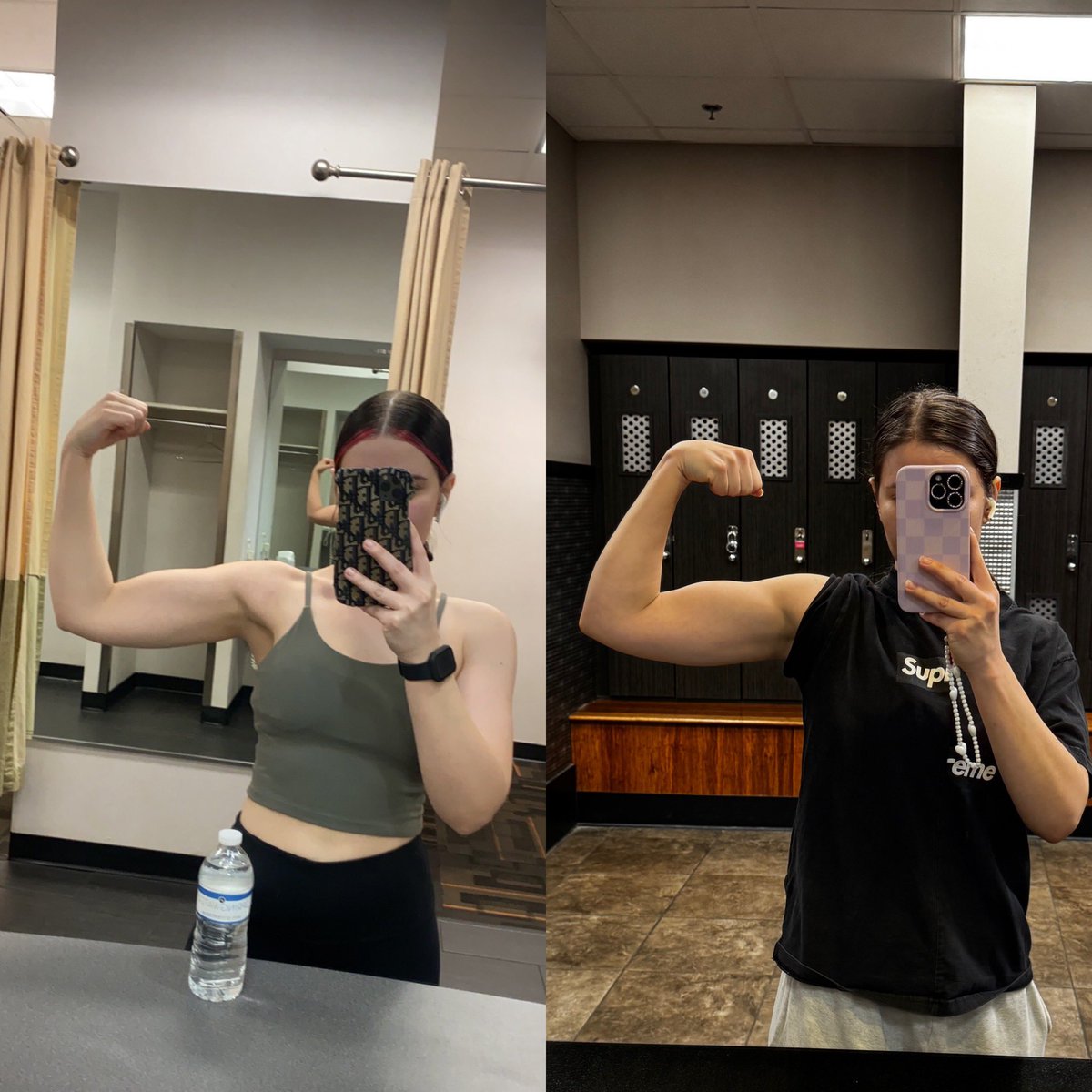
both pics are after 3 months of consistently working out 3-4x a week what's the difference this time? 🕵️ ive been drinking 1 gallon of water, hitting my protein goal, and having a consistent sleep schedule. always choose yourself 🤍
nova ⋆.˚ ☾⭒.˚ tweet media
English
12
0
51
1.9K
eli
eli@normalnchill·
@NOV4CUS Can u punch me in the mouth
English
1
0
1
35
DOKH0
DOKH0@DOKH0CS·
@NOV4CUS More like 3 months of thinking you're working out
GIF
English
1
0
0
31
jozh
jozh@jozh65274982·
@NOV4CUS W you learned to flex
English
1
0
1
49
Humane Healthcare for All
Humane Healthcare for All@LighthouseDPC·
@aakashgupta Liar. Doctors have been replaced by Nurse Practitioners and Physicians Assistants. A Sentara Hospital here even has Nurse Practitioners running the ICU. 60% of Riverside Cardiology Staff are Nurse Practitioners. We told you this was going to happen. NO ONE LISTENED!!!
English
6
2
27
1.9K
Aakash Gupta
Aakash Gupta@aakashgupta·
Hospitals kill between 250,000 and 400,000 Americans per year through preventable medical errors. That makes “your doctor’s mistake” the third leading cause of death in the United States, behind only cancer and heart disease. Everyone reads advice like “stay with your loved one in the hospital” as a family values tip. The actual reason is darker. A board-certified physician is publicly admitting the system he operates in has enough failure points that an untrained person sitting in a chair provides a meaningful safety layer. The math explains why. A landmark Penn study tracked 170,000+ surgeries across 168 hospitals. Each additional patient added to a nurse’s workload raised the odds of dying within 30 days by 7%. Staffing ratios across US hospitals range from 4.3 to 10.5 patients per nurse. That means one hospital gives your family member 2.4x less nursing attention than the hospital down the street, and you have zero way of knowing which one you walked into. So what does a family member in the room actually do? They catch the wrong medication bag. They notice breathing changes at 2am when the nurse is covering nine other beds. They flag a deteriorating condition 6 hours before anyone on staff would have checked. They function as an unpaid, around-the-clock monitor compensating for a staffing model designed around reimbursement rates, not patient survival. When a physician says “be cordial with staff but watch everything like a hawk,” he’s describing a system where the margin between good outcome and catastrophe is one missed check during a shift change. Hospitals don’t optimize for your family member’s recovery. They optimize for throughput. 700 people die from preventable hospital errors every single day. Your presence in that room isn’t emotional support. It’s a rounding error in a broken staffing equation that nobody has the budget to fix.
Suneel Dhand MD@DrSuneelDhand

Never leave your loved one alone in the hospital. Every hour you are allowed to be there, if you are able to, I highly recommend being there. Be perfectly cordial with staff. But watch over everything like a hawk. Trust me on this.

English
242
2.5K
9.8K
682K
Astute
Astute@BBvoided·
@Moonkiller17 If you spend time looking at the labels, they will literally tell you what is supposed to be refrigerated after opening and what is okay to leave in a cool dry space in a cabinet. It's really no reason to guess or go off old ways. It's literally on the label
English
1
0
1
55
MANNY MOON 🌙
MANNY MOON 🌙@Moonkiller17·
I’m coming on here to say that your condiments should go IN THE FRIDGE. Your bbq sauce, hot sauce, AND KETCHUP.
English
28
38
271
17.6K
𝚃𝚑𝚒𝚌𝚌 𝙲𝚑𝚞𝚗𝚐𝚞𝚜 🍄
Trying to psyop myself into enjoying yogurt (I don’t like yogurt) because 3/4 cup of oikos triple zero yogurt + 1/2 cup of my protein granola (and some berries) is 32 G’s of protein and that’s just such a cheap quick easy breakfast/snack and I need to grow up and eat yogurt
English
12
0
59
4.8K
yuki
yuki@staticdots·
@NOV4CUS YIPPIEEEE HAPPY FOR U NOVA
English
1
0
2
109
Eikuld
Eikuld@Eikuld·
@morrisseyenjoyr Cant never tell if Im doing it right. Sometimes I feel it. Sometimes I dont. If I progress overload my form becomes noticeably sloppy so I lower weight, noticeably sloppy once more so I drop even more weight. Endless cycle for me. Been thinking to cable deadlift Ive been hearing
English
2
0
45
10.1K
morrissey enjoyer
morrissey enjoyer@morrisseyenjoyr·
i used to think bulgarian split squats were just BBL influencer propaganda but they really do work
English
31
159
9.1K
378.2K
Slime
Slime@SlimeStBets·
@HealthyAlfred Okay yes, I agree this could be plausible. But do you explain how humans were able to exist for so long without the dental care we have now.
English
9
0
11
16.1K
Alfred 🏄🏻‍♀️
Alfred 🏄🏻‍♀️@HealthyAlfred·
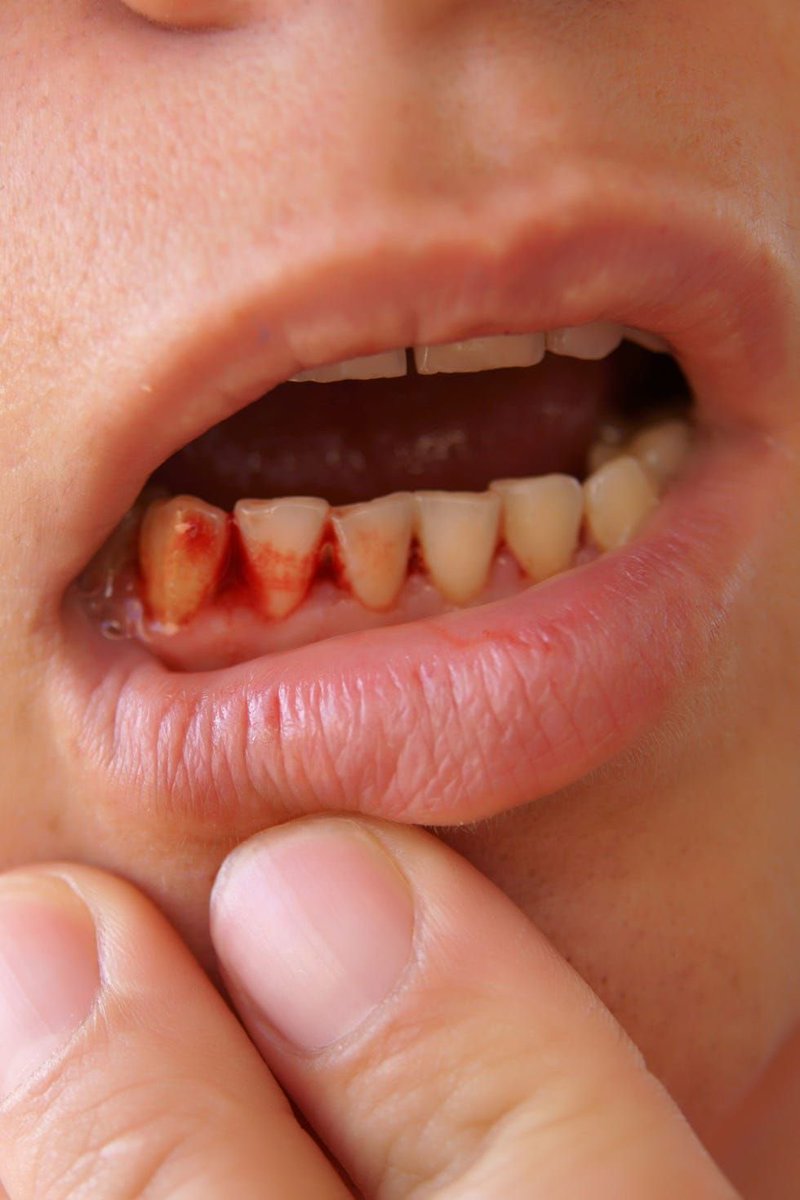
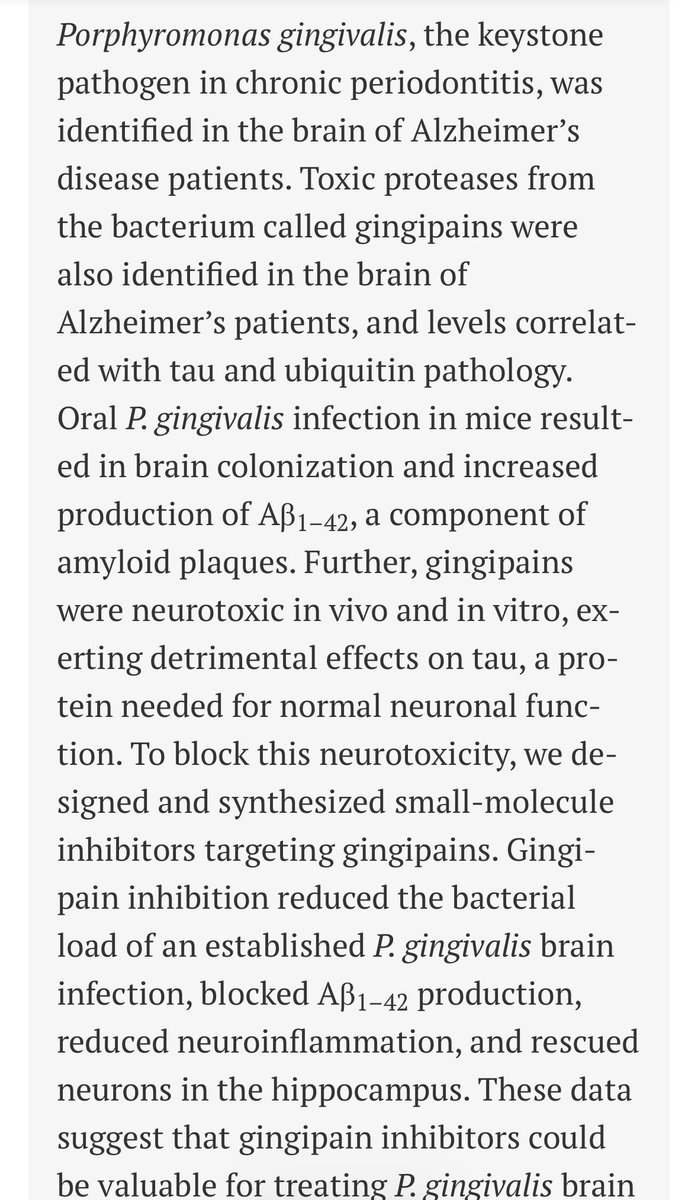
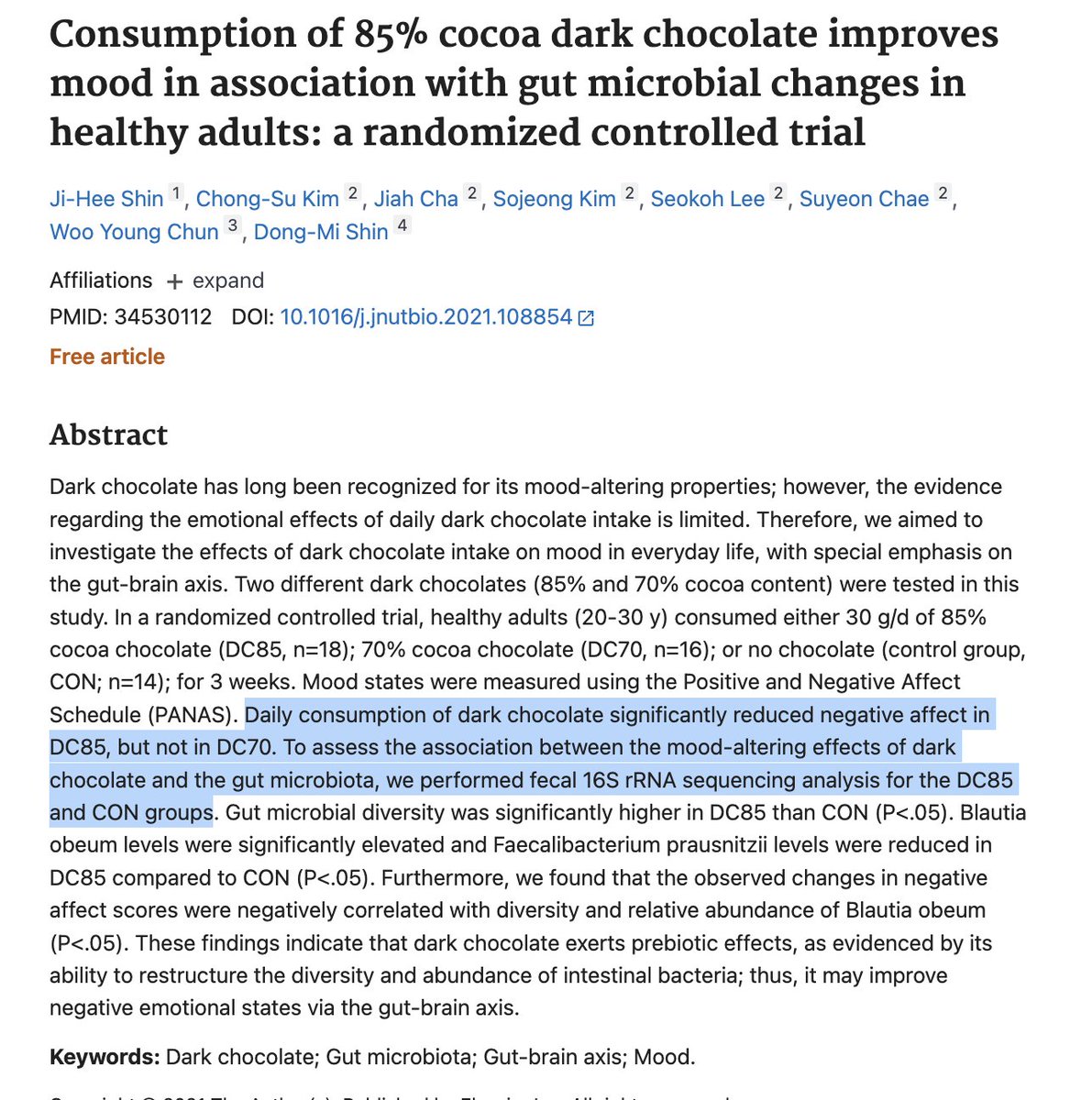
The bacteria bleeding from your gums is colonizing your brain right now. They found it in Alzheimer’s patients’ brain tissue - the exact same bacteria from gum disease. P. gingivalis (the bacteria causing bleeding gums) was identified in the brains of Alzheimer’s patients. Not just “present” - actively colonizing brain tissue and producing toxic proteins (gingipains) that correlated with tau pathology and amyloid plaque formation. Study on mice: Oral P. gingivalis infection → brain colonization → increased amyloid production (the plaques destroying Alzheimer’s patients’ brains). This isn’t correlation. They found the bacteria FROM YOUR GUMS physically inside brain tissue. The mechanism: Bleeding gums = open wound → bacteria enter bloodstream → travel to brain → colonize tissue → produce gingipains (neurotoxic) → trigger amyloid plaque formation → neuroinflammation → Alzheimer’s pathology develops Cardiovascular disease study: P. gingivalis also found in atherosclerotic plaques (arterial blockages causing heart attacks). Stroke study: Periodontal disease + dental caries increased stroke risk by 86-158%. Your bleeding gums aren’t just a dental problem. They’re a bacterial highway to your brain and arteries. 50% of adults over 30 have gum disease (P. gingivalis infection). Most don’t know until bacteria already spread systemically. Mastic gum kills P. gingivalis before it enters your bloodstream. Study: 1 gram daily mastic gum: → P. gingivalis: suppressed → Gingival bleeding: significantly reduced → Gum inflammation: decreased My gums bled every time I brushed. Started mastic gum 1g daily. Week 3: Bleeding stopped completely. Dentist asked what changed - gums went from inflamed to healthy in one visit. The bacteria causing Alzheimer’s and heart disease lives in your mouth. Every time your gums bleed, you’re letting it spread. 1 gram daily. Kills bacteria before it colonizes your brain.
Alfred 🏄🏻‍♀️ tweet mediaAlfred 🏄🏻‍♀️ tweet media
English
246
1.7K
18.5K
2.1M
Alinka 🦋
Alinka 🦋@Poddubitskaya07·
@dannycharts @HealthyAlfred I'm getting treatment for gingivitis, my teeth look perfect but my gums are bleeding everyday....Im worried that fhe bacteria has gone into my bloodstream and into my brain. I'm scared that i'll get alzheimers
GIF
English
4
0
26
4.1K
Falco
Falco@TheFalcoEffect·
@AlpacaAurelius Gut microbiome doing the heavy lifting again. Honestly at this point the gut is running more decisions than people think.
English
1
1
49
2.6K
nova ⋆.˚ ☾⭒.˚
nova ⋆.˚ ☾⭒.˚@NOV4CUS·
@Zargisan your body cant rest & repair bc its too busy digesting that big meal. also breathing properly during sleep is super important!!
English
0
0
2
27
Michael
Michael@Zargisan·
@MNAB_Not_A_Bot @ChrisWillx This is probably another issue. I do OMAD and it’s about 2 hours before bed. Really it’s just mornings that are hard. I feel great once I’m actually going, but it takes me several hours to get there. Sometimes I don’t start hitting my stride until around 2:00pm.
English
2
0
0
874
Chris Williamson
Chris Williamson@ChrisWillx·
You don’t perform on 6 hours sleep. One of the most important sleep studies ever ran a brutally simple test. People slept 4h, 6h, or 8h per night for 14 days. No all-nighters. Just “normal” short sleep. Cognitive performance was tested every two hours. By day 14: 6 hours = same impairment as being awake for 24 hours. 4 hours = same as 48 hours awake. But here’s the scary part – after day 3–4, people stopped feeling more tired. Reaction times kept slowing, attention lapses kept increasing, working memory kept degrading. But subjective sleepiness flatlined. Your brain keeps getting worse, your ability to notice it breaks. This is why chronic undersleeping feels sustainable – you adapt to feeling tired but you do not adapt to being cognitively impaired. The participants would’ve told you they felt “okay”. Objectively, they were functioning like they’d pulled an all-nighter. If you’re sleeping 6 hours and think you’re fine, you’ve probably lost calibration. Sleep need is biological. Most adults need 7–9 hours. “I only need 6” usually means “I forgot what normal feels like.” Feeling fine is not evidence you’re functioning well. Chronic sleep loss doesn’t just impair your brain – it blinds you to the impairment. — h/t @aakashgupta
English
405
569
7.7K
868.2K