Netfa Freeman retweetledi
Netfa Freeman
8K posts

Netfa Freeman
@Netfafree
Servant of the movement to build individual will to sacrifice for the collective good. Pan-Africanism and 🌍Int'l human rights.
Washington, DC Katılım Mayıs 2012
468 Takip Edilen3.7K Takipçiler
Netfa Freeman retweetledi

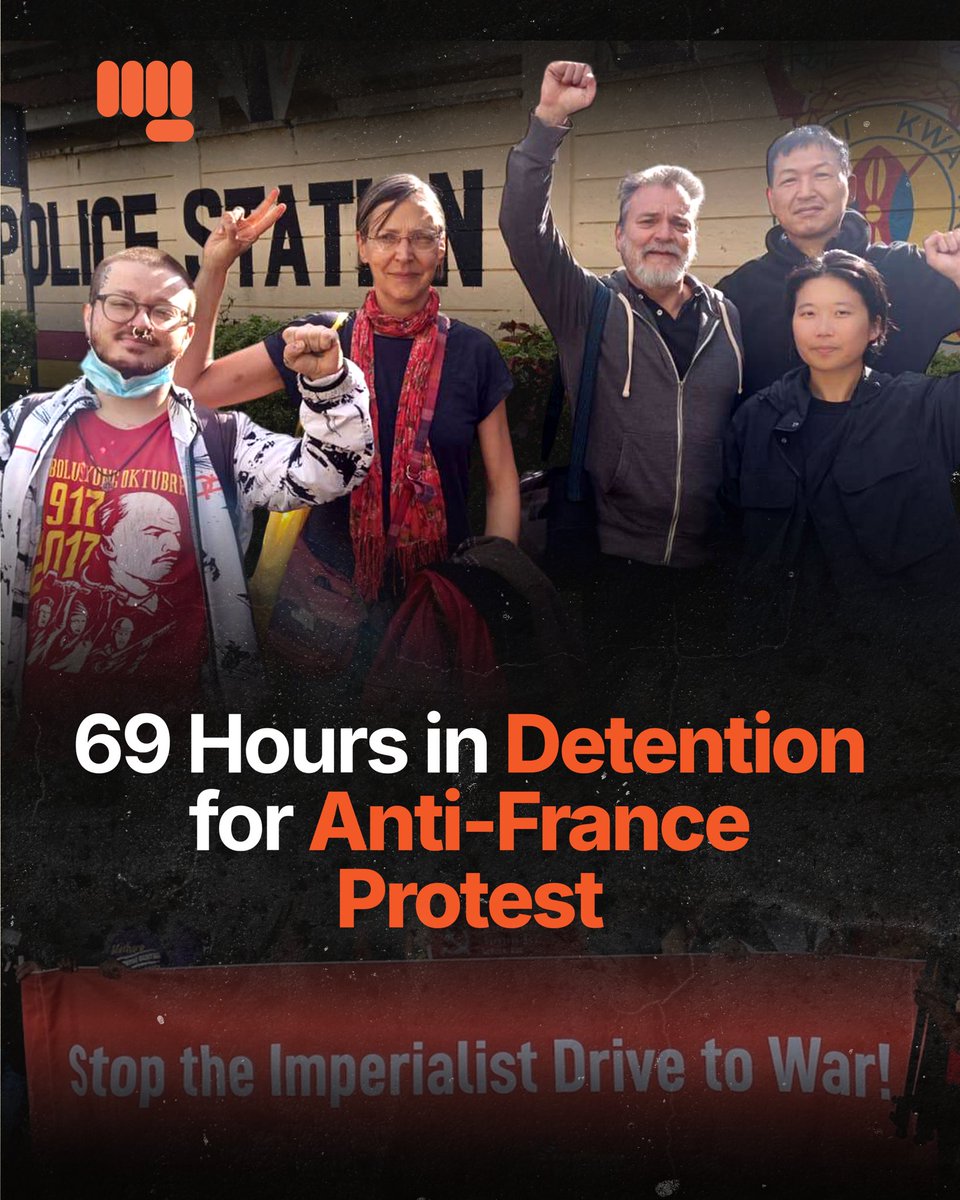
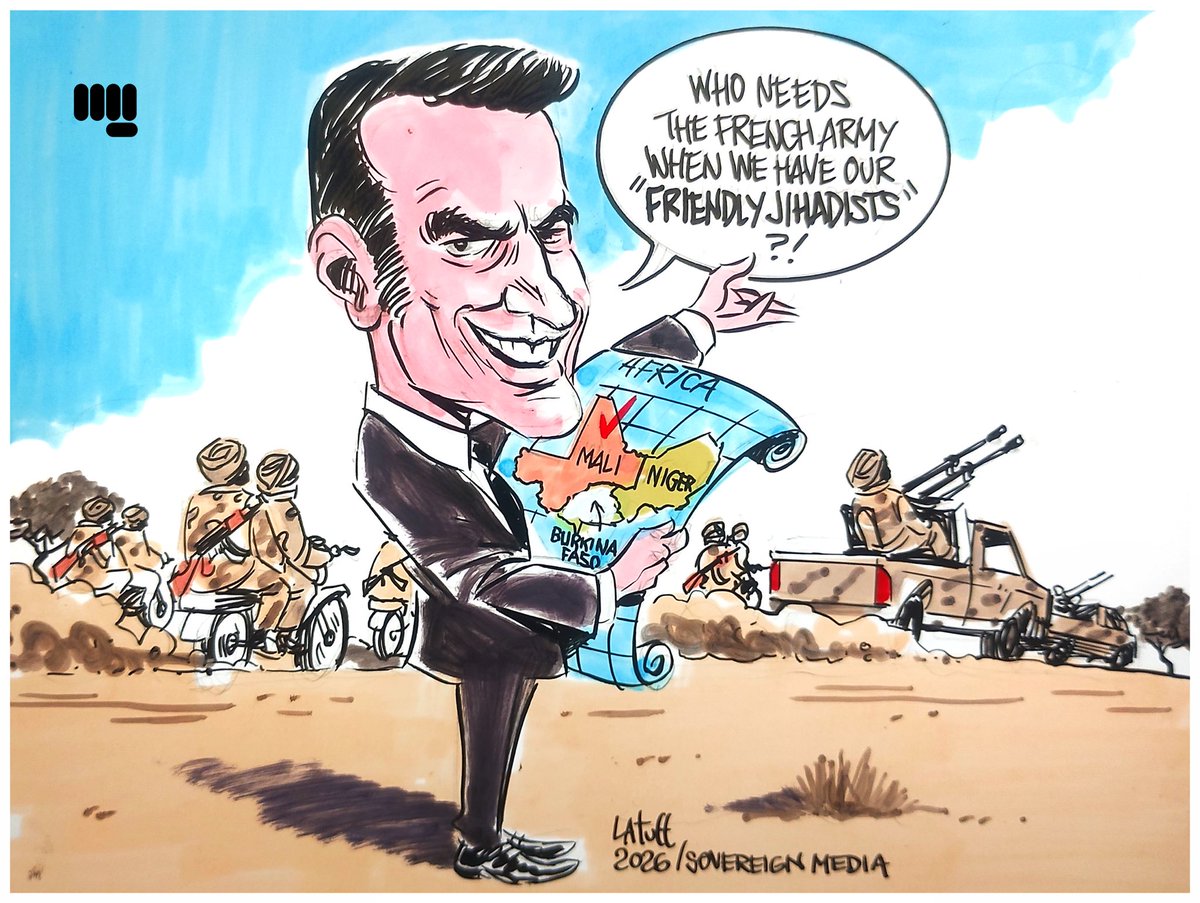
After three days of illegal detention, five anti-imperialist activists—Joti Brar, Lee Sang-hun, Song Dan-bi, Dimitris Patelis, and a French national—have been released without charges. The arrests occurred on May 12 during protests against the Africa Forward Summit in Nairobi; a gathering co-hosted by Emmanuel Macron and President William Ruto that Pan-Africanists have condemned as "a rebranded offensive of imperialist neocolonisation".
Police fired teargas and discharged shots into the air to disperse the protesters, who chanted "France Out of Africa" outside the Kenyatta International Convention Centre. The arrests coincided with Macron’s televised claim that anti-French sentiment in Africa is manufactured by Russian disinformation—a narrative contradicted by the presence of activists from Britain, South Korea, and Greece who gathered under the banner of the “Pan-Africanism Summit Against Imperialism (PASAI).”
The PASAI counter-summit, held simultaneously, rejected what it called "the new barracks of colonial domination" and issued the Nairobi Declaration from Below, demanding reparative justice, debt cancellation, and the dismantling of the CFA franc—a colonial-era currency system that still forces 14 African nations to deposit half their foreign reserves in the French treasury.
The releases were celebrated by global anti-imperialist activists, who saw them as a rejection of France’s attempt to rebrand its influence in East Africa after it was expelled from Mali, Burkina Faso, and Niger.

English
Netfa Freeman retweetledi

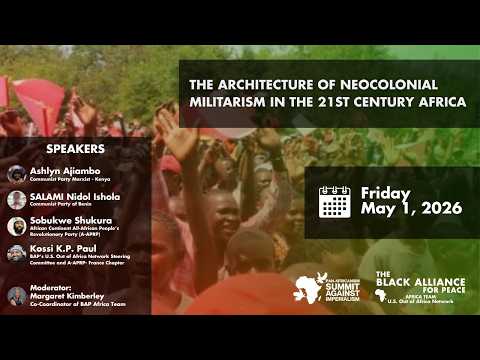
"Kenya is the gateway of recolonizing East Africa through French imperialism. The France-Africa summit in Nairobi is the diplomatic mask for this military consolidation." — Ajiambo Ashlyn, Communist Party Marxist Kenya
watch the full webinar: youtu.be/dEyfKyFEyO4

YouTube
English
Netfa Freeman retweetledi

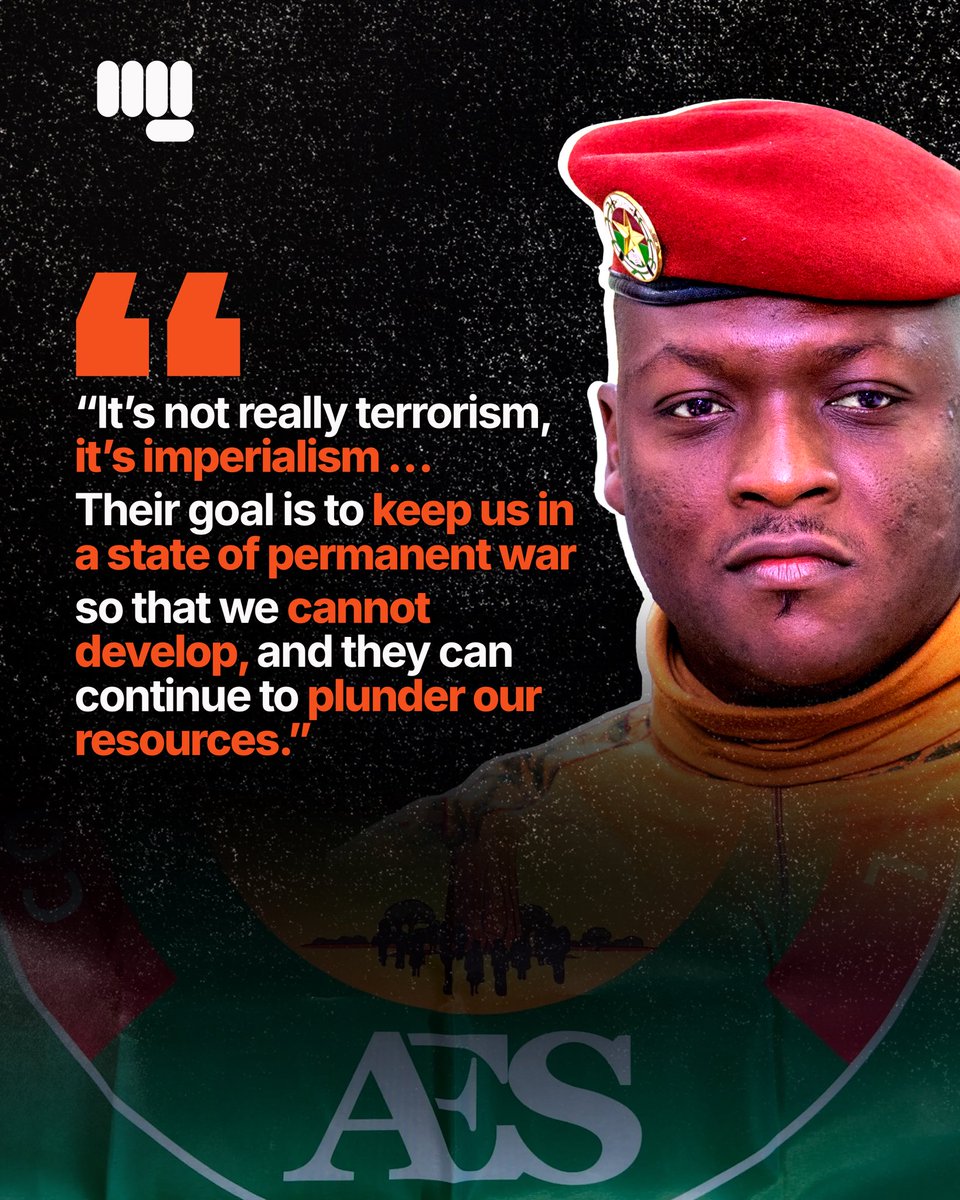
Before the coordinated assaults on Malian cities on 26 April, which later claimed the life of Defence Minister Sadio Camara, Burkinabè President Ibrahim Traoré had already issued a stark statement on the Sahel’s security crisis.
In a May 2025 interview, Traoré was asked about the motivation behind terrorism, where he replied, “It’s not really terrorism, it’s imperialism,” and continued, "Their goal is to keep us in a state of permanent war so that we cannot develop and they can continue to plunder our resources.” Traoré’s conclusion that the "terrorism we are witnessing today comes from imperialism" paints an important picture of the larger dynamics that are behind events like what has recently transpired in Mali.
African analysts argue that the sophistication of the 26 April attack in Mali confirms this view. The simultaneous strikes on Kidal, Gao, and Bamako required a level of coordination and logistics that fragmented militant groups alone could not provide. This has led to accusations that "Western powers through their operational proxy, Ukraine," are orchestrating a "hybrid war" to destabilise the Alliance of Sahel States (AES).
The framing of the conflict by Western media and certain NGOs draws sharp criticism from local voices on the continent. They accuse these outlets of "psychological warfare" by amplifying rebel claims and acting as a "tactical support unit" for the attackers. Instead of acknowledging a sovereign fight against neo-colonial plunder, Western institutions are equating the AES to the terrorist groups such as JNIM, in order to undermine the legitimate AES governments.
As the AES confederation stands by Mali, for Traoré, the battlefield is not just about territory; it is a definitive struggle against foreign interests seeking to recolonise the region by proxy.

English
Netfa Freeman retweetledi

THE BOOK THAT TERRIFIED THE UNITED STATES
Kwame Nkrumah died on this day in 1972. He passed away from prostate cancer while living in exile in Guinea, after being overthrown in a 1966 military coup.
Ghana’s first president had become a major threat to Western interests. Declassified documents show the CIA had foreknowledge of the coup and was supportive of efforts to remove him. For many pan-Africanists, this confirmed what they long argued: Nkrumah’s removal was not simply about internal opposition, but about dismantling a project of genuine African sovereignty that clashed with US strategic interests.
The catalyst was Nkrumah's 1965 book, 'Neo-Colonialism: The Last Stage of Imperialism'—a masterwork that systematically exposed how multinational corporations, financial institutions, and foreign aid programmes kept formerly colonised nations economically dependent even after formal independence. According to a memo from Robert W. Komer, special assistant for National Security Affairs, to President Lyndon B. Johnson, "Nkrumah was doing more to undermine our interests than any other black African," while the new military regime that replaced him was "almost pathetically pro-Western".
As Pan-African author and professor Milton Allimadi discusses in a video analysis, this book terrified Washington because it laid bare what Nkrumah called the "extended tentacles of the Wall Street octopus"—the consortium of mining companies, banks, intelligence agencies, and foreign aid bodies that ensured African "independence" remained a fiction. The CIA's overthrow preparations intensified immediately after the book's publication.
Today, Nkrumah's legacy finds new expression in the Alliance of Sahel States (AES)—the confederation of Burkina Faso, Mali, and Niger that is once again striking fear into imperialist hearts. The AES has expelled French troops, abandoned the colonial CFA franc, nationalised mining resources, and declared that any attack on one member is an attack on all.
As Nkrumah once warned: "The strength of the imperialist lies in disunity". The AES represents the opposite, and the empire is taking notice.
English
Netfa Freeman retweetledi

Many observers are asking the same question:
How can groups with fundamentally different ideologies, such as the FLA Tuareg separatists and JNIM Al-Qaeda-affiliated Islamists, carry out coordinated attacks across a vast country like Mali at the same time without external backing?
For context, these attacks occurred in Kidal in the north-east and near Bamako in the south-west, spanning a country roughly five times the size of the United Kingdom.
Following the assassination of Sadio Camara and a coordinated attack against the Republic of Mali, leaders across the Sahel pointed to a broader pattern.
Ibrahim Traoré described the attacks as “barbaric and inhumane” and stated they were “backed by the enemies of the Sahel liberation struggle.”
Mali has made similar claims previously.
Speaking at a United Nations Security Council briefing in New York in 2022, Foreign Minister Abdoulaye Diop accused France of violating Mali’s airspace and supporting militant groups, allegations that Paris has strongly denied.
He further stated: “There are neighbouring countries that are currently harbouring terrorist groups, supporting terrorist groups…”
He also indicated that Mali could present evidence of “acts of destabilisation waged by France” before the United Nations Security Council. The central question extends beyond the attacks themselves to the broader dynamics shaping the conflict.
@VoxUmmah @venanalysis @qiaocollective
@ProgIntl @KawsachunNews
@OrinocoTribune @blkagendareport
@SoberaniaPod

English

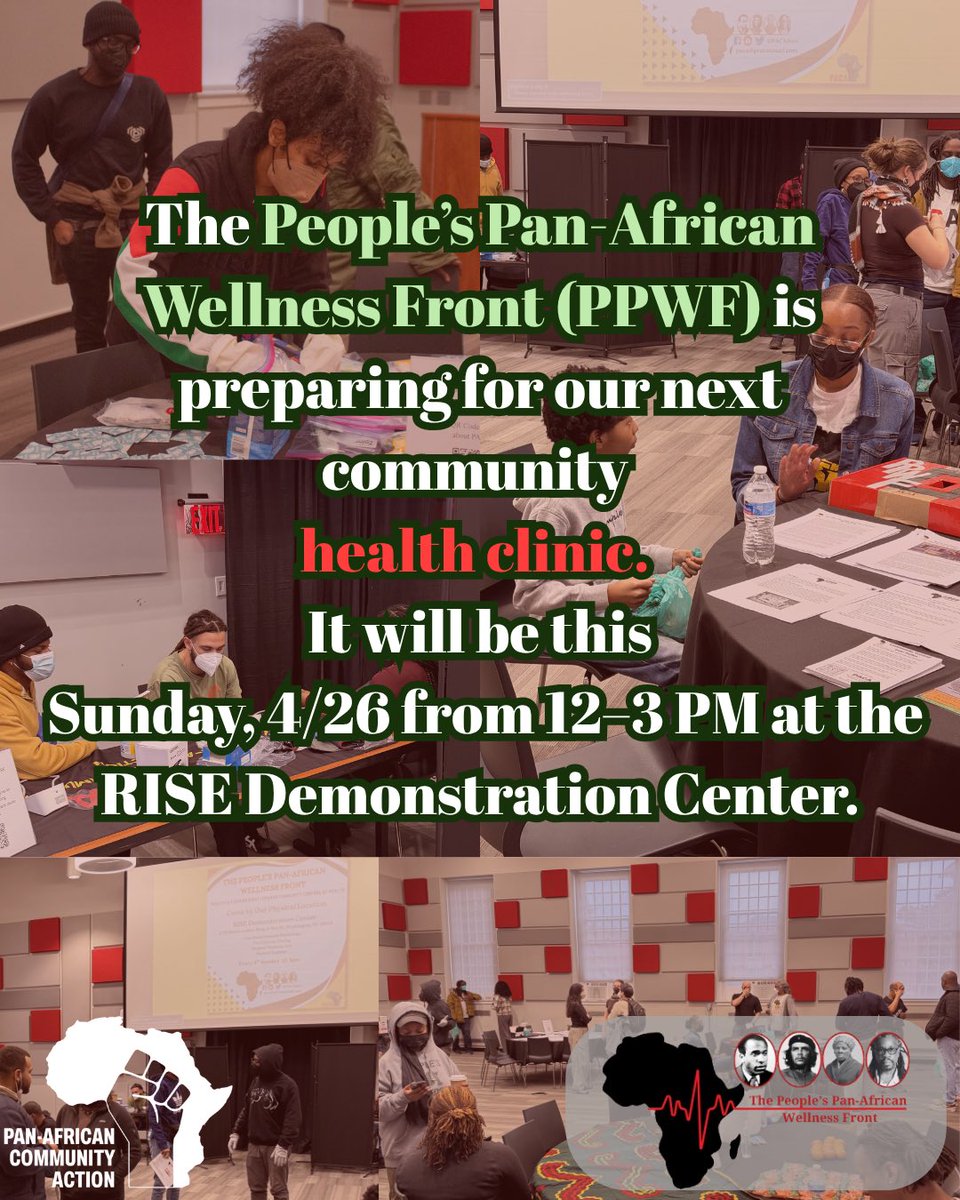
@ajamubaraka Yes! And taking the lessons from our Radical Black Tradition, @PACAdmv is attempting to pick up where our predecessors left off. La luta continuá✊🏿 This was today in SE DC.

English

The petit-bourgeois professional/managerial sector made up of state administrators & super-black NGOish controlled opposition attached to democrat party consistently claim the people are not ready for real alternative socialist politics. But our people have always been ready.
AFRICAN & BLACK HISTORY@AfricanArchives
Member of the Black Panther party explains why they’re opening a clinic in Chicago, 1969.
English
Netfa Freeman retweetledi

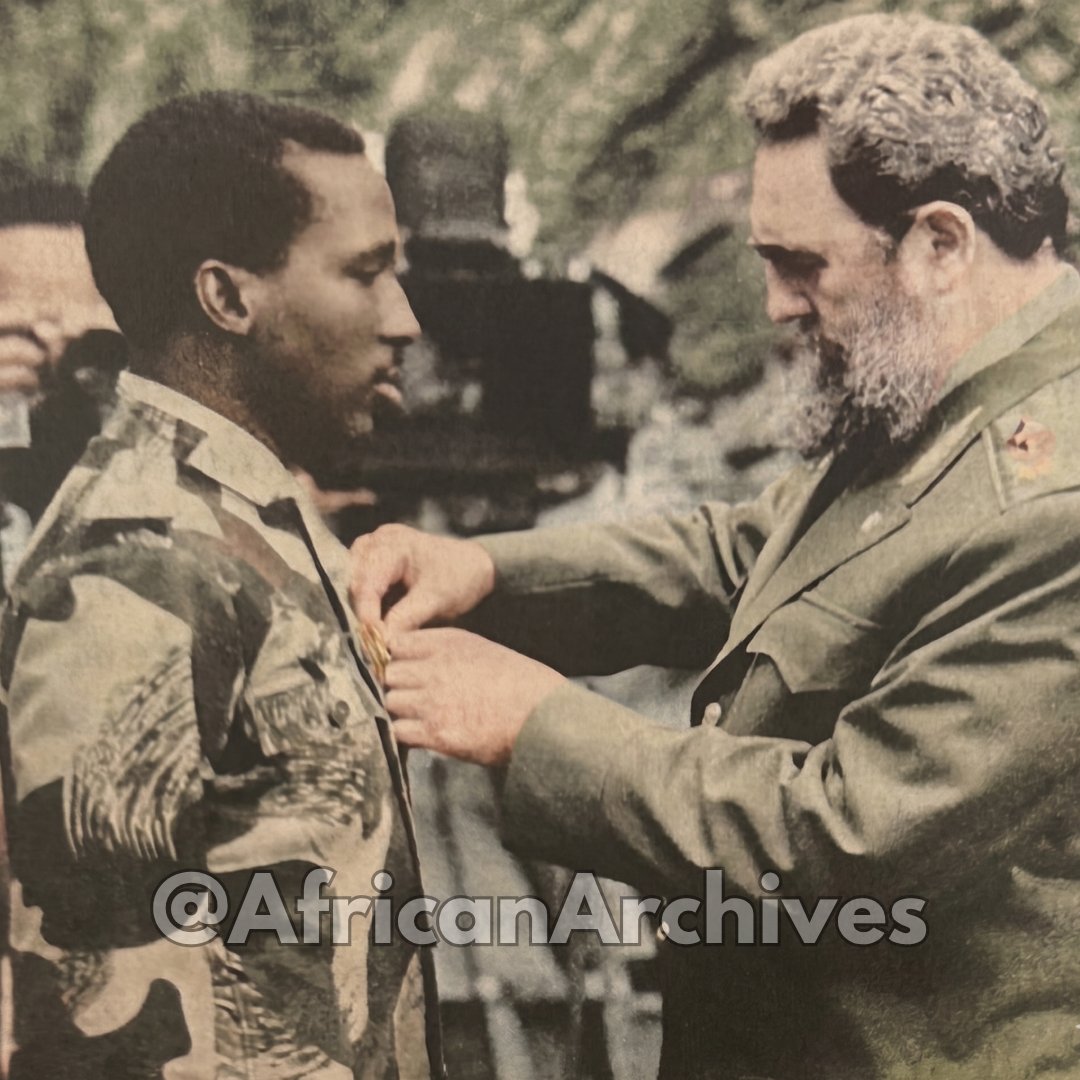
Fidel Castro awarding Thomas Sankara the Order of Jose Marti, 1984.
When Thomas Sankara looked beyond Burkina Faso for inspiration, he did not just see ideology. He saw examples of how a country could assert its independence, invest in its people, and challenge global systems that kept developing nations dependent. Cuba, shaped by its own revolution, became one of those reference points. But the connection between Sankara and Cuba was not only political. It was deeply historical and cultural.
When Sankara visited Cuba, he was awarded the Order of José Martí, one of the country’s highest honors. It reflected a shared vision of sovereignty, dignity, and resistance against exploitation. Cuba recognized in Sankara a leader who was trying to reshape his nation on principles of self reliance, anti imperialism, and social justice.
During that visit, Cuban leader Armando Hart spoke about the historical ties between Cuba and West Africa. He reminded the audience that millions of Africans were taken to the Caribbean through the transatlantic slave trade. Their labor, culture, and resilience became part of the foundation of Cuban society. This history created a connection that went beyond diplomacy. It was a link built through struggle, survival, and cultural continuity.

English
Netfa Freeman retweetledi

France has never been a partner to Africa. France has been a plunderer. It has looted our wealth, dictated our currencies, stationed troops on our soil, and installed regimes that serve foreign interests while our people endure poverty . @pasai2026
peoplesdispatch.org/2026/04/21/the…
English
Netfa Freeman retweetledi

DAY OF ACTION FOR CUBA
The 65th anniversary of the Bay of Pigs victory was marked by a Day of Action for Cuba in over a dozen cities across Canada.
In Toronto, solidarity groups used the day to pressure Ottawa to oppose the U.S. blockade and send urgently needed fuel to the island, which is under increased threat by the United States.
In Woodbridge, donations of food and medicine for Cuba were collected and sorted and we heard about solidarity efforts of the Sri Lankan community.
@camilapress reports
@VoxUmmah @venanalysis @qiaocollective
@ProgIntl @KawsachunNews
@OrinocoTribune @blkagendareport
@SoberaniaPod
English
Netfa Freeman retweetledi

Having just returned home from the international Colloquium Patria in Havana, I highly recommend the views of the Black radical tradition in the U.S. Thank you @RadDesai
@Blacks4Peace @blkagendareport @Netfafree
@freedomrideblog
@RevBlackNetwork
Radhika Desai@RadDesai
Ajamu Baraka and I discuss how, rather than looking for the method in Trump’s madness, we should understand Trump’s actions, as emerging from profound crisis of the US state, people and ruling class. The State of Trump’s Union: youtu.be/fdgr3F1F-mA?si… via @YouTube
English

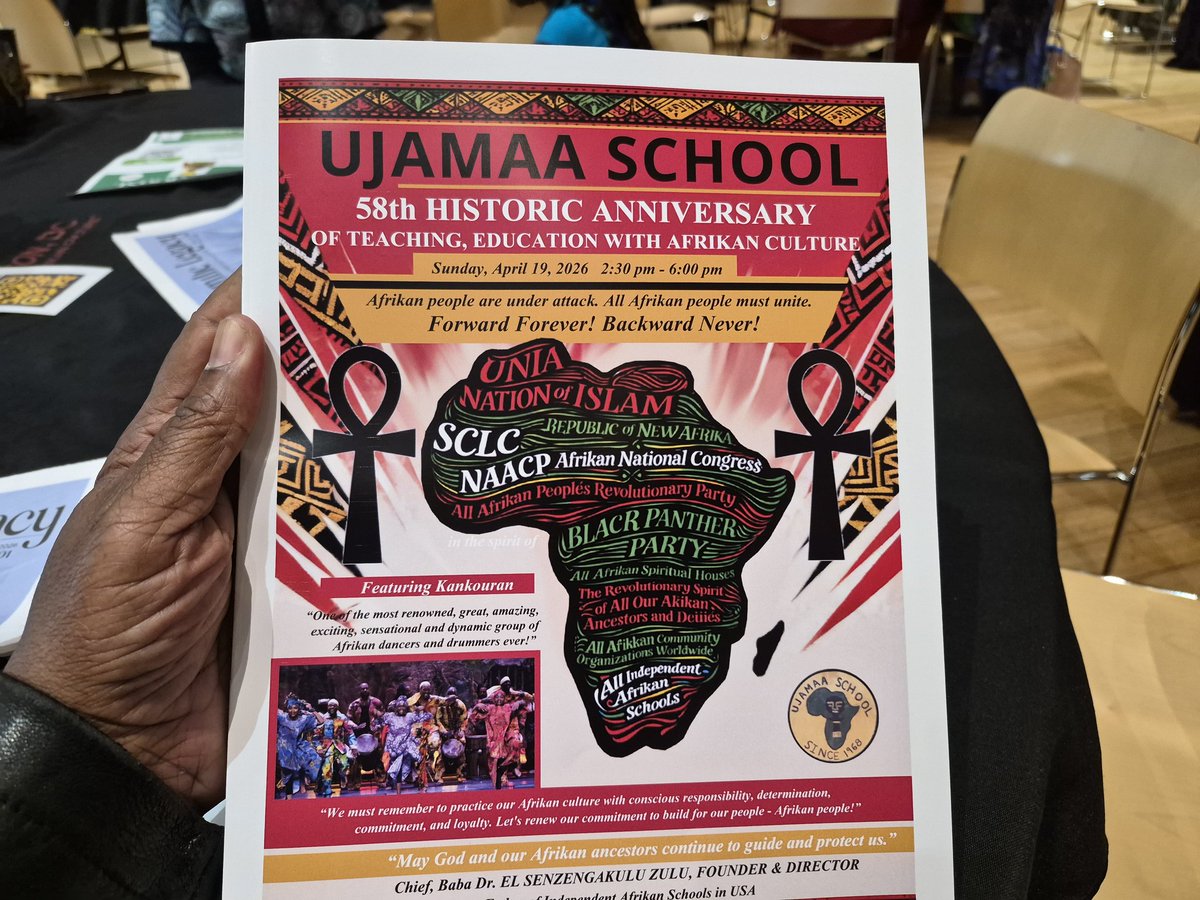
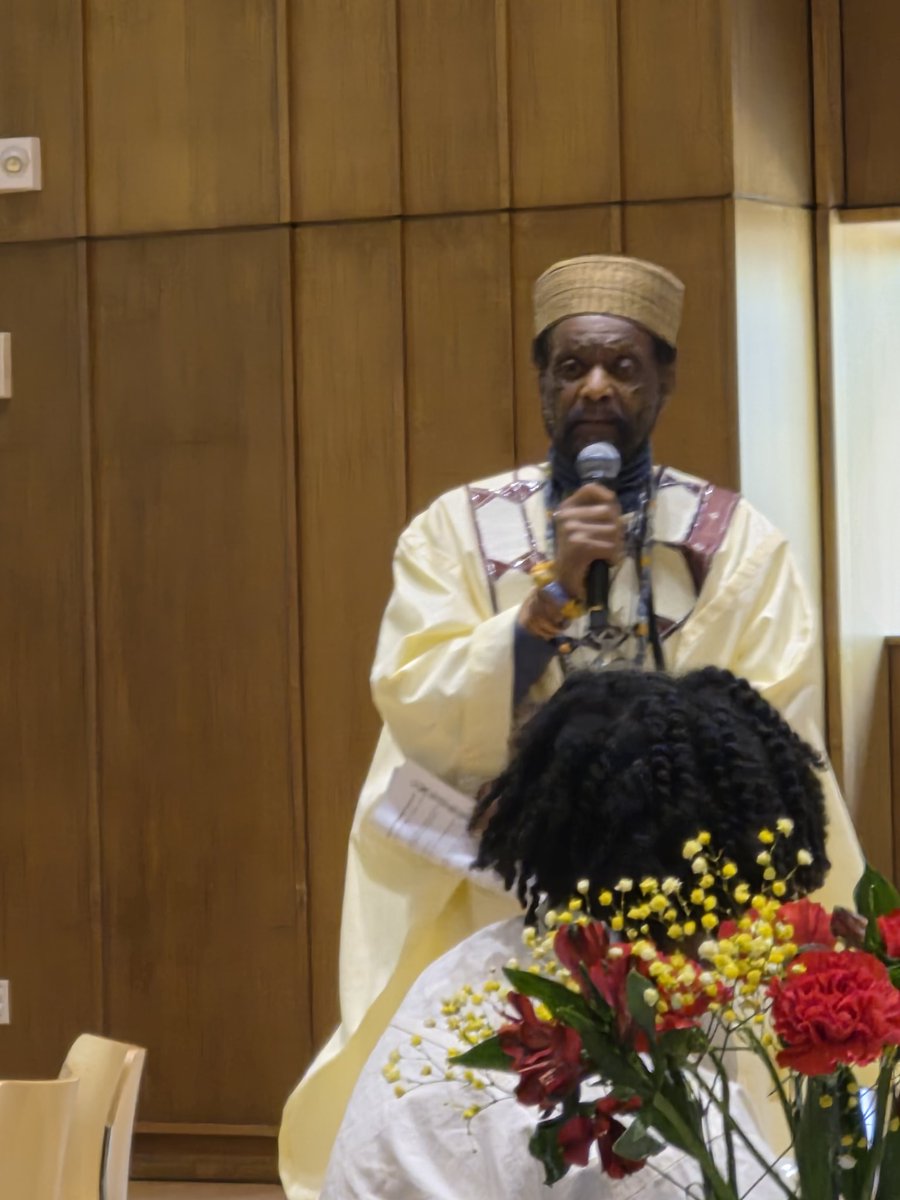
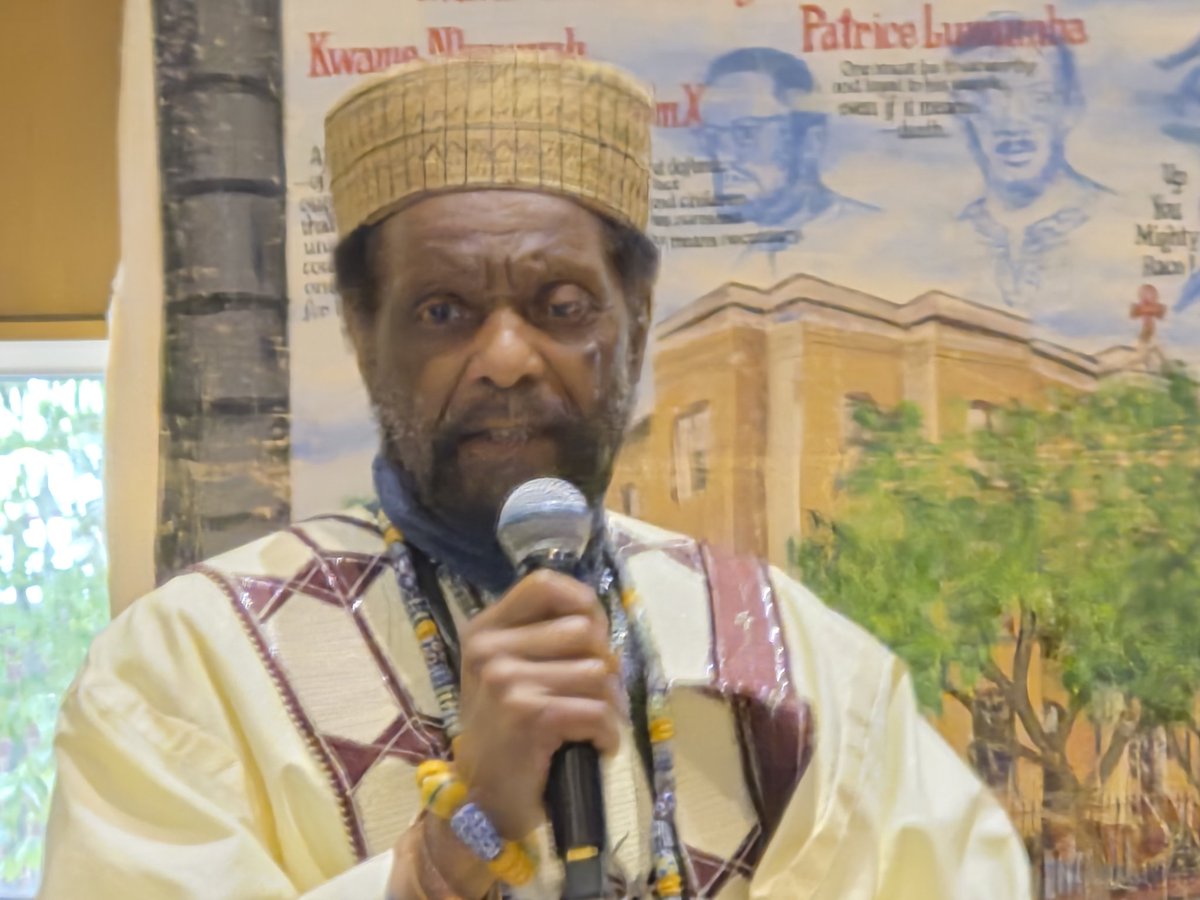
It's a genuine honor to attend the 58th anniversary of #UjamaaShule (aka #UjamaaSchool), the first independence African centered school in the U.S., a product and reflection of the #RadicalBlackTradition.


English