

TeachrTips
629 posts

A SEND tale of two students, students who I imagine every teacher in the country would recognise:
Student A is desperately in need of a SEND diagnosis, and the support that should come with it. Due to the byzantine nature of our system, they are delayed and frustrated at every turn. Whilst some support is available while they wait, the wheels move slowly, and the promised solutions are always just one waiting list away. As a result, their school experience suffers in its entirety.
Student B on the other hand has received a spurious label from somebody at some point which they probably never needed. Expectations are then lowered for them. They are given easier work, and more latitude on their behaviour. "Reasonable" adjustments start to feel pretty unreasonable, but teachers and schools are expected to make them anyway. Ever increasing amounts of school resources - time, money, and energy - are directed towards them.
When it comes to government reform of this system, everything I've seen announced, reported and leaked so far focuses on more and more support. More therapists, more TAs, more money on inclusion and training. All well and good, and in the short term, this will help with student A. Perhaps they will be able to get the help and support they need. Perhaps a streamlined system means they can get their paperwork through faster, and the system can cease to be a source of frustration.
But in the long term, we haven't addressed student B. And as time goes on, there will be more and more student Bs. With less incentive to say "no", we end up continuing the current trend of more and more and more. Allowances and adjustments add up and, in a few year's time, we will be right back in the same place or worse.
Who suffers? Well, both of them. Student A doesn't get the help they need, and Student B leaves the warm, patient and supportive embrace of their school to a much less forgiving Great Big World out there. And, as a system, we fail once again to improve, and make things worse for those who come after.
(this is a reformulation of my earlier post)
English
TeachrTips retweetledi


TeachrTips retweetledi

I put this on here every year, but as Year 6 move into addition and subtraction this week, I can't wait to crack the old cryptarithms out. So much rich discussion and gives you loads of opportunities to model proper problem solving and recording and organisation of ideas.

English
TeachrTips retweetledi
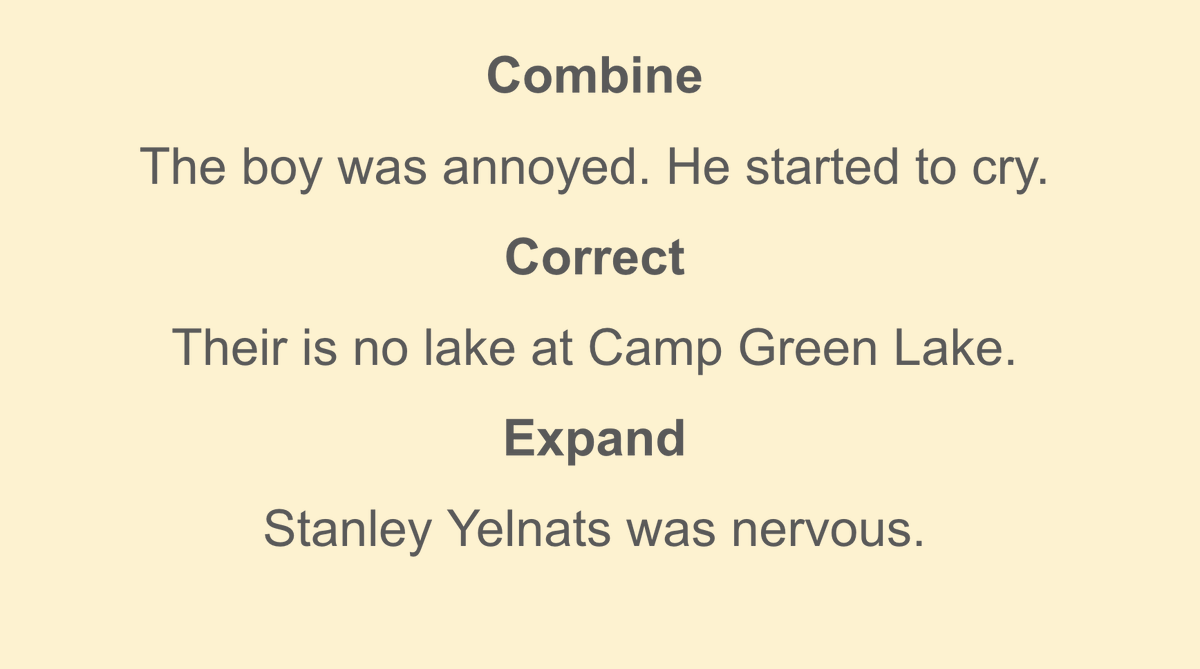
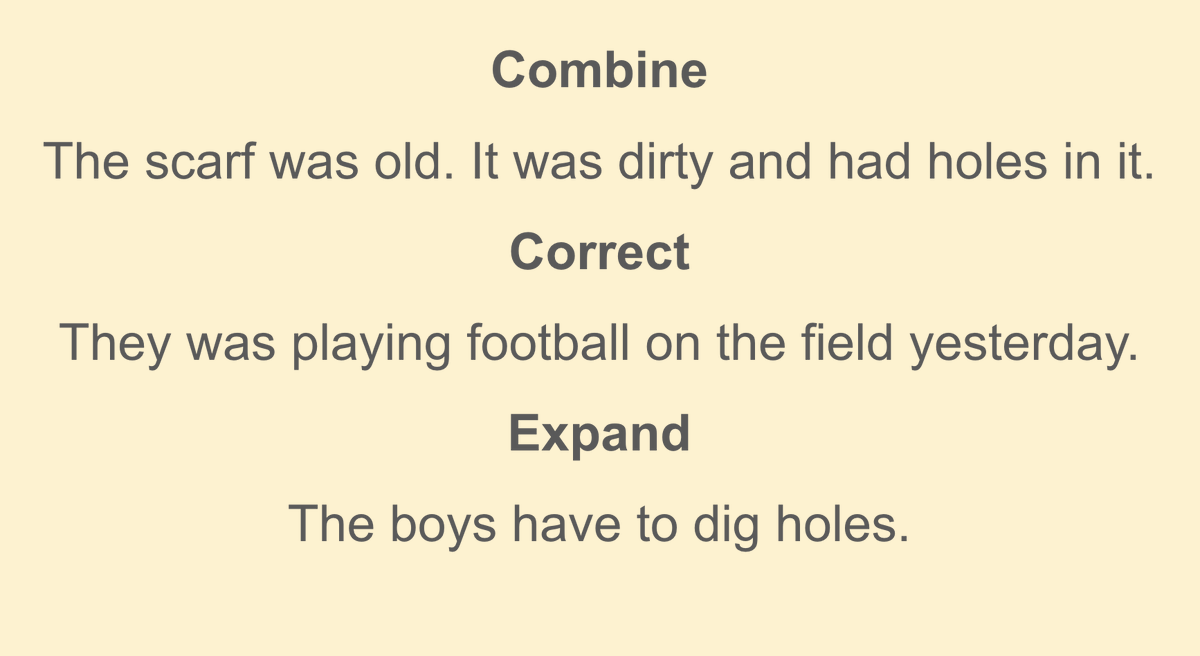
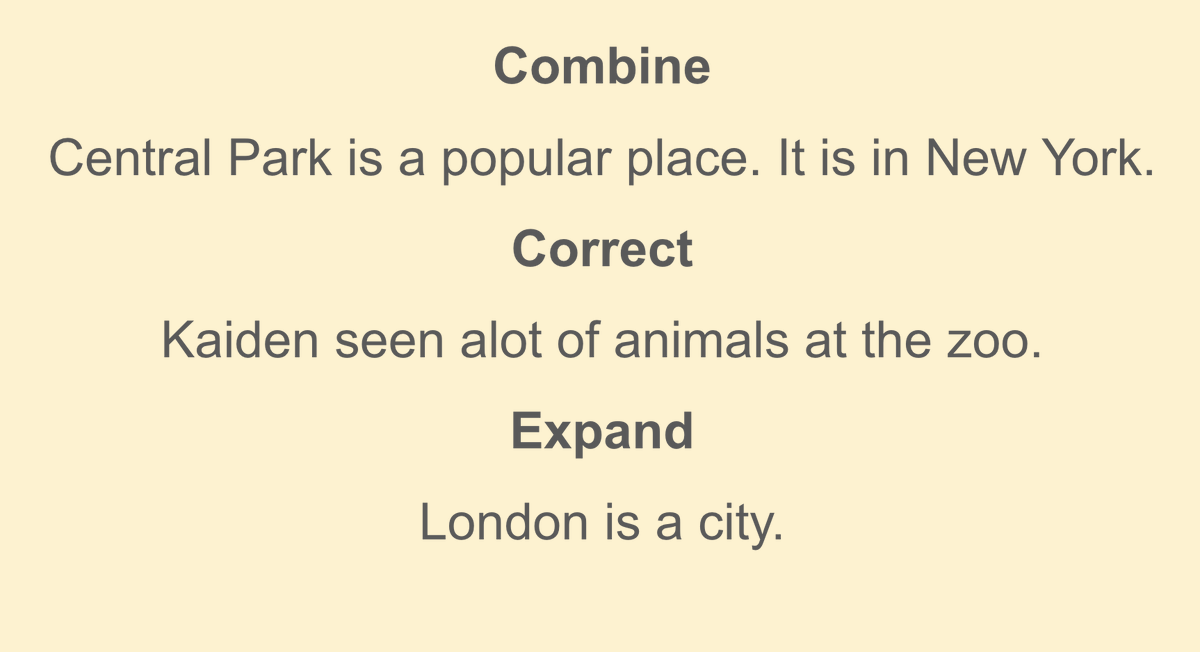
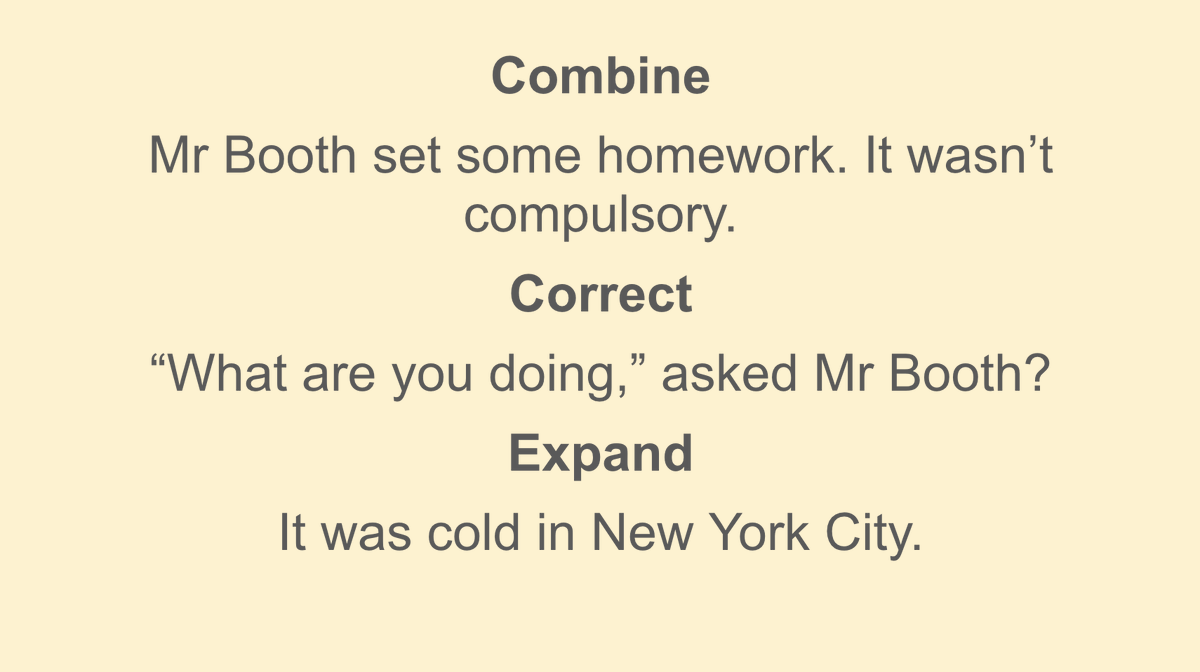
I'm constantly playing around with sentence level work for the first five minutes of my writing lessons, usually while I go and give some feedback to individual children. I think this is what I'll go for in the first few weeks and see how much we can get out of it.
English
TeachrTips retweetledi

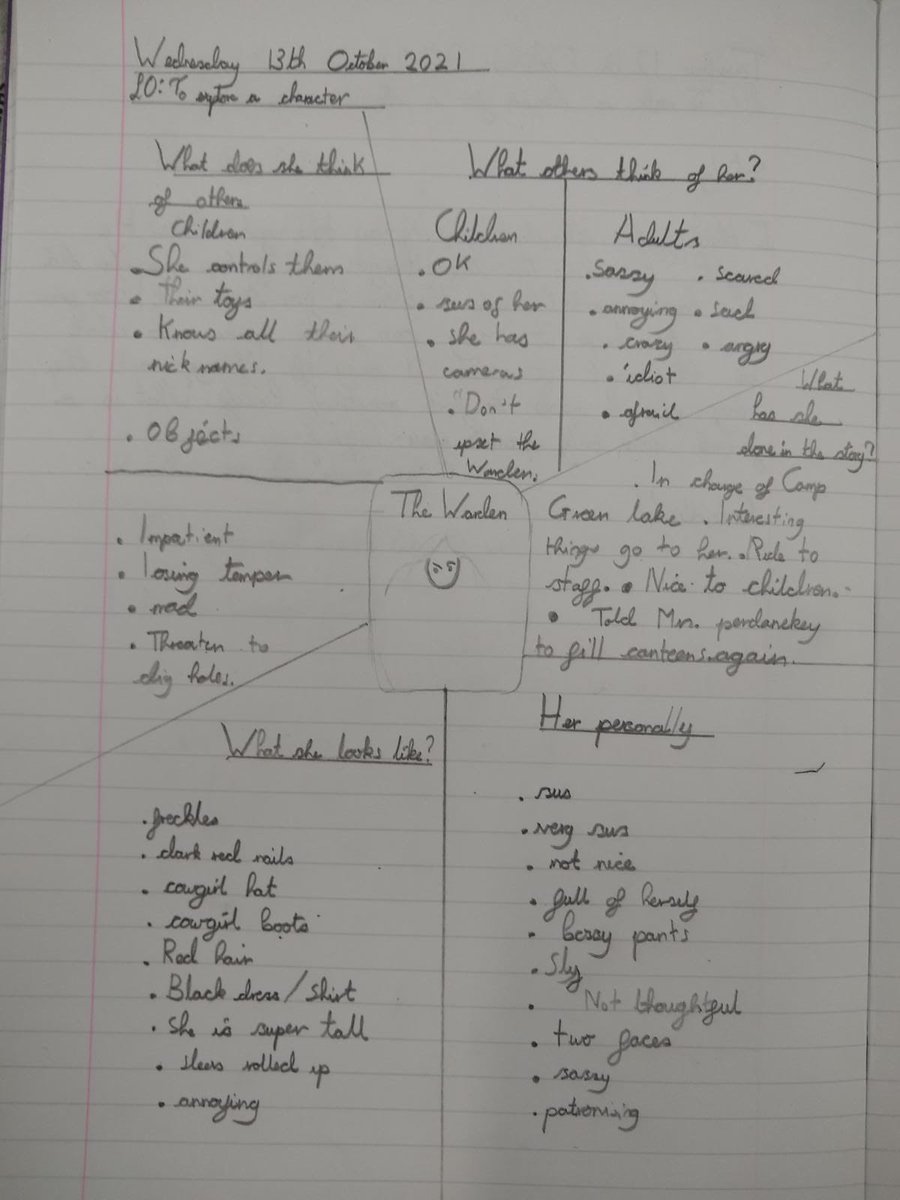
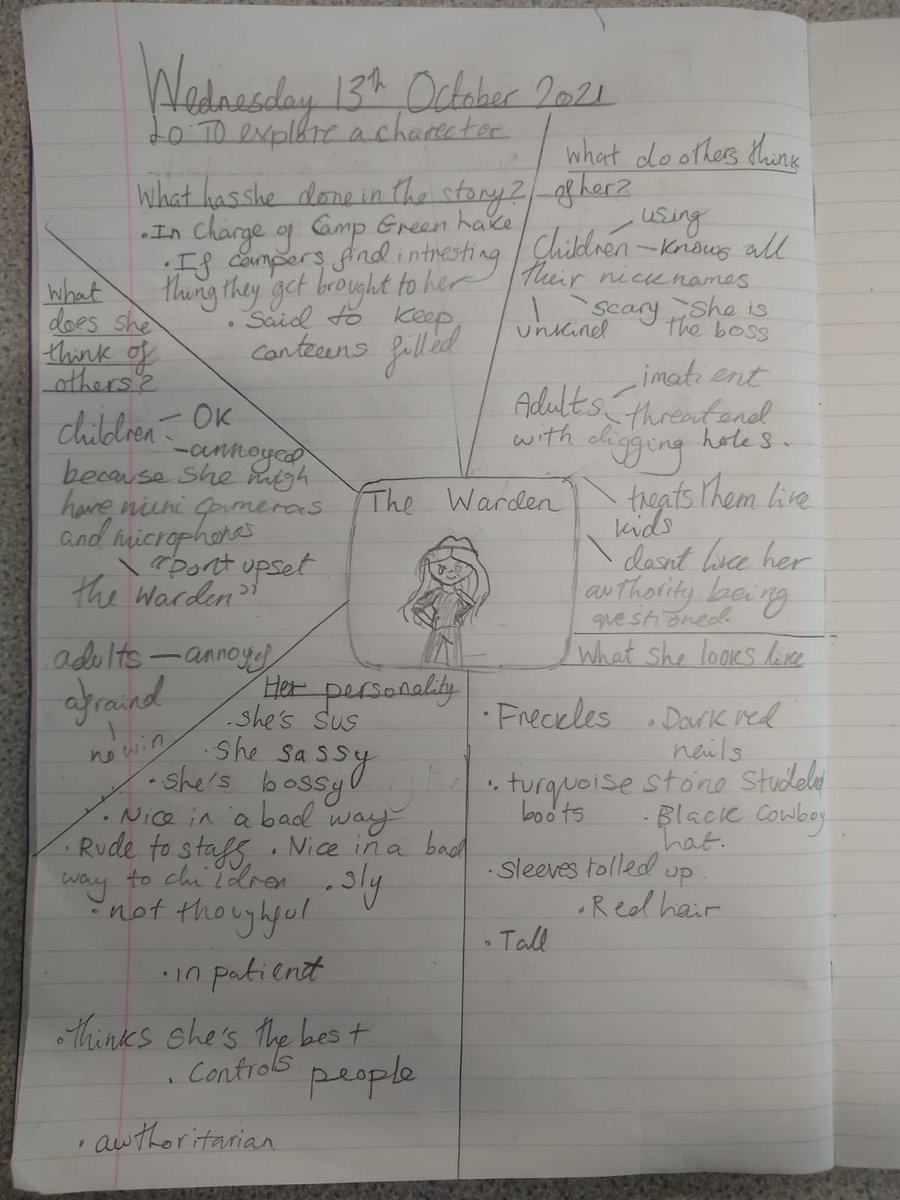
Year 5/6 have been analysing the Warden in their novel study lesson today - thinking about character traits and the influence she has on others around her. What is her motivation?


English
TeachrTips retweetledi

I love visiting schools and learning from other teachers.
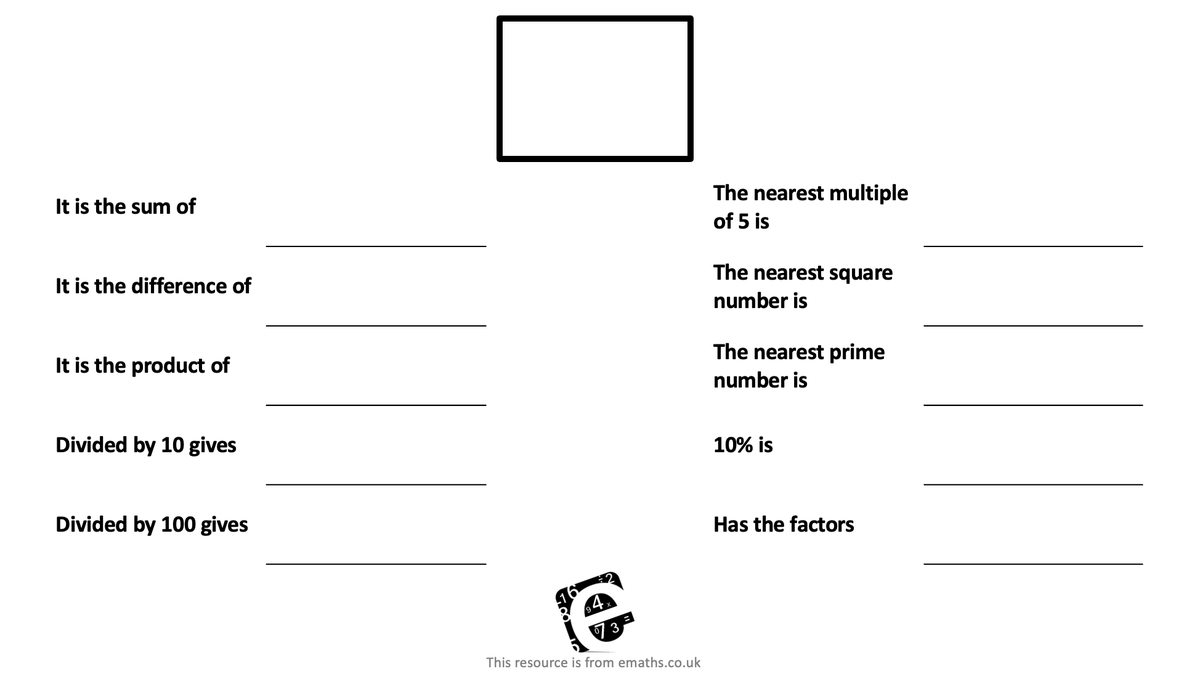
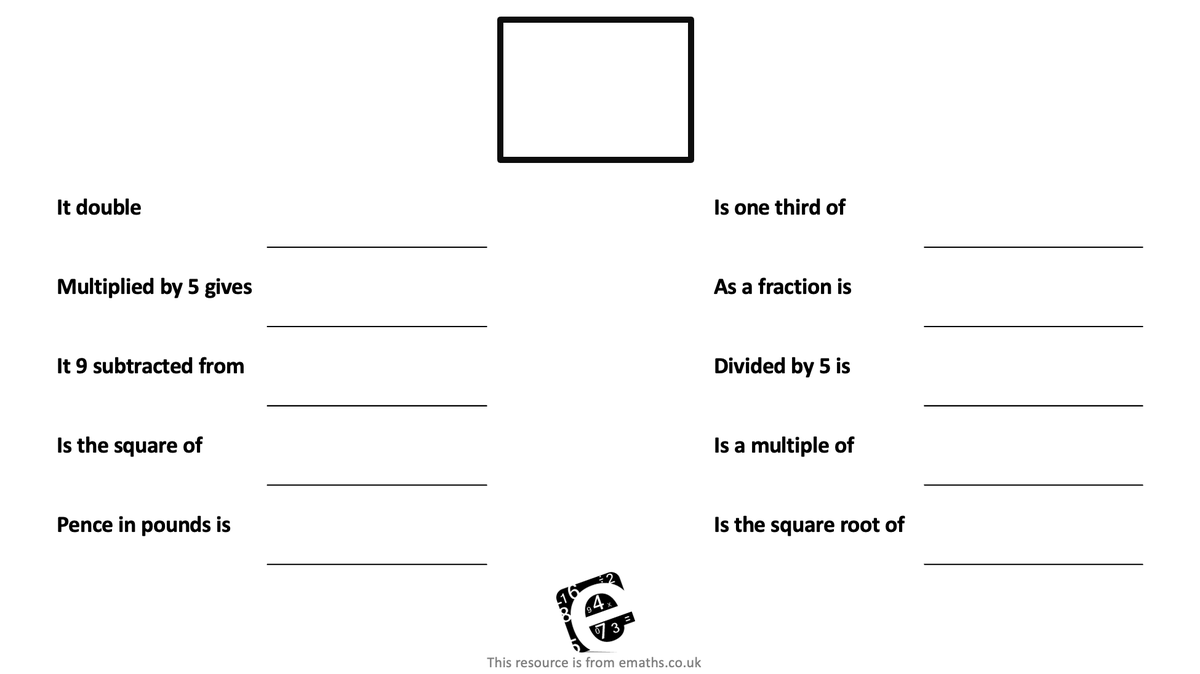
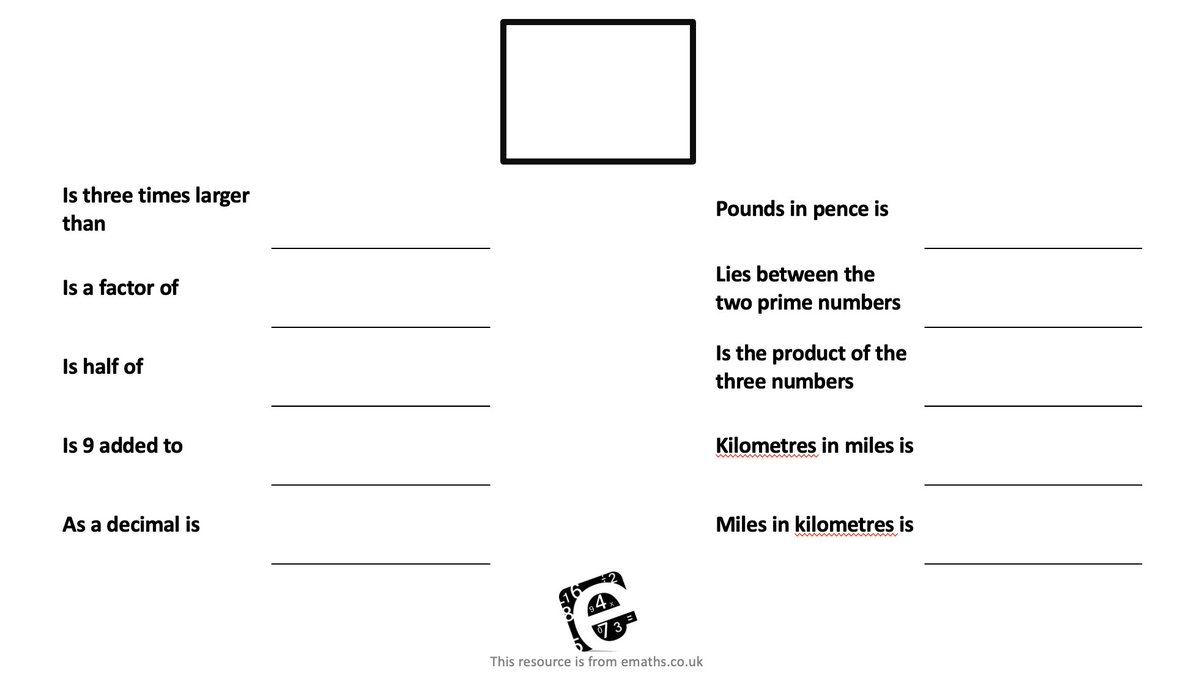
Whilst speaking with pupils today, I asked them to play with this simple task. Rather pleasing to know, three decades after writing it, it still gets pupils thinking and reasoning.
Download here: emaths.co.uk/teacher-resour…
English
TeachrTips retweetledi
A drill that practices the action you want is worth a thousand words of explanation.
Part 1 of this series is about using short free-writes to build fluency and how to connect that foundation to the skills you teach throughout the year.

English
TeachrTips retweetledi
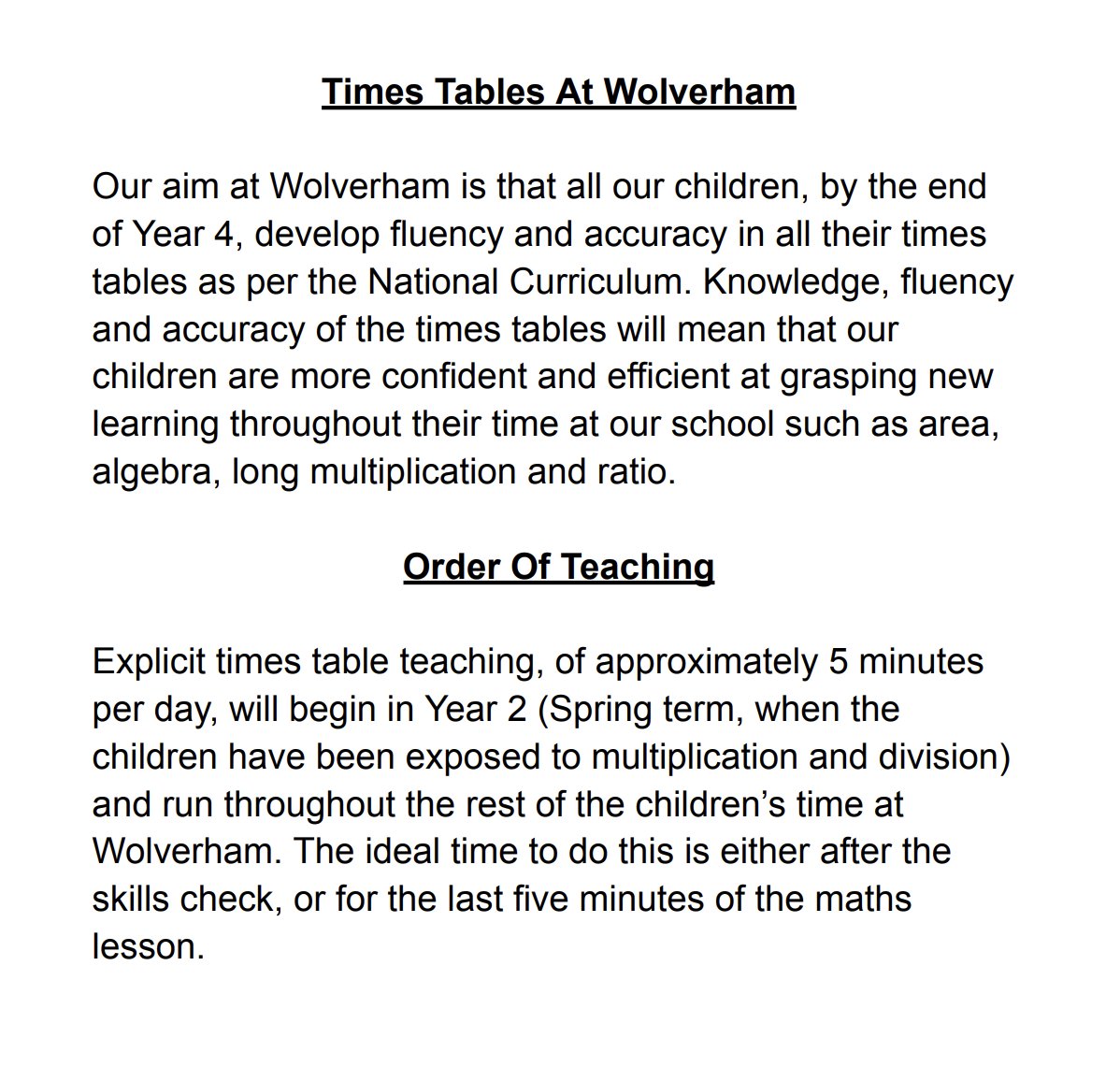
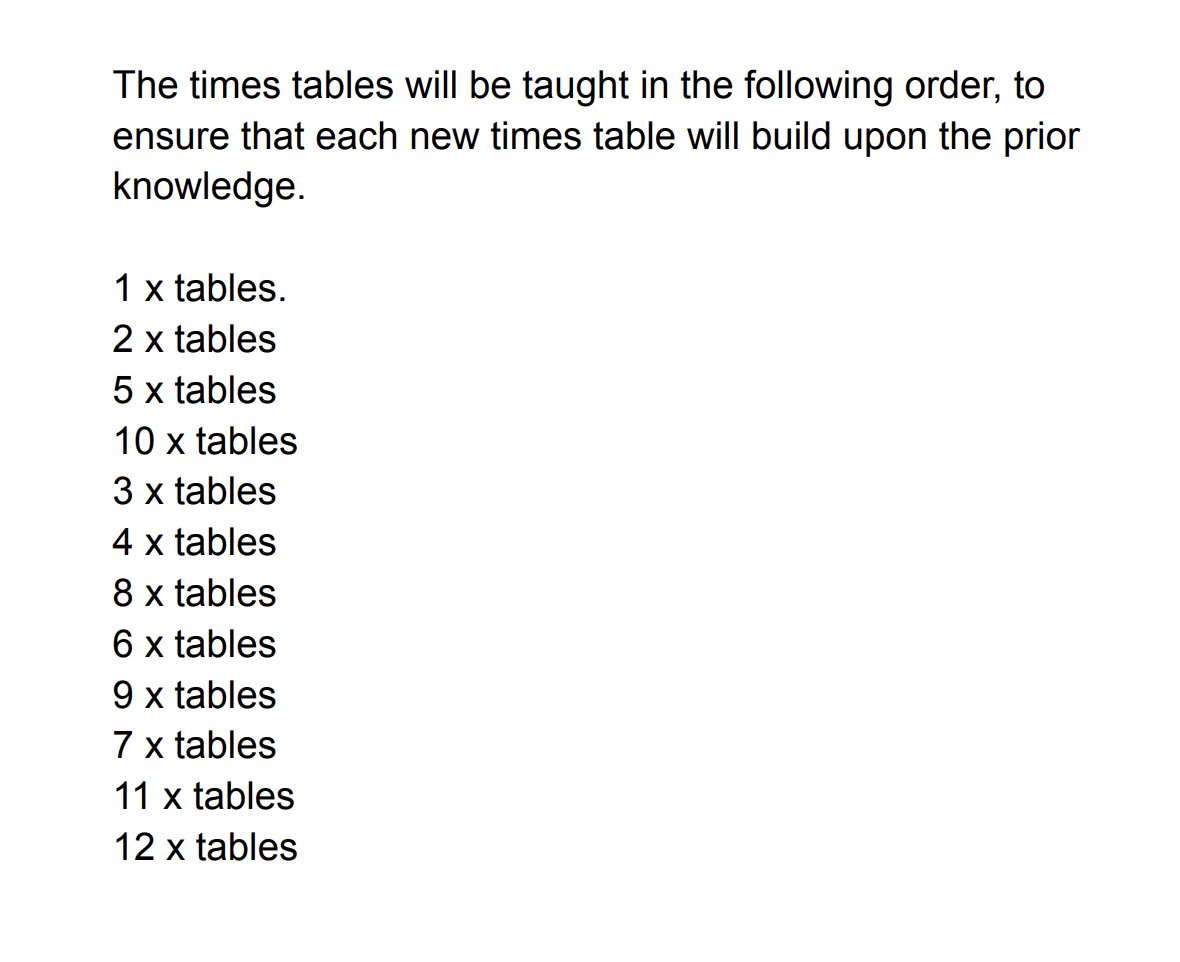
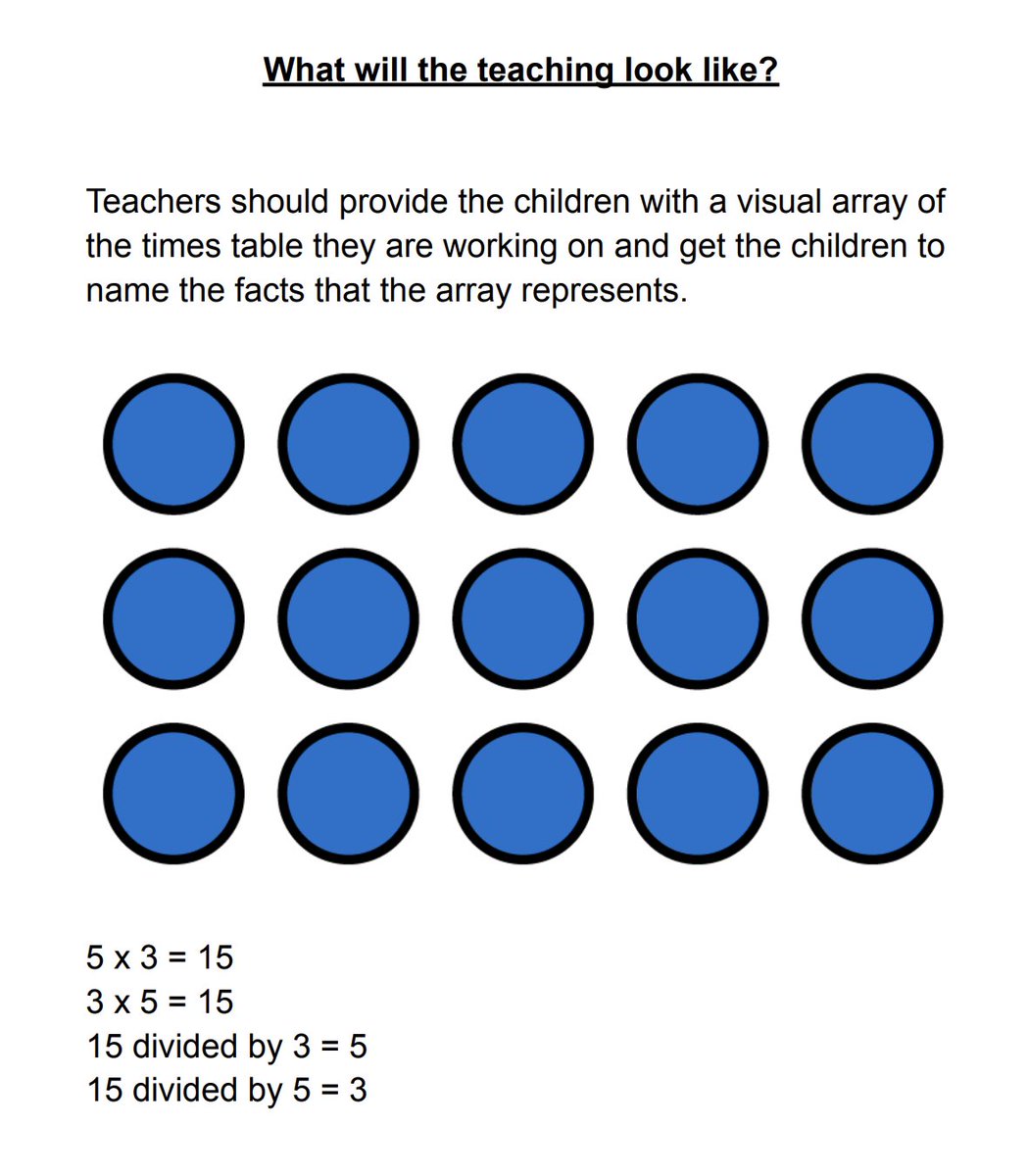
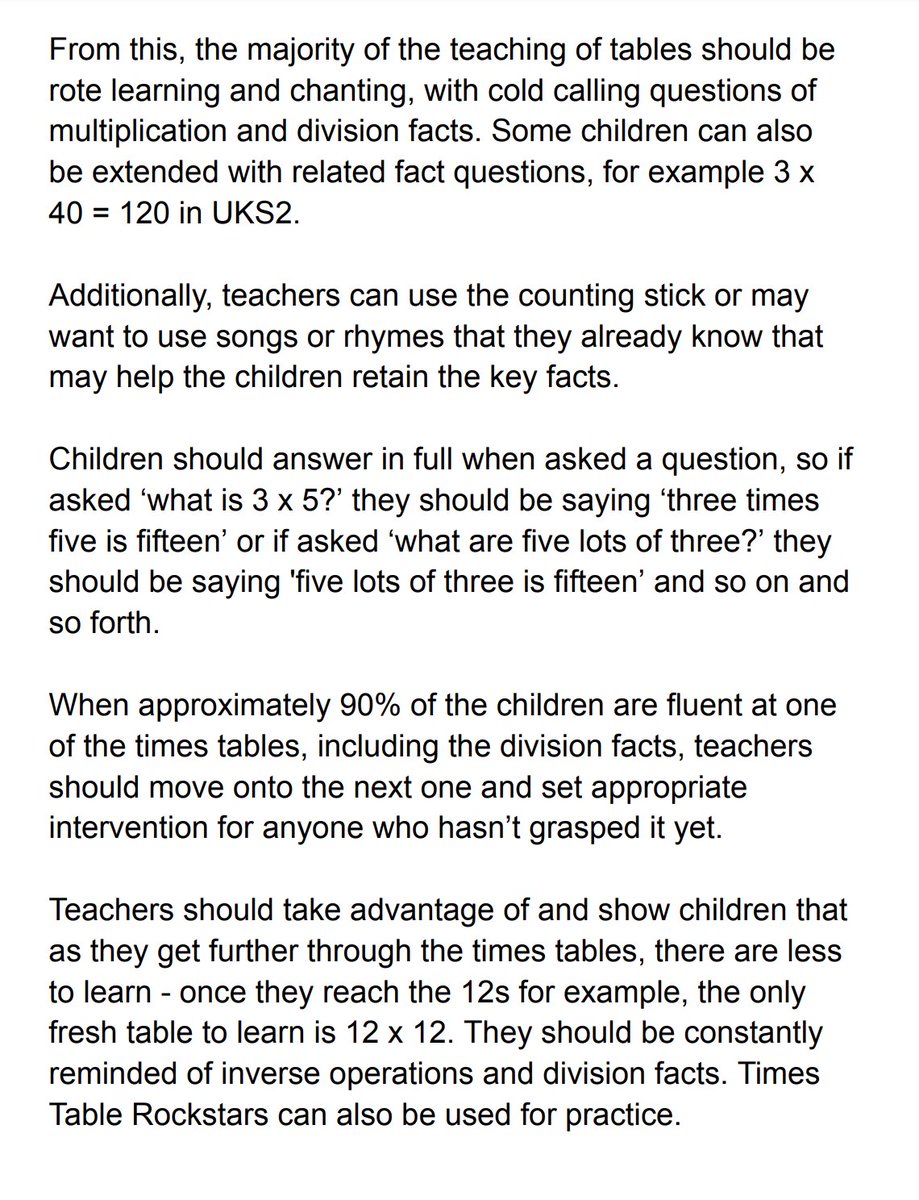
Was doing some data analysis on our multiplication tables check results earlier, and we've done really well: our Year 4 teacher is amazing and has smashed it with the class. 34 child cohort and mean average 22.79/25. If it helps, I'm attaching our very simple approach.
English
TeachrTips retweetledi

TeachrTips retweetledi

TeachrTips retweetledi

Info for parents - gov.uk/government/pub…
IT guidance - gov.uk/guidance/multi…
English
TeachrTips retweetledi

Fantastic activity! 🔴⚪️🟡🟢
3 pupil activity, 3rd pupil to call out the colours with green being the ‘Finish Line’
Brilliant fun and usable in so many contexts!
English
TeachrTips retweetledi

And @ReBuckEdu has blogged about using it in LKS2 here:
rebuckedu.wordpress.com/2021/03/15/the…
English
TeachrTips retweetledi

@i_teach_things @reads_and_draws @RobCrossley4 @DarrellWakelam @MrsBezoari @PaulWat5 @jonnybid @SarahFarrellKS2 @MeakerR @TsuiAllen @MissBTeaches_ #sharestuffSunday
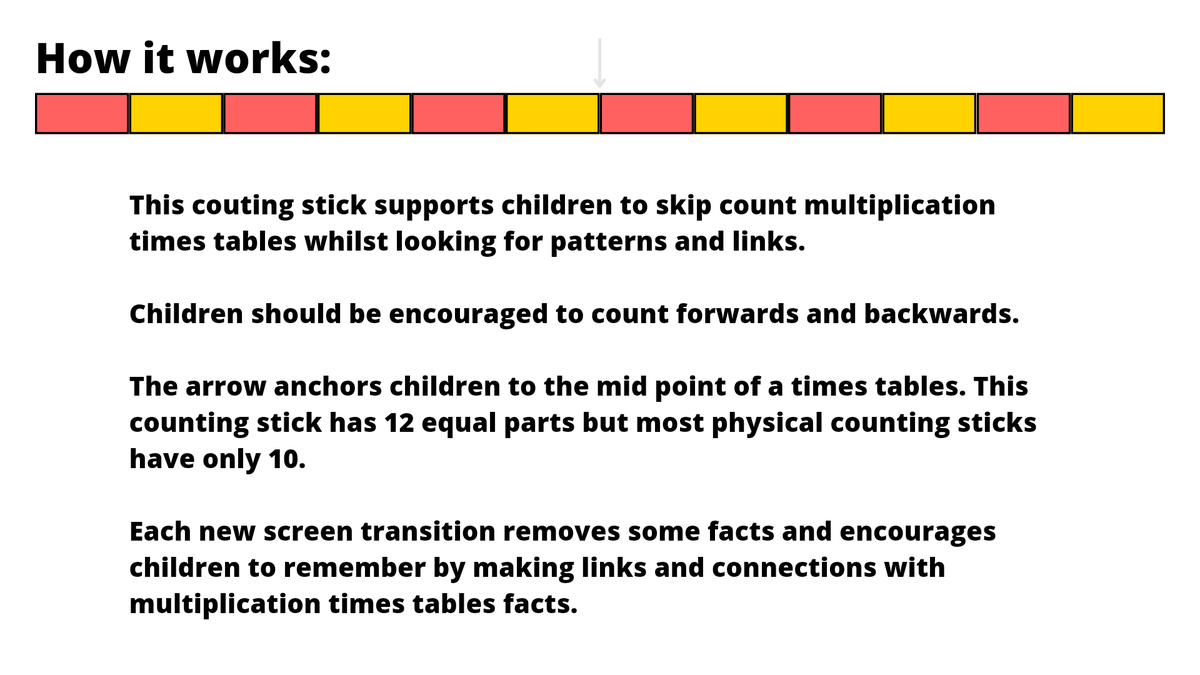
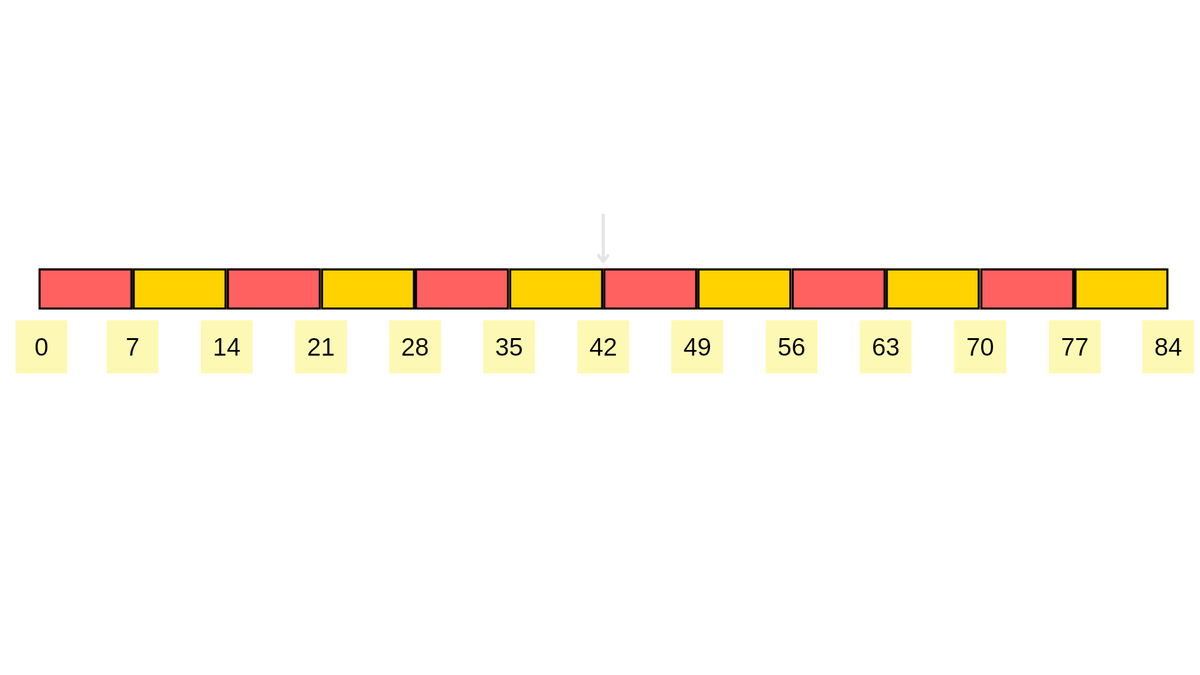
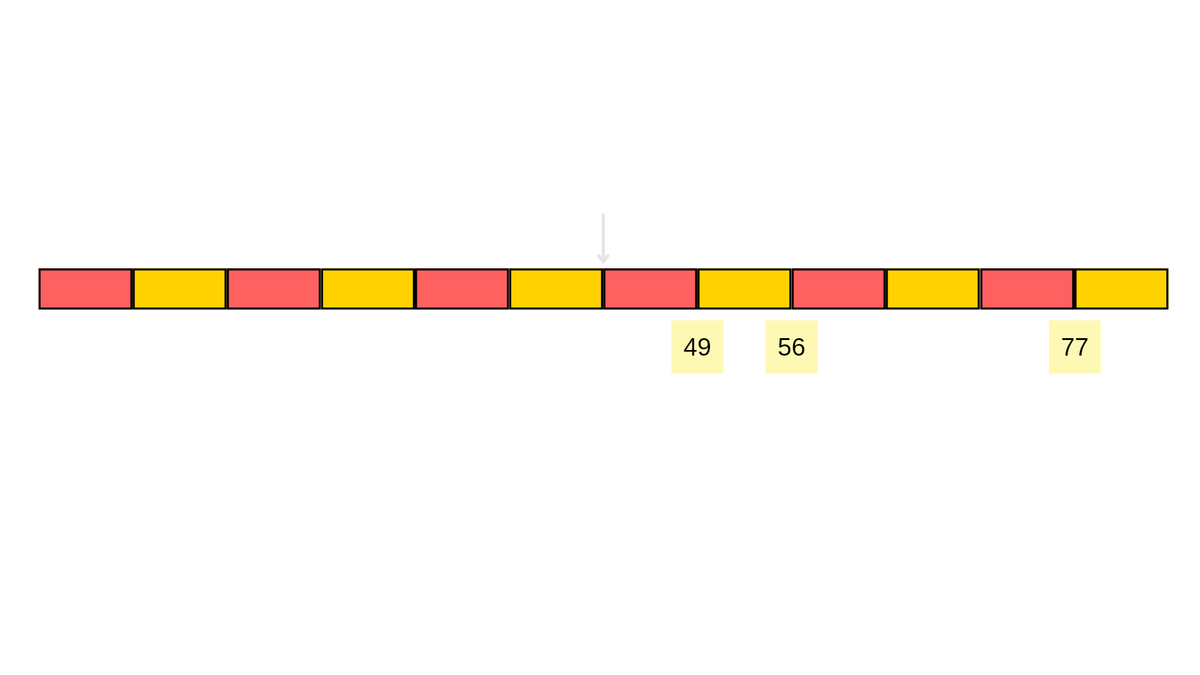
WHY and HOW to explicitly teach multiplication times tables across school mrbeeteach.com/post/multiplic… 🐝

English
TeachrTips retweetledi

All about how I use whole-class feedback someladywholikespoems.wordpress.com/2022/10/01/who…
English
TeachrTips retweetledi

Thank you @_MissieBee for the relative clause trick. It came in very handy with my Year Fours this morning. 😊
English
TeachrTips retweetledi

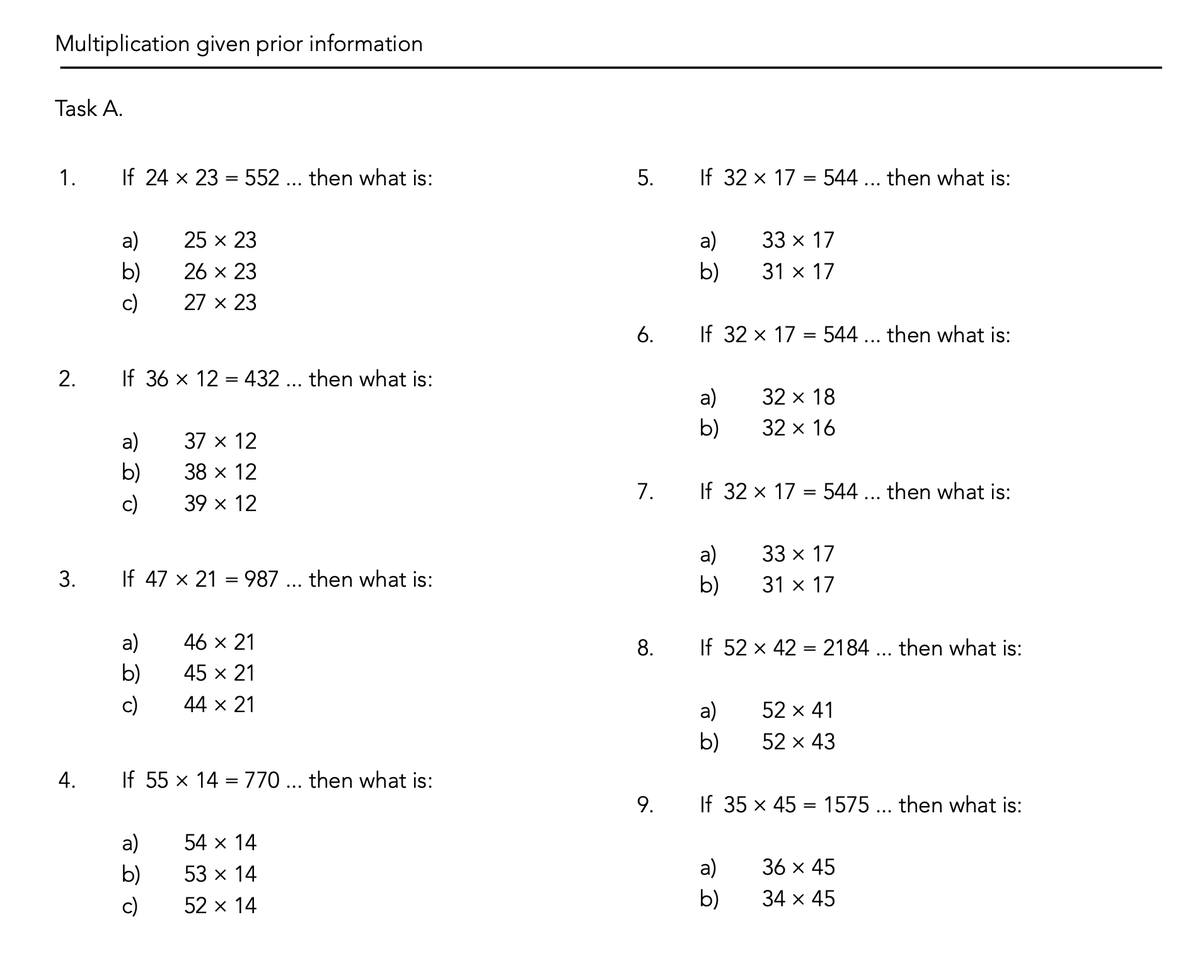
Interesting how long it took some of my S1 pupils to get their heads around this today. Once they get it, they get it ... but then Q6 throws them.
English
TeachrTips retweetledi

Chain Race 👫
Click the link for more fun activities that can be child led 👇
scoreboardsoccer.com/dl/activities
English
TeachrTips retweetledi

Can’t wait to visit on Friday to hear more and learn from Andrew!
Andrew Percival@primarypercival
@AidanSevers The sentence knowledge is directly related to the pieces they write. When we plan model texts we use the sentences that have been taught previously to demonstrate how they can be used in context. This example from a Y6 model shows sentences from the Y6, Y5 , Y3 and Y2 curriculum
English