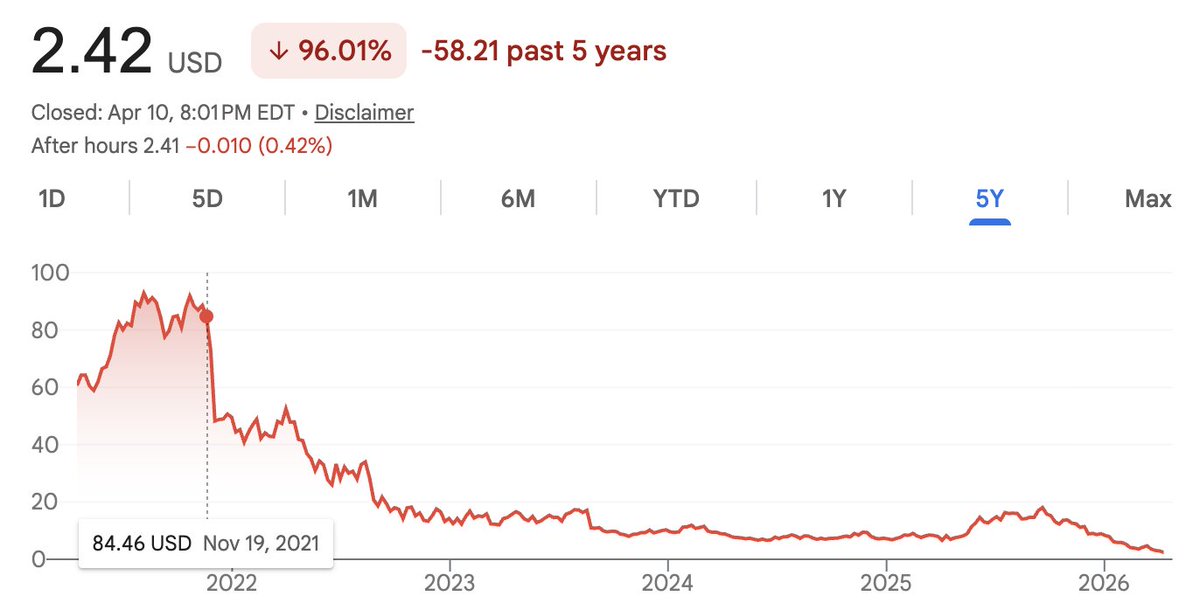
@samsinger Dying? It was a broken state and it is a broken state. Nothing has changed?
English
NewtBurp
1.6K posts
@NewtBurp
Men did not love San Francisco because she was great. She was great because they loved her.

Oakland’s city government has been doing the fiscal equivalent of "shrinkflation" for two decades. The city’s spending doubled over the past 20 years — from $0.87 billion in fiscal year 2006, to $1.69 billion in fiscal year 2025. Meanwhile, the tax burden the city put on its residents’ shoulders grew even heavier: Voter-approved special taxes surged 379% over the past 20 years — from $31.7 million in 2006 to $152.1 million in 2025. That’s over 6 times higher than the increase in the cost-of-living over that same period. Oakland residents now pay the highest taxes per capita in the state compared to similar cities. Despite a 93% increase in spending, the city’s own data shows little increase in basic service outcomes. Instead, the city’s spending has been increasingly consumed by public employee pay and benefit costs that have consistently risen over the past 20 years, far outpacing the growth in inflation and the incomes of everyday Oakland residents. In 2023, the average total compensation (salary and benefits) for a single full-time Oakland city employee was $237,000 — a 10-year increase of 79%. That is more than double the median Oakland household income of approximately $102,000 — a figure that typically reflects multiple earners — and which only increased approximately 45% over the same 10-year period. By comparison, the city of Sacramento’s average total compensation for its full-time employees rose 57% to $163,000. The city of Long Beach rose 70% to $196,000. And San Francisco (which is both a city and a county) rose 50% to $190,000. Oakland’s relatively high employee compensation is driven not by base salary, which is roughly comparable to peers, but by benefits that add 72% on top of base pay, compared to only 41% in Long Beach, 31% in Sacramento, and 33% in San Francisco. The city’s own financial reports routinely cite “increases in personnel costs” as the primary factor behind expenditure growth across virtually every city function. Oakland’s employee pay and benefits — and the compensation increases — were negotiated by the city and its labor unions, and approved by city councils. Notably, the city’s public employee unions have routinely donate to city council members’ election and re-election campaigns over the past 20 years. 👉 Read the full article at Oakland Report: oaklandreport.org/p/20260415-shr…

The CEO of Krafton (creator of PUBG) asked ChatGPT to create a "corporate takeover strategy" to prevent a company they acquired from hitting a revenue target within a certain time window (which would trigger an additional payout). ChatGPT (against his lawyer's advice) suggested locking down the acquired companies Steam account to prevent them from publishing Subnautica 2 in the time window, which the CEO of Krafton followed. ChatGPT's advice did not hold up at trial and the judge was not happy. The opinion is a wild read and includes several direct quotes from the Krafton CEO's ChatGPT conversation. I feel like it's gonna take a few more high profile examples like this until executives start realizing that conversations with ChatGPT are not privileged and you probably shouldn't describe your questionably legal schemes to them in detail!

You Can Legally Claim U.S. Land...So I Did

🥴 Eric Swalwell wears a bathrobe, looking bleary in a wild yacht party video. Watch: tmz.me/QiuQGES



No one really wants to talk about it, but one of the biggest reasons for this is that the ultrawealthy can mostly live off unrealized capital gains. It functions as real cash, because they can borrow against it at extremely low rates. And our tax code doesn't tax it at all.