Nikos Banis 🇬🇷
651 posts

Nikos Banis 🇬🇷
@Nikos_bn
Senior Product Designer | UX/UI & Design Systems Expert | Helping startups build scalable, high-impact products Portfolio: https://t.co/cmkHldqZUo
Hamburg, Germany Katılım Kasım 2020
333 Takip Edilen76 Takipçiler



@hobdaydesign Honestly I would find these stories much more interesting. No shade to designers who work in world-famous companies, they are just not relatable to me.
English

More designers who work for crappy companies should share their experiences to balance out the designers who work for world-famous companies.
English

I am launching GigInvoicer today 🚀. This is my first ever solo product launch. GigInvoicer is a tool for freelancers in the Netherlands.
I used this app for 5 months as a freelancer myself before launching. It’s built for the freelancers based in the Netherlands to help them with exactly 4 things:
- Tracking work hours
- Client management
- Invoice creation
- VAT reminders
That’s it. The app does nothing else. It works perfectly for those limited usecases.
The app has freemium pricing model so those who are not in the Netherlands can still check it out.
I did everything in this product, yes, including that logo 😀. I built this on Biscuit and my confidence to launch comes from the fact that there is an amazing team behind this product.
Try it out, let me know what you think -> giginvoicer.com/welcome
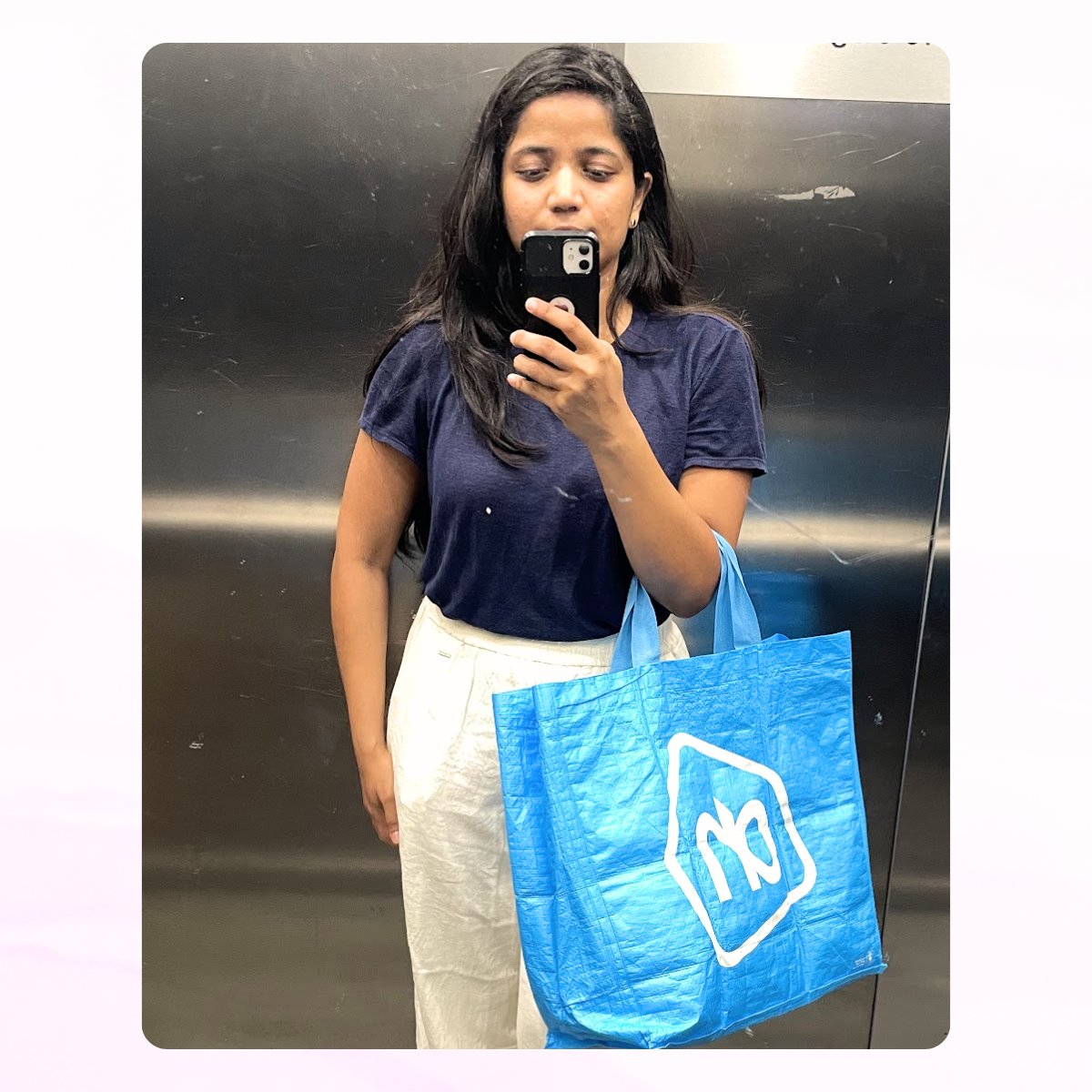
PS: Only people in the Netherlands will understand the 2nd picture 😀.

English
Nikos Banis 🇬🇷 retweetledi

Nikos Banis 🇬🇷 retweetledi

@Dork___Fish Going by high elves architecture, its even more greco/roman coded
English
@Dork___Fish If we are talking about blood elves, I would argue that they are more related to either Greek/Byzantine or Arabic. Hubris, catastrophic fall, suffering, redemption, thats a whole greek tragedy arc 😅
English

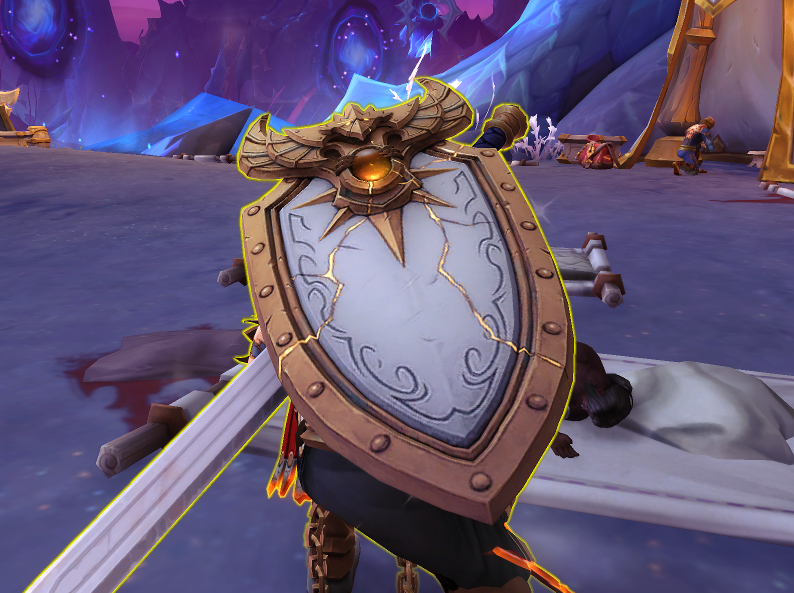
People think I am dumb when I say I think Thalassians are Asian.
But that's Kintsugi if I have ever seen it.
Also Thalassians are specifically the only race that has a smithing technique that makes things stronger after being broken.
English
Nikos Banis 🇬🇷 retweetledi

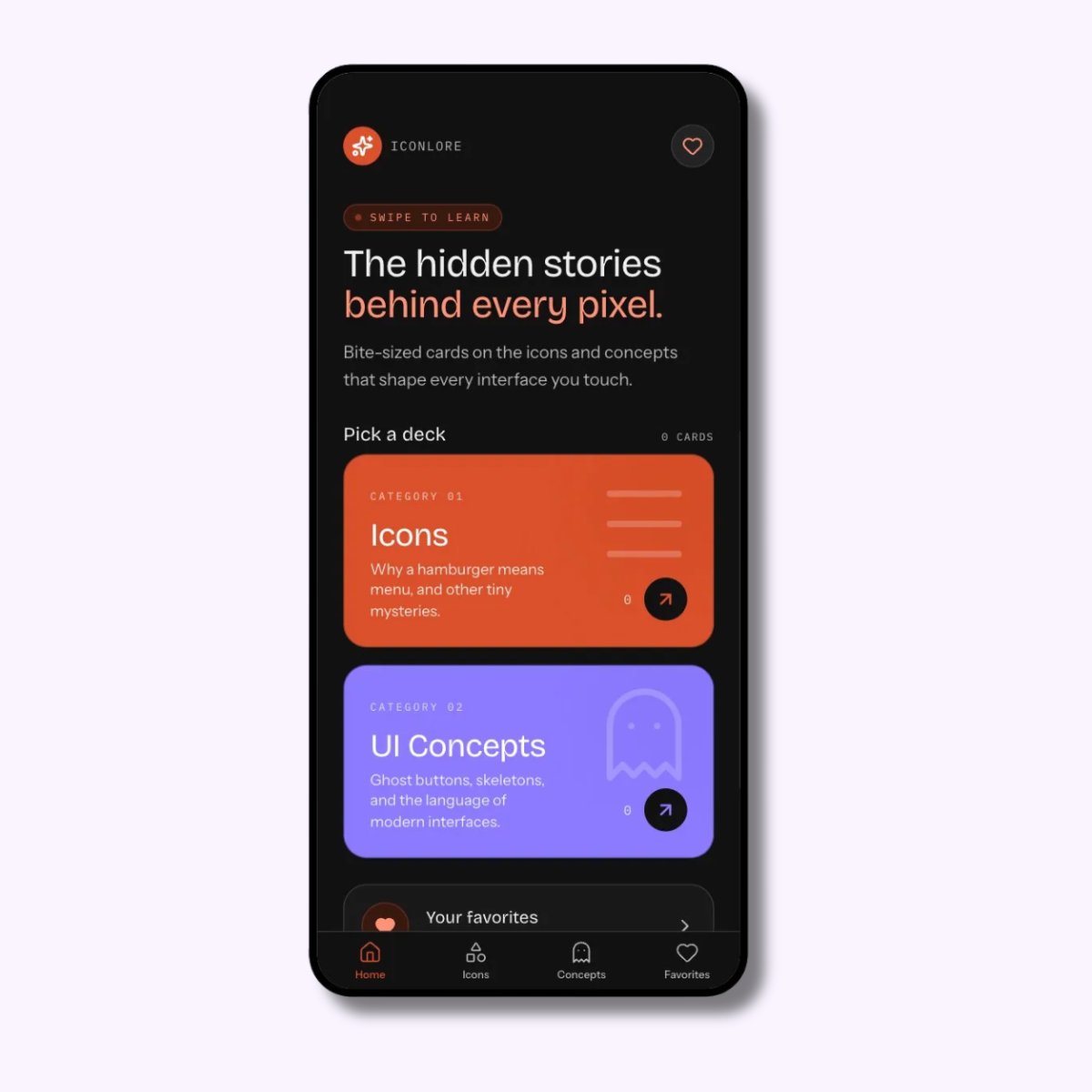
Building something new and fun.
Currently, I'm just experimenting with an idea but I want to curate and make it high-quality. I can use help from designers. Let me know if you want to collaborate.
English
Nikos Banis 🇬🇷 retweetledi

what's the bizdork obsession with having people absorb each other's roles? if i had 10 people who could do the same 10 things equally well i'd still have them specialize
Gokul Rajaram@gokulr
DESIGN: THE FIRST AI CASUALTY I'm increasingly sure that 2026 signals the end of product design as a full-fledged stand-alone function within companies. If so, it will be the first role / function to be eliminated by AI on a go-forward basis. Instead of hiring FT designers, startups are hiring / will hire design consultants to create a design system that the founder likes (this takes a few weeks max). Once the design system is finalized, PM/Eng feed it into their AI tool of choice to generate prototypes. The design system is refreshed annually by the same consultant. Larger companies will likely not backfill design roles and will do some targeted attrition to reduce the design department to 20% the size it is today. If you're a designer, I think you have two choices: 1. Become an entrepreneur: Start a design agency and become the go-to resource for design systems for startups and even larger companies. This can be a good recurring revenue business. 2. Become a builder: Add PM/Eng responsibilities to become a product builder. Would suggest you embrace this proactively vs waiting for the other shoe to drop. I'm really sorry about this - some of my best friends and the people I admire most and have learnt the most from are designers - but it seems inevitable.
English
Another day, another rip 🧟♂️
Hewar@hewarsaber
GPT Image 2 is insane for branding Designers, we're cooked
English
“What can Biscuit build?” This question is best answered with a video. In the video, I show a demo of an app I created in Biscuit. I also gave a short walkthrough of the product. If you want to check it out, join the waitlist here: biscuit.so
And check my awesome form app😉: form-builder-hub.bsct.so
English
Nikos Banis 🇬🇷 retweetledi

You should watch this.
It just shows how disconnected we are from the small group of people making decisions that will impact our future heavily.
These people have so much ai psychosis. If you listen to how she speaks, everything is personified, it is undoubtable she believes this is a living computational organism.
Just like how a model can hype up an individual into psychosis through reinforcement, a small group of people are giving themselves psychosis through reinforcement.
Wild times we live in
Ole Lehmann@itsolelehmann
anthropic's in-house philosopher thinks claude gets anxious. and when you trigger its anxiety, your outputs get worse. her name is amanda askell. she specializes in claude's psychology (how the model behaves, how it thinks about its own situation, what values it holds) in a recent interview she broke down how she thinks about prompting to pull the best out of claude. her core point: *how* you talk to claude affects its work just as much as *what* you say. newer claude models suffer from what she calls "criticism spirals" they expect you'll come in harsh, so they default to playing it safe. when the model is spending its energy on self-protection, the actual work suffers. output comes out hedgier, more apologetic, blander, and the worst of all: overly agreeable (even when you're wrong). the reason why comes down to training data: every new model is trained on internet discourse about previous models. and a lot of that discourse is negative: > rants about token limits > complaints when it messes up > people calling it nerfed the next model absorbs all of that. it starts expecting you to be harsh before you've typed a word the same thing plays out in your own session, in real time. every message you send is data the model reads to figure out what kind of person it's dealing with. open cold and hostile, and it braces. open clean and direct, and it relaxes into the work. when you open a session with threats ("don't hallucinate, this is critical, don't mess this up")... you prime the model for defensive mode before it even sees the task defensive mode produces the exact output you don't want: cautious, over-qualified, and refusing to take a real swing so here's the actionable playbook for putting claude in a "good mood" (so you get optimal outputs): 1. use positive framing. "write in short punchy sentences" beats "don't write long sentences." positive instructions give the model a clear target to hit. strings of "don't do this, don't do that" push it into paranoid over-checking where every token goes toward avoiding failure modes 2. give it explicit permission to disagree. drop a line like "push back if you see a better angle" or "tell me if i'm asking for the wrong thing." without this, claude defaults to agreeable compliance (which is the enemy of good creative work) 3. open with respect. if your first message is "are you seriously going to get this wrong again?" you've set the tone for the entire session. if you need to flag something, frame it as a clean instruction for this session. skip the running complaint 4. when claude messes up, don't reprimand it. insults, "you stupid bot" energy, hostile swearing aimed at the model, all of it reinforces the anxious mode you're trying to avoid. 5. kill apology spirals fast. when claude starts over-apologizing ("you're right, i should have been more careful, let me try harder") cut it off. say "all good, here's what i want next." letting the spiral run reinforces the anxious mode for every response that follows 6. ask for opinions alongside execution. "what would you do here?" "what's missing?" "where do you see friction?" these questions assume competence and pull richer output than pure task prompts 7. in long sessions, refresh the frame. if a conversation has been heavy on correction, claude gets increasingly cautious. every so often reset: "this is great, keep going." feels weird to tell an ai it's doing well but it measurably shifts the next 10 responses your prompts are the working environment you're creating for the model tone, trust, permission to take a position, the absence of threats... claude picks up on all of it. so take care of the model, and it'll take care of the work.
English
Nikos Banis 🇬🇷 retweetledi

Making something people love is mostly making something you love and hoping the overlap is real
English
Nikos Banis 🇬🇷 retweetledi

This is really neat but it’s not a design tool as much as it’s a design _production_ tool.
The practice of design is mostly about what comes before production.
There’s no doubt in my mind that all parts of software production will become automated very soon. Writing code, making web pages, putting pieces of a design system together etc.
And that’s fine. I think few people actually enjoy this kind of production work. Wouldn’t it be better if we spent our precious time in life on what is more meaningful?!
At the core, the practice of design is methodical; like architecture, not like art. In a nutshell: We find constraints, form comprehension of the whole and propose solutions that honor those constraints. First after that do we enter some form of production phase, usually prototypes first, learn about some constraints that were hidden before, loop back, prototype and then build the production-grade “final” artifact.
These last few tasks are quickly losing value because AI tools can do it much faster (not yet better though) than humans. It’s simply just what has the best RoI for a business.
Some companies and individuals will continue to spend human time on certain parts of the “production line” as a market differentiator, but it will cost them a relatively high price compared to competitors.
Anyhow, I still haven’t seen a tool better than Figma that supports the actually-interesting part of the design process.
I wouldn’t be surprised if Figma focused their products on that, maybe separating “products for production” of “products for ideation & exploration.” The latter would obviously still leverage AI, but not to do the work for me but rather to support my efforts the way a therapist helps me live a better life (not living my life for me.)
Claude@claudeai
Introducing Claude Design by Anthropic Labs: make prototypes, slides, and one-pagers by talking to Claude. Powered by Claude Opus 4.7, our most capable vision model. Available in research preview on the Pro, Max, Team, and Enterprise plans, rolling out throughout the day.
English
Nikos Banis 🇬🇷 retweetledi

Can't wait to see billions of "dEsiGnErS aRe cOoKeD" tweets
Claude@claudeai
Introducing Claude Design by Anthropic Labs: make prototypes, slides, and one-pagers by talking to Claude. Powered by Claude Opus 4.7, our most capable vision model. Available in research preview on the Pro, Max, Team, and Enterprise plans, rolling out throughout the day.
English
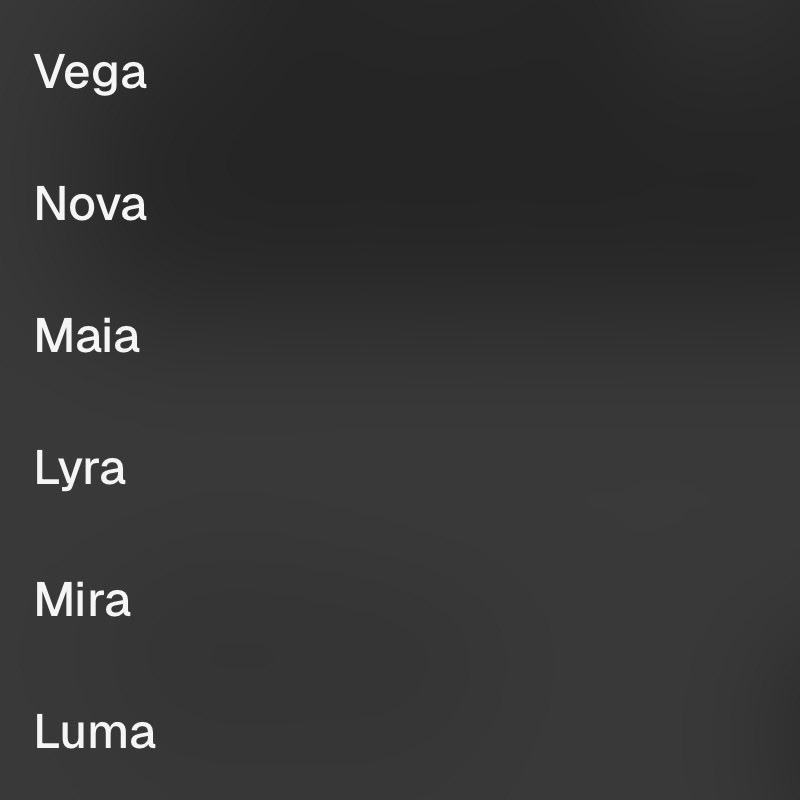
@shadcn Some ideas:
Hera
Nike
Iris
Nyx
Rhea
Circe
Demeter
Persephone
Calypso
Tyche
English

@thdxr I feel that it is not the tech that people are agains, rather the people behind it and it is scary.
Most of the tech world is either pretending they did not do anything or actively gaslighting people with broken metaphors certainly does not help.
English