

@tebiwater @Sello_Libram No looting because there's nothing to loot.
English
notzumaagain
7.4K posts




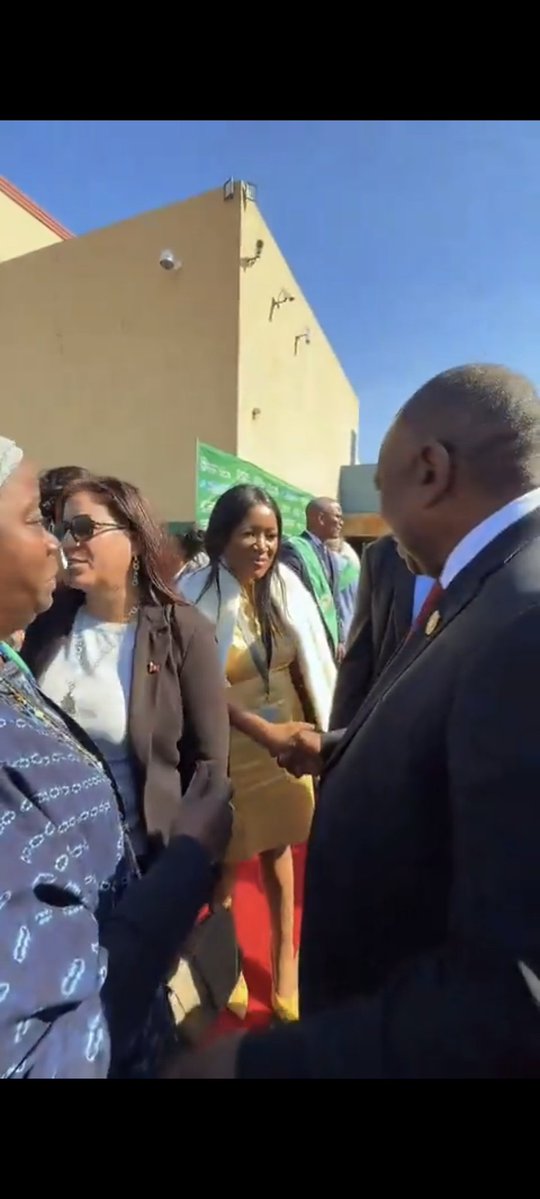



This afternoon, we met with business and community leaders from Region 7, in Bronkhorstspruit. Our engagement followed a memorandum submitted to the City requesting tougher and equal enforcement of municipal by-laws, Immigration Act and the Labour Relations Act. The community leaders had noted non-compliance by some businesses and fellow residents, and they’ve asked the City to accelerate law enforcement operations to deal with non-compliance. We are committed to continuing with coordinated law enforcement operations to increase compliance. We will also continue IGR engagements regarding laws that fall outside of our legislative mandate. @CityTshwane

We found a green ID book that we suspect has been altered. The owner was nowhere to be found. A tracking number will be used to identify the original owner with the Department of Home Affairs. @CityTshwane

We were told there was nothing inside this building, but once we went inside we found fridges fully stocked with alcohol. SAPS and TMPD have confiscated all the alcohol. We are currently conducting a law enforcement operation in Enkangala. We do not tolerate lawlessness in Tshwane. @CityTshwane

We are in Enkangala for a by-law enforcement operation. This operation follows an engagement we held with residents and businesses who requested tougher and equal enforcement of municipal by-laws, Immigration Act and the Labour Relations Act. We are checking for compliance with municipal by-laws. Establishments that do not comply will be closed. @CityTshwane

When Nelson Mandela was inaugurated in 1994, South Africa's national finances were in remarkably good shape. The Rand sat at R3.50 to the US Dollar, and both a South African passport and an average middle-class income carried real weight internationally. Government debt stood at just 13.5% of GDP, the state owed almost nothing to foreign creditors, handing the new democracy complete fiscal independence and enormous room to invest in building a strong, modern state. Skip ahead to 2026. Following years of state capture, cadre deployment, and repeated bailouts of failing state enterprises like Eskom and Transnet, that debt to GDP figure has climbed past 75%. South Africa now spends more on servicing its debt than it does on healthcare or law enforcement. Rather than channeling that borrowed money into factories, schools, or infrastructure like high-speed rail, the funds went largely toward inflated salaries for politically connected insiders, while the country's physical infrastructure was left to decay.

