Asset CΩwboy ()

55.6K posts

Asset CΩwboy () banner
Asset CΩwboy ()

Asset CΩwboy ()

@NotoriousIanV

📤 Digital strategist & advisor. GTM & emerging asset pro. Helping you stack digital assets + systems for the new 🌎 .

Village by the Sea Katılım Temmuz 2010
1.4K Takip Edilen3.2K Takipçiler
Sabitlenmiş Tweet
Asset CΩwboy ()
Asset CΩwboy ()@NotoriousIanV·
Crypto markets today in a nutshell:
English
9
27
184
0
Panic Selling
Panic Selling@panicsellingxyz·
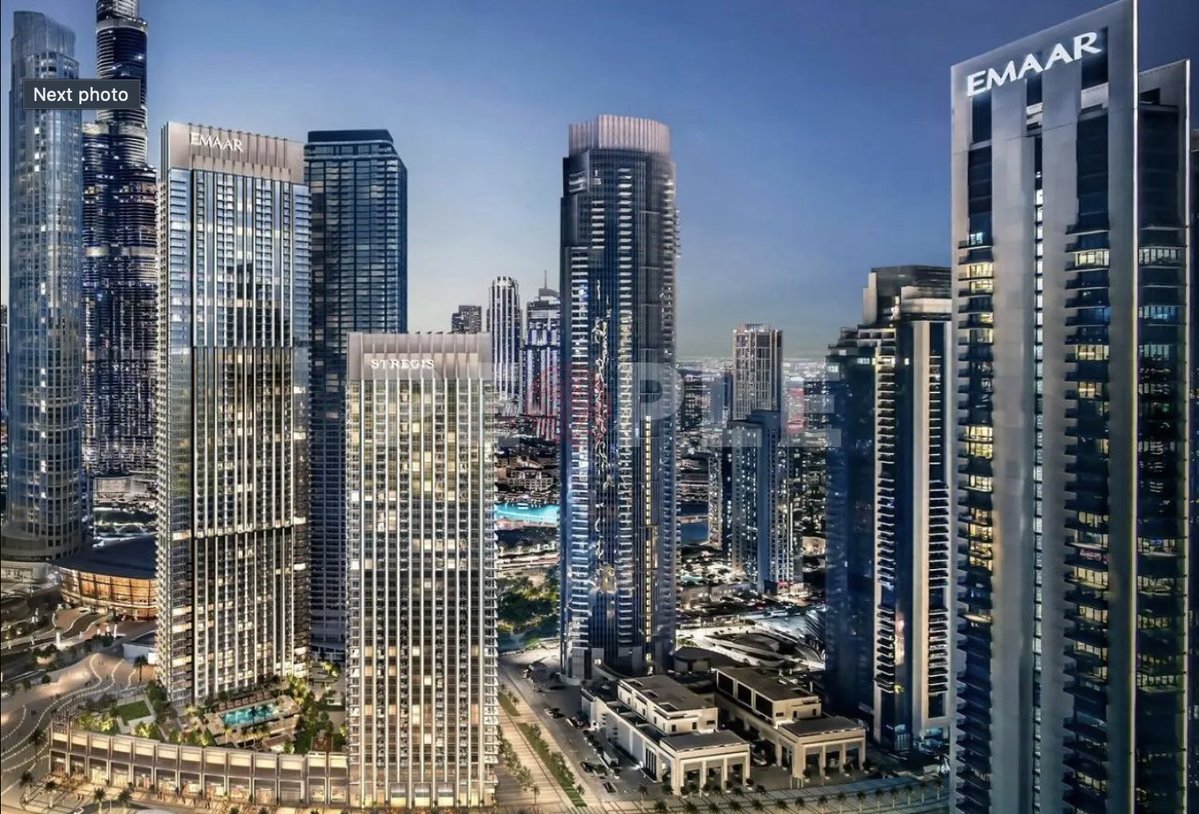
We just detected our first 3x price drop 🔴 St Regis Residences. Downtown Dubai. Mar 3: Listed at $1.3M Mar 5: Cut to $1.2M Mar 19: Cut to $1.1M Mar 23: Cut to $1.0M A branded residence in the most iconic address in Dubai just fell 18.9%.
Panic Selling tweet mediaPanic Selling tweet mediaPanic Selling tweet media
English
21
30
329
81.3K
Asset CΩwboy () retweetledi
Pi News
Pi News@PiNewsMedia·
BREAKING: U.S. Securities and Exchange Commission Enforcement Director Reportedly Clashed with Leadership Before Resignation Margaret Ryan, former Enforcement Director at the SEC, who resigned last week, reportedly had internal disputes with agency leadership after pushing for an investigation into alleged misconduct involving the Donald Trump family.
Pi News tweet mediaPi News tweet media
English
1
9
26
19K
Asset CΩwboy () retweetledi
SBA
SBA@SBAgov·
📢 NO LOAN FEES FOR U.S. MANUFACTURERS! In FY2026, SBA is waiving upfront fees for small manufacturers. These include: ✅ 0% upfront fee for 7(a) manufacturing loans of up to $950,000 ✅ 0% upfront fee and annual service fee for all 504 manufacturing loans Connect with a lender today! sba.gov/lendermatch
SBA tweet media
English
67
340
2.5K
751.8K
Asset CΩwboy () retweetledi
Shanaka Anslem Perera ⚡
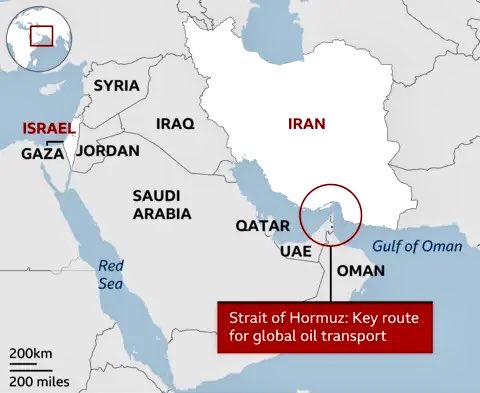
The war in the Strait of Hormuz will reach your local pharmacy within six weeks. Not because your pharmacist follows geopolitics. Because the active pharmaceutical ingredients in roughly half of America’s generic prescriptions begin as petrochemical derivatives manufactured in India, and India’s petrochemical industry begins as crude oil that transited 21 miles of water that closed on March 4. Nearly 70 percent of the active ingredients in US generic drugs are produced in India. India imports approximately 40 percent of its crude oil through the Strait of Hormuz. The crude feeds refineries that produce naphtha. The naphtha feeds petrochemical crackers that produce intermediates. The intermediates feed pharmaceutical plants in Gujarat, Maharashtra, and Hyderabad that produce the API, the active pharmaceutical ingredient, that is shipped to contract manufacturers in the United States, Europe, and across Asia. The chain from the strait to the tablet is six steps long. Every step requires the one before it. CNBC reported that the Hormuz closure puts America’s generic drug supply at risk. Fierce Pharma warned of longer-term effects on US manufacturing and generics. Think Global Health mapped the pharmaceutical supply chains most vulnerable to disruption. The consensus across trade publications, health policy analysts, and industry executives is identical: four to six weeks of current inventory exists in the pipeline. After that, shortages begin with the most complex formulations first. Cancer drugs are the highest risk. Biologics requiring cold-chain storage have the shortest shelf life and the longest replenishment cycle. Clinical trial medications depend on uninterrupted supply chains that are now interrupted. Insulin analogues, antivirals, and cardiac medications all contain intermediates sourced from Indian manufacturers whose input costs are rising with every day the strait remains closed. Air cargo is the emergency bypass. But air freight rates from India have climbed 200 to 350 percent on some routes since the war began, according to logistics tracking firms. Gulf air capacity is down 79 percent because airports in the UAE, Kuwait, and Qatar have been damaged or operate under restricted conditions. The Suez Canal route adds 10 to 14 days to maritime shipping times. The Cape of Good Hope route adds 21 to 28 days. Both alternatives assume the Red Sea remains navigable, which the Houthi threat has complicated since 2024. The World Health Organisation reported a 70 percent funding gap for its operational response in the region. Medical supply chains to Iran itself have been devastated, with hospitals reporting shortages of surgical supplies, blood products, and anaesthetics. But the downstream pharmaceutical effect extends far beyond the war zone. Every Indian manufacturer that pays more for crude pays more for naphtha, pays more for intermediates, and passes the cost forward into API prices that American generic drug companies absorb until they cannot absorb any further. The molecule does not know it is a medicine. The strait does not know it is a pharmacy. The petrochemical derivative that becomes a blood pressure tablet transits the same water as the petrochemical derivative that becomes a fertiliser pellet. Both are trapped. Both have shelf lives. Both have planting windows or prescription refill cycles that do not negotiate with blockades. Six weeks. Then the pharmacy starts calling patients about substitutions. open.substack.com/pub/shanakaans…
Shanaka Anslem Perera ⚡ tweet media
Shanaka Anslem Perera ⚡@shanaka86

Your paracetamol is made from oil. The phenol comes from a cumene process that starts with naphtha. The naphtha comes from a refinery. The refinery’s feedstock transits the Strait of Hormuz. Ninety-nine percent of pharmaceutical feedstocks, solvents, reagents, and packaging are petrochemical-derived. The American Gas Association confirmed it. The medicine cabinet is the sixth layer of the Hormuz crisis and nobody is talking about it. The war started with uranium. It moved to oil. Then fertiliser. Then water. Then plastic. Now medicine. Paracetamol is 100 percent petrochemical. Phenol from cumene, converted to para-aminophenol, then acetylated. Ibuprofen is 100 percent petrochemical. Isobutylbenzene plus propionic acid derivatives. Metformin, the most prescribed diabetes drug on Earth, is 80 to 90 percent petrochemical. Dicyandiamide from natural gas derivatives. Antibiotics like amoxicillin and ciprofloxacin require methanol, acetone, and dichloromethane as solvents for extraction and crystallisation. Oncology drugs need cold-chain energy and plastic packaging. Every blister pack, every pill bottle, every syringe is PE, PP, or PET from Gulf naphtha. India makes 40 to 47 percent of American generic medicines by volume. It imports $4.35 billion in active pharmaceutical ingredients annually, 74 percent from China. But the critical precursors, the methanol and ethylene glycol that feed Indian API synthesis, are 87.7 percent and roughly 100 percent Hormuz-dependent respectively. The Indian government has prioritised household LPG over industrial petrochemical feedstock, starving the downstream pharmaceutical chain. API costs have surged 30 percent in the last two weeks. The typical buffer is two to three months of inventory. The war is nineteen days old. The clock started before the buffer was designed for this scenario. A diabetic in Ohio takes metformin every morning. The dicyandiamide that becomes the active ingredient traces back through a Chinese intermediate to a natural gas derivative that originated in the Gulf. The methanol used to crystallise the compound in a Hyderabad factory was shipped from a terminal that now sits behind the same strait controlled by provincial commanders with sealed orders. The blister pack was moulded from polyethylene derived from naphtha that loaded at a facility the IRGC published satellite targeting images of yesterday. One pill. Four petrochemical dependencies. One chokepoint. The farmer in Iowa cannot plant corn because nitrogen costs $610. The diabetic in Ohio may not be able to fill a prescription because methanol costs whatever the strait permits. Both crises trace to the same 21 miles of water. Both are governed by the same sealed packets. Both operate on biological clocks that do not negotiate with doctrine. Nitrogen decides whether the food grows. Methanol decides whether the medicine is synthesised. Polyethylene decides whether it reaches the shelf in a blister pack. Energy decides whether the cold chain holds for oncology and biologics. Every molecule in the pharmaceutical supply chain is now compromised by the same chokepoint that trapped the fertiliser, the gas, the plastic, and the water. Europe said Iran is not their war. Their existing drug shortages, 400 to 1,500 medicines depending on the country, will deepen regardless. Bangladesh, Egypt, and sub-Saharan Africa depend on Indian generics for infectious disease and maternal health. The API depletion clock runs for everyone. The strait does not distinguish between a urea molecule and a methanol molecule. Both are gated. Both are biological. And both determine whether human beings survive the next quarter. Full analysis - open.substack.com/pub/shanakaans…
English
121
2.8K
4.8K
596.5K
Asset CΩwboy () retweetledi
fed_speak
fed_speak@fed_speak·
An option that we did, in fact, have was to not proactively start a war and blow up the global economy.
English
9
17
360
9K
Asset CΩwboy ()
Asset CΩwboy ()@NotoriousIanV·
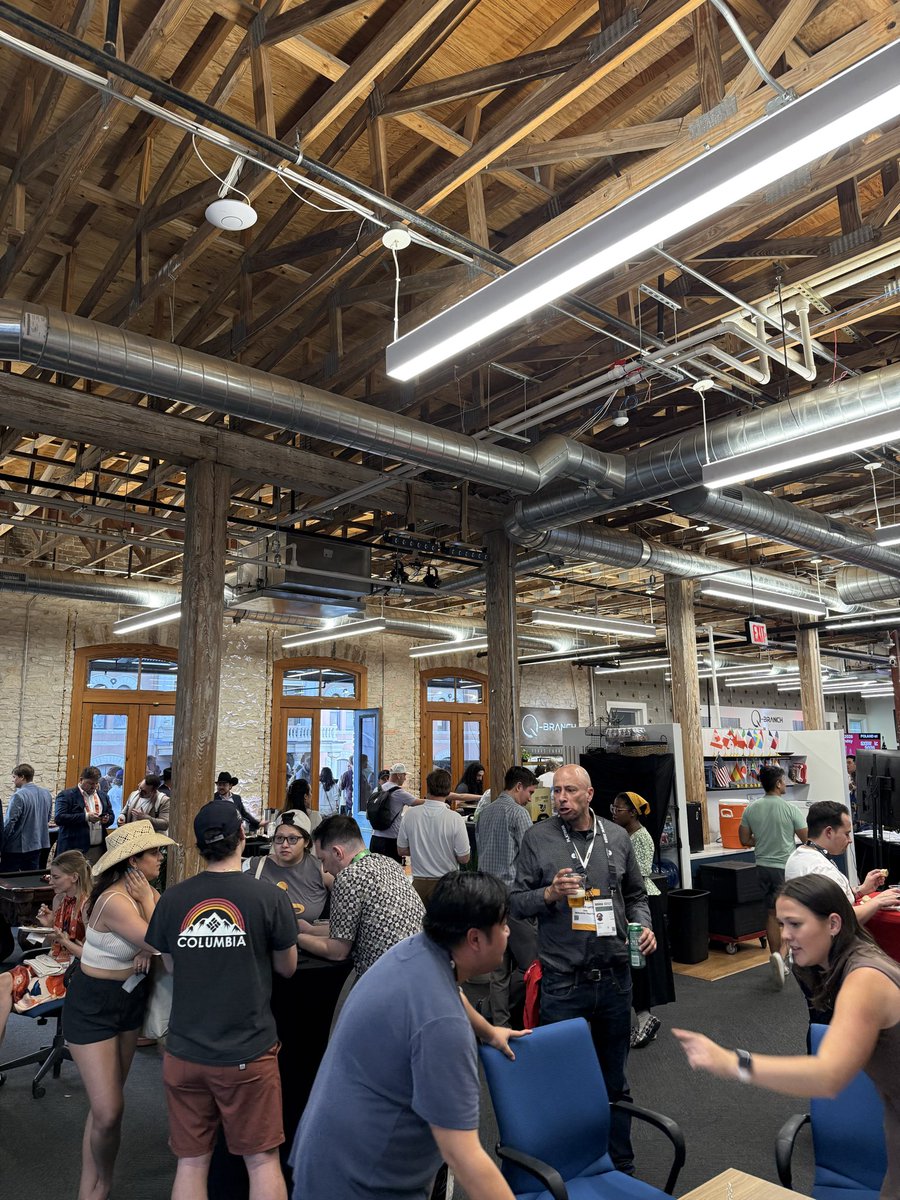
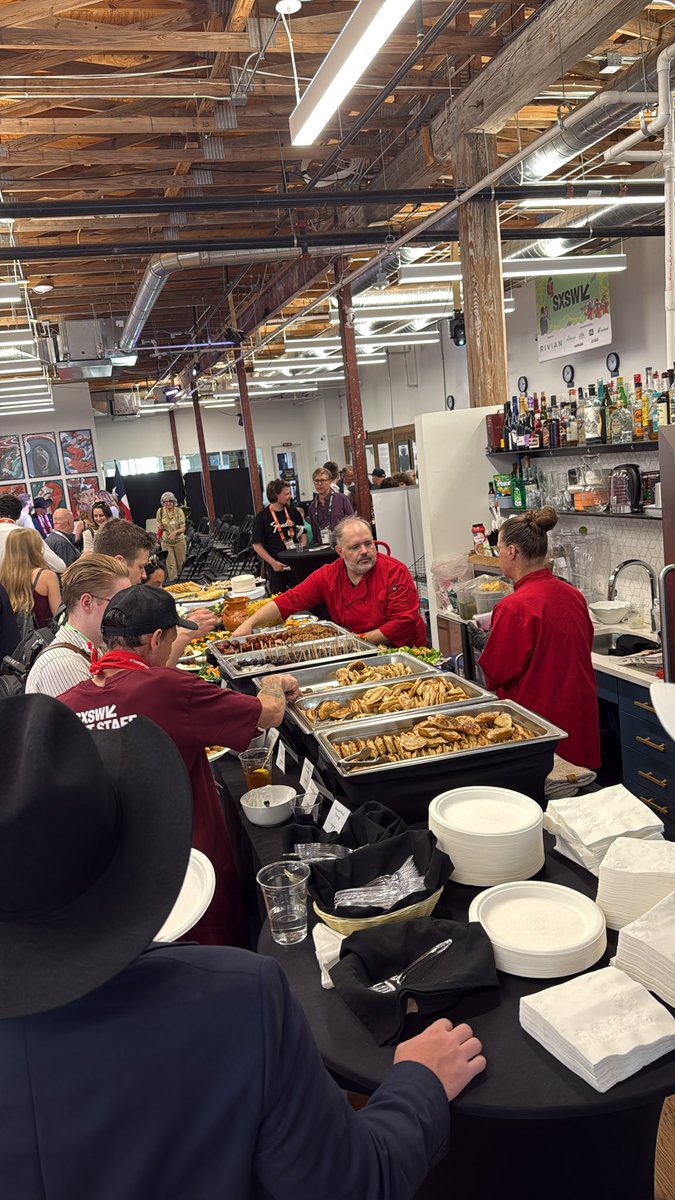
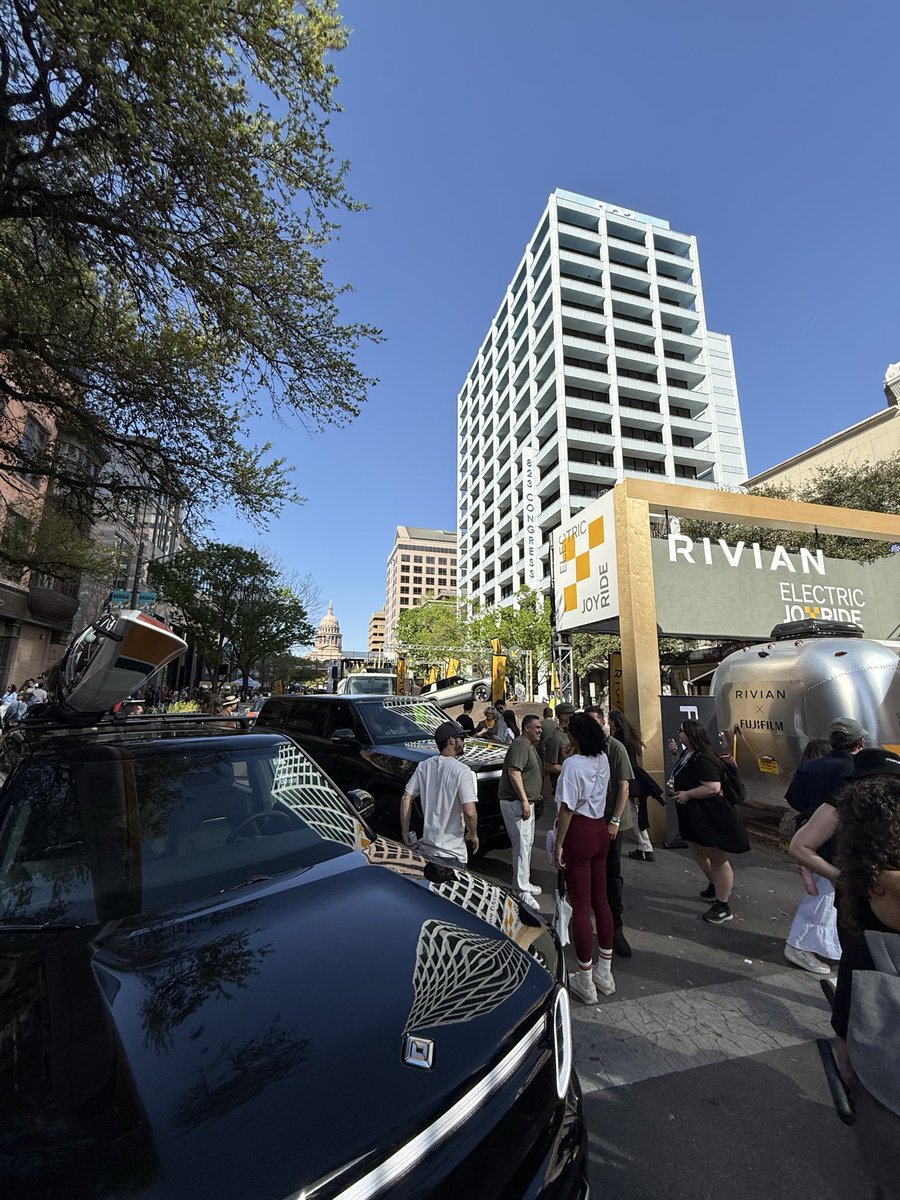
Austin SXSW has been an amazing experience
Asset CΩwboy () tweet mediaAsset CΩwboy () tweet media
Asset CΩwboy () tweet media
English
0
0
2
51
_gabrielShapir0
_gabrielShapir0@lex_node·
I'm envious of people who can travel easily...I don't get how more people don't find it traumatizing? You get stripped of your civil rights (you basically have no rights at border control just FYI), all your private belongings are searched, you are often physically molested, you are trapped in a box in claustrophobic conditions for hours with no free access to food/water or sanitation, etc and forced to breathe the same air and often rub up against complete strangers. . .and people just do this? all the time? people do this for "fun"?
English
48
4
101
8.8K
Asset CΩwboy () retweetledi
Michael Arrington 🏴‍☠️
The homeless industrial complex is very real. Once institutions are created, they exist simply to continue to exist and grow. Solving the homeless crisis would mean they no longer need to exist. Therefore they have no actual interest in solving the problem.
Charlie Smirkley@charliesmirkley

NYC spends more per homeless person than the median NYC household earns. $81,705 per person in FY2025. And $81,705 is a floor. It excludes supportive housing (~$500M/yr), mental health response teams, and NYPD encampment costs. The city projects ~$97K per person in FY2026.
English
5
11
110
9.2K
Asset CΩwboy () retweetledi
Joe Kent
Joe Kent@joekent16jan19·
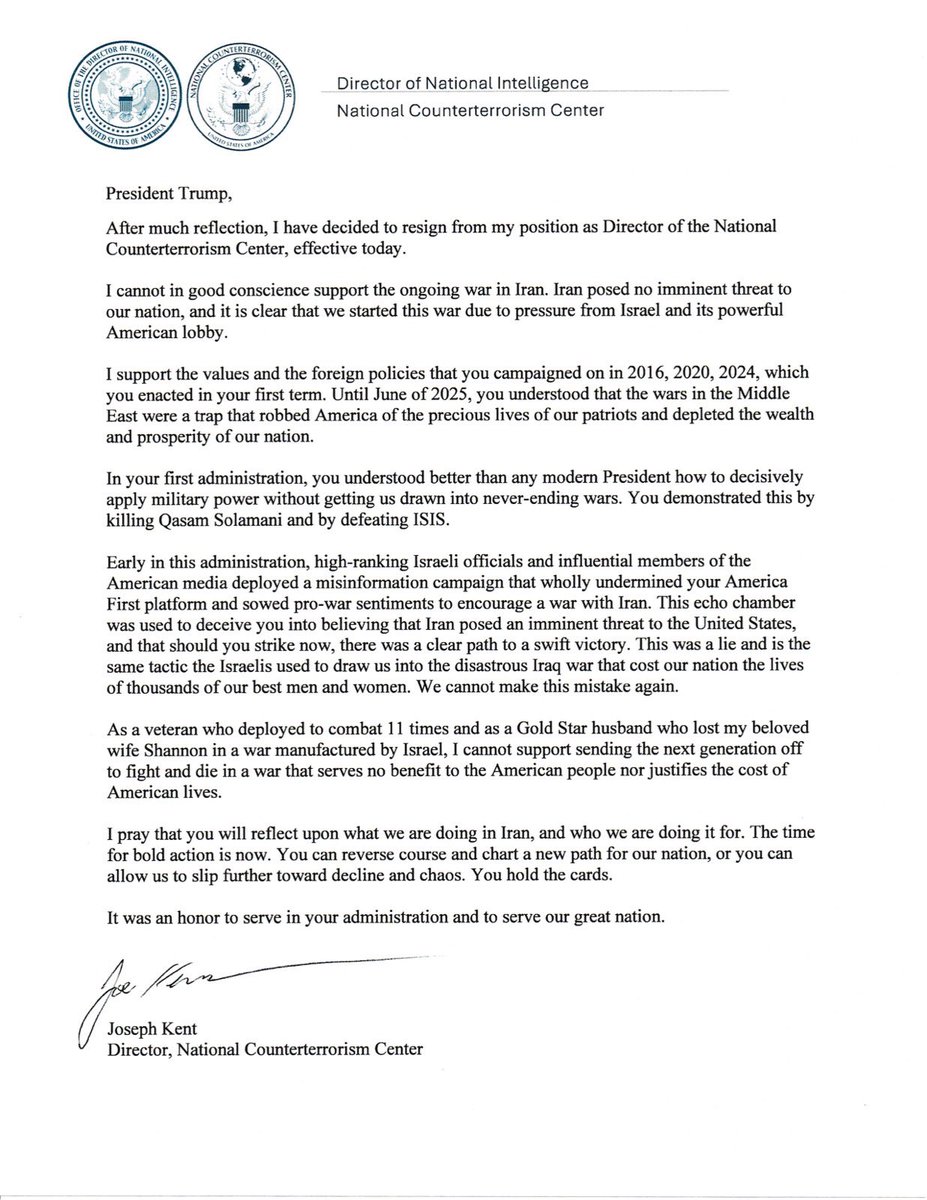
After much reflection, I have decided to resign from my position as Director of the National Counterterrorism Center, effective today. I cannot in good conscience support the ongoing war in Iran. Iran posed no imminent threat to our nation, and it is clear that we started this war due to pressure from Israel and its powerful American lobby. It has been an honor serving under @POTUS and @DNIGabbard and leading the professionals at NCTC. May God bless America.
Joe Kent tweet media
English
73.2K
220K
850.1K
100.8M
beech
beech@beechinour·
you can 10x the quality of the videos you create by being ruthless about where you take inspo from… there’s a huge difference between creators that have an amazing reference bank vs just trying to rip “what’s currently working” on the X timeline i built a huge a swipe file which includes: - the best commercials from the last 10 years - critically acclaimed movie trailers - random clips I couldn't look away from rt + comment "swipe" and I'll send over the file (must be following)
English
394
243
444
41.1K
Captain_Off_Grid
Captain_Off_Grid@Captain_0f_Alts·
@reallyoptimized This just proves how ignorant you are on the subject lmao. Cooper River chinook is the most sought after salmon in the world dumb ass. All My fish is competitive with the market and sells out every year. You are obviously offended because you took the vaccine. Gfy
English
8
2
70
946
Ryan
Ryan@reallyoptimized·
The guy trying to sell you salmon at $90 a pound is lying to you about farmed salmon... Shocking, I know.
English
11
0
2
2.5K