@RevvyPhennex@FinderGuys@Pirat_Nation I used signal when it first came out and I keep getting notifications when a contact joins signal and then I send them a message explaining how the private app broadcast that info to everyone and they all get upset 🤣 zero way to turn this feature off and it’s really bad
Meta is ending end-to-end encryption for Instagram DMs after May 8, 2026.
Official reason: almost nobody used it and they need to scan for child safety.
WhatsApp still has E2EE, for now.
Billionaires lose millions to become billionaires.
Millionaires lose thousands to become millionaires.
Broke people want to lose nothing but want to be rich.
@hooker_lef69735@ebschor@saylordocs That's because it's been finally proven that Satoshi is Jeffrey Epstein and Bitcoin is a side project hobby of the Rothschilds.
ALL funds you hold on CeX's can and WILL be used against you.
Hold your coins on chain, hold them where nobody else can access them.
CZ regularly sells user funds, to liquidate users and buy back those funds lower to pocket the difference as you suffer.
@WhatsApp@BRICSinfo WhatsApp collects metadata, such as your phone number, contacts, messaging history, device information, IP address, group membership, and more. That metadata is not encrypted and can be shared with Meta or law enforcement.
Telegram is shit, and standard chats/group chats are not E2EE by default, unlike Telegram’s secret chats. Telegram collects IP address history, device and session history, who you talk to, group and channel memberships, message timestamps and activity history, contact relationships, account activity logs, and message content in standard chats, etc., compared to other encryption messaging apps like Signal.
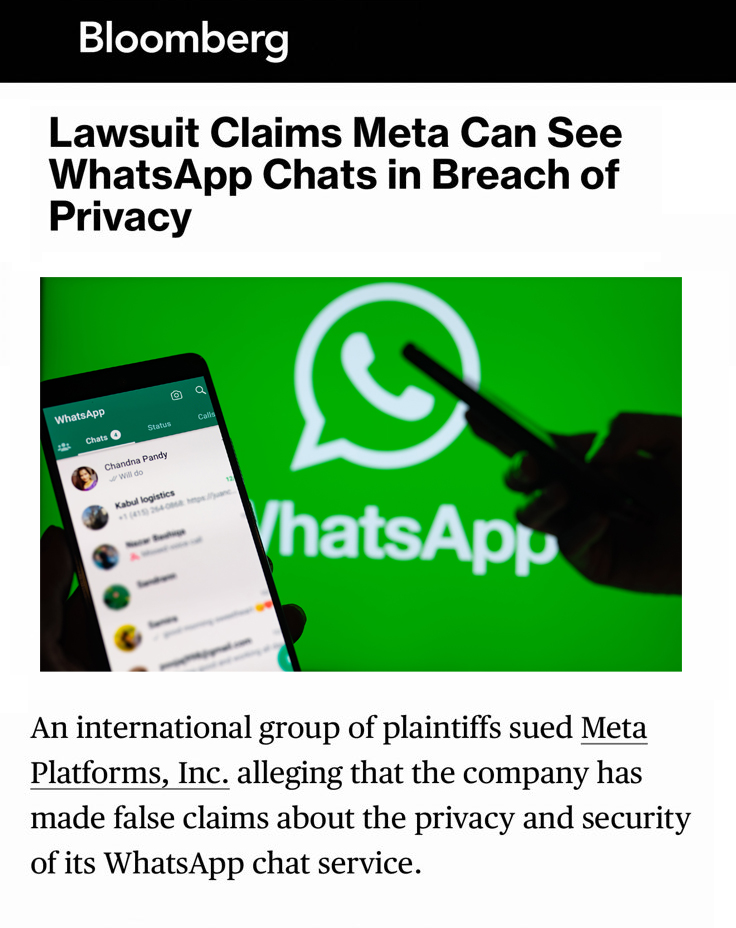
BREAKING: Meta Whistleblowers say WhatsApp private chats can be read by the company, despite promises of end to end encryption.
A lawsuit filed in US court claims Meta misled billions of users worldwide into believing their messages were fully private.
Meta can not be trusted.
On January 10, 2026 at around 11 pm UTC a victim lost $282M+ worth of LTC & BTC due to a hardware wallet social engineering scam.
The attacker began converting the stolen LTC & BTC to Monero via multiple instant exchanges causing the XMR price to sharply increase.
BTC was also bridged to Ethereum, Ripple, & Litecoin via Thorchain.
Theft addresses (2.05M LTC, 1459 BTC):
bc1qluxw46r55wf3dnk9c652vrt4duadm3hpuktf86
bc1qpsmh26ja0fzzf286zulmt9eywujc2pggj40wzm
ltc1qly43c2prj4c2e85dcspzpjd36jnapnenldnr70
That’s not how the Swedish law works. FRA-lagen allows limited, targeted signals intelligence on cross-border traffic under authorization not blanket data storage, and it does not require VPNs to log users. Data-retention laws apply to ISPs/telecoms, not VPNs, and EU courts have ruled against blanket retention. Lol
A threat actor known as "1011" claimed on a dark web forum to have accessed a misconfigured NordVPN development server via brute force, leaking Salesforce API keys, Jira tokens, database schemas, and source code for over 10 databases.
Shared samples reveal table structures (e.g., salesforce_api_step_details, api_keys) but no customer data, user accounts, payment information, or VPN logs.
The incident seems limited to a non-production environment. NordVPN has not issued an official statement, and the leak's authenticity remains unverified.
That's not Monero being “hard to use”, it's people making mistakes outside the protocol. The cases you've heard about come from OPSEC errors like leaking IPs, chain-hopping into traceable assets, reusing usernames/emails, having chat logs stored on seized servers, or having devices compromised, etc.
@Vrsceee_@nextiscrypto@sebp888 So basically monero is too difficult for the average user if the guys actively trying to hide their identity can't even do it right?
Got it
@nextiscrypto@sebp888 Monero’s core privacy mechanisms remain intact. People often become exposed due to their own OPSEC errors, not because the protocol has failed. Lol
Then use P2P Exchanges like Bisq, Haveno, Retoswap, or use AtomicSwaps, etc. But also, when you buy XMR on a KYC exchange, they know your identity, the amount of Monero you bought, and the first address you withdraw to. But after the withdrawal, Monero’s privacy features prevent them from tracing where the XMR goes inside the network.