Karambizi Ol.Olivier retweetledi

Karambizi Ol.Olivier
103.7K posts


@Ollegkar
🇷🇼 by Heart and Soul. Passionate about transformative leadership (#PK); Motivational Speaker. #IVLP Alumni


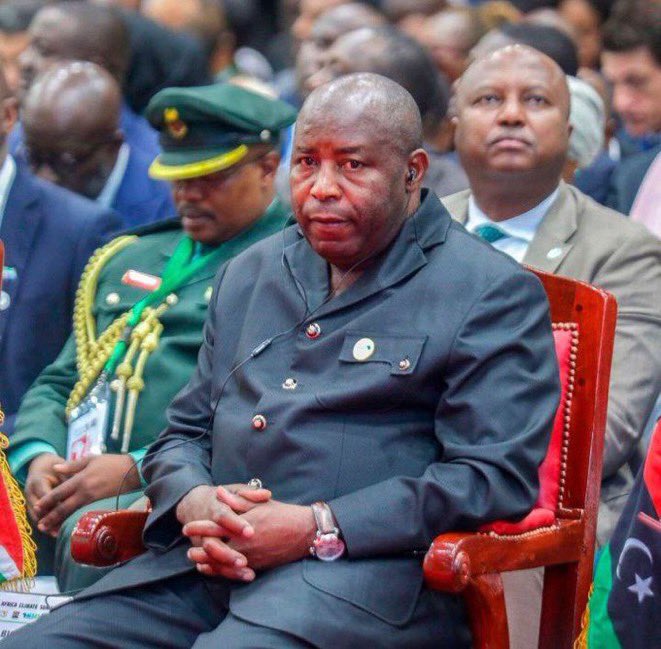
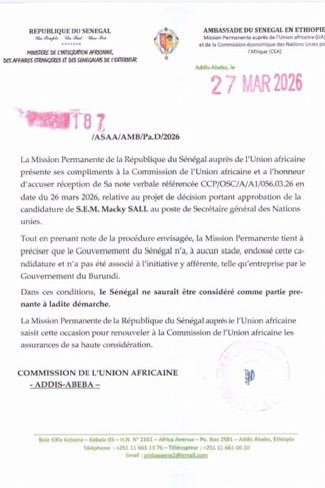
What happened today at the African Union is a stark reminder that leadership matters. It's unbelievable to note that a whole continental organisation can be tarnished or driven into a crisis by its own Chairperson, who is in office for not even two months. Unlike what I read here and there in the media, today's decision by the twenty (20) AU member States who broke the silence was not aimed at rejecting the candidature of anyone. It was aimed at opposing a flawed procedure initiated by President Evariste Ndayishimiye of Burundi, Chairperson of the African Union, in total violation of all rules and regulations governing African candidatures in the international system. In this matter, everything was wrong from day one: FIRST, on 2nd March 2026, the Permanent Representative of Burundi in New York sent a letter to the President of the UN General Assembly, informing her that: "my government, current Chair of the African Union, nominates His Excellency Macky Sall, former President of the Republic of Senegal, for the position of Secretary-General of the United Nations". This submission of an African candidature to the position of UN Secretary General came as a surprise to all African Heads of State and Government, as none of them was consulted by the AU Chairperson before taking this important decision. SECOND, after submitting the candidature of former President Macky Sall in New York, the President of Burundi attempted to force his African counterparts to endorse this gross breach of procedure. Indeed, he yesterday convened the bureau of the African Union (attended by only two other members) and decided to put such an important matter under an unusual 24-hour "silence procedure". In other words, President Ndayishimiye, instead of convening an AU Summit to advise him on the right procedure, chose to give his fellow AU Heads of State and Government only 24 hours to either endorse, by keeping silent, an AU decision that "EXPRESSES ITS FIRM SUPPORT to the President of the Republic of Burundi, H.E. Evariste Ndayishimiye, Chairperson of the AU for 2026, for having presented the candidacy of President Macky Sall [...] for the position of Secretary-General of the United Nations", or to reject it by breaking the silence. This was too much for many AU member States, which could not accept such a diktat and such disrespect from their Chairperson. They then decided to break the silence, block his decision and remind President Ndayishimiye that the African Union is governed by the rule of law. Unfortunately, the damage was already done in the outside world but I hope that this incident will nonetheless serve us as a lesson for future appointments of AU Chairpersons.

🏀 A perfect start for RSSB TIGERS🇷🇼. Onto the next one! #BAL #RwandaSports

Des femmes d’exception qui, chacune à sa manière, ont affronté le système Kagame avec un courage et une abnégation remarquables. @JudiRever, journaliste d’investigation dont l’enquête explosive sur les crimes du Front patriotique rwandais (FPR) a profondément ébranlé le récit officiel — et dont le dernier ouvrage, Rwanda’s 30‑Year Assault on Congo, constitue une véritable pépite. Allison Turner, avocate de la défense au Tribunal pénal international pour le Rwanda (TPIR), qui a tenu tête aux récits institutionnels dominants. Et Marie‑Rose Habyarimana, fille du président Juvénal Habyarimana, dont la parole publique demeure un acte de résistance. Au milieu de ces femmes, se glisse le chauve du Canada 😀...
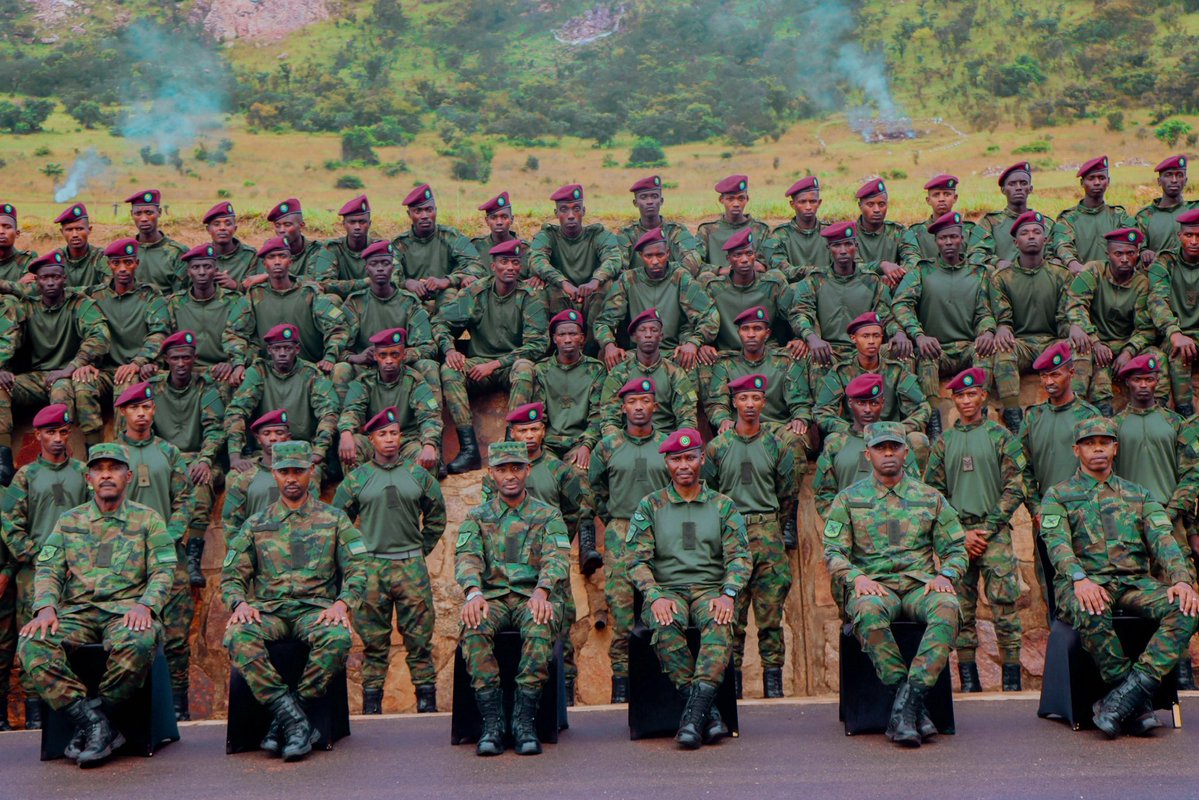
Izi ntumwa za EU ziyobowe na Amb. @BelenCalvoEU, uyoboye @EUinRW, aho bari kwiyumvira bumwe mu buhamya bw'abitandukanyije na #FDLR

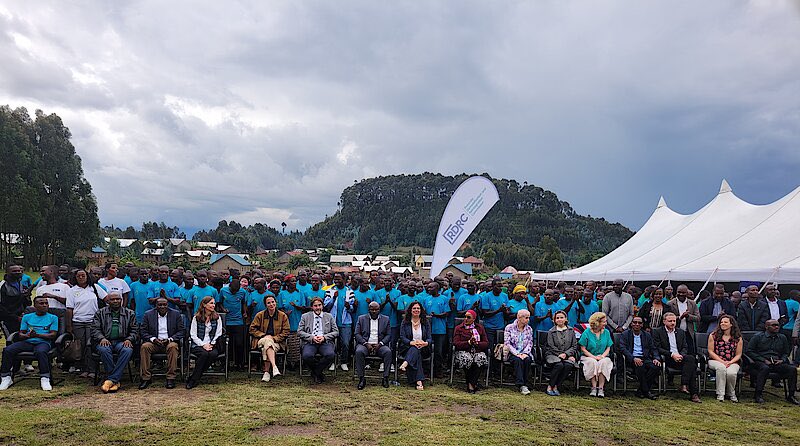
The EU delegation, led by Ambassador @BelenCalvoEU, Head of @EUinRW, is listening to first-hand testimonies from individuals who have disengaged from #FDLR.


Rwanda: HRF condemns the wrongful ruling of the Kagame-controlled Supreme Court against democratic opposition leader Victoire Ingabire.


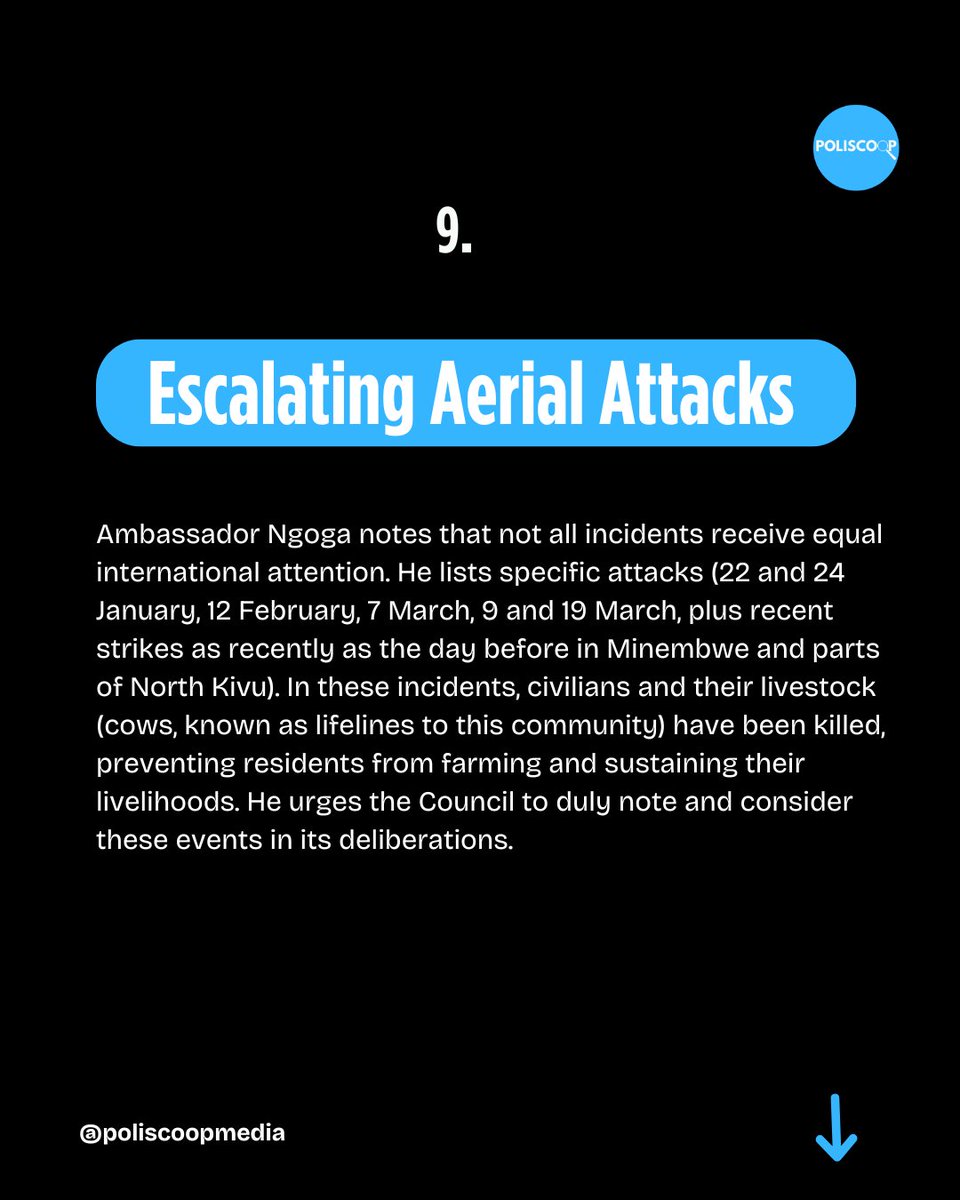
#DRC - Attacks on cattle in the DRC are not simply barbaric acts; they are also about destroying the livelihoods of their owners, and the cows’ bodies are perceived as a representation of their owners’ ethnicity. In the last five years, a coalition of DRC state-sponsored armed groups, together with the DRC national army, has been looting and killing cattle belonging to the Banyamulenge/Tutsi people in South and North Kivu in the DRC. In both regions, more than 1.8 million cows have been killed or looted by these actors. Most recently, the DRC government has used drones to kill cows in Minembwe, South Kivu. The attackers are not simply driven by primitive behaviours but are ideological and work in partnership with state actors. The violence inflicted on the cattle often involves deliberate suffering as a means of harming their owners, as these animals are perceived by the attackers as Tutsi themselves, or at least as representations of Tutsi ethnicity. There is an even more disturbing parallel. During the 1994 genocide against the Tutsi in Rwanda, an estimated 250,000 to 500,000 women were raped, mutilated, or murdered. Sexual violence was not limited to rape in its conventional form; Tutsi women’s bodies were perceived and portrayed not only as representations of their ethnicity but also as sites of violence against the Tutsi ethnic group and their families. Returning to attacks on the Tutsi people cows, a Belgian journalist, Colette Blackman, once fuelled rumours about hundreds cattle seen in Kwango, in the central Congo region. She claimed that Tutsi cattle were “wearing AK-47s.” The story was further amplified by hundreds of conspiracy theories claiming that Tutsi people were hiding inside large cows. Understanding what attacks on cattle mean to their owners is crucial. In North and South Kivu and Ituri, cattle herding is a central mode of economic sustainability for the Bahema people (in Ituri) and the Tutsi/Banyamulenge people in North and South Kivu. Every family practises this way of life, and everyone in the community relies on this form of wealth. Cattle are the foundation of these people lifestyle and are almost as important as people. They are the source of pride, power and influence and are the symbol of wealth and success. These communities depend on them and cows depend on them. Taking example of the Banyamulenge people, until the 1970s, they still made ikerenve, food made from blood taken painlessly from the living animal and still today they provide them with the main element of their diet: milk. Socially, cattle are used as gifts to strengthen family ties, Guhana or gushumbusha, and are used to build friendship between people. If people are affected by a disaster or epidemic that affects their herds, a collection of donations in cattle will be made to help them; sometimes such gifts are given to those who just do not have enough cattle. Building friendship with other tribes in the DRC in this way is known as Ubgwira. Dry horns are used as water containers and musical instruments. Ingunga, leather from the hides, used to play a significant role as a source of clothing before modern textiles were introduced and it is still used for musical instruments such as drums as well as for bedding. Cow-dung plays an important role in building their huts: mixed with watered soil, it is used to support sticks on the ground and for roughcasting huts. Another major role of cattle is in religious or cultural rituals such as engagement and marriage. They are an important part of the engagement ceremony. After a bride has been requested through a small ceremony called kubaza, and if the girl’s family agree, the man’s family come with a few selected beautiful cows as a symbol of gufata irembo – ‘a word has been spoken and promise made’. Following this, several months later they come for the official dowry negotiations which again involve cattle. The debate is not about the value of the bride in terms of material possessions: the more cattle given to the girl’s family, the more the girl will be able to give to the future married couple, kurongoranya, so the groom-to-be has an interest in his family giving more cattle. Depending on the family, the “bride price” can be as many as twenty cows. The importance of cattle, therefore, goes far beyond their value in terms of a source of food. In a similar way to human beings, they have individuality and may acquire flattering names. They owners communicate to them through various traditional songs, poems or whistling, telling them when to move to water when to come for milking and so on. For them to have enough food and water, continued access to a cattle herding lifestyle is absolutely essential: the men take them to better pastures during the dry season and have no choice but to take risks in entering dangerous areas. This traditional significance is the main reason why the DRC government, the army, and its sponsored armed groups have been targeting cattle: to destroy livelihoods and undermine Tutsi economic sustainability, as violent attacks on their cattle are perceived as attacks on their owners.

#DRC - Attacks on cattle in the DRC are not simply barbaric acts; they are also about destroying the livelihoods of their owners, and the cows’ bodies are perceived as a representation of their owners’ ethnicity. In the last five years, a coalition of DRC state-sponsored armed groups, together with the DRC national army, has been looting and killing cattle belonging to the Banyamulenge/Tutsi people in South and North Kivu in the DRC. In both regions, more than 1.8 million cows have been killed or looted by these actors. Most recently, the DRC government has used drones to kill cows in Minembwe, South Kivu. The attackers are not simply driven by primitive behaviours but are ideological and work in partnership with state actors. The violence inflicted on the cattle often involves deliberate suffering as a means of harming their owners, as these animals are perceived by the attackers as Tutsi themselves, or at least as representations of Tutsi ethnicity. There is an even more disturbing parallel. During the 1994 genocide against the Tutsi in Rwanda, an estimated 250,000 to 500,000 women were raped, mutilated, or murdered. Sexual violence was not limited to rape in its conventional form; Tutsi women’s bodies were perceived and portrayed not only as representations of their ethnicity but also as sites of violence against the Tutsi ethnic group and their families. Returning to attacks on the Tutsi people cows, a Belgian journalist, Colette Blackman, once fuelled rumours about hundreds cattle seen in Kwango, in the central Congo region. She claimed that Tutsi cattle were “wearing AK-47s.” The story was further amplified by hundreds of conspiracy theories claiming that Tutsi people were hiding inside large cows. Understanding what attacks on cattle mean to their owners is crucial. In North and South Kivu and Ituri, cattle herding is a central mode of economic sustainability for the Bahema people (in Ituri) and the Tutsi/Banyamulenge people in North and South Kivu. Every family practises this way of life, and everyone in the community relies on this form of wealth. Cattle are the foundation of these people lifestyle and are almost as important as people. They are the source of pride, power and influence and are the symbol of wealth and success. These communities depend on them and cows depend on them. Taking example of the Banyamulenge people, until the 1970s, they still made ikerenve, food made from blood taken painlessly from the living animal and still today they provide them with the main element of their diet: milk. Socially, cattle are used as gifts to strengthen family ties, Guhana or gushumbusha, and are used to build friendship between people. If people are affected by a disaster or epidemic that affects their herds, a collection of donations in cattle will be made to help them; sometimes such gifts are given to those who just do not have enough cattle. Building friendship with other tribes in the DRC in this way is known as Ubgwira. Dry horns are used as water containers and musical instruments. Ingunga, leather from the hides, used to play a significant role as a source of clothing before modern textiles were introduced and it is still used for musical instruments such as drums as well as for bedding. Cow-dung plays an important role in building their huts: mixed with watered soil, it is used to support sticks on the ground and for roughcasting huts. Another major role of cattle is in religious or cultural rituals such as engagement and marriage. They are an important part of the engagement ceremony. After a bride has been requested through a small ceremony called kubaza, and if the girl’s family agree, the man’s family come with a few selected beautiful cows as a symbol of gufata irembo – ‘a word has been spoken and promise made’. Following this, several months later they come for the official dowry negotiations which again involve cattle. The debate is not about the value of the bride in terms of material possessions: the more cattle given to the girl’s family, the more the girl will be able to give to the future married couple, kurongoranya, so the groom-to-be has an interest in his family giving more cattle. Depending on the family, the “bride price” can be as many as twenty cows. The importance of cattle, therefore, goes far beyond their value in terms of a source of food. In a similar way to human beings, they have individuality and may acquire flattering names. They owners communicate to them through various traditional songs, poems or whistling, telling them when to move to water when to come for milking and so on. For them to have enough food and water, continued access to a cattle herding lifestyle is absolutely essential: the men take them to better pastures during the dry season and have no choice but to take risks in entering dangerous areas. This traditional significance is the main reason why the DRC government, the army, and its sponsored armed groups have been targeting cattle: to destroy livelihoods and undermine Tutsi economic sustainability, as violent attacks on their cattle are perceived as attacks on their owners.

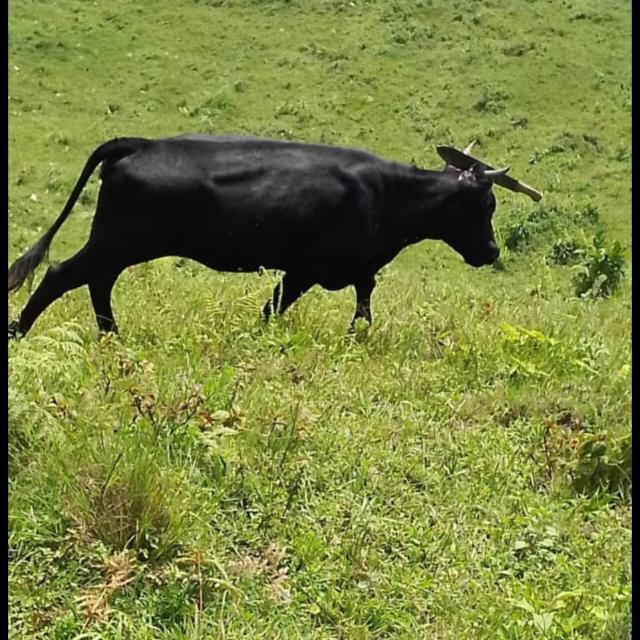
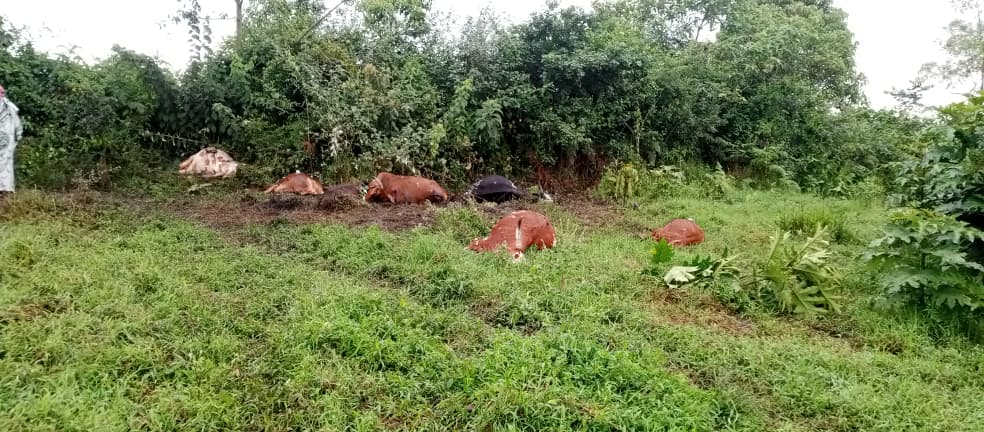
#DRC - Attacks on cattle in the DRC are not simply barbaric acts; they are also about destroying the livelihoods of their owners, and the cows’ bodies are perceived as a representation of their owners’ ethnicity. In the last five years, a coalition of DRC state-sponsored armed groups, together with the DRC national army, has been looting and killing cattle belonging to the Banyamulenge/Tutsi people in South and North Kivu in the DRC. In both regions, more than 1.8 million cows have been killed or looted by these actors. Most recently, the DRC government has used drones to kill cows in Minembwe, South Kivu. The attackers are not simply driven by primitive behaviours but are ideological and work in partnership with state actors. The violence inflicted on the cattle often involves deliberate suffering as a means of harming their owners, as these animals are perceived by the attackers as Tutsi themselves, or at least as representations of Tutsi ethnicity. There is an even more disturbing parallel. During the 1994 genocide against the Tutsi in Rwanda, an estimated 250,000 to 500,000 women were raped, mutilated, or murdered. Sexual violence was not limited to rape in its conventional form; Tutsi women’s bodies were perceived and portrayed not only as representations of their ethnicity but also as sites of violence against the Tutsi ethnic group and their families. Returning to attacks on the Tutsi people cows, a Belgian journalist, Colette Blackman, once fuelled rumours about hundreds cattle seen in Kwango, in the central Congo region. She claimed that Tutsi cattle were “wearing AK-47s.” The story was further amplified by hundreds of conspiracy theories claiming that Tutsi people were hiding inside large cows. Understanding what attacks on cattle mean to their owners is crucial. In North and South Kivu and Ituri, cattle herding is a central mode of economic sustainability for the Bahema people (in Ituri) and the Tutsi/Banyamulenge people in North and South Kivu. Every family practises this way of life, and everyone in the community relies on this form of wealth. Cattle are the foundation of these people lifestyle and are almost as important as people. They are the source of pride, power and influence and are the symbol of wealth and success. These communities depend on them and cows depend on them. Taking example of the Banyamulenge people, until the 1970s, they still made ikerenve, food made from blood taken painlessly from the living animal and still today they provide them with the main element of their diet: milk. Socially, cattle are used as gifts to strengthen family ties, Guhana or gushumbusha, and are used to build friendship between people. If people are affected by a disaster or epidemic that affects their herds, a collection of donations in cattle will be made to help them; sometimes such gifts are given to those who just do not have enough cattle. Building friendship with other tribes in the DRC in this way is known as Ubgwira. Dry horns are used as water containers and musical instruments. Ingunga, leather from the hides, used to play a significant role as a source of clothing before modern textiles were introduced and it is still used for musical instruments such as drums as well as for bedding. Cow-dung plays an important role in building their huts: mixed with watered soil, it is used to support sticks on the ground and for roughcasting huts. Another major role of cattle is in religious or cultural rituals such as engagement and marriage. They are an important part of the engagement ceremony. After a bride has been requested through a small ceremony called kubaza, and if the girl’s family agree, the man’s family come with a few selected beautiful cows as a symbol of gufata irembo – ‘a word has been spoken and promise made’. Following this, several months later they come for the official dowry negotiations which again involve cattle. The debate is not about the value of the bride in terms of material possessions: the more cattle given to the girl’s family, the more the girl will be able to give to the future married couple, kurongoranya, so the groom-to-be has an interest in his family giving more cattle. Depending on the family, the “bride price” can be as many as twenty cows. The importance of cattle, therefore, goes far beyond their value in terms of a source of food. In a similar way to human beings, they have individuality and may acquire flattering names. They owners communicate to them through various traditional songs, poems or whistling, telling them when to move to water when to come for milking and so on. For them to have enough food and water, continued access to a cattle herding lifestyle is absolutely essential: the men take them to better pastures during the dry season and have no choice but to take risks in entering dangerous areas. This traditional significance is the main reason why the DRC government, the army, and its sponsored armed groups have been targeting cattle: to destroy livelihoods and undermine Tutsi economic sustainability, as violent attacks on their cattle are perceived as attacks on their owners.