#ClimateJustice Bishop retweetledi
𝐀𝐟𝐫𝐢𝐜𝐚𝐧 𝐂𝐒𝐎𝐬 𝐂𝐨𝐧𝐯𝐞𝐧𝐞 𝐢𝐧 𝐀𝐝𝐝𝐢𝐬 𝐀𝐛𝐚𝐛𝐚 𝐭𝐨 𝐂𝐡𝐚𝐫𝐭 𝐏𝐨𝐬𝐭 𝐂𝐎𝐏𝟑𝟎 𝐒𝐭𝐫𝐚𝐭𝐞𝐠𝐲 𝐓𝐨𝐰𝐚𝐫𝐝 𝐂𝐎𝐏𝟑𝟐
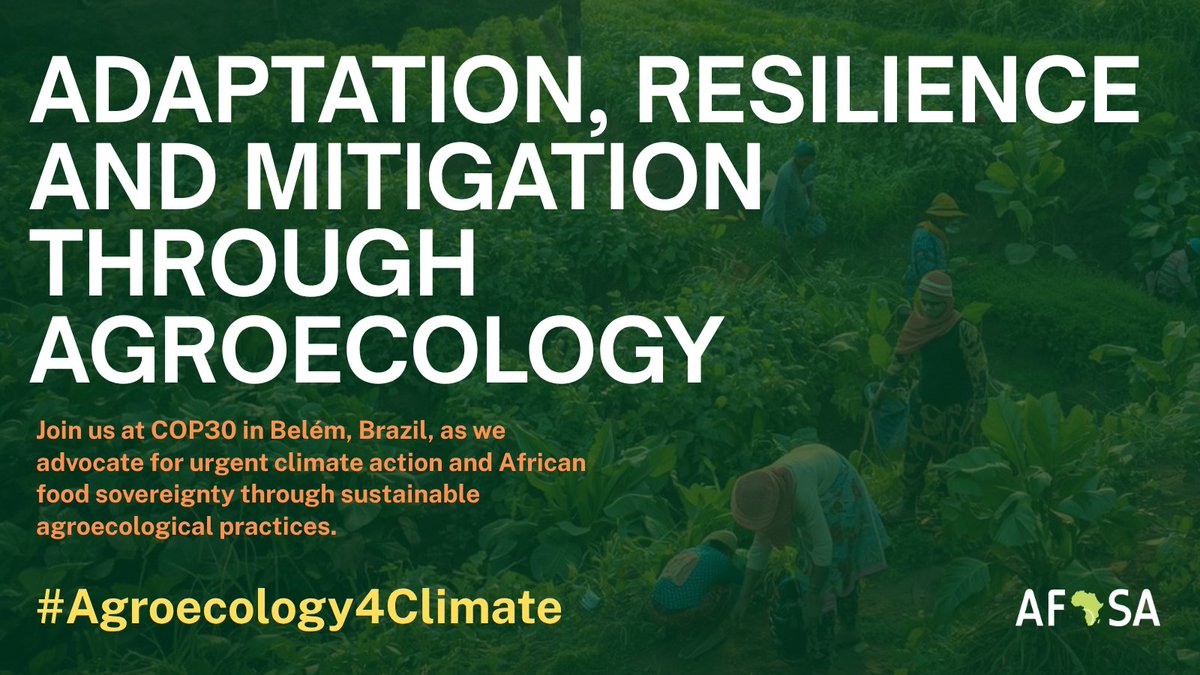
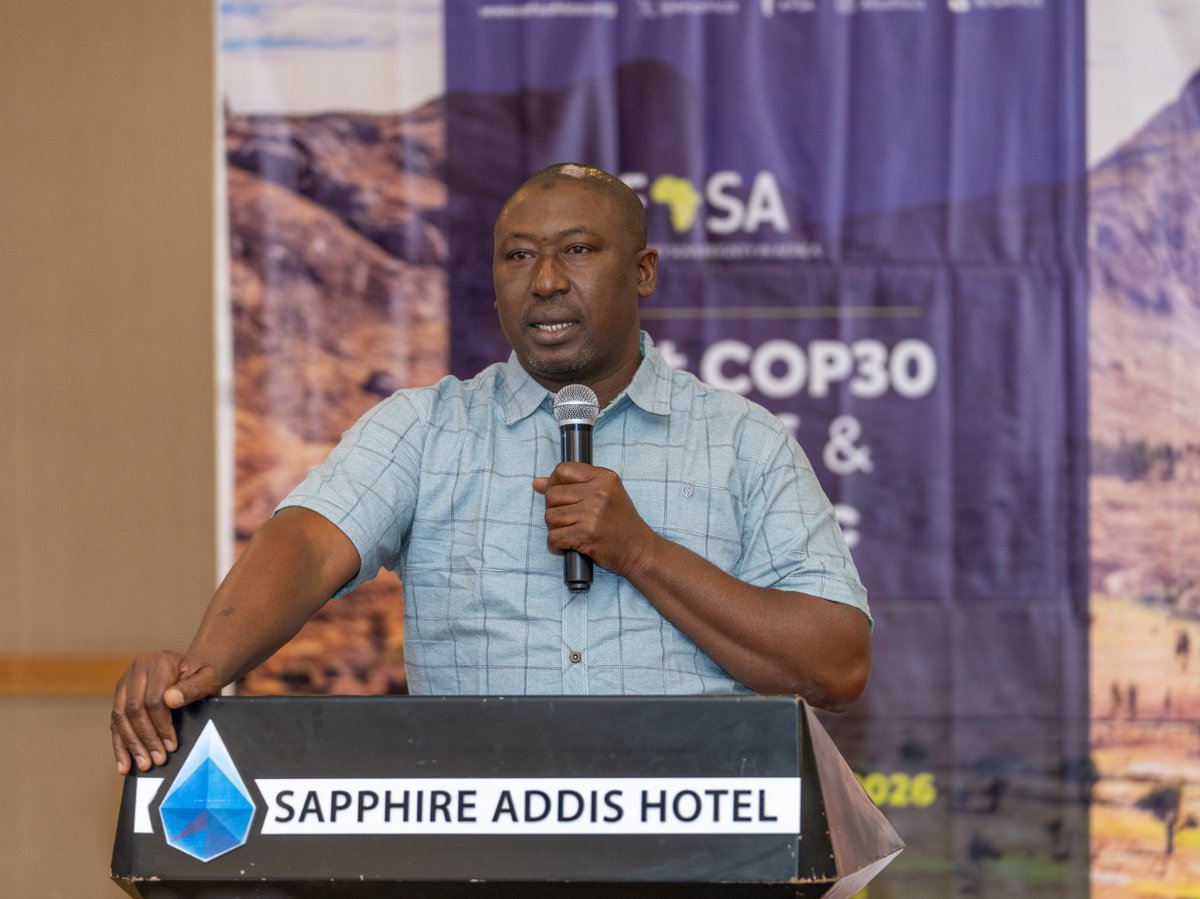
Today in Addis Ababa, the Alliance for Food Sovereignty in Africa (AFSA), through its Agroecology and Climate Change Working Group, convened a Civil Society Organisation debrief and strategic consultation meeting bringing together 42 participants from 16 African countries at Sapphire Addis Hotel. The two day meeting, taking place on January 28 to 29, 2026, creates a critical space for collective reflection on the outcomes of #COP30 and for shaping a coordinated African strategy toward #COP32.
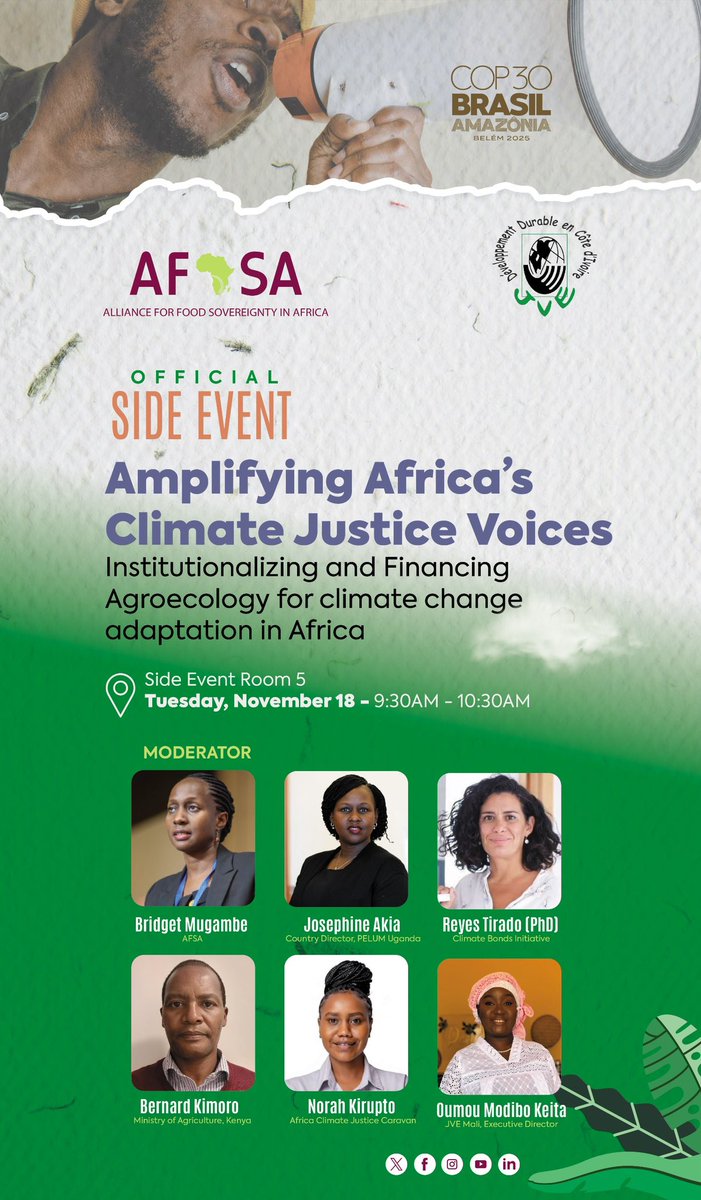
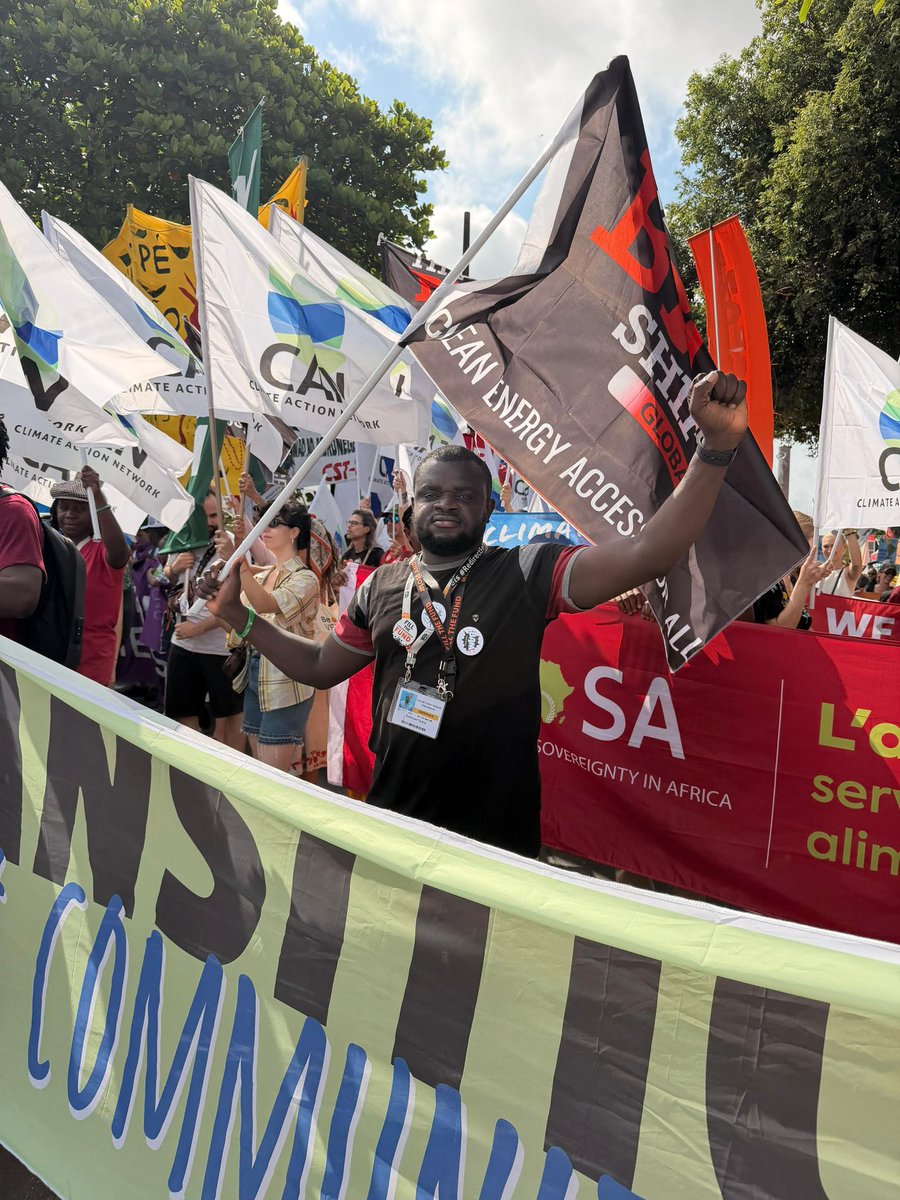
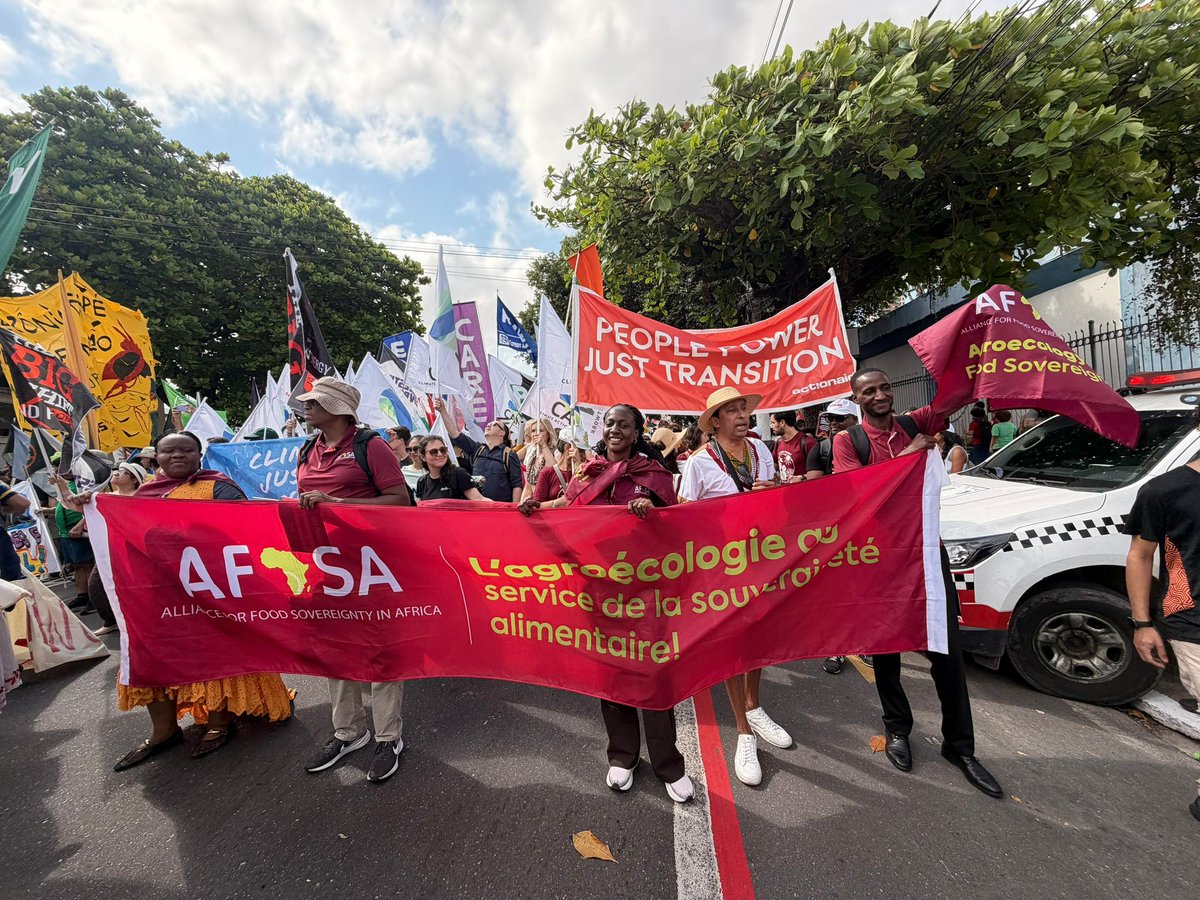
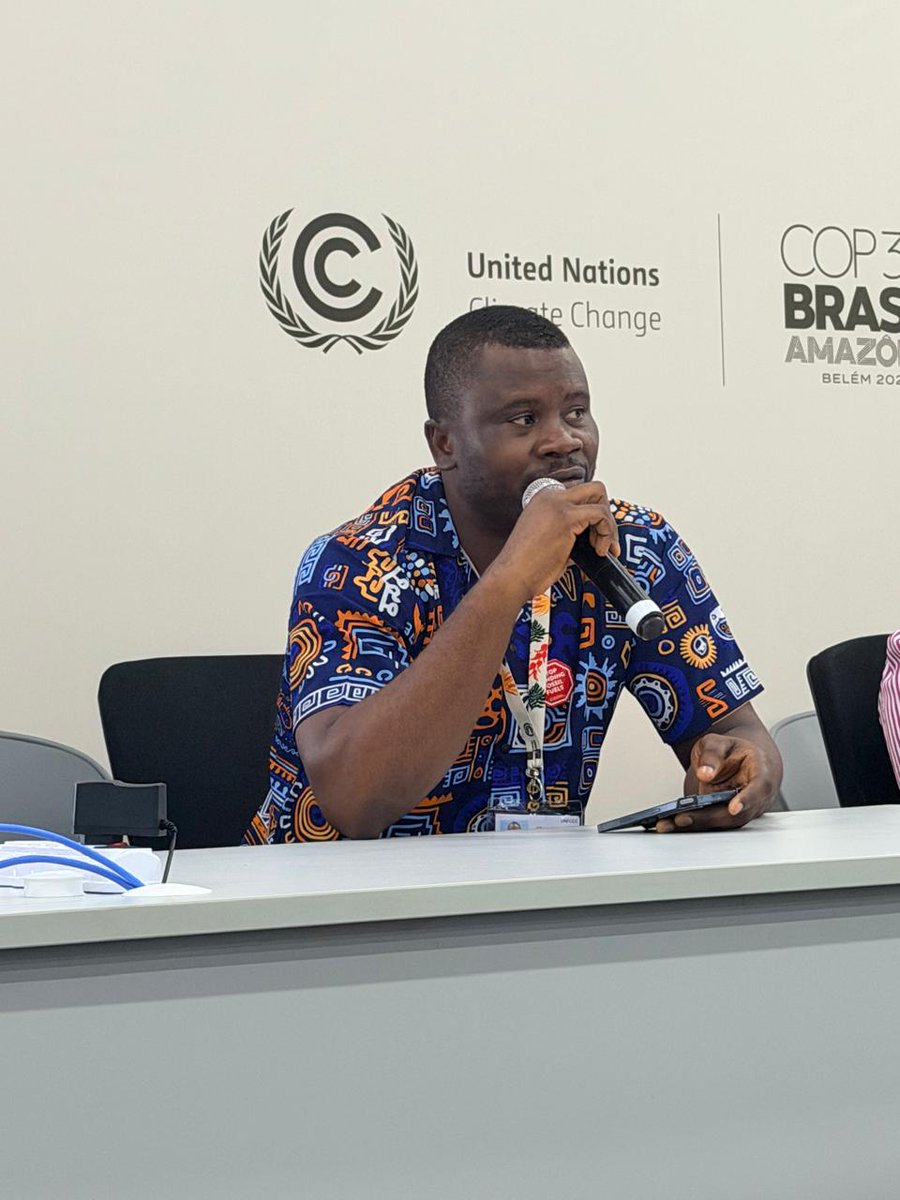
African civil society participation at COP30 in Belém, Brazil was strong and diverse, yet the final outcome texts did not meaningfully recognize agriculture, food systems, or agroecology within adopted decisions. While political momentum around adaptation and climate finance continued to grow, locally led approaches such as agroecology remained insufficiently reflected in global commitments.
The meeting is therefore designed to unpack these outcomes in depth, consolidate lessons learned from African engagement at COP30, and identify key advocacy gaps that must be addressed in the coming negotiation cycles. Participants will examine developments related to the Global Goal on Adaptation, climate finance, the Just Transition Work Programme, National Adaptation Plans, and the stalled agriculture negotiations under the SSJWA track, with a focus on how African priorities and community driven solutions can be more effectively advanced in formal climate processes.
A central focus of the discussions will be strengthening coordination between African civil society organisations, national policymakers, and members of the African Group of Negotiators, to ensure more aligned, strategic, and technically grounded engagement in future COP processes. The consultation will also explore how African CSOs can deepen collaboration with governments and regional institutions, enhance their collective advocacy capacity, and secure stronger positioning for agroecology as an African led adaptation pathway within national and global climate frameworks.
Over the two days, participants are expected to develop a shared interpretation of COP30 outcomes, build a clearer understanding of negotiation dynamics, and jointly design a unified roadmap guiding Africa’s advocacy efforts toward COP31 and COP32. The process aims to strengthen readiness among civil society actors to influence climate policy spaces while reinforcing partnerships that elevate African voices and community realities in climate decision making.


English