Pramit Pal Chaudhuri retweetledi
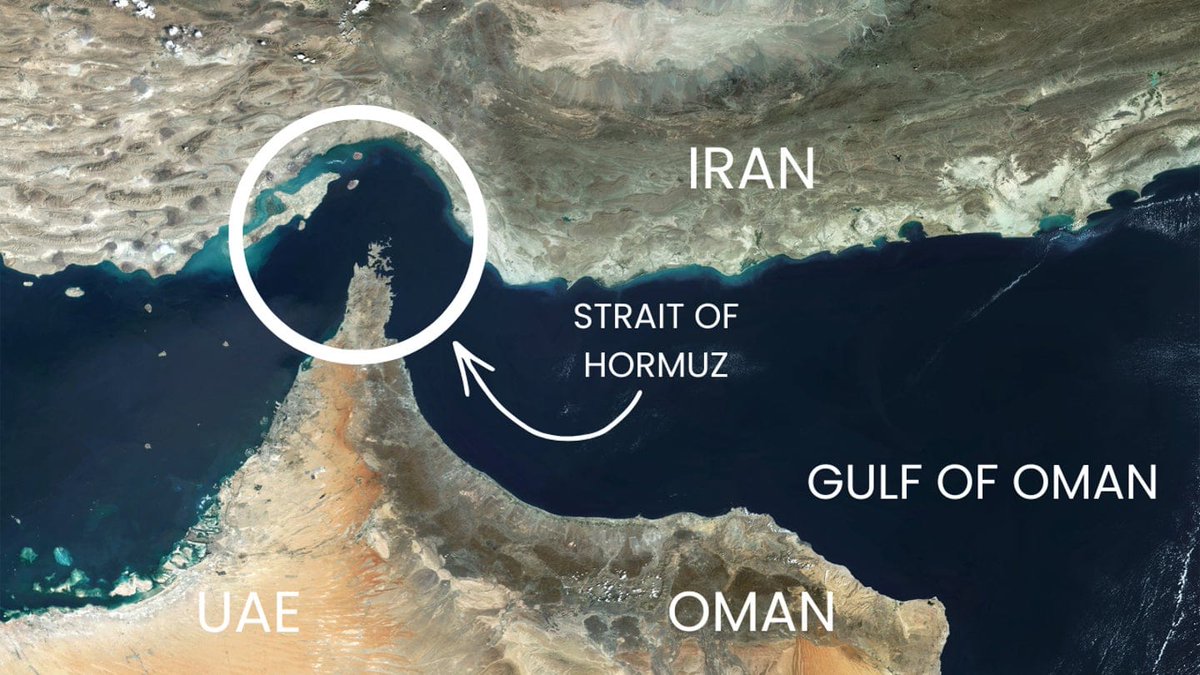
Does Iran have the legal right to create checkpoints in the Strait of Hormuz? According to the United Nations Convention on the Law of the Sea (UNCLOS) 1982, they do not. However, Iran signed but never ratified UNCLOS 1982, similar to the United States. As a result, Iran reverts to UNCLOS 1958.
The key difference between the two conventions is that the United Nations Convention on the Law of the Sea (UNCLOS) 1982 designates the Strait of Hormuz as an international strait, allowing for "transit passage." In contrast, UNCLOS 1958 refers to international straits with "innocent passage." The term "innocent passage" permits foreign vessels to navigate through a coastal state's territorial waters without prior authorization, provided their passage is considered "innocent," meaning it does not threaten the peace, good order, or security of the coastal state.
Under the rules of UNCLOS 1958, Iran can enforce its domestic laws in the Iranian part of the Strait concerning:
- Safety of navigation
- Pollution prevention
- Security and surveillance
Iran asserts that the United States cannot enjoy the rights of "transit passage" as defined in the 1982 United Nations Convention on the Law of the Sea (UNCLOS), arguing that the U.S. only has the right of "innocent passage" since it never ratified UNCLOS 1982.
In response, the U.S. dismisses this claim, stating that "transit passage" has become a principle of "customary law." This means that if all countries adhere to a particular practice for decades, it becomes legally binding, regardless of whether the treaty has been ratified.
English