Ford Brewer MD, MPH
1.4K posts

Ford Brewer MD, MPH
@PrevMedHealth
Preventive Medicine Physician | Johns Hopkins | At the forefront of helping patients with longevity, metabolic disease, and cardiovascular health
South Carolina, USA Katılım Kasım 2008
76 Takip Edilen1.3K Takipçiler

The biggest mistake people make with vitamin D is not measuring their levels.
A lot of my patients come to me and say, “Doc, I’m out in the sun all the time. How can I have a deficiency?”
The reality is that sun exposure helps, but it’s not enough for a lot of people.
Roughly 40–50% of adults are walking around with low vitamin D, depending on the population you look at, and low levels are associated with higher cardiometabolic and cardiovascular risk over time.
Test, don’t guess. If you can, check your vitamin D level first and then consider supplementing.
English

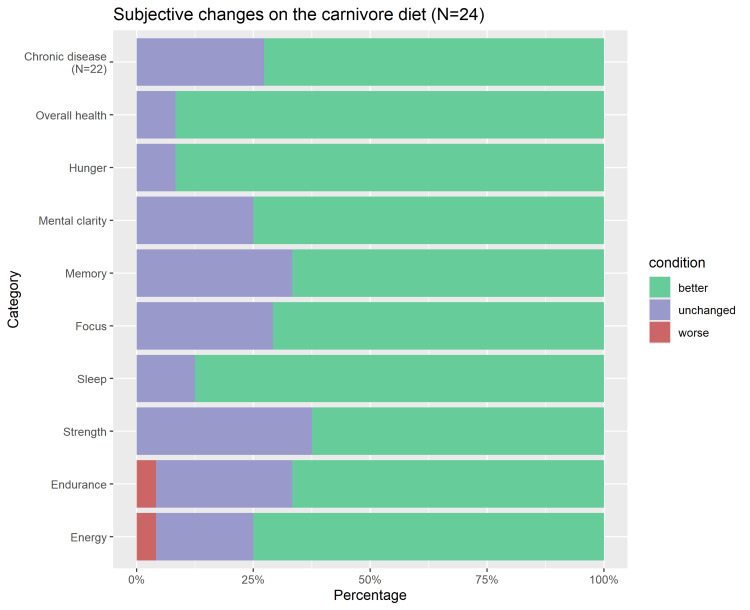
A new German carnivore diet study (2025) followed 24 adults (avg age 46) who had been eating a carnivore diet for at least 6 months. Two‑thirds had at least one chronic condition.
The study relied on questionnaires and blood tests and the results were overwhelmingly positive:
92% reported improved overall health
77% saw improvements in chronic diseases
79% experienced better mental clarity
92% had reduced hunger and cravings
67% reported improved endurance
Common benefits included better energy, mood, sleep, digestion, weight loss and reduced inflammation.
Many participants also reported rapid improvements in resolving conditions like plantar fasciitis within a week and skin issues clearing quickly.
The only findings the researchers flagged as “concerning” were increases in LDL‑C and total cholesterol. But LDL is fundamentally a lipid transport particle and essential for fat‑trafficking. So the increases were not without explanation even if the study failed to incorporate that explanation.
Overall, the study showed that for these individuals, a carnivore diet was associated with broad improvements in health, symptoms and quality of life.

English

@fmfclips Yep. We are finding that intensity matters.
English

Two years of structured, vigorous exercise reversed about 20 years of age-related structural changes in the hearts of sedentary 50-year-olds
Under Dr. Ben Levine’s protocol, participants gradually built up to 5–6 hours/week of training, including Norwegian 4x4 intervals, endurance sessions, and strength work
By the end, the size and stiffness of their hearts resembled those of a typical 30-year-old
Vigorous exercise is powerful medicine
English

@Rainmaker1973 I’m really glad to see people questioning the easy button; “treat LDL”. It’s just not that simple & easy. We all wish it were. Doctors and patients relying that hurt people.
English

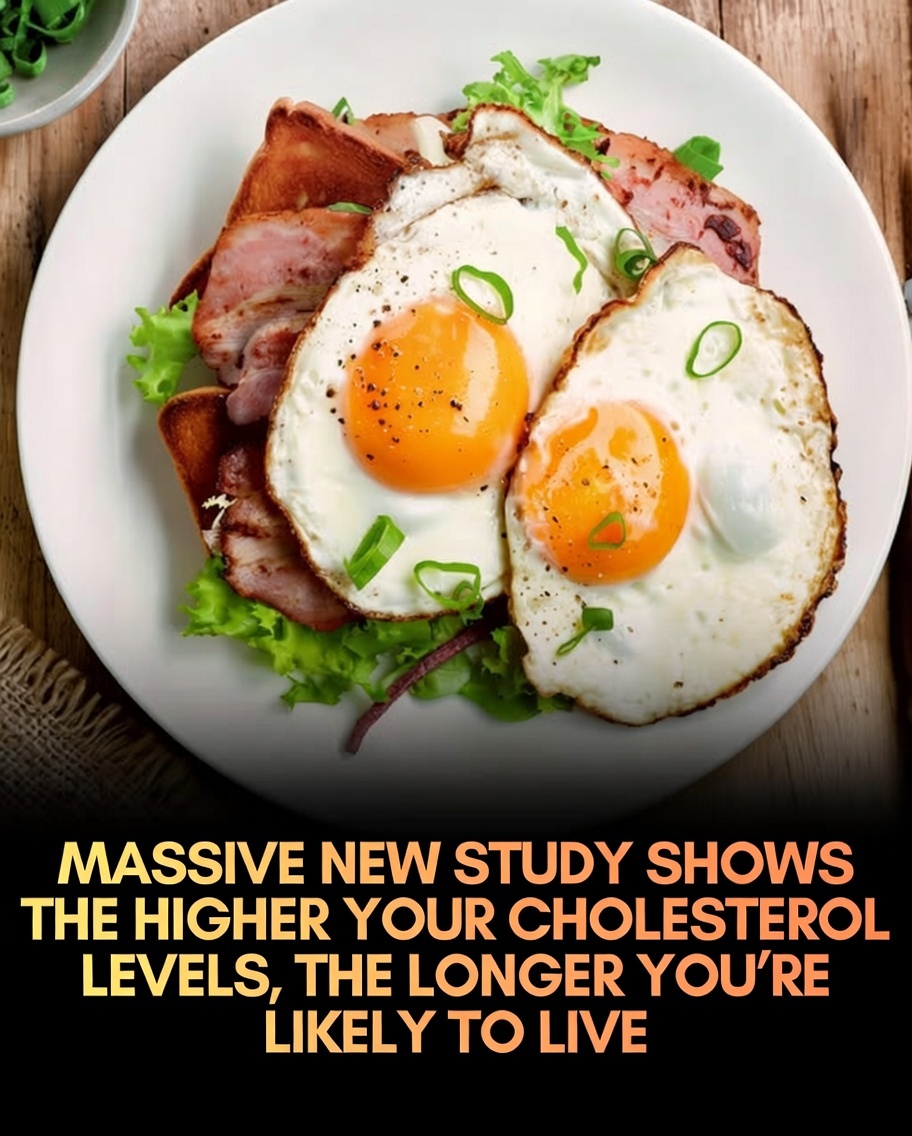
A research reveals that moderately elevated cholesterol levels correlate with greater longevity, particularly in the elderly—challenging longstanding assumptions about cholesterol's role in health.
For years, low-density lipoprotein (LDL), often labeled "bad" cholesterol, has been viewed as a major contributor to cardiovascular disease, with guidelines promoting "the lower, the better." Yet a phenomenon known as the cholesterol paradox is emerging from studies of exceptionally long-lived populations, such as those in Sardinia's Blue Zone.
In a 2025 study of Sardinian nonagenarians (aged 90+), researchers found that individuals with moderately higher LDL levels (≥130 mg/dL) survived significantly longer than those with lower levels, even after adjusting for factors like sex, physical activity, and health status. This pattern aligns with earlier systematic reviews showing that higher LDL in people over 60 is often linked to reduced all-cause mortality.
Scientists suggest that in advanced age, LDL may act as a vital resource, aiding immune response, hormone synthesis, cell membrane integrity, and repair processes—functions that become increasingly important as the body combats age-related decline.
These insights point toward age-specific, personalized approaches to cholesterol management. While controlling high cholesterol remains crucial for younger and middle-aged adults to prevent heart disease, aggressively lowering it in the elderly—especially via statins—may warrant reconsideration. Clinicians are increasingly advocating nuanced evaluations that incorporate genetics, inflammation, overall frailty, and lifestyle rather than relying solely on cholesterol numbers.
For many reaching 90 or beyond, moderate cholesterol levels could represent not a threat, but a supportive factor in achieving exceptional longevity.
[source: Pes, G. M., et al. (2021). Low-density lipoprotein cholesterol and mortality in the oldest old: Evidence from the Sardinian longevity Blue Zone. Geriatrics and Gerontology International]

English

Which has more microplastics?
Keurig or Nespresso
Most people assume plastic pods automatically mean more microplastics. The ANSES data complicate that assumption.
In 2025, ANSES analyzed beverages sold in glass, plastic, and metal containers. The surprise finding was that glass bottles often had higher microplastic counts than plastic bottles. The source was not the glass. It was the paint and polymer coatings on metal caps, which shed microplastics through friction and handling. Container material was not the driver. Painted metal interfaces were.
Apply that mechanism to coffee pods.
Nespresso
Aluminum capsule with polymer lacquer inside and polymer inks or varnish outside. Brewing requires needle puncture, deformation, and high pressure. This recreates the same painted metal abrasion ANSES identified as the dominant microplastic source in glass bottles.
Keurig
Plastic cup and lid, but no painted metal interface being abraded during brewing.
If the ANSES mechanism holds, the intuitive answer flips. The higher microplastic risk may come from coated metal under mechanical stress, not from plastic volume alone.
So the uncomfortable possibility is this.
Nespresso’s painted aluminum pods could plausibly shed more microplastics than Keurig pods, not because of aluminum, but because of the coatings on it.
No one has directly measured this yet.
But ANSES already showed us where to look.
sciencedirect.com/science/articl…
English

Diabetes increases the risk of cardiac events by up to four times, yet it is massively ignored and frequently undiagnosed. Meanwhile, everyone is focused on cholesterol. We should not focus only on cholesterol — diabetes, and more accurately metabolic disease, is a major culprit and should not be ignored.
academic.oup.com/eurjpc/article…
English

@FCademartiri @drpablocorral I agree. There is no doubt that atherosclerosis is complex, but focusing only on cholesterol while ignoring inflammation has kept us from educating the public accurately and has prevented us from helping millions of people avoid cardiac events.
English

@drpablocorral I think we say it’s an inflammatory disease we mean that mechanisms of disease generation, progression and complication are heavily mediated by an inflammatory response.
English

☝️Atherosclerosis IS NOT an inflammatory disease
👉Tuberculosis is not an inflammatory disease. It’s an infectious disease
👉HIV is not an inflammatory disease. It’s an infectious disease
👉Rheumatoid arthritis is an inflammatory disease.
👉Systemic lupus erythematosus is an inflammatory disease.
Atherosclerosis?
It has a strong inflammatory component — no doubt.
But fundamentally, it is a disease of retention and deposition.
☝️Let’s stop confusing the mechanisms involved with the disease itself.
@society_eas
@nationallipid
@Drlipid
x.com/drpablocorral/…

Will Brink@WillBrink
Now that the JACC gives guidelines for inflammation and ASCVD, will we address it actively? I say that's well overdue: jacc.org/doi/10.1016/j.… @Drlipid @MohammedAlo @NutritionMadeS3 @DrMichaelSagner @nationallipid @DrMakaryFDA @drpablocorral @ShawnRyan762

English

@robertlufkinmd @CaryKelly11 Why? I don’t think it’s $$. I think it’s emotional & conceptual inertia. Failure to think. Failure to be open to new evidence.
English

'The recommendation to limit dietary saturated fatty acid (SFA) intake has persisted despite mounting evidence to the contrary.'
h/t @CaryKelly11
jacc.org/doi/10.1016/j.…

English

@robertlufkinmd @CaryKelly11 I couldn’t agree more. Wonder why?
English

@fmfclips Intensity is critical. My generation thought it was all about LSD (Long Slow Distance). We were wrong. Yes, there is a place for it. But intensity is critical for aging humans.
English

Vigorous exercise activates mitochondrial biogenesis in a way moderate training simply can’t
When muscles can’t make energy fast enough, they demand new mitochondria to keep up
High-intensity effort drives lactate production, activating PGC-1α to grow mitochondria that boost oxygen efficiency, glucose control, and lower oxidative stress
The more intense the stimulus, the greater the adaptation
English

@ozertayizx @drjasonfung Most “primary prevention of CV disease” really isn't primary. Vascular plaque was already there. And often it was know. “CV disease” is usually vascular disease which has impacted other organs: like heart & brain.
English

@drjasonfung How about the risk of having a CVD without any prior events before? Which is more relevant to the most of the population.
Also considering the first heart attack you have can kill you...
English

AI modelling - LDL cholesterol not among top 24 risk markers for recurrent CVD. New research from Harvard on CVD risk “advanced modeling techniques, such as machine learning, our models demonstrated considerable improvement at predicting 10-year cardiovascular death" Smoking, age, diabetes - very important risk predictors. LDL, not so much.
"Some known risk markers, such as low-density lipoprotein cholesterol and lipoprotein-a, were not selected for secondary risk estimation by the model."
massgeneralbrigham.org/en/about/newsr…
jacc.org/doi/10.1016/j.…

English

Hi @reneritchie we’re reaching out to ask for help. Our channel saw significant growth thanks to the MLA feature, and we invested heavily in building around it. we recently lost it. If there’s any way to help us, we’d greatly appreciate it.
English

Hey @YouTube we saw incredible channel growth with the Multilanguage option, reaching millions with life-saving health content. We even hired translators and built a process to ensure accuracy. Recently, we lost that feature. Is there any way we can get it back soon? Thanks!
English

The HIDDEN Benefits of Eating Garlic at Night youtube.com/live/QQMN3CqK-… via @YouTube

YouTube
English

Live Longer with Eggs! (even if they are expensive)!: NEW EVIDENCE youtube.com/live/xQUyaiSuK… via @YouTube

YouTube
English