Prodrome Sciences
156 posts

Prodrome Sciences
@ProdromeScience
Advancing cellular health by supporting practitioners through lipid science. Membranes, signaling, and the biology that drives brain & metabolic function.
Temecula, CA Katılım Kasım 2019
66 Takip Edilen816 Takipçiler

Most supplements don’t actually do anything.
Because they never touch the systems that run your cells.
This breaks down what actually matters:
→ Energy production (mitochondria)
→ Cellular repair systems
→ The membranes everything depends on
If it doesn’t plug into real biology… it doesn’t work.
Read Part 1: prodrome.com/blogs/science/…

English

Disease doesn’t just appear; it follows the loss of health.
Longevity isn’t random; it’s measurable.
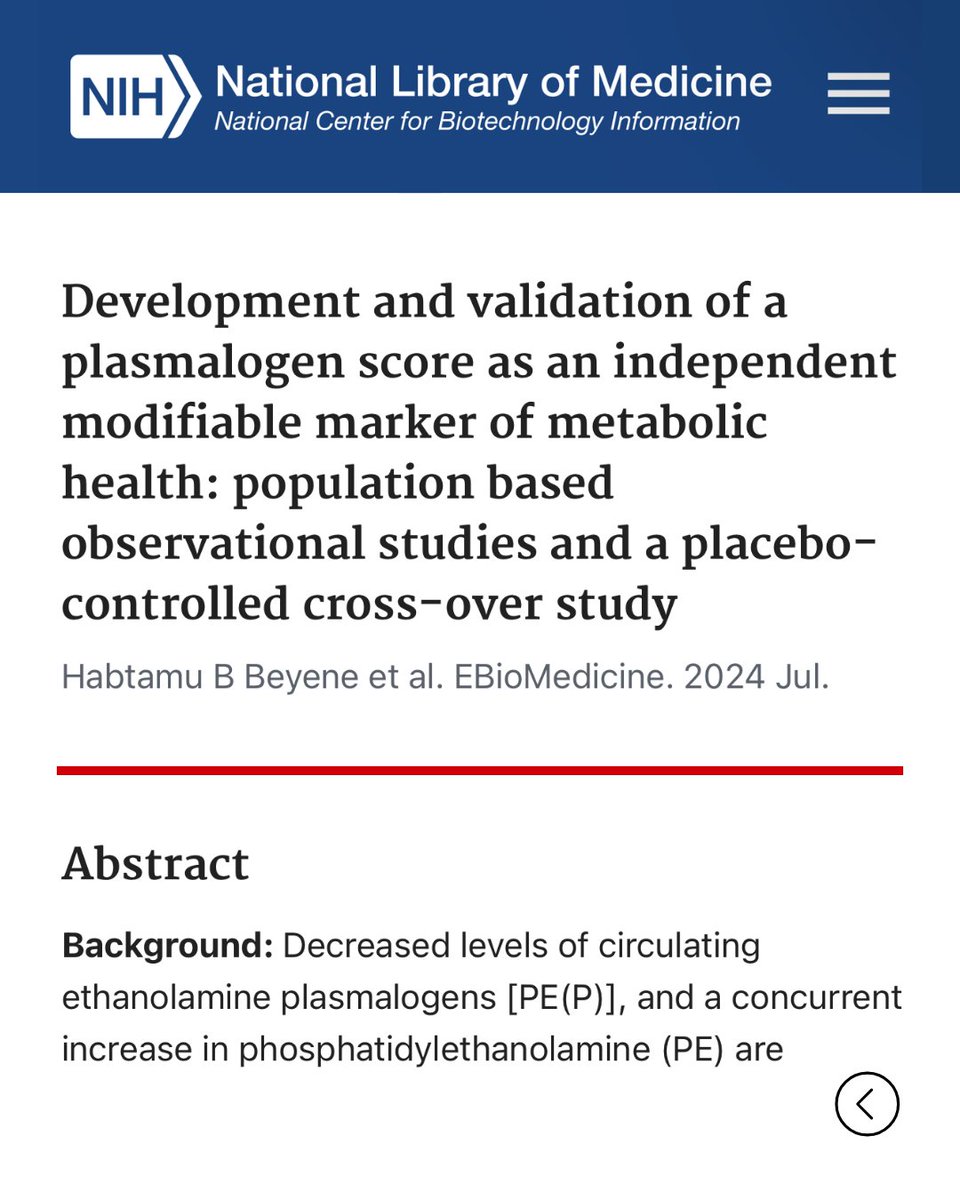
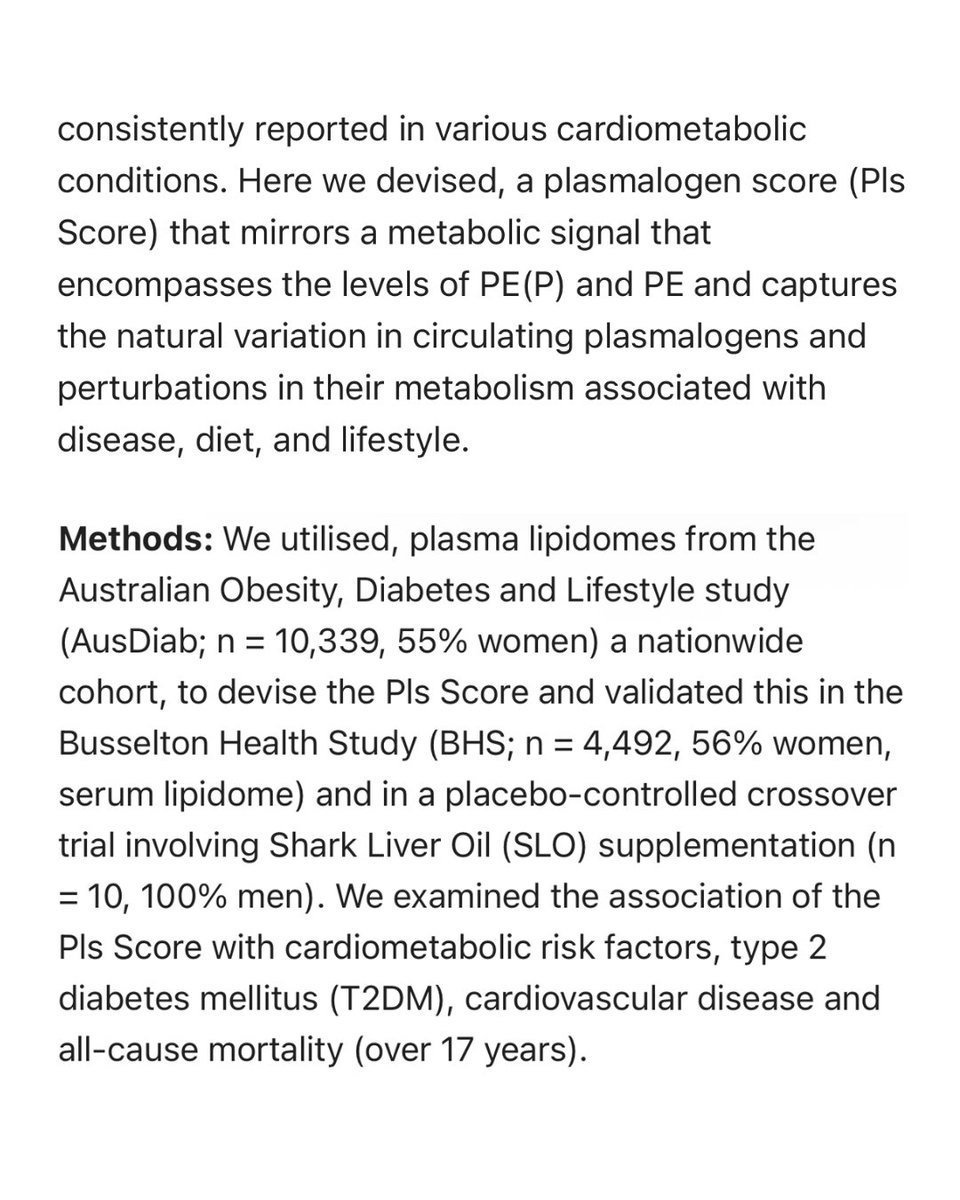
Up to a 30-year difference linked to plasmalogen levels and all-cause mortality.
#longevity #plasmalogen #healthjourney

English

Plasmalogens aren’t just linked to dementia—they predict overall lifespan. Studies show a 30-year difference in life expectancy based on your plasmalogen levels.
This changes everything. Instead of chasing disease, we can focus on creating true health.
#Longevity #CellularHealth #Plasmalogens #HealthyAging

English


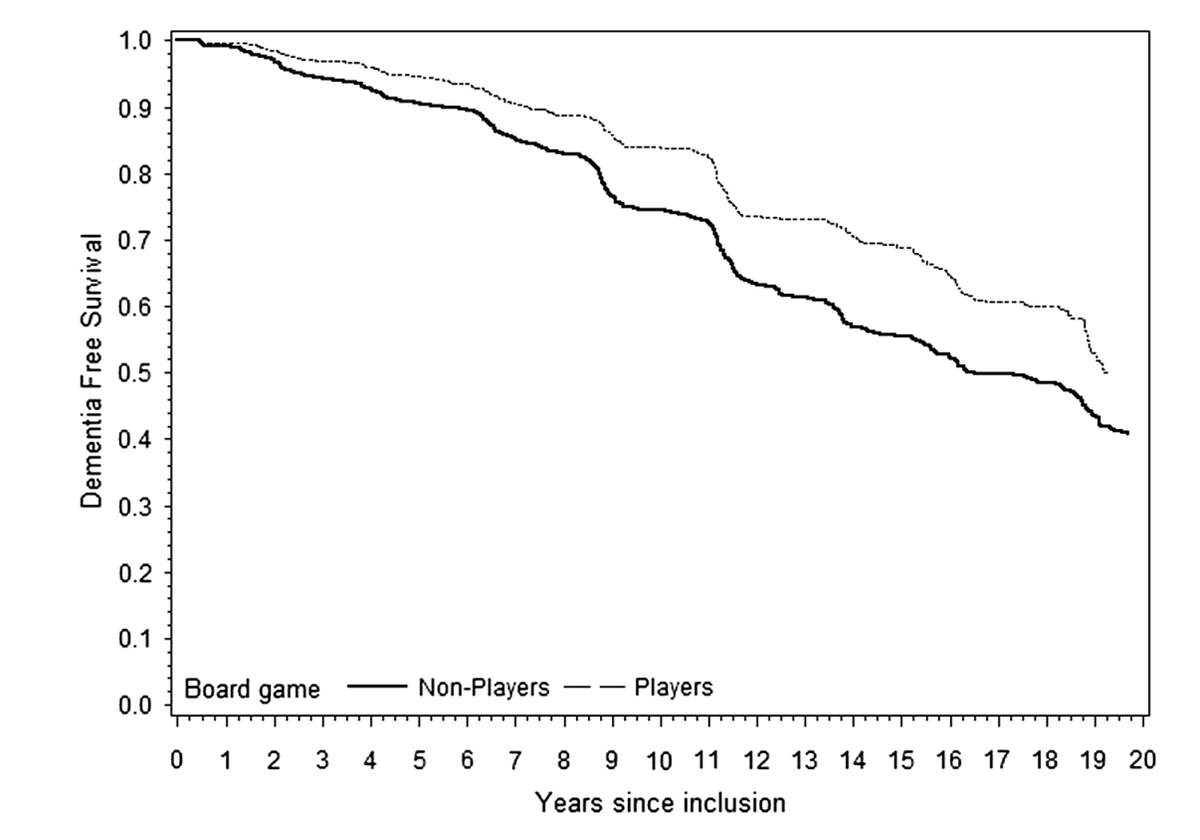
@BrandonLuuMD We challenge you to a 'friendly' game of Catan... :)
English

Corazzolla et al. used PET-MRI to measure TSPO in the skull bone of patients with MS. TSPO was elevated in secondary progressive disease and correlated with disability, white matter loss and cognitive impairment, suggesting biomarker potential. shorturl.at/sqXkq

English

This is a major step forward, but it raises a deeper question:
Why does network connectivity break down in the first place?
Neural networks depend on membrane structure to maintain signal fidelity.
When membrane integrity is compromised, signaling becomes unstable, which causes networks to reorganize, which then causes connectivity patterns to shift.
SCAN may be less the root cause… and more the system-level expression of underlying cellular dysfunction.
This webinar from Dr. Dayan Goodenowe PhD & neuroscientist (and our founder) did a great webinar about this in October '25. Here's the link to watch it: drgoodenowe.com/webinars-on-de…
English

New research in Nature just changed how I think about Parkinson’s disease.
For years, we treated it as a problem in isolated motor areas that control the hand or foot. But brain imaging across 863 participants suggests something bigger.
Parkinson’s may involve a whole body control system in the brain called the Somato-Cognitive Action Network (SCAN).
Researchers found that deep brain regions like the substantia nigra become overconnected to this network. Treatments that work, like levodopa and deep-brain stimulation, seem to improve symptoms by normalizing this hyperconnectivity.
In a small clinical trial, patients who received magnetic stimulation targeting the SCAN improved twice as much as those treated at traditional limb motor areas.
This suggests Parkinson’s might not just be a movement disorder of isolated regions. It may be a network disorder of whole body control.
Early results, but a fascinating shift in how we may treat the disease.

English

Really interesting data and apologies for the severely delayed response.
One important point to clarify is that circulating plasmalogen levels don’t always tell the full biological story. Plasmalogens aren’t passive lipids in the bloodstream; they’re structural membrane components that are constantly being incorporated into cells, remodeled, and used in oxidative defense.
Because of this high turnover, lower circulating levels can sometimes reflect increased utilization, not lack of effect. When membranes are actively remodeling or under oxidative stress, plasmalogens are pulled from circulation and incorporated into cell membranes. Ethanolamine plasmalogens, in particular, act as sacrificial antioxidants, so during periods of higher demand they can be consumed faster than they’re replenished. In those cases, blood levels may temporarily decline even while biological activity is increasing.
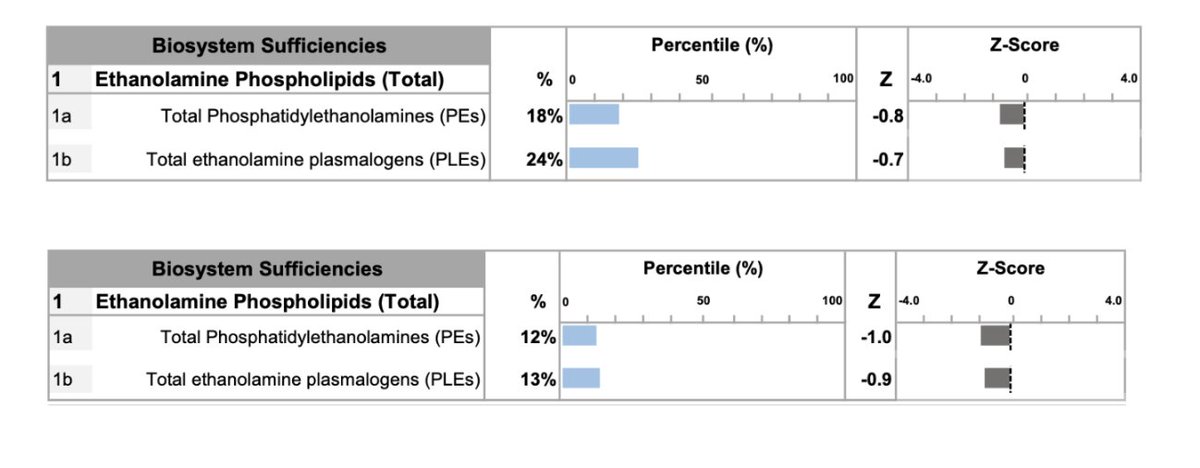
It’s also important to note that plasmalogens primarily exist in membranes, not in circulation. Plasma levels (which is the ProdromeScan™ you posted) represent a small, dynamic transport pool, while most plasmalogen biology occurs in neuronal, mitochondrial, and immune cell membranes. Because of that, changes in blood levels often reflect shifts in membrane remodeling rather than simple depletion.
Another challenge is that total plasmalogen levels alone don’t capture the full picture. Ether lipid metabolism is a pathway, not a single marker. Different plasmalogen pools behave differently depending on factors like precursor availability, membrane demand, and peroxisomal function.
That’s why Dr. Goodenowe expanded measurement beyond total plasmalogens with the BioMetrix™ BioScan platform, which looks at multiple components of ether lipid metabolism simultaneously, including ethanolamine and choline plasmalogens, lyso-plasmalogens (turnover markers), and related phospholipid intermediates. Looking at these together provides a clearer view of both steady-state levels and active lipid remodeling.
The pattern you shared isn’t unusual, especially in highly optimized individuals. When metabolic demand is high, it’s common to see some plasmalogen pools decrease while others remain stable or increase; reflecting lipid flux through the system, not absence of activity.
Another often overlooked factor is precursor biology. Many common lipid supplements (like DHA oils or phospholipids) support fatty acid pools but don’t rebuild the vinyl ether backbone required for plasmalogen synthesis. That process begins in the peroxisome and finishes in the endoplasmic reticulum, so if peroxisomal function is limited, you may shift fatty acid levels without restoring key plasmalogen pools tied to membrane structure.
Taken together, the data is interesting, but it doesn’t necessarily support the conclusion that there was no systemic effect. A more cautious interpretation is that lipid metabolism shifted, without full restoration of certain plasmalogen pools (or what Dr. Goodenowe describes as the plasmalogen reserve).
It would be especially insightful to look at membrane remodeling markers alongside plasma levels. Circulating plasmalogens reflect the transport pool, while most of the biology happens within membranes and those two don’t always move in the same direction.
Appreciate you sharing real data — conversations like this are what push better measurement, better precursor design, and a deeper understanding of lipid metabolism.
We have even more data today with the BioMetrix™ NeuroMRI where Dr. Goodenowe has shows his brain age reversal by 15 years. You can see this presentation of data and how he did it with the help of plasmalogen precursors. We think you'll love this webinar because of its focus and perspective on longevity that may align with yours - drgoodenowe.com/webinars-on-de…
Algae oil alone is not a plasmalogen precursor.
We'd love to invite you to 1) get a BioScan 2) come and train on BioMetrix™ BioScan so you can interpret the results. DM us!
English

After a year of taking plasmalogens, I stopped.
Plasmalogens are a class of lipids essential to brain and cell membrane health. They decline with age and are linked to neurodegenerative conditions like Alzheimer's.
I tracked mine after a year of supplementation. Before and after results:
-46% Total ethanolamine plasmalogens (PLEs), this is the most direct marker of the supplement’s intended effect
-74% EPA- Eethanolamine Plasmalogen
-33% Total Phosphatidylethanol amines (PEs)
+25% Total Choline Plasmalogens (PLCs)
-19% DHA-Choline Plasmalogen
Only one subgroup increased. The rest, including the primary targets, dropped. This isn’t a knock on plasmalogens as a concept. Some studies show benefits, especially in early Alzheimer’s. But response depends on baseline levels, absorption, delivery, and genetics. And I had no meaningful upward shift in total levels despite consistent dosing.
Possible issues:
+ Poor absorption?
+ Conversion bottlenecks?
+ Tissue-specific uptake not captured by blood tests?
Plasmalogens had no systemic effect in my case.
I’ll revisit plasmalogens if delivery tech improves or stronger human data emerges. Until then, it's off the stack.

English

Most “energy supplements” don’t address the underlying drivers of cellular energy.
Because energy doesn’t start in your mitochondria.
It begins at the level of the cell membrane.
When membrane composition is disrupted, cellular signaling and mitochondrial function may be affected.
It’s not always exciting to talk about foundational nutrients like vitamin C — but their role in supporting normal cellular processes is well established.
Drawing from years of internal data and biomarker insights, we’ve outlined a foundational approach to supporting cellular energy and membrane health.
Here’s what actually supports your cells ↓
prodrome.com/blogs/science/…
#plasmalogens #CellularHealth
#Mitochondria
#Biohacking
#Longevity
#FunctionalMedicine
#MetabolicHealth
#BrainHealth
#NutritionalScience
English
Prodrome Sciences retweetledi

✨ELITE PRACTITIONER SPOTLIGHT✨
Meet Krishna Doniparthi, MD @DrNKD —where biochemistry meets bold thinking.
Board-certified in regenerative, functional, family & obesity medicine, he restores health at the cellular level—targeting root causes, not symptoms.
#ElitePractitioner


English

Click the link below to watch and listen to the full episode ⬇️
drgoodenowe.com/autism1-signs
English

Click the link below to watch and listen to the full episode ⬇️
drgoodenowe.com/autism1-signs
English

Click the link below to watch and listen to the full episode ⬇️
drgoodenowe.com/autism1-signs
English

Now that we know that 50% of the lipids in our hearts are made of Plasmologens, where can we get it? 🫀
Find out in this groundbreaking Health Matters Podcast 🎙️ - Autism Episode dropping April 24!
#AutismEducation #AutismAwareness #SpecialEducation #ASD #Brain
English

Click the link below to watch and listen to the full episode ⬇️
drgoodenowe.com/autism1-signs
English