Sina Azodi
59K posts

@ProfSAzodi
MESP Director. Assistant Professor @ElliottSchoolGW -Author: "Iran & the Bomb: United States, Iran&the Nuclear Question." PhD- Tweets &RT≠E. Personal Views here


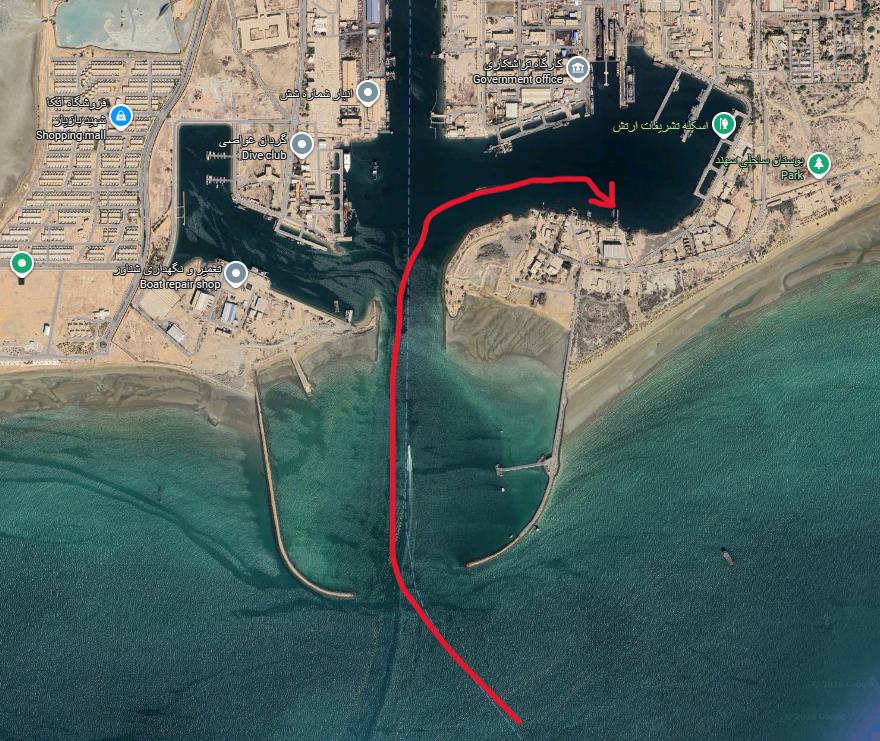
Geolocation of a CENTCOM strike on an Iranian Navy maintenance facility, marking the first combat use of one-way attack unmanned surface vessels (USVs) by American forces. C: 27.140700, 56.211584 S: x.com/CENTCOM


.@CedricLeighton @ProfSAzodi W/ @BrianAbelTV The third time is the charm as they say as the U.S. strikes Iran Leighton on U.S. attacks " The frequency and volume of attacks has definitely increased" Azodi on resolving issues : "Both the Iranians and the Americans must work at a faster pace" 7.12.26 1210 am ET 8 Minutes


Mendacious neocon operatives continue to shape national media coverage of Iran. In this horrific and utterly gratuitous NYT piece, meant to justify horrific Israeli airstrikes on civilian infrastructure, most of US analysts quoted are from “think tanks” aligned with Likud. In one case, the NYT—knowing the reputation the FDD operation has—simply neglects to mention the analyst’s organizational affiliation, as well as his track record of being systematically wrong on everything related to Iran. This entire story is so problematic from conception to framing. If I wanted to read the Jerusalem Post or the FDD’s take on something, I can just go to their free websites. I don’t need to pay $250 year for it. Keep it up @nytimes and just watch what happens to your readership. nytimes.com/2026/07/11/wor…

The larger strategic question is what the administration expects these strikes to achieve. If the objective is to reopen the Strait of Hormuz by force, the current campaign is unlikely to be sufficient. That would require a far greater and more sustained commitment of military resources than Washington appears willing to invest. At present, U.S. operations seem focused on imposing costs on Iran rather than fundamentally changing the strategic reality in the Strait. As things stand, it is difficult to see maritime traffic returning to normal unless one of two things happens: either Iran and Oman reach an arrangement that reduces tensions over navigation, or the United States abandons its effort to route tankers through the southern channel over Iran's objections. Without a broader strategy backed by the resources needed to implement it, tactical strikes alone are unlikely to produce a lasting change in the situation. #iran

I have a strong suspicion that the Iranian narrative will be the mirror image of Washington's. Tehran is likely to argue that it never sought negotiations, and that the initiative came from the mediators in coordination with the United States. From the Iranian perspective, it responded to every U.S. military strike, while Washington chose not to respond militarily to Iran's most recent attack toward Jordan. If that is indeed how Tehran frames the sequence of events, it is difficult to conclude that the Iranian leadership believes it has acknowledged any mistake or backed down. This raises the possibility that claims of Iranian remorse or strategic retreat reflect more wishful thinking than an accurate reading of Tehran's decision-making. The real litmus test will not be official statements but Iranian behavior in the Strait of Hormuz. If Tehran is unwilling to allow the United States to move commercial tankers through the Strait without accepting Iran's preferred arrangements, then the underlying strategic dispute remains unresolved. As long as that issue persists, declarations of de-escalation or mutual understanding should be treated with caution, because the central point of contention has not been addressed. #iran


“One Republican ally who wants Trump to resume major combat operations has told him if he does, he could achieve his military objectives within days.” nbcnews.com/politics/white… (What are the odds this is Lindsey Graham? 98%?)

Thank you @TheWorld for giving me the chance to talk about the complexities of life under the Islamic Republic, the stories behind the making of the film adaptation of Reading Lolita in Tehran, and why its message remains as urgent today as ever. theworld.org/segments/2026/…