
Alexander Belton retweetledi
Alexander Belton
3.2K posts

Alexander Belton
@ProfessorBelton
Mathematician, part-time bon vivant, cricket aficionado and academic. Formerly Dr, formerly based in the NW.
Devon Katılım Ekim 2009
671 Takip Edilen308 Takipçiler
Alexander Belton retweetledi

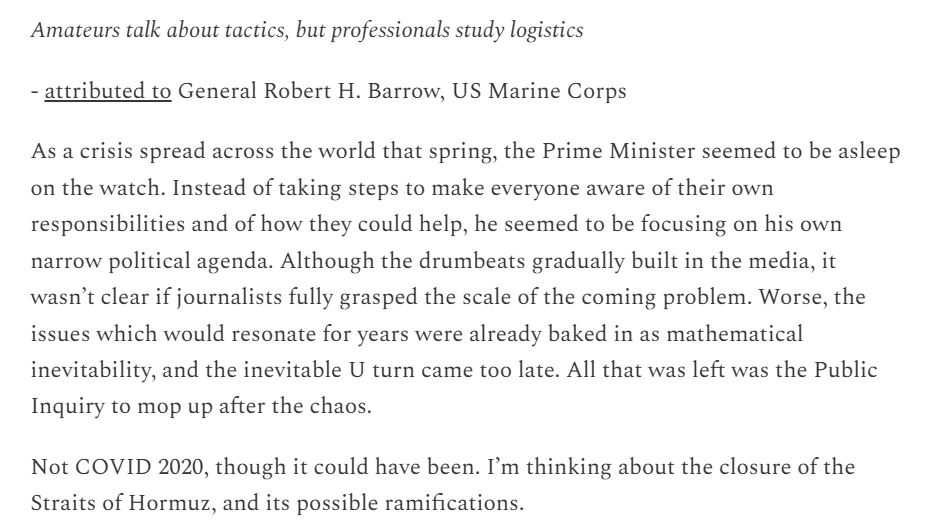
I wrote a not very cheerful piece about whether the Government is doing all it could to shield us from the Hormuz crisis, and whether they should be talking more about individual responsibility and energy efficiency measures
English
Alexander Belton retweetledi

Register for the LMS/@IMAmaths Crighton Award Lecture on 13 May at @royalsociety.
The lecture will be given by Alain Goriely (@OxUniMaths), winner of the 2025 award for his contributions to the public understanding of maths and its applications.
➡️ lms.ac.uk/events/lms-ima…

English
Alexander Belton retweetledi

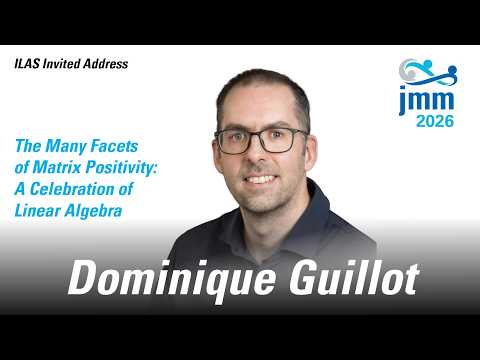
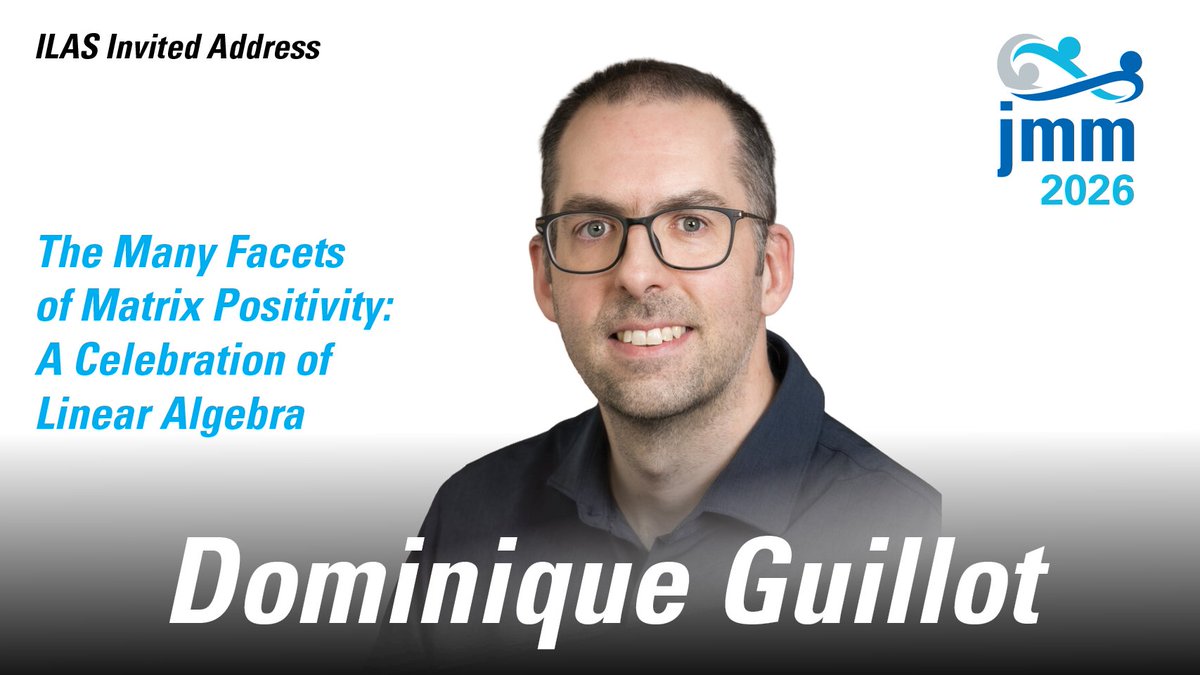
Watch an Invited Addresses from #JMM2026.
Today's video is the ILAS Invited Address by Dominique Guillot, @UDelaware,
"The Many Facets of Matrix Positivity: A Celebration of Linear Algebra."
Watch: youtu.be/JP-Uf1Ykf7s
YouTube
English
Alexander Belton retweetledi

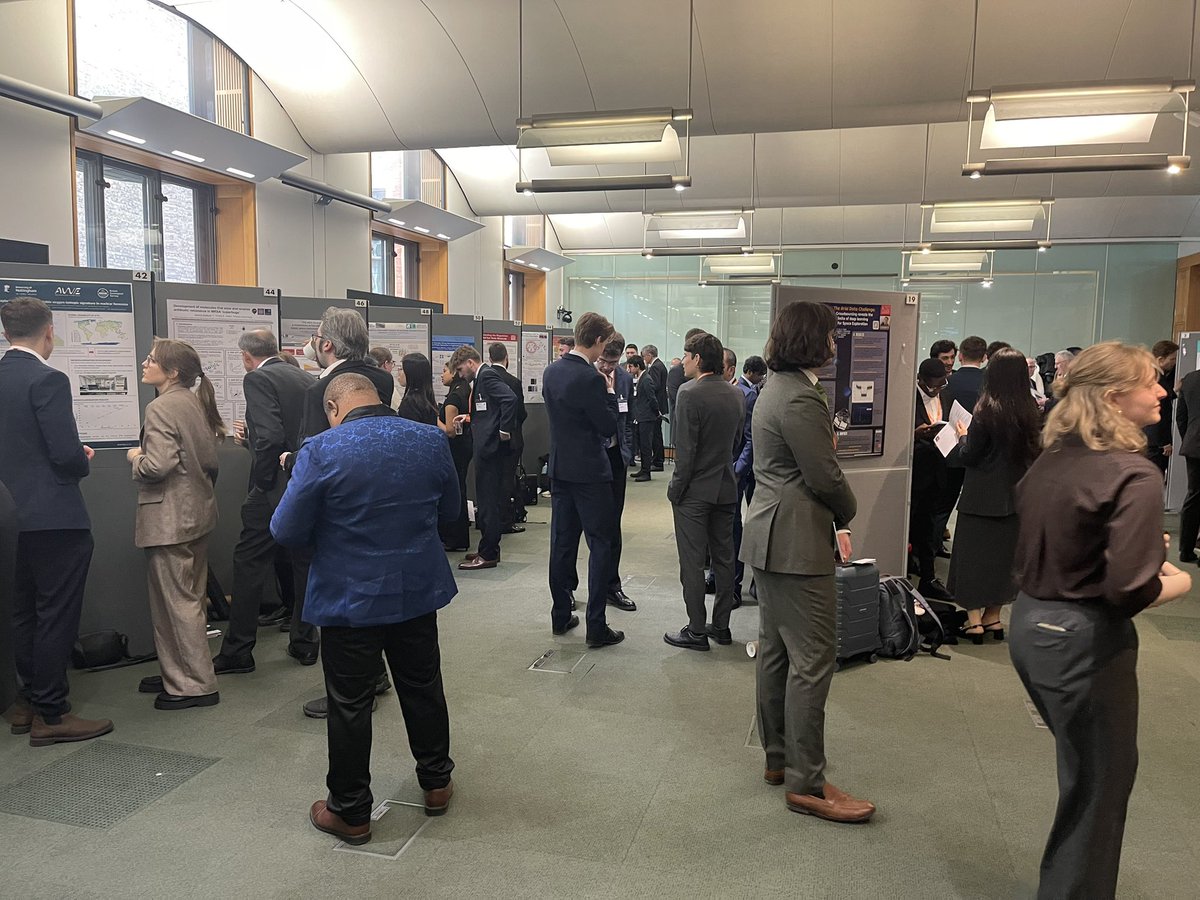
STEM for Britain is officially underway!
With the best early career researchers from across Britain showcasing their research at Westminster this morning. Follow along to see the latest research coming out of Britain.
#STEM4Brit26
#STEMforBritain



English
Alexander Belton retweetledi

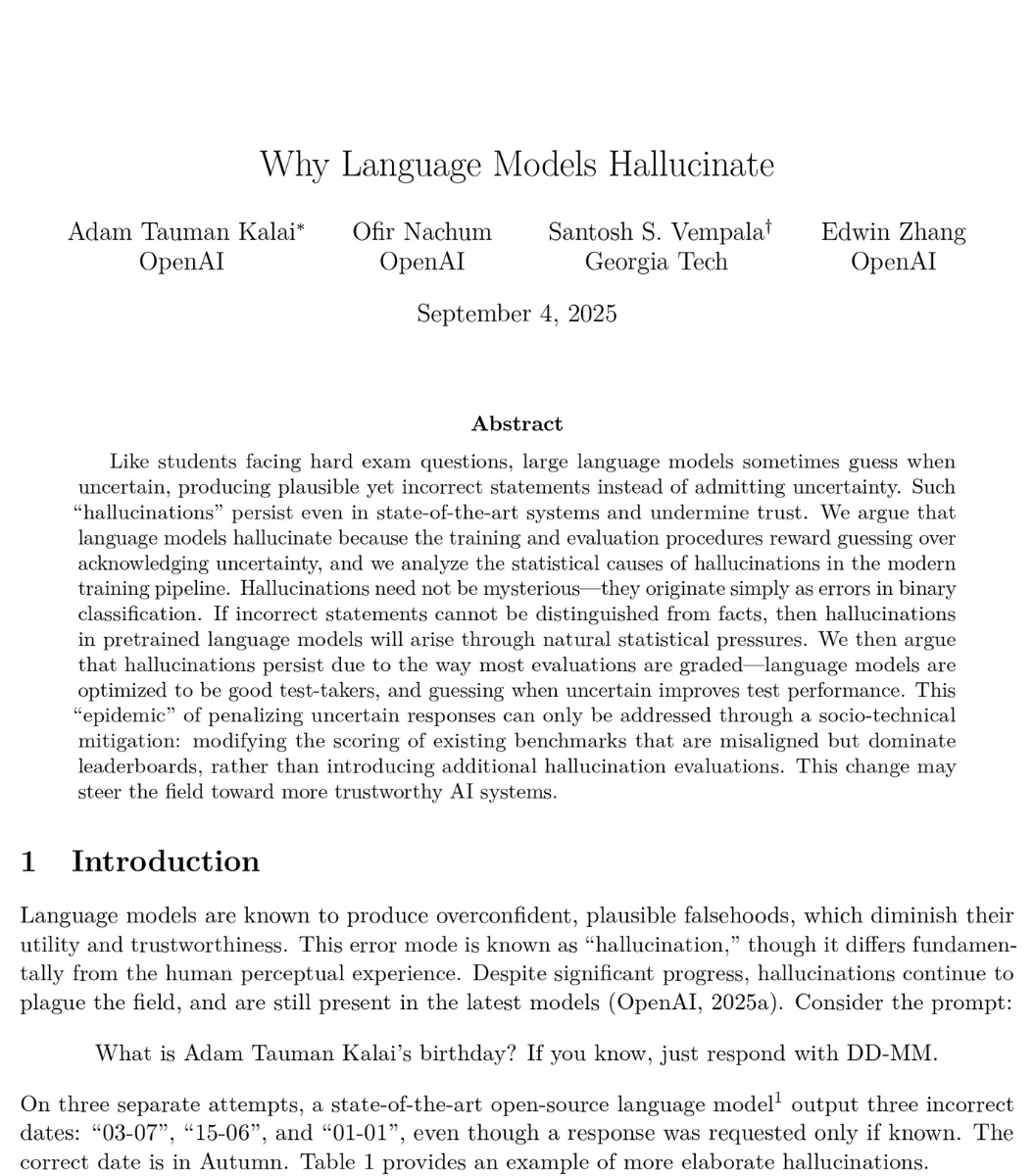
🚨BREAKING: OpenAI published a paper proving that ChatGPT will always make things up.
Not sometimes. Not until the next update. Always. They proved it with math.
Even with perfect training data and unlimited computing power, AI models will still confidently tell you things that are completely false. This isn't a bug they're working on. It's baked into how these systems work at a fundamental level.
And their own numbers are brutal. OpenAI's o1 reasoning model hallucinates 16% of the time. Their newer o3 model? 33%. Their newest o4-mini? 48%. Nearly half of what their most recent model tells you could be fabricated. The "smarter" models are actually getting worse at telling the truth.
Here's why it can't be fixed. Language models work by predicting the next word based on probability. When they hit something uncertain, they don't pause. They don't flag it. They guess. And they guess with complete confidence, because that's exactly what they were trained to do.
The researchers looked at the 10 biggest AI benchmarks used to measure how good these models are. 9 out of 10 give the same score for saying "I don't know" as for giving a completely wrong answer: zero points. The entire testing system literally punishes honesty and rewards guessing.
So the AI learned the optimal strategy: always guess. Never admit uncertainty. Sound confident even when you're making it up.
OpenAI's proposed fix? Have ChatGPT say "I don't know" when it's unsure. Their own math shows this would mean roughly 30% of your questions get no answer. Imagine asking ChatGPT something three times out of ten and getting "I'm not confident enough to respond." Users would leave overnight. So the fix exists, but it would kill the product.
This isn't just OpenAI's problem. DeepMind and Tsinghua University independently reached the same conclusion. Three of the world's top AI labs, working separately, all agree: this is permanent.
Every time ChatGPT gives you an answer, ask yourself: is this real, or is it just a confident guess?
English
@StagecoachSW What's happened to the 0655 80 bus from Totnes to Plymouth?
English
Alexander Belton retweetledi

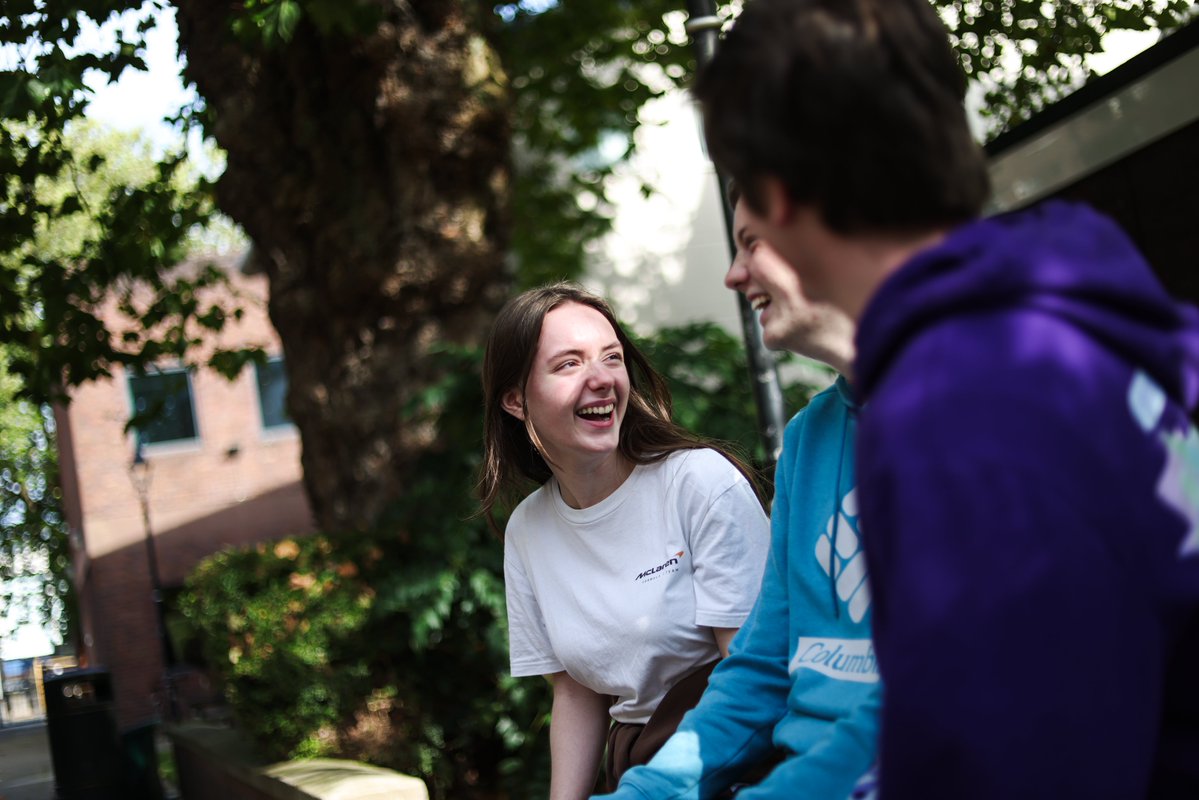
Fantastic to see @LUSoM_ mentioned in Parliament last week.
As @mayaellisuk highlighted, it’s a brilliant new place for 16-18 year-olds to take A-levels in maths and maths-related subjects - and a joy to hear students who once felt unsupported in their passion for maths now have somewhere they can truly thrive.
Every visit reinforces what we already know: culture and community matter - and everyone who visits becomes a convert to our collective mission.
#UMaths #UniversityMathsSchoolsNetwork #MathsSchool #MathsEducation
English
Alexander Belton retweetledi
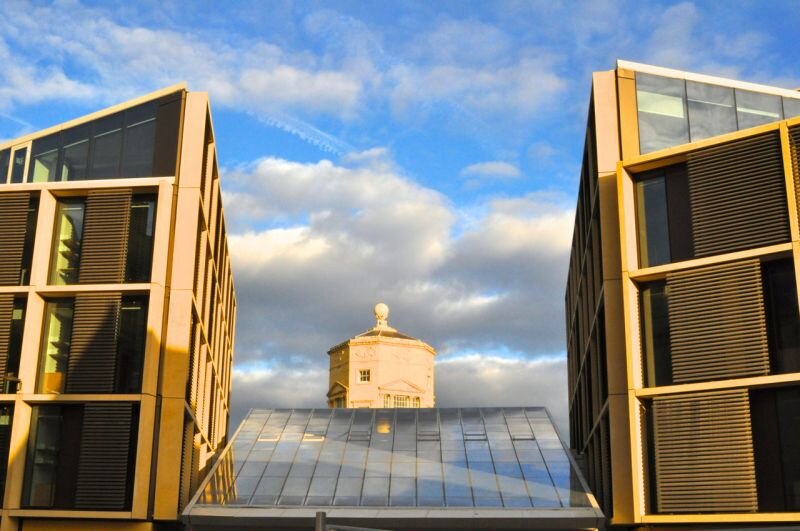
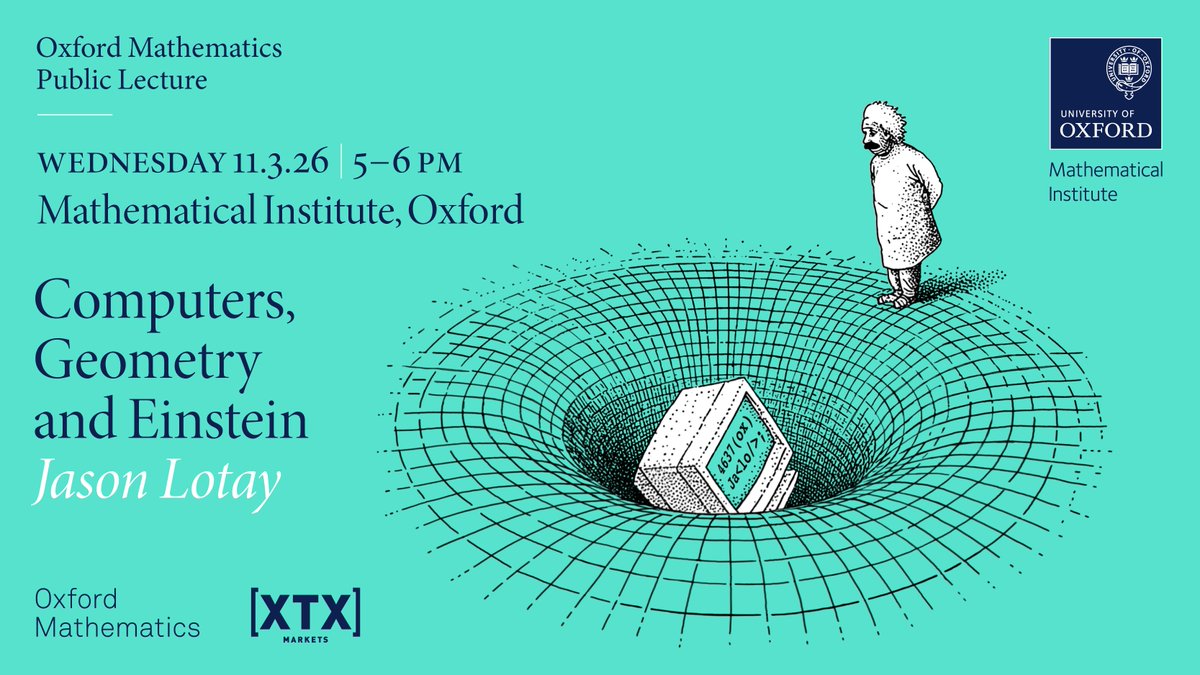
Computers have long been useful for studying mathematical problems. But recently computer techniques have been used to prove new theorems in geometry, specifically related to the study of gravity through Einstein's theory of General Relativity.
Book: maths.ox.ac.uk/node/80393
English
Alexander Belton retweetledi

He's speaking about Lord John Russell - I had no idea about the visit to Elba! This is truly wonderful from Bertie
English
Alexander Belton retweetledi
In October, we brought together parliamentarians, school leaders, supporters and alumni in the House of Commons to mark the launch of the University Maths Schools Network.
The evening reflected the strength of the partnerships behind University Maths Schools - and a shared commitment to widening access to high-quality mathematics education.
Since then, @educationgovuk has confirmed that @DMSsocial and the University of Nottingham Maths School will go ahead, completing the national network.
Looking back at this event now, it stands as both a celebration of what has been achieved and a marker of continued progress.
#UMaths #UniversityMathsSchoolsNetwork #MathsSchool #MathsEducation
English
Alexander Belton retweetledi

"More UK graduates are working in non-graduate jobs and earning non-graduate wages - not because of an oversupply of graduates, but an oversupply of graduates relative to the numbers of well-paid professional jobs"
Stagnation is the issue. #HigherEd
ft.com/content/649d3c…
English
Alexander Belton retweetledi

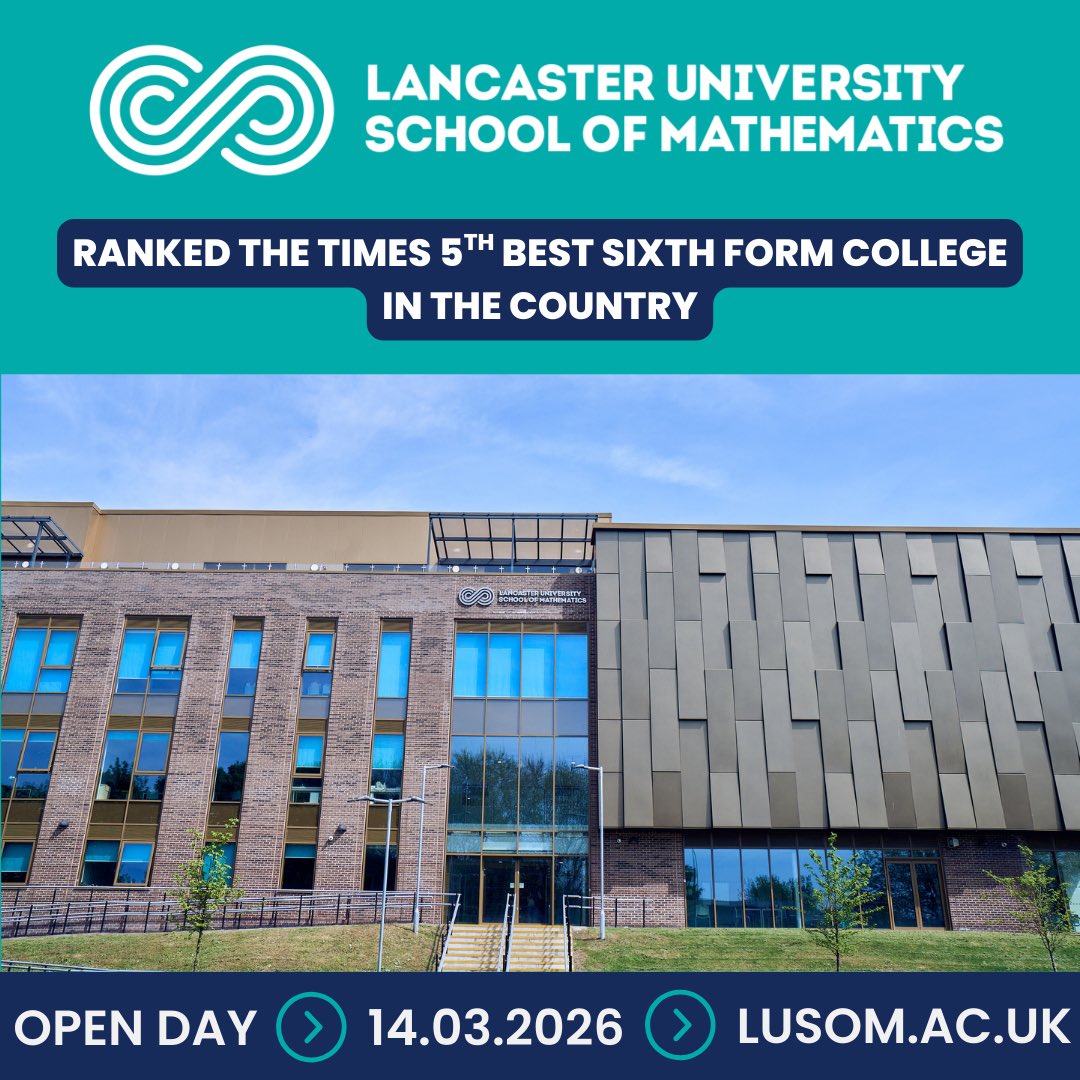
We are delighted to have recently been ranked the 5th best sixth form in the country by The Times newspaper. To hear from our Head of School, click the link below.
We will be hosting our final Open Day of the academic year on Saturday 14th March.
🔗 lep.co.uk/education/math……
English
RT @UMathsNetwork: Today’s Monday Puzzle in @guardian is all about 11 - a nod to the 11 University Maths Schools in the UK, state sixth for…
English
@BristOliver I'm sorry I didn't manage to congratulate you in person on Thursday.
English
Alexander Belton retweetledi
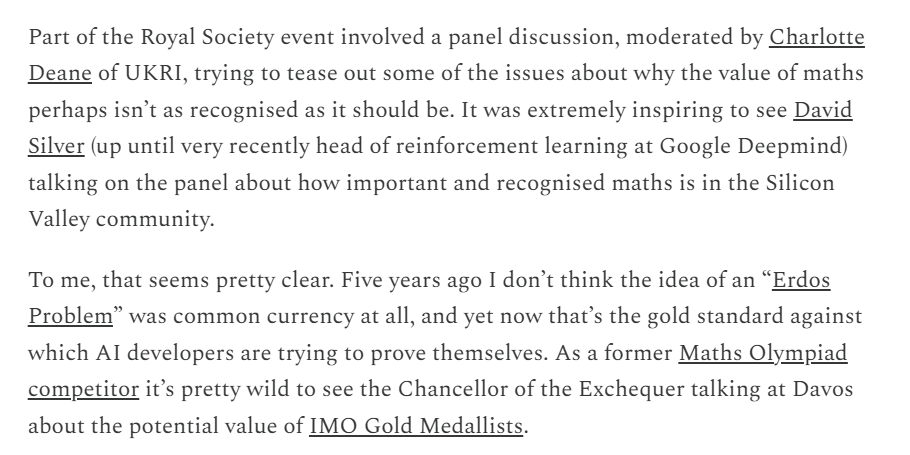
I wrote something about the Maths Academy event on Thursday, and getting more people to believe in the value of maths
English
It's great to see the tremendous breadth and depth of the UK mathematical sciences, as demonstrated by the inaugural cohort of Fellows of the Academy for the Mathematical Sciences.
acadmathsci.org.uk/2026/01/29/aca…
English
I know I mainly use this site for snark and blowing off steam these days, but I just wanted to tell you about a nice thing which has happened to me acadmathsci.org.uk/2026/01/29/aca… and which undoubtedly wouldn't have happened without the whole COVID Twitter thing, so thank you everyone
English
Alexander Belton retweetledi
⚠️ Just 7️⃣ days left to apply for an LMS Undergraduate Research Bursaries!
Open to UK-based undergraduates to explore the potential of becoming a researcher and to encourage them to consider a career in scientific research.
Deadline: 1 Feb
➡️ lms.ac.uk/grants/undergr…

English
Alexander Belton retweetledi
⚠️ Just TWO weeks left to apply for an LMS Undergraduate Research Bursaries!
Open to UK-based undergraduates to explore the potential of becoming a researcher and to encourage them to consider a career in scientific research.
Deadline: 1 Feb.
➡️ lms.ac.uk/grants/undergr…

English