Familiarise yourself with South African politics and its constitution. We have an interactive democracy where the leader takes a cue from the people. We enforce our democratic rights, such as the right to shelter/housing, clean water and sanitation, electricity, healthcare, and education.
While in other countries, challenging government inefficiency is frowned upon and treated harshly, our soldiers and defence force are constitutionally not allowed to participate in politics.
There is separation of powers. This constitutional doctrine divides state authority into three interdependent branches: the legislature (Parliament) makes laws, the executive (president and ministers) implements them, and the judiciary (courts) interprets them.
This system of checks and balances prevents any single branch from gaining absolute power and ensures accountability, with the Constitution as the supreme law. It is upon this system that South Africa differs from other African countries, where coups and vote rigging are common.
If you have a good foundation, your state will not fall apart. We should discuss what should be done to build a peaceful and prosperous democratic continent whose people are not refugees fleeing despotic leaders and internecine wars.
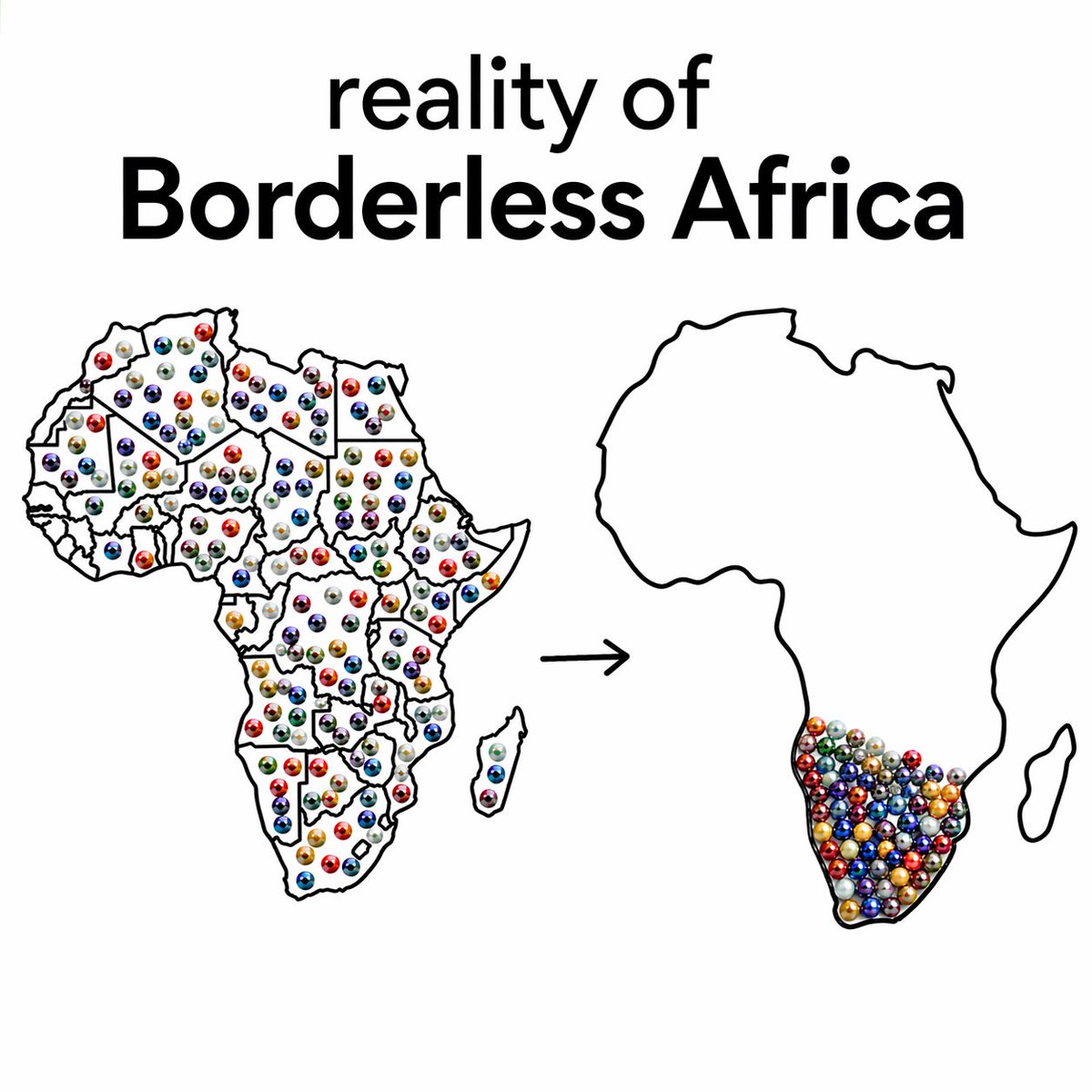
On the other side, territorial protectionism is time immemorial. Groups of people living together have always protected their territories before colonialists drew borders, which the OAU and later the African Union decided we should accept as they are and not tamper with to maintain peace between states.
We should start by resolving our internal problems and then call for unity. That will be a true union. We cannot unite in one corner of the continent. Our unresolved issues will catch up with us.
English