Qbit
416 posts

Qbit
@Qbit_Neobank
All your cross-border payment needs will be met by one Qbit account.


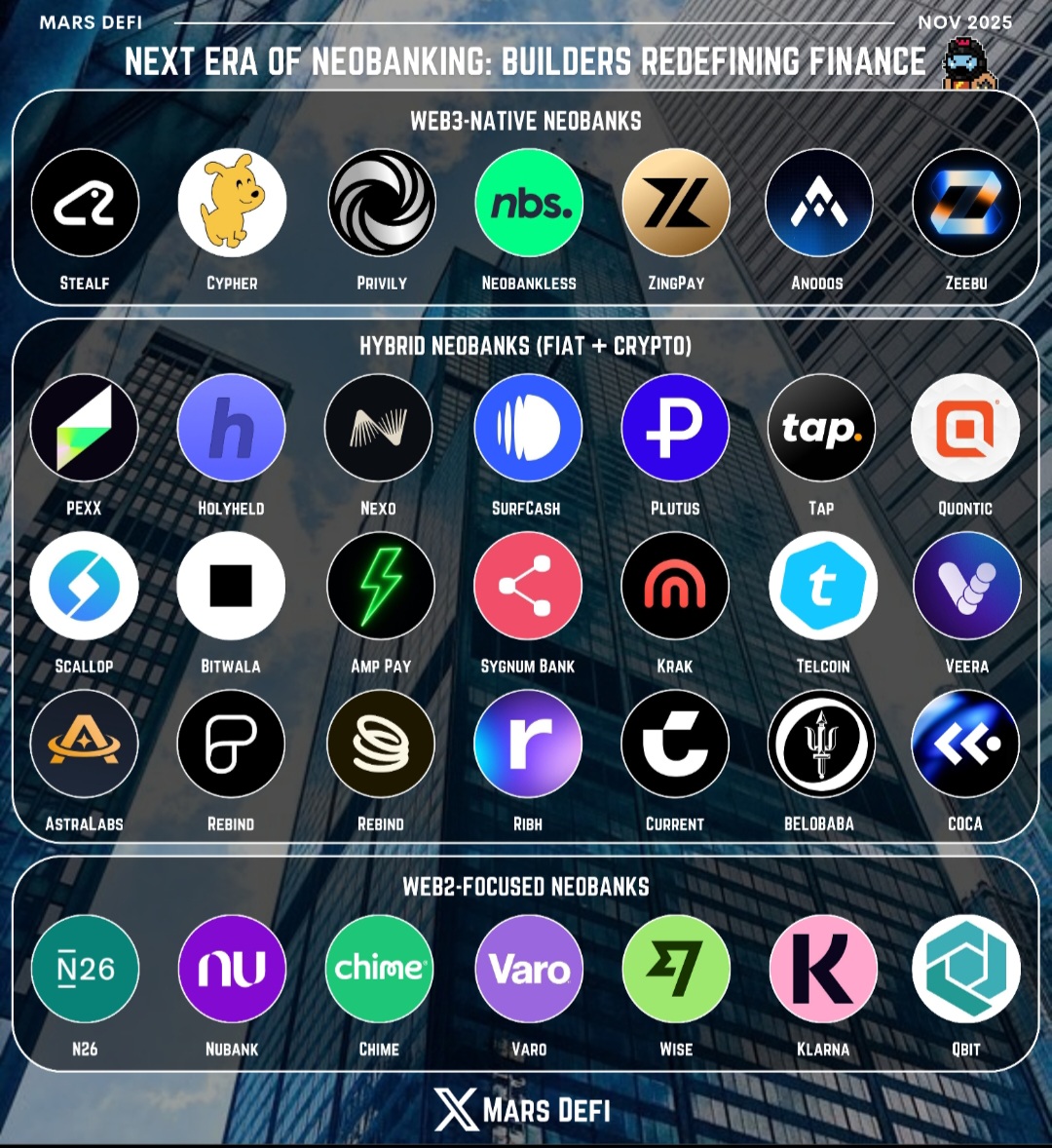
Traditional banks were built for an era of slow transfers, local accounts, manual processes, and heavy restrictions. But people now “live” online, earn globally, spend across borders, and expect their money to move as fast as the rest of the internet. This gap is exactly what neobanks were created to fix. — Neobanks are financial platforms built around speed, transparency, global access, and user control. They operate using different models. • Some operate fully in the Web2 space, functioning like upgraded fintechs with cleaner interfaces and smarter budgeting • Others blend fiat and crypto so users can move between both worlds without friction • A growing number are fully Web3-native, letting people save in stablecoins, earn yield, spend from their wallets, or move money across chains. — People are no longer limited to banks that operate within one country or one financial system. Want global spending, high yield on stablecoins, low-cost remittance, seamless on/off-ramps, cross-chain payments, or a card that connects directly to your wallet? There’s a platform built exactly for that.


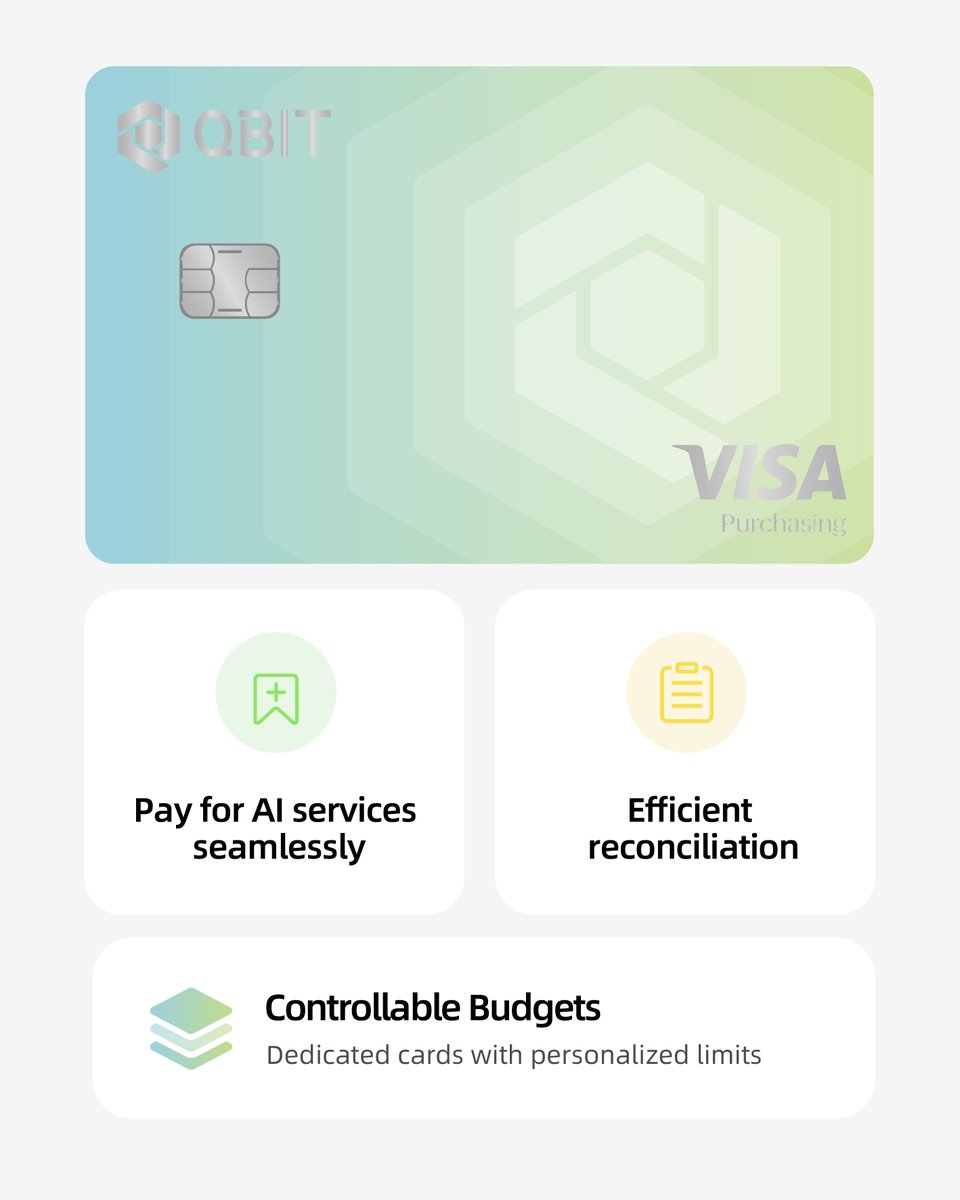
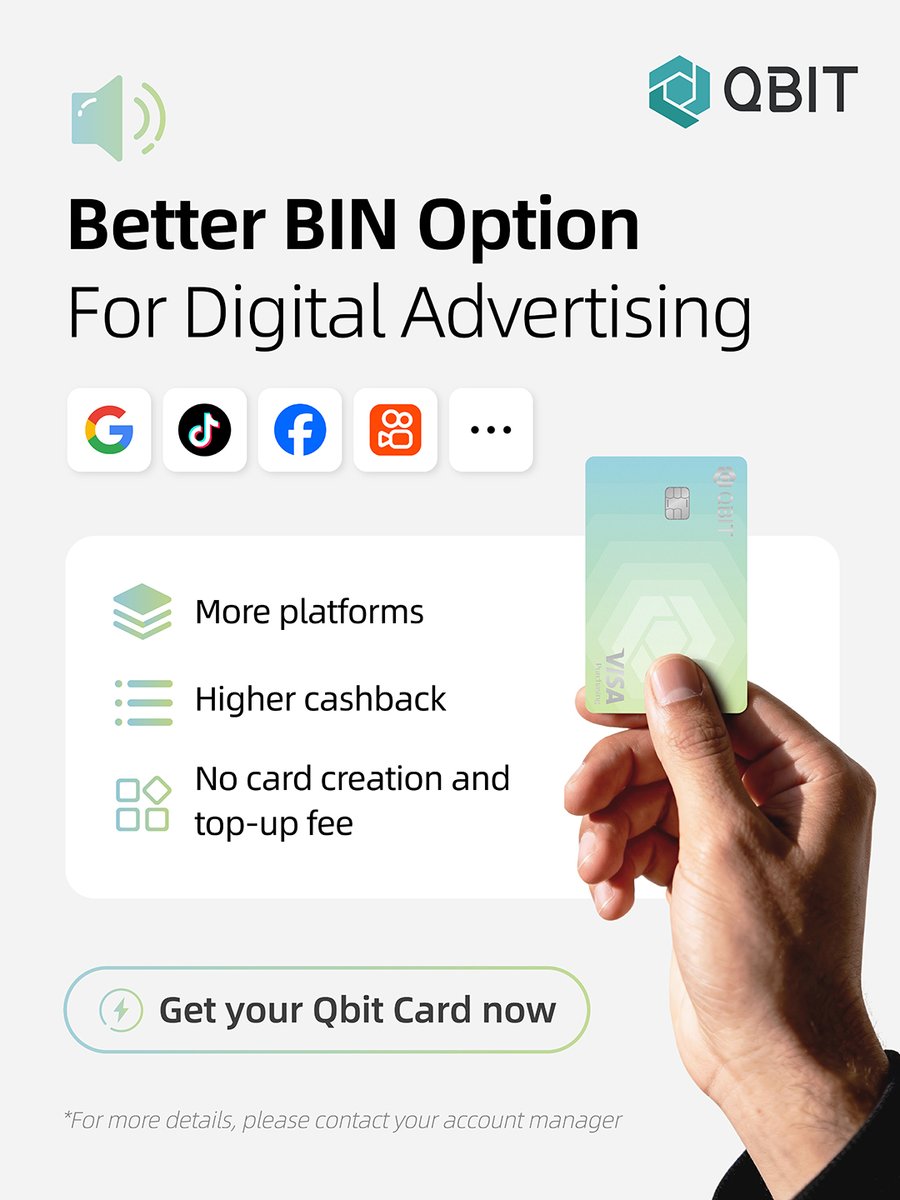
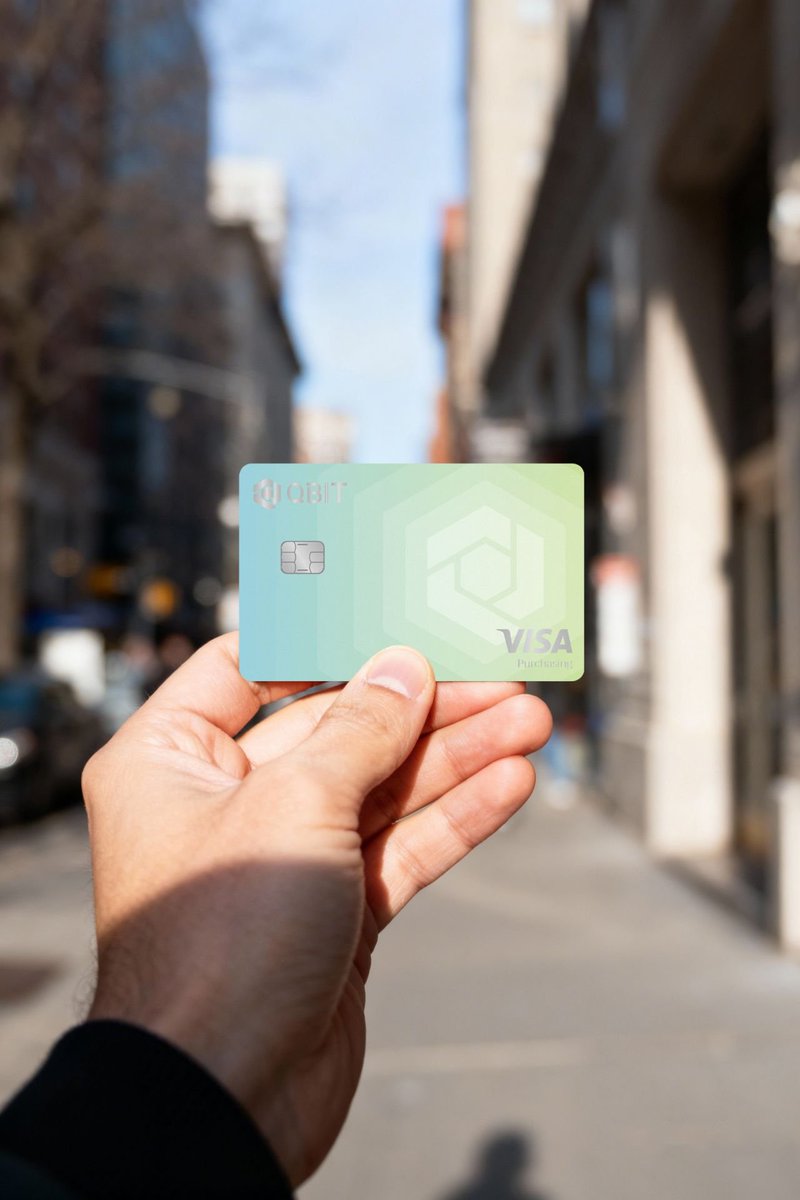
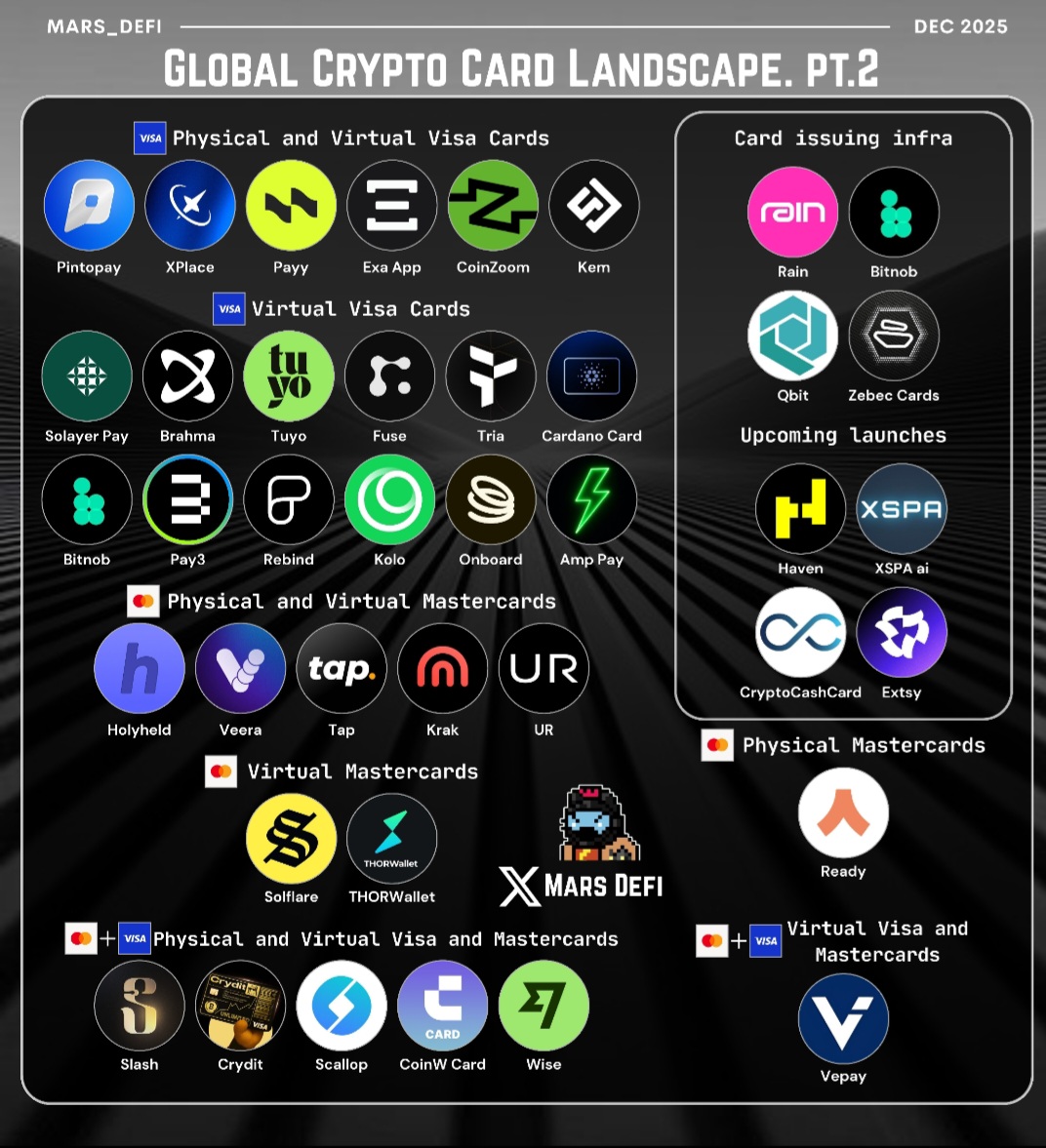
Crypto payment cards have become one of the most practical bridges between Web3 and TradFi. Essentially, they’re like regular debit or credit cards but are funded by crypto, which is automatically converted into fiat at the point of sale. This lets users spend crypto almost anywhere, while earning cashback and other on-chain perks. — We now have multiple projects rolling out payment cards. Some issue Visa cards, some Mastercards, and a few issue cards on both networks. Why? Both cards operate across different jurisdictions and have varying compliance standards. Offering both cards allows projects to serve users globally, ensuring coverage even in regions where one has limited reach. This also gives users the flexibility to choose based on fees, card limits, and other perks. — From virtual cards for online payments to physical cards that work worldwide, these products are seamlessly connecting digital liquidity with real world utility, making crypto usable in everyday life. Here’s a comprehensive list of projects offering crypto payment cards, grouped based on the type of card offered (between Visa or/and Mastercard while keeping in mind their functional classification).