******
1.6K posts

******
@R1_Enjoyer
I enjoy pressing R1. And holding R2. Nightreign addict. Viva Cuba Libre.
Katılım Ekim 2025
131 Takip Edilen12 Takipçiler

@Kaan_x000 @visegrad24 You are right! Some things are also related to ruZZian or MAGA trolls! As you are from Bulgaria you fit the first category!
English

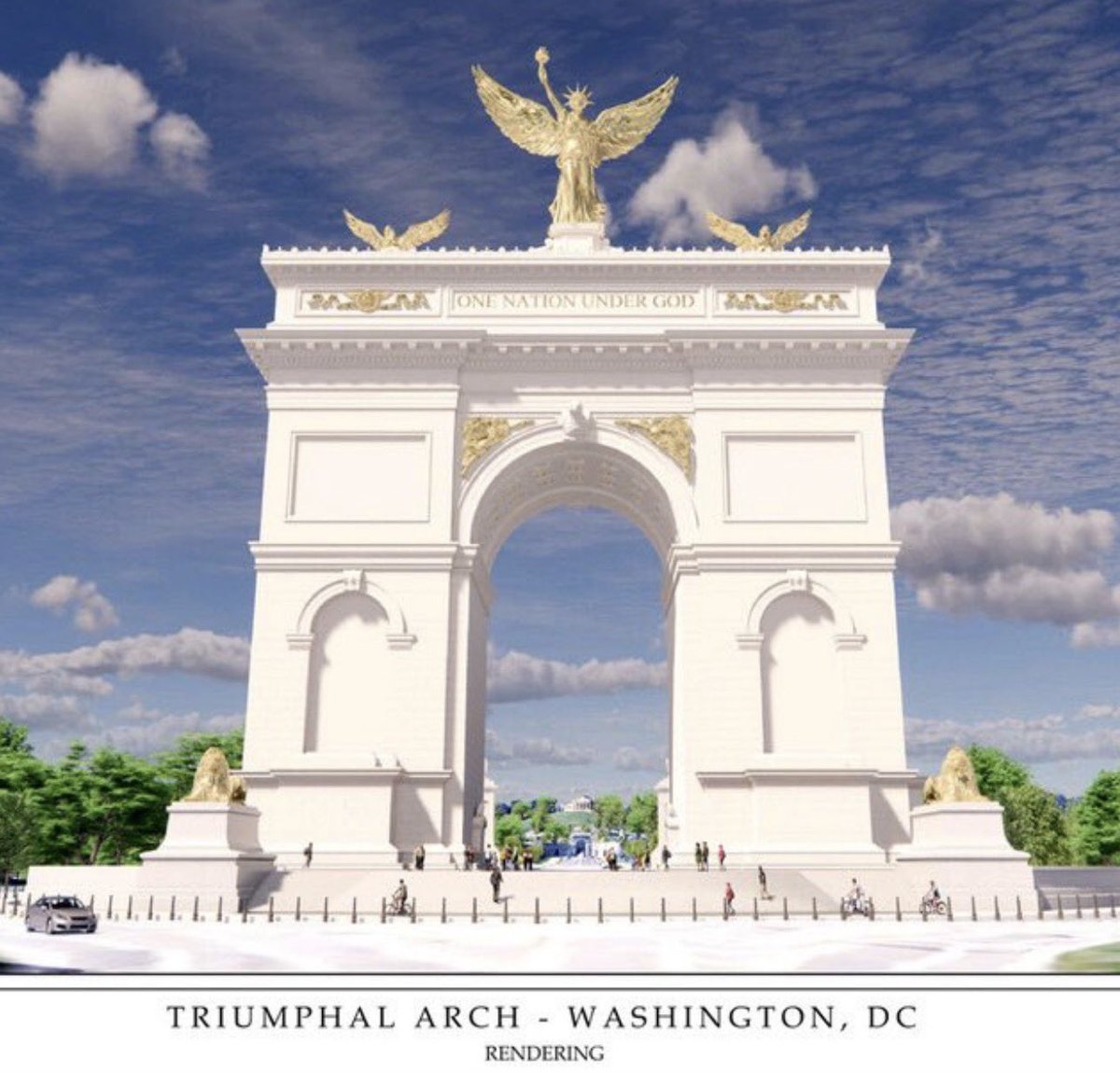
Trump announces the presentation and plans for his new Triumphal Arch in Washington D.C. have just been filed with the Commission of Fine Arts.
This is how it will look like 🇺🇸
English
****** retweetledi

thank GOD I did it, I was clenching so hard wanting these two poor newbies to win 😭
♱@Forsaken_Vicar
HELP
English


****** retweetledi


****** retweetledi

****** retweetledi



@BreTweetz Never watch it alone. Its awful and only fun with friends to laugh at. But I will give em credit where its due, they made a movie.
Though maybe they shoulda just hyped up The Exorcist instead.
English


JUST IN: Eligible males aged 18-25 will be automatically registered for US military draft starting this December.
English

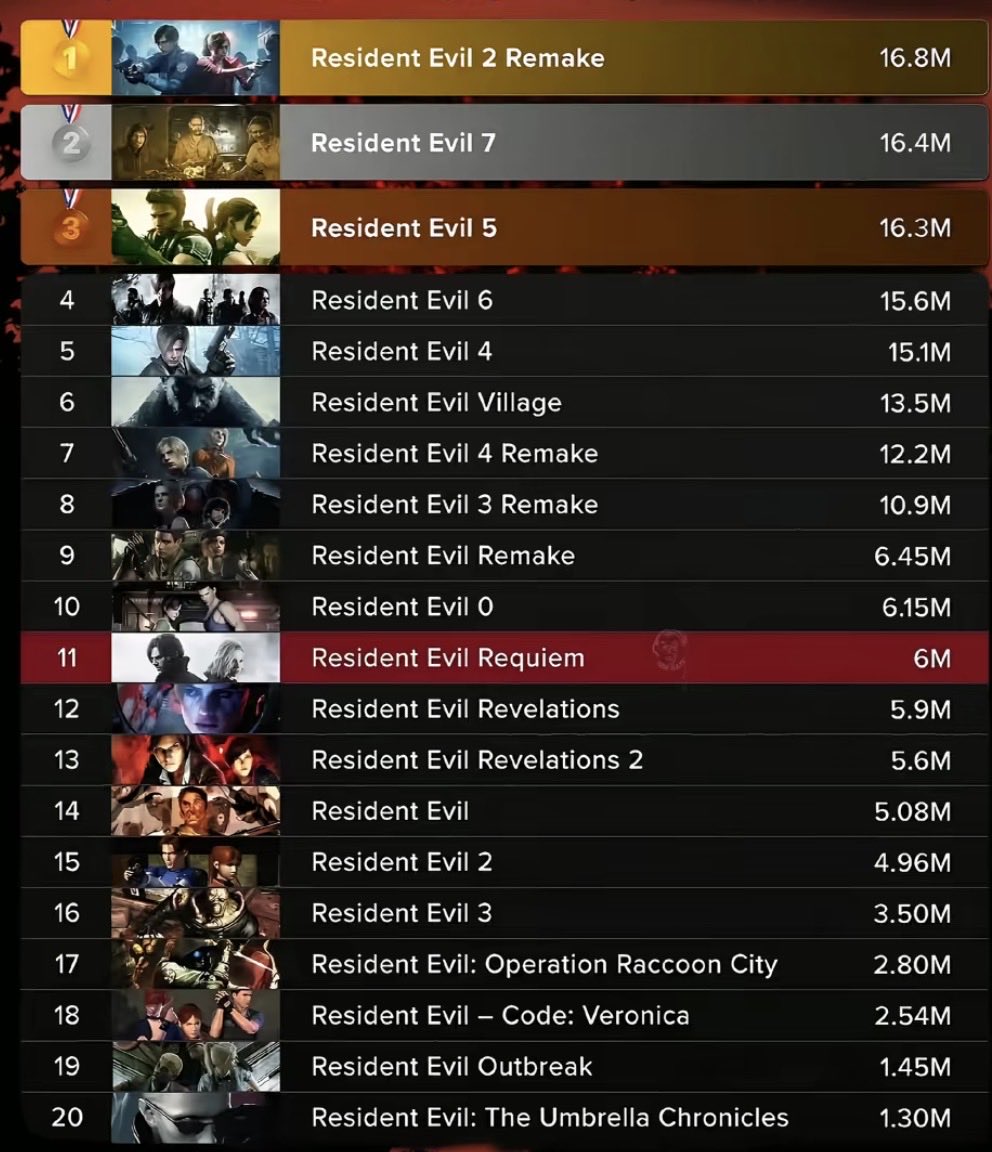
@Faisal935_ I thought they said RE6 was a failure, yet it's #4 here.
What gives? 🤷♂️
English

@nimono__yoru Keep at it! I love the expression, too. It makes me wonder what she's thinking!
English

@R1_Enjoyer Thank you! I’m so happy you like it. Choosing colors is always a challenge, so your reply gives me the energy to do my best until the very end!
English
****** retweetledi

29-year-old Chamel Abdulkarim has been arrested following the large fire at a Kimberly-Clark warehouse in California.
The disgruntled employee allegedly set it on fire while saying “you should have paid us enough to live”
The estimated cost of the damages is around $500 million
English

@MrAntiHero1 There's a visual style in Japan called "Men-hera" short for "mental health" where they tap into the fact that they're depressed or anxious or what-have-you. Japanese men have nicknamed them "landmines" because you don't see it coming and then they fucking explode and kill you.
English


I’m like 🤏 this closw to cutting my hair short for the fuck of it someone stop me
English



****** retweetledi
The past 20 years in the Middle East have been shaped by the Islamic regime in Iran destabilizing countries in the region through the "Axis of Resistance."
The only one who can stop it for good is Crown Prince @PahlaviReza!
The term "Axis of Resistance" was first used by the Libyan daily newspaper Al-Zahf Al-Akhdar in response to American president George W. Bush's claim that Iran, Ba'athist Iraq, and North Korea formed an axis of evil.
In its 2002 article, "Axis of evil or axis of resistance", the newspapers wrote that "the only common denominator among Iran, Iraq, and North Korea is their resistance to U.S. hegemony".
The Islamic regime in Iran quickly adopted the language in reference to the Shia insurgency in Iraq after the U.S. invasion in 2003. In the coming years, Iraqi Shia groups closely allied with Iran gained political control of Iraq and their paramilitary PMU forces quickly became one of Iran's main asymmetric weapons.
The Houthi insurgency in Yemen dates back to the same years, while Tehran's support for Hamas and Palestinian Islamic Jihad dates back to the late 1980s and early 1990s.
The alliance with Hezbollah in Lebanon and Baathist Syria was also created in the early 1980s. Finally, there are a number of Shia islamist terrorist organisations in Bahrain supported by Iran, of which the al-Ashtar Brigades is the largest and most dangerous one.
As a perennial source of regional instability, the Iranian regime deliberately creates and exploits tension zones with neighboring states through this “Axis of Resistance” network and direct military actions. The Axis of Resistance has been fully mobilized since the October 7th Massacre and ensuing war with Hamas.
During that war, as well as during U.S.-Israeli blows traded with Iran, the Axis of Resistance, has launched coordinated missile and drone attacks against Israel, U.S. and European bases in the region as well as Gulf states.
Direct Iranian strikes hit U.S. installations across multiple countries, while its proxies fired rockets from Iraqi territory and threatened international maritime trade in the Red Sea through the Houthis.
Iranian strategies and goals pursued by the Axis of Resistance have turned Lebanon into an active battlefield with Israeli ground operations and reignited border tensions across the region.
Fault lines between the Axis of Resistance on one side and Saudi Arabia together with other members of the Gulf Cooperation Council on the other have sharpened over Iranian attacks against energy and desalination sites in the region, while Iraq’s fragile politics are strained by Shia militia activities.
Even facing internal pressures, the Islamic regime’s leadership has vowed to sustain the blockade of the Hormuz Strait and expand its attacks against civilian infrastructure like ports and data centers.
By embedding armed proxies in sovereign states and exporting revolutionary ideology, Iran is trying to fragment regional alliances, undermine Arab-Israeli normalization and sustains low-intensity conflicts that generate refugee flow and arms races.
The Islamic Regime in Iran wants to lock the Middle East in perpetual crisis while blocking pathways to prosperity or peaceful coexistence for countries in the region.
The regime must fall.
A free Iran with Crown Prince Reza Pahlavi leading the transition to democracy is the only path forward that will bring the region peace, stability and prosperity.

English