Reuben Huffman

5.9K posts

Reuben Huffman banner
Reuben Huffman

Reuben Huffman

@REHuffman6

Graced! to be a child of God in Christ. Husband. Father. Disciple.Landscape Designer

Farmersville, OH Katılım Ekim 2010
4.5K Takip Edilen1K Takipçiler
Reuben Huffman
Reuben Huffman@REHuffman6·
@AKofiCup Same. Just found him today singing with his family. Looked up some of his preaching. I'm not Pentecostal either but boy "This is My Story" is gospel gold from Ephesians 2 youtu.be/HCzyfvcvbJM?si…
YouTube video
YouTube
English
0
0
0
15
Reuben Huffman retweetledi
Faithfulness Okom
Faithfulness Okom@AttorneyF_·
People joke that hell will be ‘lit’ because all the famous people will be there. It is one of the most theologically illiterate things a human being can say, and almost nobody stops to explain why. The joke assumes enjoyment exists independently of God. That pleasure is something humans discovered and God merely watches from a distance. That we are having fun he is not privy to. But that is completely backwards. God did not observe sex and decide to permit it. He invented it. He did not stumble upon music. He is the source from which music flows. No human musician in their current state walks into heaven’s choir without being exposed. The least of them will put our greatest to shame. Every good thing we have ever experienced is derivative. A trickle from a reservoir we have never seen. This is why the incarnation is such a devastating argument. God puts on flesh. He enters the world with full access to everything we spend our lives chasing. Wealth. Fame. Sex. Power. And he is conspicuously unimpressed. Not because he came to perform suffering, he went to weddings, he ate, he wept, he loved people fiercely. But none of it could compete with what he already knew was real. A man who has eaten the actual meal is not tormented by the photograph of it. Then he meets a rich man, a man who had maximized human enjoyment by every available metric, and he says: sell everything and come. Nobody says that unless they know exactly what is on the other side. That is not the language of sacrifice. That is the language of an outrageously favorable trade. As for hell, the joke gets it completely wrong. Hell is not a party for rebels. Hell is what happens when a being built to find its fullness in God is permanently severed from the source of every good thing they ever enjoyed. The music does not continue without him. The laughter does not continue without him. The connection does not continue without him. Because all of those were on loan from the one they are now cut off from. It is not pleasure without God. It is the final and total collapse of everything that ever made pleasure possible. You are not enjoying something God is missing out on. You are enjoying God already, dimly, through everything he made. Heaven is not a different category of experience. It is the same thing with the glass finally removed.
English
61
306
1.4K
38.4K
Reuben Huffman retweetledi
Dan Proft
Dan Proft@DanProft·
Life is like a guitar. @ericchurch offers a brillianct commencement address (and guitar lesson) at his alma mater, UNC, that belongs in the pantheon of addresses of this sort with those of Steve Jobs (Stanford) and David Foster Wallace (Kenyon College).
English
120
816
5.4K
928K
Austin Tunnell
Austin Tunnell@AustinTunnell·
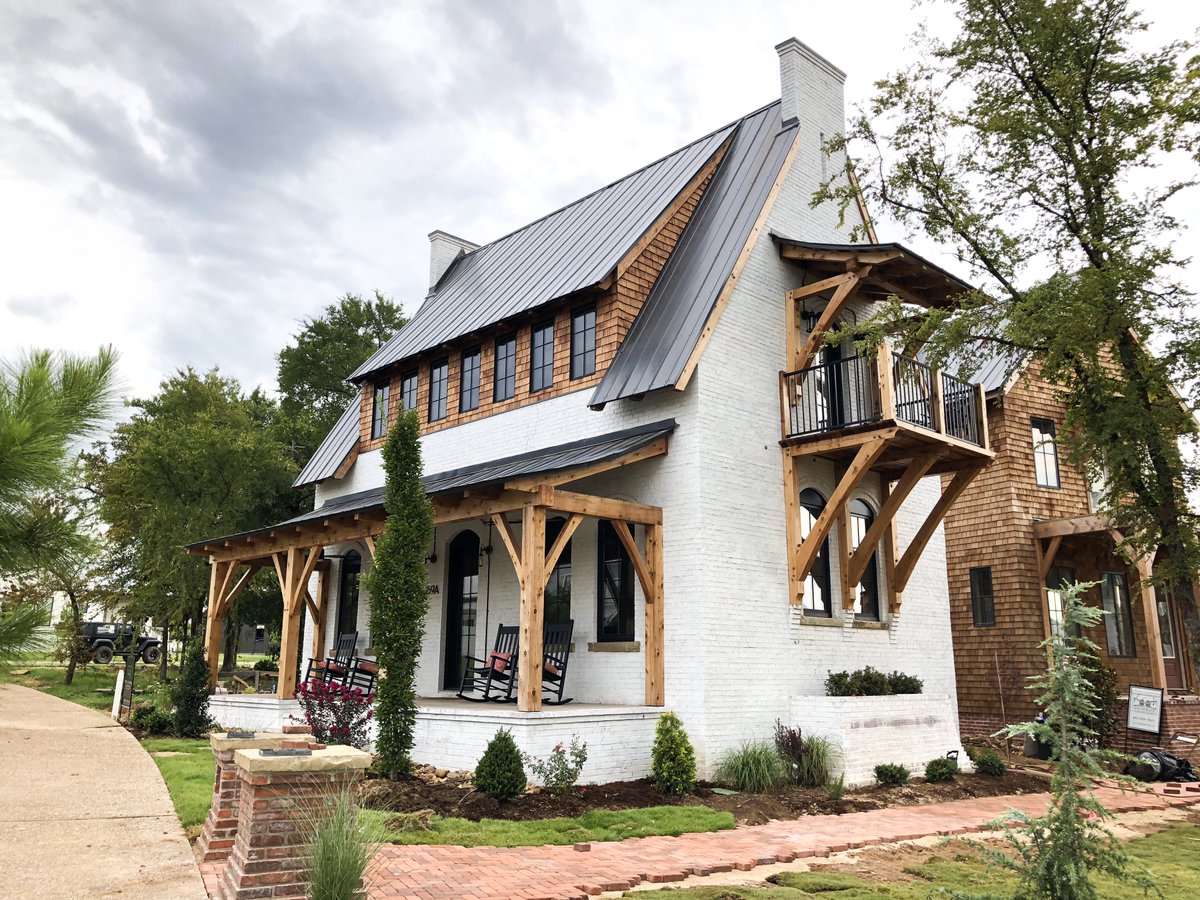
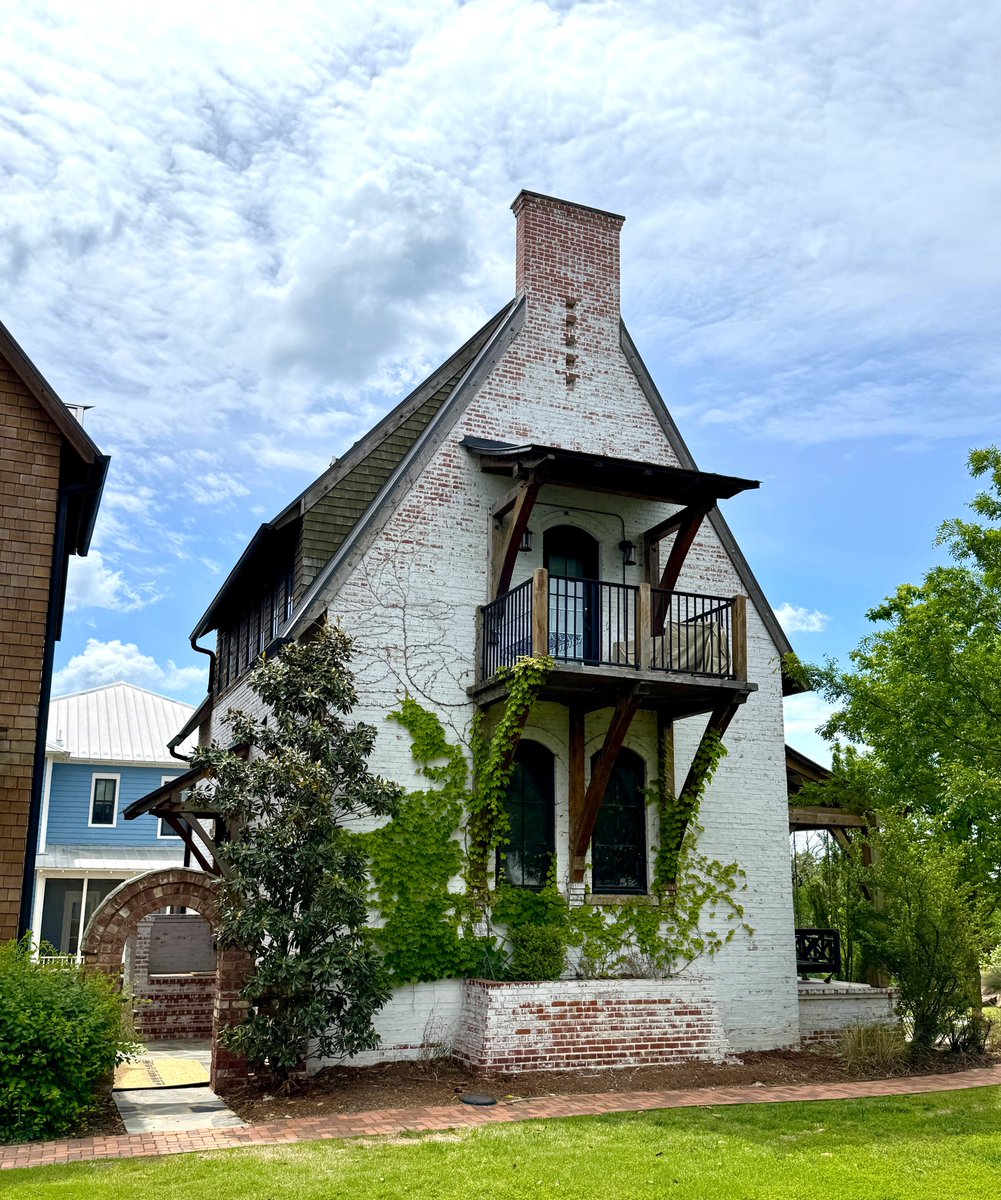
People often say, “I hate when people paint brick! It ruins it.” But we’ve built some beautiful painted brick buildings at Building Culture. The key is knowing what kind of paint to use. Drop a dry brick into a bucket of water, and it will soak up moisture like a sponge. Brick is porous; it naturally absorbs water and releases it. The problem with typical paint, latex or oil-based, is that it forms a coating that essentially seals the brick. What happens when the brick gets wet? The water can’t get out. It’s trapped. This can ultimately damage the brick, particularly in climates where it freezes, and especially with historic, multi-wythe masonry buildings. The brick needs to breathe. But beyond the masonry's durability, it’s also an aesthetic issue. Peeling paint is ugly. The right answer is a mineral stain, and the three options are limewash, potassium silicate, and sol silicate. Mineral stains don't sit on top of the brick; they penetrate the surface and fuse with it. They are breathable, colored with earth pigments, highly alkaline – making them mold resistant – and, depending on which one you choose, can be far more durable. A well-applied sol silicate can last over 50 years. Limewash, on the other hand, washes away over time. Literally. But it doesn’t look like peeling paint. It looks weathered. It’s actually the look people are often going for, but they try to achieve it with a faux-aged finish. But if you just use the right material and then let time do its thing? You can get a beautiful outcome. See the pictures below. These were built in 2018, so the limewash is now 7+ years old. When first applied, it’s a solid white. But after seven years, the limewash is wearing away – in a natural way. If you want this look, use limewash. If you want a solid paint that will last for decades, use potassium silicate or sol silicate. The Germans actually invented potassium silicate in the 19th century because limewash wouldn’t hold up in their harsh climates. Sol silicate is a newer invention and very impressive. I think the reason people often hate on painted brick in the US is because 95% of the time, it’s the wrong paint. The rubber-like coating from oil-based, latex, and even many “masonry paints” smooths out all the texture of the brick. You lose a lot of character. Mineral stains don’t do this. It still feels like a real brick building. The texture comes through. People don’t go to Europe and hate the painted masonry buildings. They’re beautiful and charming. It’s because they’re using the right paint. One more key (and nerdy) fact for why people love European painted brick, but not US painted brick: mineral stains have a characteristic called “double refraction”. One light wave hits it, and it splits off two. It gives it this soft glow. But NOT glossy. It’s actually a chalky look – but doesn’t look flat (as we think of flat paint in the US, which reflects very little light). It’s chalky AND glows. That’s the double refraction. You simply can’t replicate this with petroleum-based products. It’s a chemical thing. Don’t get me wrong: I love natural brick buildings, and we do a lot of those. But, with the right paint, and for the right project, painted brick can be absolutely stunning. You can check out mineralstains dot com if you are looking for a supplier of quality mineral stains. Have had the owner on the podcast and he's extremely knowledgeable.
Austin Tunnell tweet mediaAustin Tunnell tweet media
English
70
122
1.6K
127K
Reuben Huffman
Reuben Huffman@REHuffman6·
good information to know...!
Austin Tunnell@AustinTunnell

People often say, “I hate when people paint brick! It ruins it.” But we’ve built some beautiful painted brick buildings at Building Culture. The key is knowing what kind of paint to use. Drop a dry brick into a bucket of water, and it will soak up moisture like a sponge. Brick is porous; it naturally absorbs water and releases it. The problem with typical paint, latex or oil-based, is that it forms a coating that essentially seals the brick. What happens when the brick gets wet? The water can’t get out. It’s trapped. This can ultimately damage the brick, particularly in climates where it freezes, and especially with historic, multi-wythe masonry buildings. The brick needs to breathe. But beyond the masonry's durability, it’s also an aesthetic issue. Peeling paint is ugly. The right answer is a mineral stain, and the three options are limewash, potassium silicate, and sol silicate. Mineral stains don't sit on top of the brick; they penetrate the surface and fuse with it. They are breathable, colored with earth pigments, highly alkaline – making them mold resistant – and, depending on which one you choose, can be far more durable. A well-applied sol silicate can last over 50 years. Limewash, on the other hand, washes away over time. Literally. But it doesn’t look like peeling paint. It looks weathered. It’s actually the look people are often going for, but they try to achieve it with a faux-aged finish. But if you just use the right material and then let time do its thing? You can get a beautiful outcome. See the pictures below. These were built in 2018, so the limewash is now 7+ years old. When first applied, it’s a solid white. But after seven years, the limewash is wearing away – in a natural way. If you want this look, use limewash. If you want a solid paint that will last for decades, use potassium silicate or sol silicate. The Germans actually invented potassium silicate in the 19th century because limewash wouldn’t hold up in their harsh climates. Sol silicate is a newer invention and very impressive. I think the reason people often hate on painted brick in the US is because 95% of the time, it’s the wrong paint. The rubber-like coating from oil-based, latex, and even many “masonry paints” smooths out all the texture of the brick. You lose a lot of character. Mineral stains don’t do this. It still feels like a real brick building. The texture comes through. People don’t go to Europe and hate the painted masonry buildings. They’re beautiful and charming. It’s because they’re using the right paint. One more key (and nerdy) fact for why people love European painted brick, but not US painted brick: mineral stains have a characteristic called “double refraction”. One light wave hits it, and it splits off two. It gives it this soft glow. But NOT glossy. It’s actually a chalky look – but doesn’t look flat (as we think of flat paint in the US, which reflects very little light). It’s chalky AND glows. That’s the double refraction. You simply can’t replicate this with petroleum-based products. It’s a chemical thing. Don’t get me wrong: I love natural brick buildings, and we do a lot of those. But, with the right paint, and for the right project, painted brick can be absolutely stunning. You can check out mineralstains dot com if you are looking for a supplier of quality mineral stains. Have had the owner on the podcast and he's extremely knowledgeable.


English
1
0
5
1.7K
Faithfulness Okom
Faithfulness Okom@AttorneyF_·
I have been slowly unraveling and marveling at the trinity alongside a brother in Christ. Today he shared this verse and it hit me differently. “By the word of the LORD the heavens were made, their starry host by the breath of his mouth.” Psalm 33:6 David, in a single verse of doxology, quietly crystallizes the Trinity. The heavens made by the Logos. The starry host animated by the Ruach. The Father as the initiating source of both. This means something staggering about who God was before the universe existed. God was not waiting, God was not empty and God was certainly not bored. No one who possesses such a Word and such a Spirit is any of those things. The capacity for creation was not something God acquired. It was internal to him. Which means the relationships between Father, Word, and Spirit were not created for the universe, but the universe was created out of them. Theologians say God is self-sufficient and I think this verse shows you what that actually looks like. It looks like a Father whose Word executes his intentions with perfect fidelity and whose Spirit gives life to everything that Word calls into form. Those are not transactions, those are the movements of love. A universe without the Word is chaos. A universe without the Spirit is a corpse. What God made is neither. And the reason is not that God found good materials. It is that God brought good relationships. The universe did not give God something to love. God’s love is what gave the universe something to be.
English
4
23
173
5.3K
Reuben Huffman retweetledi
Shane Schaetzel †☧
Shane Schaetzel †☧@ShaneSchaetzel·
This is the spread of Christianity through history. Take note how many times Christianity fell back or was nearly wiped out. That’s why I’m NOT convinced this is the end. Our Faith has seen worse times.👇🏻
English
61
283
1.5K
64.2K
Mitch Chase
Mitch Chase@mitchellchase·
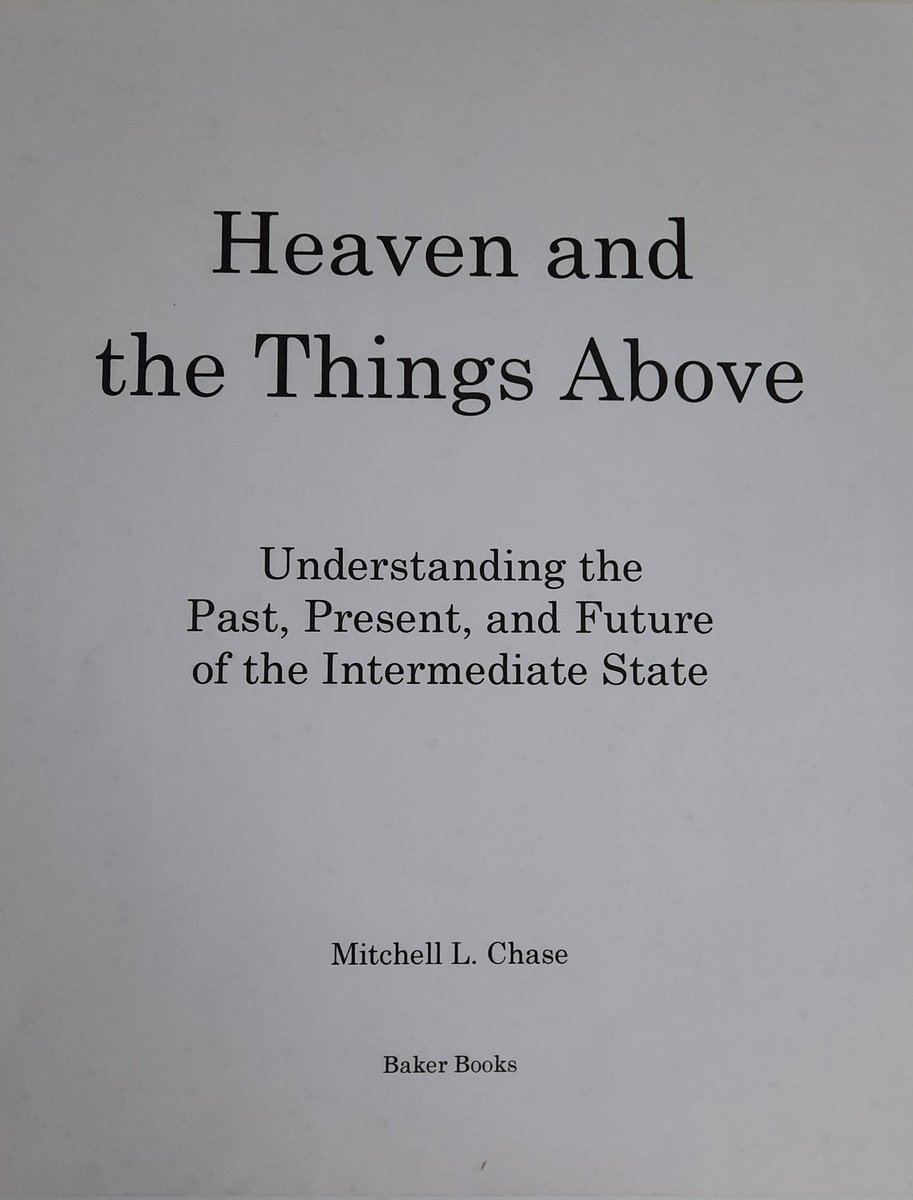
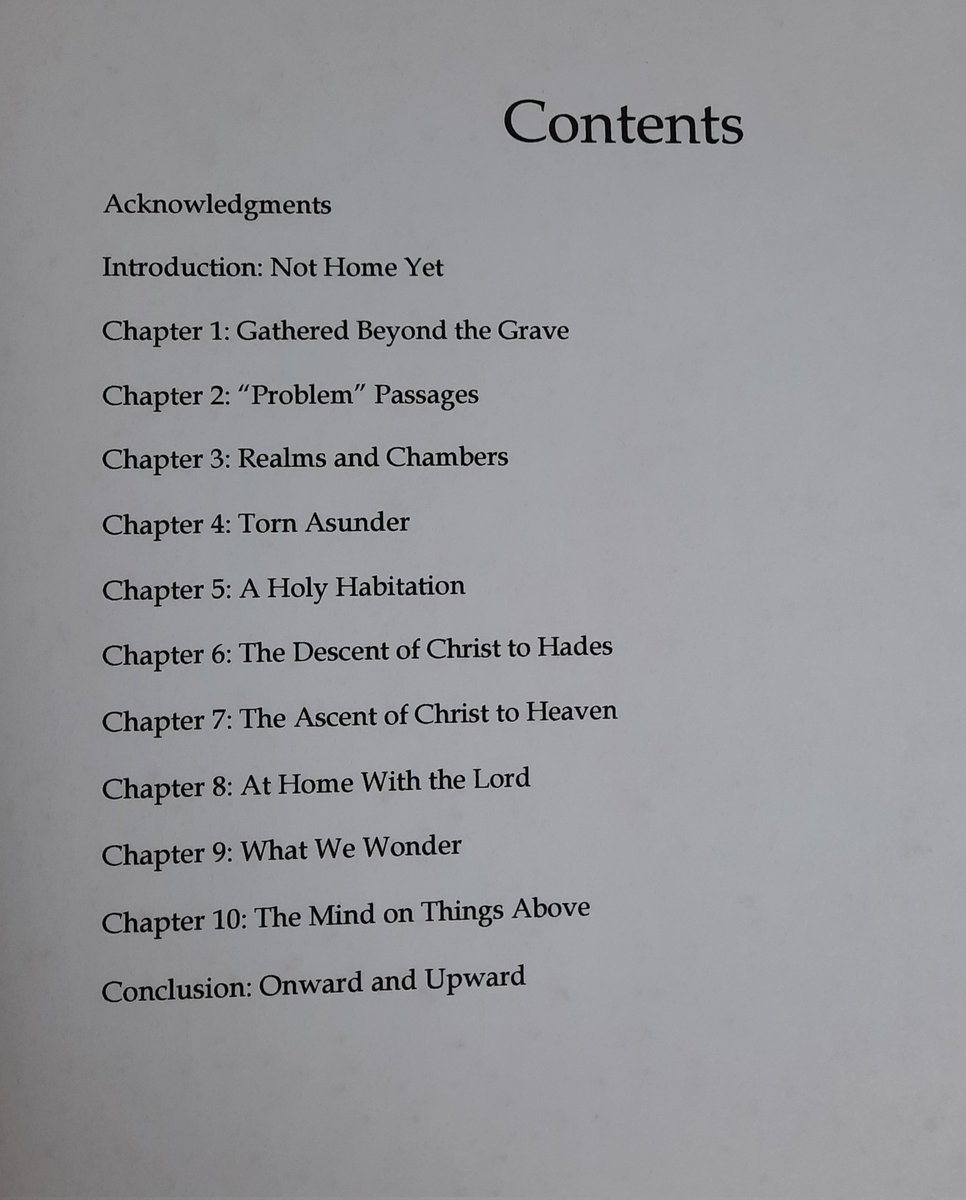
Thrilled to turn in my next book manuscript today! Heaven and the Things Above: Understanding the Past, Present, and Future of the Intermediate State. Coming in 2027 from @ReadBakerBooks.
Mitch Chase tweet mediaMitch Chase tweet mediaMitch Chase tweet media
English
12
4
87
4K
Reuben Huffman retweetledi
Josh Barzon
Josh Barzon@JoshuaBarzon·
Want to win a FREE premium leather ESV? My friends at @crossway have partnered with barzonDESIGN.com to give away this stunning ESV Veritas ($350 value) from their redesigned Bible line. To enter: Follow @JoshuaBarzon, like + repost, & tag someone below. Ends on 5/15.
Josh Barzon tweet media
English
335
347
449
44.3K
Reuben Huffman retweetledi
Dusty Deevers
Dusty Deevers@DustyDeevers·
Let me address the common objection: “But, 'ashes to ashes, dust to dust,' the body is going to dirt anyway, it doesn't matter how it gets there, whether cremation or composting." This is a category error. Genesis 3:19 tells us what happens to the body after death, it breaks down. That statement is about a physical process, not a normative claim about the body’s value. The objection make s category error by collapsing those two. In the Christian view, the body is not a disposable shell, but part of who we are--an ensouled body, and embodied soul created by God and belonging to Him. Decay/corruption happens because of the Fall, not because the body is meaningless, has lost its dignity, or purpose. When we treat the body as if it no longer matters once life departs, we are committing the old Gnostic error that the church rejected, claiming that the material body is insignificant compared to the “real” self. In 1 Corinthians 15, Paul teaches that we are resurrected, not replaced. The resurrection is a transformation with continuity, not a replacement of the body. He compares the body to a seed: what is planted is what grows; it changes, but it is still the same life. When he says “spiritual body,” he does not mean non-physical. He means a body made perfect by God’s Spirit. That's why the Church Fathers, like Irenaeus, Tertullian, and Augustine, all insisted that the same body that dies is the one God raises. If there is no continuity, then it is not resurrection, but replacement, which historic Christianity has always rejected. This is the key difference: passively/naturally letting the body return to the earth under God's judgment vs. active reduction of the body, treating it as usable material to be processed or commercialized. Burial accepts that the body will return to dust, but it still treats it with honor because it has derivative dignity as the body of someone created and owned by God and destined for resurrection. Treating the body as someTHING to be processed and repurposed vs someONE to be honored and buried confuses and devalues human dignity. The objection confuses these ideas. Yes, the body decays, but that does not mean it is ever just “matter.” The question, again, comes down to, "What is the human body?" A man-centered, paganized view says the body is ours to define, use, discard, and commercialize once life departs; a God-centered view says the body belongs to its Creator, created by Him, owned by Him, and destined by Him for resurrection, and therefore never merely ours to reduce to material.
Dusty Deevers@DustyDeevers

Today, the Senate voted to legalize human composting. This bill, which has already been passed in numerous far-left states, treats the human body as mere material to be utilized and repurposed, rather than something uniquely created in the image of God. Western civilization is built upon the assumption that human life is sacred. I pray that the Senate will rediscover a profound reverence for the dignity of the human person, even in death.

English
48
63
330
44.1K
Reuben Huffman
Reuben Huffman@REHuffman6·
@hasantoxr Very cool. How did you get the video effects in your example? was that an extra step in MidJourney or what?
English
0
0
0
41
Hasan Toor
Hasan Toor@hasantoxr·
Tap anything on the canvas to dive deeper. Every figure, route, artifact, and label is a doorway. Tap "Marco Polo" → the canvas unfolds into his journey to Khanbaliq. Tap "imperial silk" → you're inside the looms of the Silk Road. It's like growing your own Tree of Knowledge instead of getting lost in a Wikipedia rabbit hole.
English
2
0
5
7.4K
Reuben Huffman retweetledi
Scott Roberts
Scott Roberts@ScottRoberts·
Believers - at your workplace: 1. Don't complain 2. Watch your words 3. Encourage others 4. Pray for your team 5. Walk away from gossip 6. Work like it's worship 7. Do everything with excellence Honor Christ in all you do.
English
68
1.2K
6.9K
79.9K
Reuben Huffman retweetledi
Brooks Potteiger
Brooks Potteiger@BrooksPotteiger·
Married folks, take special heed to Spurgeon's insight today: "Faults are thick where love is thin." Are you quick-triggered annoyed? Are you an expert in their weaknesses, not their wins? If so, the glaring issue is not their shortcomings, it's your loveless heart. Thicken your love through gratitude. Pray for them and praise God for them. Look to the cross where you see the horror of your sin, and the love of God towards you - then purpose to be a conduit of Christ's love towards them.
English
0
20
115
3.4K
Jack Montgomery
Jack Montgomery@JackBMontgomery·
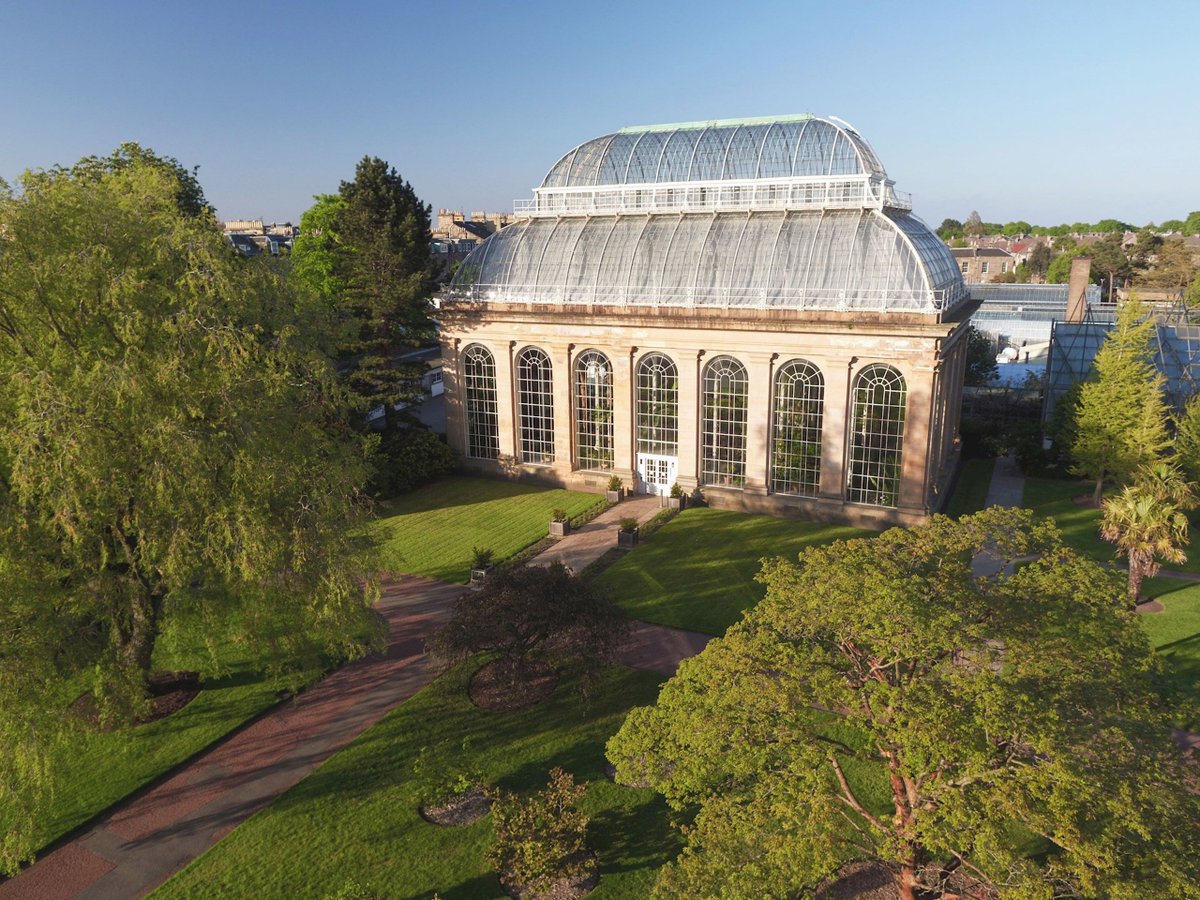
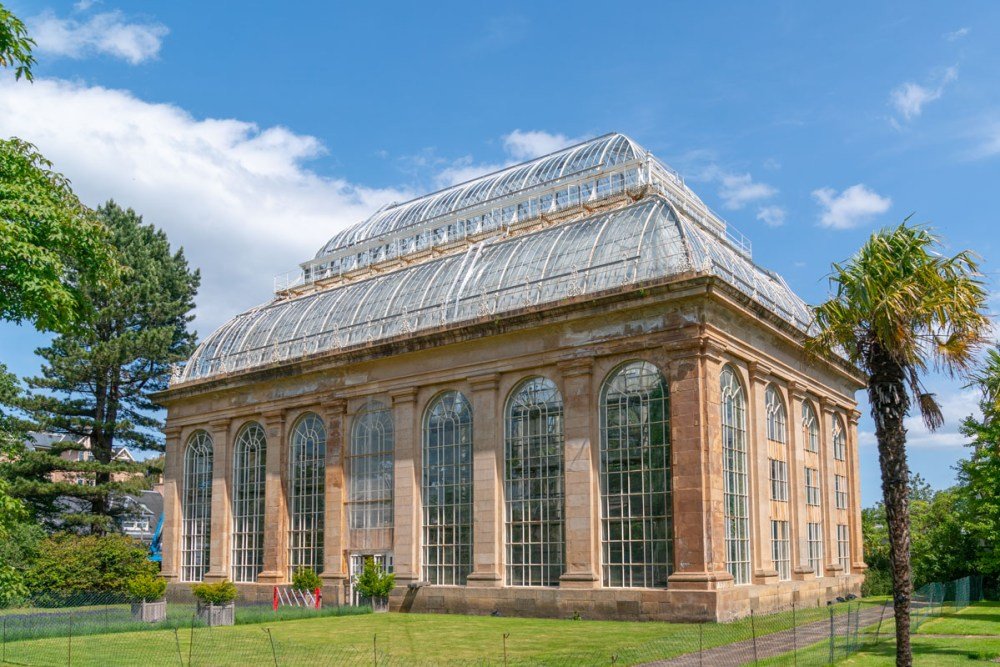
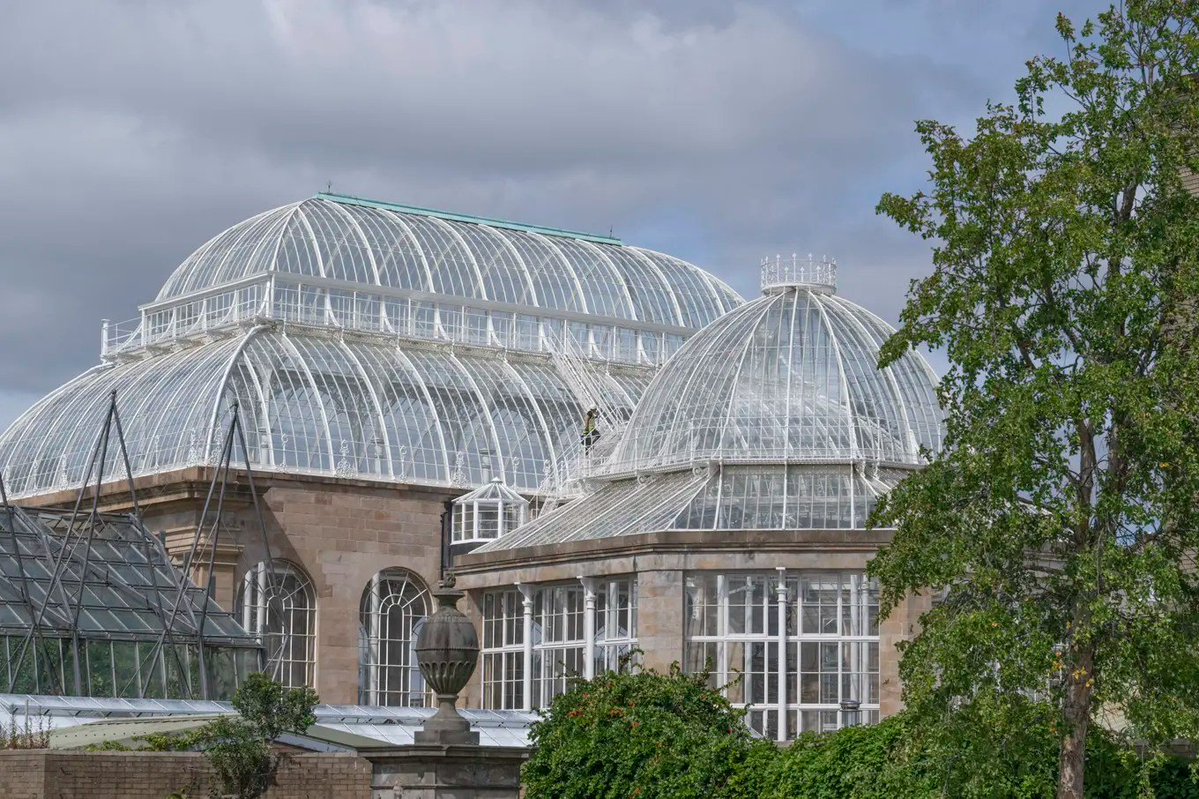
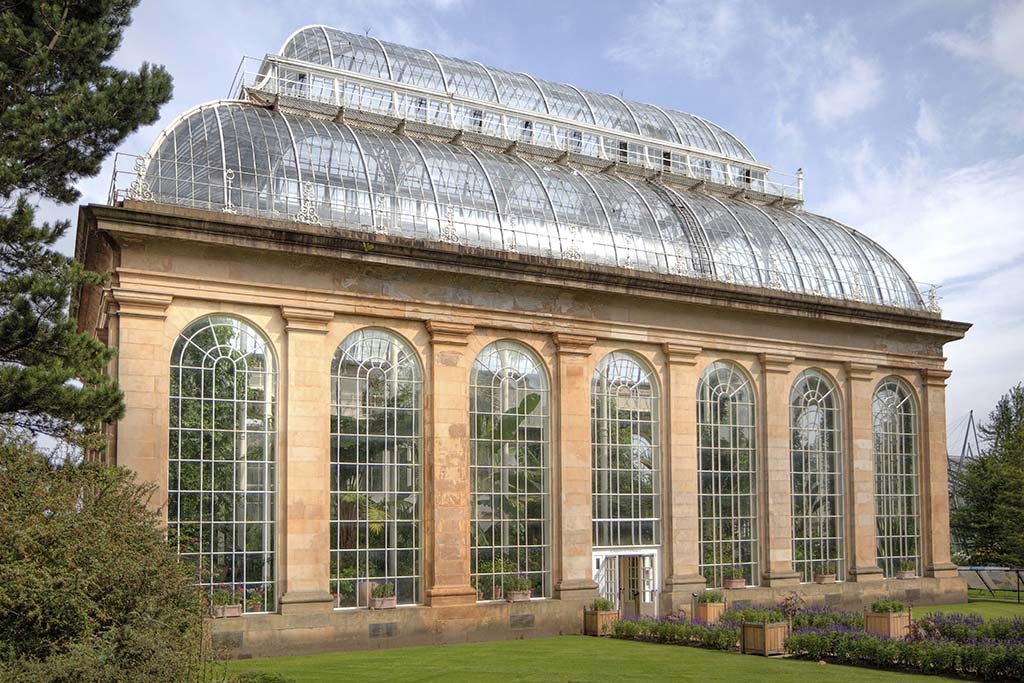
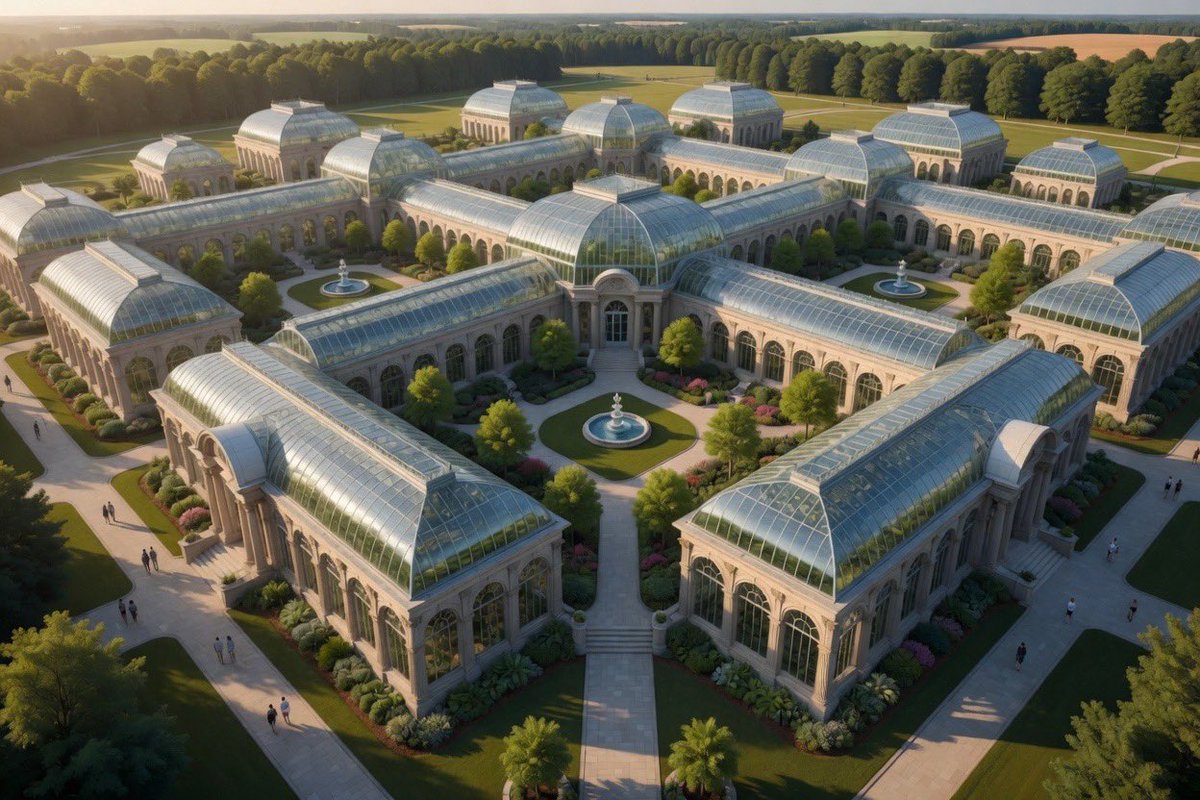
To make AI data centres beautiful unironically, they produce *a lot* of heat, so they should obviously be built in the style of Georgian and Victorian glass houses, filled with citrus trees and other exotic plants, like the Palm House at Edinburgh's Royal Botanic Garden.
Jack Montgomery tweet mediaJack Montgomery tweet mediaJack Montgomery tweet mediaJack Montgomery tweet media
Mike Bird@Birdyword

Many people do not seem to want data centres built near them, despite the fact that they don't cause that much traffic and often generate a lot of local tax revenue. I suspect it's partly because they're ugly! My proposal:

English
87
427
5.1K
388.3K
Reuben Huffman retweetledi
Robert P. George
Robert P. George@McCormickProf·
This is monstrous, Congressman. We have our dignity and basic rights--human rights--in virtue of our humanity, not age, size, or stage of development, anymore than race, sex, or ethnicity. Human dignity is inherent, not acquired. All of us have it, and we have it from the point at which we come into being; we do not lose it except by ceasing to be (i.e., by dying). On this principle--that of the profound, inherent, and equal dignity of each and every member of the human family--all else depends. It is the foundational principle of justice. If we bandon it, then all other claims of justice are rendered arbitrary ... and Thracymachus wins.
English
12
67
919
20.2K