Ramik Mukherjee

1.2K posts

Ramik Mukherjee banner
Ramik Mukherjee

Ramik Mukherjee

@Ramik100001

working at Vapi(Yc 21) | ex-cofounder @finz_fun | Member @SuperteamIN | Building something meaningful | Backend Engineer | @solana guy

India Katılım Şubat 2019
394 Takip Edilen274 Takipçiler
Sabitlenmiş Tweet
Ramik Mukherjee
Ramik Mukherjee@Ramik100001·
starting today: - i'll be building @finz_fun in public - daily progress posted until the product is shipped (2 weeks time) - sharing any new learnings or insights discovered while shipping - demos, alphas & sneak peaks too 👀
English
3
2
17
3.8K
raunit
raunit@raunit·
Unc era ?
raunit tweet media
Català
2
0
2
303
aryan | 🐂
aryan | 🐂@_0xaryan·
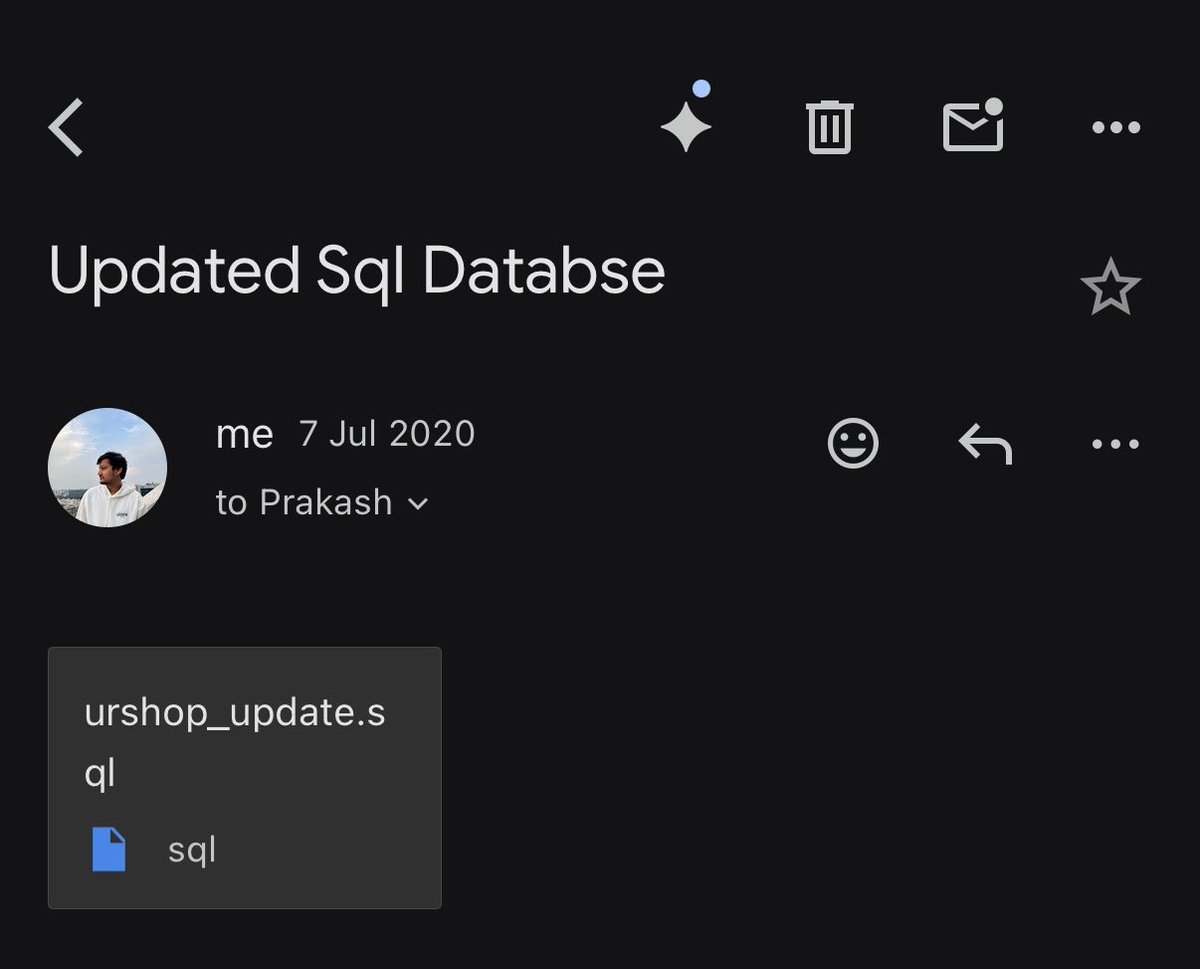
found an 2020 email, where I shared the database to an engineer over email 💀
aryan | 🐂 tweet media
English
3
0
40
3.1K
Superteam India
Superteam India@SuperteamIN·
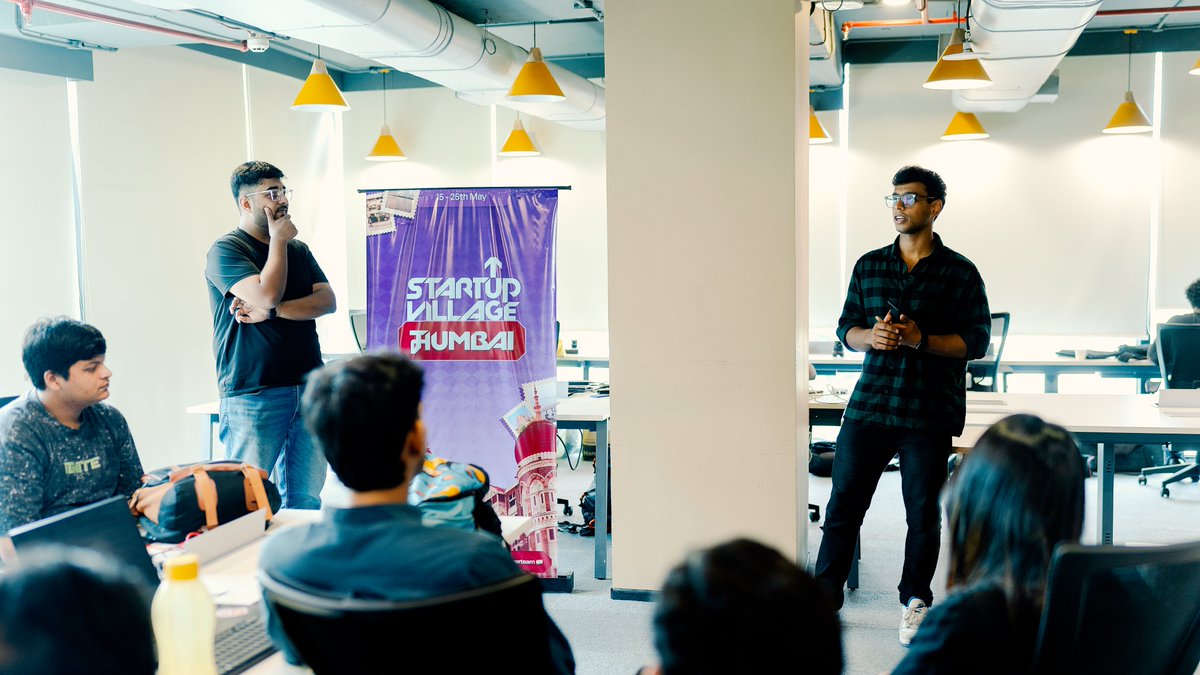
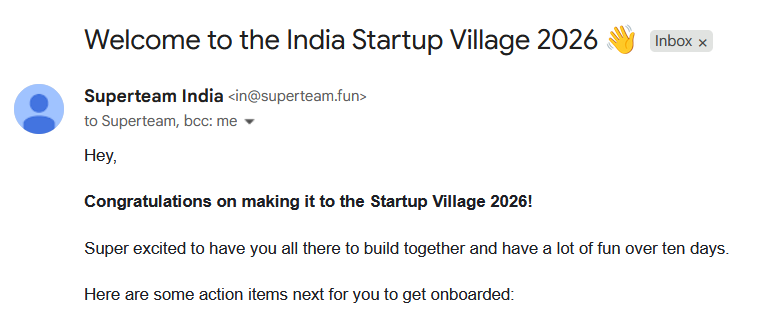
reporting from day 1 at the startup village: vibes gud, city gud, the next 10 days looking vvv gud
Superteam India tweet mediaSuperteam India tweet mediaSuperteam India tweet media
English
5
5
99
2.6K
Ramik Mukherjee
Ramik Mukherjee@Ramik100001·
@avhidotsol @ordrtrade Purely for performance gains in frontend or you guys have some age old issue with ts 😅, I also thought of making a trading terminal frontend just for the love of the game.
English
0
0
0
75
avhi.sol
avhi.sol@avhidotsol·
team is so goated we write the frontend in rust.
avhi.sol tweet media
English
21
2
88
5K
Ramik Mukherjee
Ramik Mukherjee@Ramik100001·
@adahstwt Ita really good actually I started using it quite recently, and loved the simplicity of the language. Still haven't deep dived into the ecosystem gonna check each one of these I guess
English
0
0
0
34
adah
adah@adahstwt·
Go + Gin → REST APIs Go + Fiber → High-Performance APIs Go + Echo → Web Framework Go + net/http → Core Backend Go + gRPC → Microservices Go + PostgreSQL → Relational DB Go + GORM → ORM / DB Access Go + Redis → Caching Go + Kafka → Event Streaming Go + NATS → Messaging Systems Go + Docker → Containers Go + Kubernetes → Cloud Native Go + Terraform → Infrastructure as Code Go + Prometheus → Monitoring Go + CLI → Dev Tools Go + WebSockets → Real-Time Systems one language backend cloud devops systems and people still say “go is too basic” 👇
English
59
83
1K
48.7K
shek
shek@shek_dev·
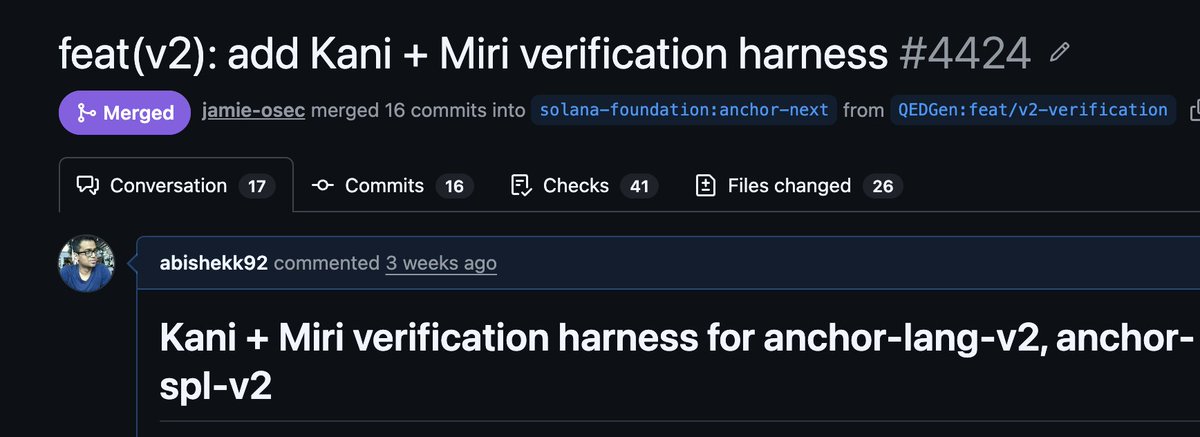
I will find you and formally verify you try qedgen.dev today
shek tweet media
English
15
4
76
10.8K
Shivrxj
Shivrxj@shivrxj·
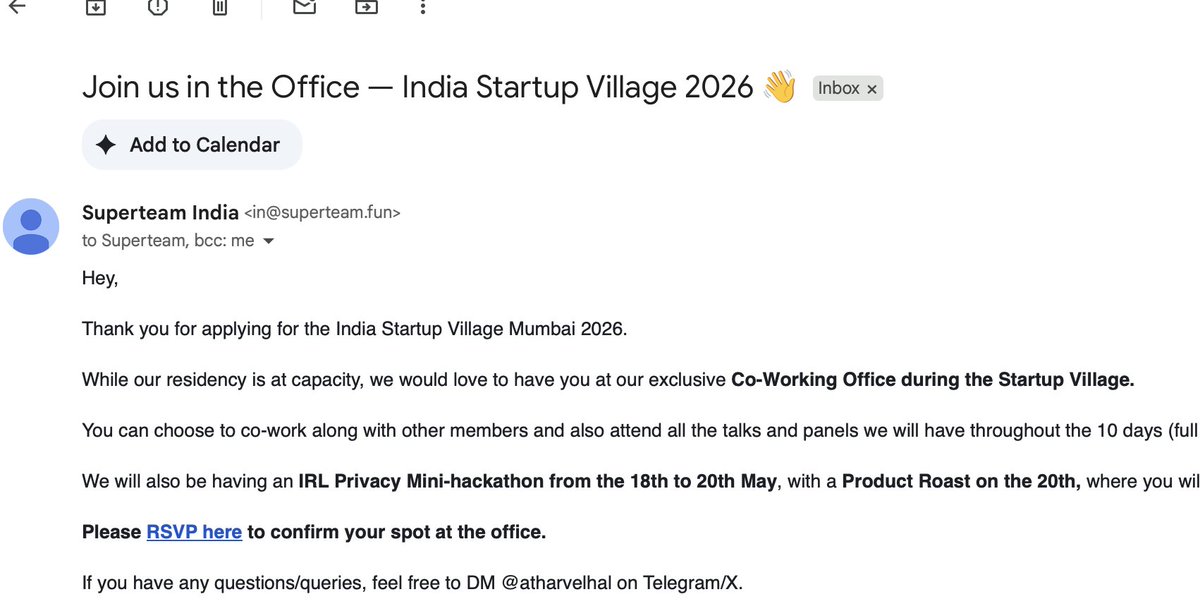
What a roller coaster week - shipped @PraxaMarkets - submitted in @colosseum frontier hackathon - learned so much while i was recording the pitch & the demo for the submission (shoutout to @paarugsethi for all the help 🐐) - now got this email excited to meet so many new folks at @SuperteamIN Startup Village at Bombay these 10 days are about to be lit 🫡
Shivrxj tweet media
English
2
0
6
117
Moses
Moses@Moses7054·
Got my pr merged into rust clippy. It's a new lint called `inline_trait_bounds` , gotta a do few more prs to stablize it. Two more prs on the way to be merged.
Moses tweet media
English
5
3
26
1.3K
Abhishek Singh
Abhishek Singh@0xlelouch_·
Got a question in my DM "Hey Abhishek, can you mention good project I can try to build to get some good learning about more production issues, and how do I basically test those scenarios locally. Kinda simulating production issues. I wanna build it in Go, its a really good language honestly loved it." --- My Advice: Hey, good direction honestly. If you want to learn real production issues in Go, start with a simple CRUD app. Then go beyond, build a small production-like system and intentionally break it. --- Example Project idea: Build a mini order/payment system in Go. Services: API service Accepts user requests like create order, get order, cancel order. Worker service Processes orders asynchronously from a queue. Database Postgres for storing orders, payments, retries, status transitions. Queue Use Kafka, NATS, RabbitMQ, or even Redis Streams initially. --- Observability stack Prometheus + Grafana + Loki + Jaeger/OpenTelemetry. Now the real learning starts when you simulate production problems locally. Things you should test: - Slow database queries - Add artificial sleep in one query or create an unindexed table. Then observe: Why is latency increasing? Which endpoint is slow? Is CPU high or DB waiting? Can you see it in traces? This will teach you metrics, tracing and query performance. Worker failure Make the worker crash after picking a message but before updating DB. Now think: Was the message lost? Was it processed twice? Should you ack before or after processing? Do you need idempotency? This is one of the most common production issues. Duplicate requests Hit the same create order API 10 times with same idempotency key. Expected behavior: Only one order should be created. This teaches you why payment systems use idempotency keys. Downstream service failure Create a fake payment service and make it randomly fail. Then implement: Retries Timeouts Circuit breaker Dead letter queue This teaches you that production is mostly about handling other systems failing. High traffic locally Use tools like k6, vegeta or hey. Example: Send 1000 requests/sec to your API. --- Observe: When does it break? Is it CPU? Memory? DB connection pool? Queue lag? Goroutine leak? This is where Go becomes really fun because you can actually see concurrency problems clearly. Bad deployment scenario Run everything using Docker Compose. Then kill containers randomly: docker kill api docker kill worker docker kill postgres Now check: Does the system recover? Are messages safe? Do retries work? Is the health check meaningful? --- Memory leak simulation Write one endpoint that keeps appending data to a global slice. Then use pprof. You will learn: Heap profiling Goroutine profiling CPU profiling Memory growth patterns This is very underrated for Go developers. Queue backlog Make producer faster than consumer. Example: API produces 10k jobs. Worker processes only 10/sec. Now monitor: Queue depth Consumer lag Processing time Retry count This teaches backpressure. Backpressure simply means your system should not blindly accept more work than it can process. --- Timeout issue Call a fake slow service without timeout first. Then add: context.WithTimeout HTTP client timeout DB query timeout This teaches one of the biggest Go production lessons: Every network call should have a timeout. --- Observability dashboard Create Grafana dashboards for: Request rate Error rate Latency p95/p99 DB query duration Queue depth Worker success/failure count Goroutine count Memory usage CPU usage This will teach you how real teams debug systems. The final goal is not the order system. The final goal is to learn how systems fail. A good backend engineer is not someone who only writes APIs. You should know and understand: What happens when DB is slow What happens when queue is full What happens when worker dies What happens when retry creates duplicate payment What happens when one service becomes slow What metric to check first What log line matters What trace explains the failure Build this in Go and keep breaking it locally. That is probably 10x better than building 5 normal portfolio projects.
English
8
20
151
9.2K
Ritesh Roushan
Ritesh Roushan@devXritesh·
Some nights you’re debugging at 3 AM with tears in your eyes, wondering why you’re still doing this. No one sees the silent rejections, the empty Stripe dashboard, the self-doubt that hits at 2 AM. But you still show up the next day. Because deep down you know, this pain is the price of building something that actually matters. To every founder, developer, and builder still fighting in silence: I see you. You’re not alone. Keep going 💙 What’s one emotion you’re feeling in your journey right now?
English
12
2
27
2.1K
Prapti
Prapti@praptichilling·
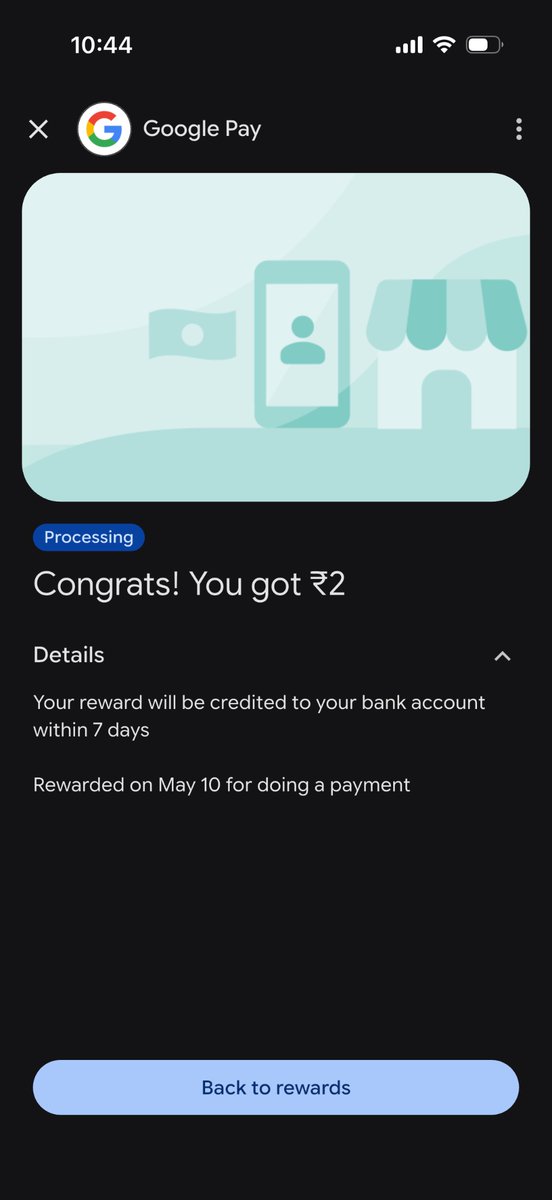
spent a lakh and got 2₹ cashback from GPay. thats not a reward, thats disrespect, feels like an insult atp😭
Prapti tweet media
English
8
0
25
1.8K
Ramik Mukherjee
Ramik Mukherjee@Ramik100001·
@priyanshudotsol This question is making think more than it should. I only go play football on Sunday today literally nothing to do 🙃
English
1
0
1
18
priyanshu.sol
priyanshu.sol@priyanshudotsol·
wassup guyss what’s going on??? any plan for weekend??
English
1
0
4
191
Ramik Mukherjee
Ramik Mukherjee@Ramik100001·
@cbajpai7 @MeLovegupta There are some really great os projects I have seen in rust but yeah still not a lot of guys are aware. Rust forces you to be a better engineer
English
0
0
2
32
Chaitanya Bajpai ⓧ
Chaitanya Bajpai ⓧ@cbajpai7·
Been reading Rust AI infra codebases lately and half the engineering is basically: “how do we move absurd amounts of tokens around without copying memory 14 times” Arc, Cow, mmap, batching, lock-free queues, pinned buffers, cache locality. Rust doesn’t magically make these systems faster, It just exposes bad architecture immediately. Which is probably why serious infra teams keep reaching for it?
English
6
3
63
2.4K