

Banana Candle
146 posts

Banana Candle
@RandyRo43364239
Forex, Futures, fishing, video games and your mom.
Florida land of the free Katılım Ekim 2021
46 Takip Edilen14 Takipçiler

@MarioNawfal Police laws need to change and individual officers should pay damages especially part of their wealth!!!
English

🇺🇸 A video from 2013 is making the rounds again.
A police officer in Illinois shoved a DUI arrestee into a cell and her face hit the concrete bench, shattering bones and teeth on impact.
Cassandra Feuerstein was 47, already in custody, already restrained, and Officer Michael Hart pushed her hard enough to fracture her face in multiple places, on camera, in a police station, in front of nobody who stopped it.
She sued, settled for $875,000, and the taxpayers covered it. Hart covered nothing.
The public got the invoice for someone else’s violence.
English
@Azel_OhWell @MarioNawfal As a former Leo I can assure you it doesn't matter whatsoever how she was acting. She's in your custody, you're responsible for her safety.
English

@MarioNawfal Where is the video revealing how she was acting before this moment? They never show that.
English
@greatshistorian @forallcurious No silly, this means ai robots will have real eyes.
English
@forallcurious Kudos to the team. Science doing great wonders. Giving sight to the blind would greatly reshape our world by giving chance to the hopeless.
English

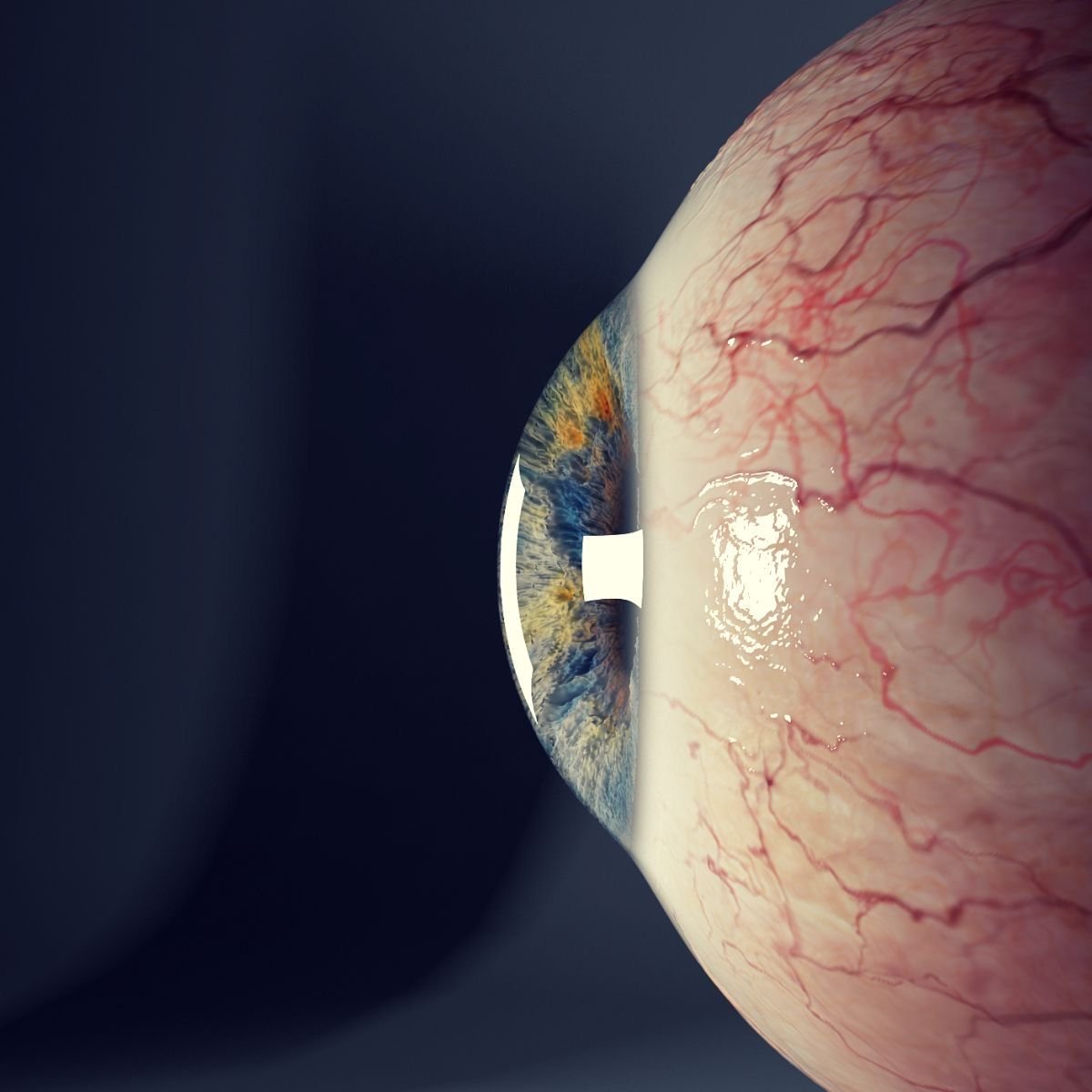
🚨: South Korean scientists successfully 3D printed a living 'cornea' to restore vision in blind patients
English
@AHaydinyants @forallcurious Let me scratch your cornea then tell me that.
English

A cornea doesn't make a person completely blind. Keratoconus, a degenerative disorder of the cornea, often requires a cornea, while the optic nerve is what makes a person blind. This is good news, but there are many questions about its survival rate, how long it can last, how much it improves vision in cases of corneal injury, and many other questions. Otherwise, this post is a bit of a hype train.
English
English

@shesalinguist @forallcurious No silly, this means ai robots will have real eyes.
English

@forallcurious Those this means people who are blind has 70% chance of seeing again
English
@Dr_TheHistories I climbed one before they banned it, shit was scary how straight up they go.
English
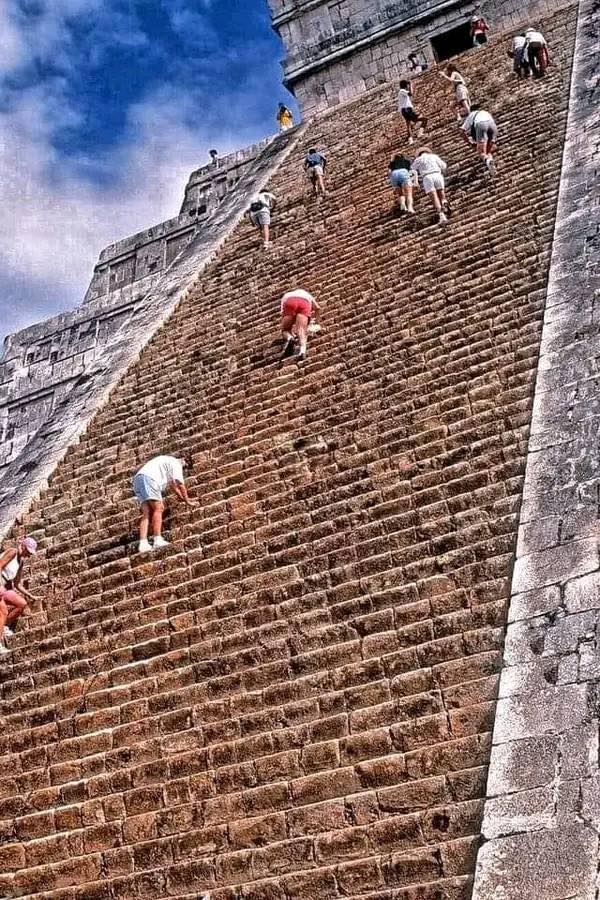
This historical image shows, tourists climbing the steep steps of El Castillo (Temple of Kukulcán) at the ancient Maya site of Chichén Itzá in Mexico 🇲🇽
The Maya city of Chichén Itzá, a UNESCO World Heritage site in Yucatán, Mexico. This step-pyramid was built by Maya civilization between 8th-12th Centuries AD, and functioned as a temple to the deity Kukulcán. The pyramid acts as a huge solar calendar; it has a total of 365 steps, with 91 steps on each of the four sides plus the temple platform on top.
Today, tourists are no longer permitted to climb the pyramid to protect the ancient structure and preserve the site.
#drthehistories
Español

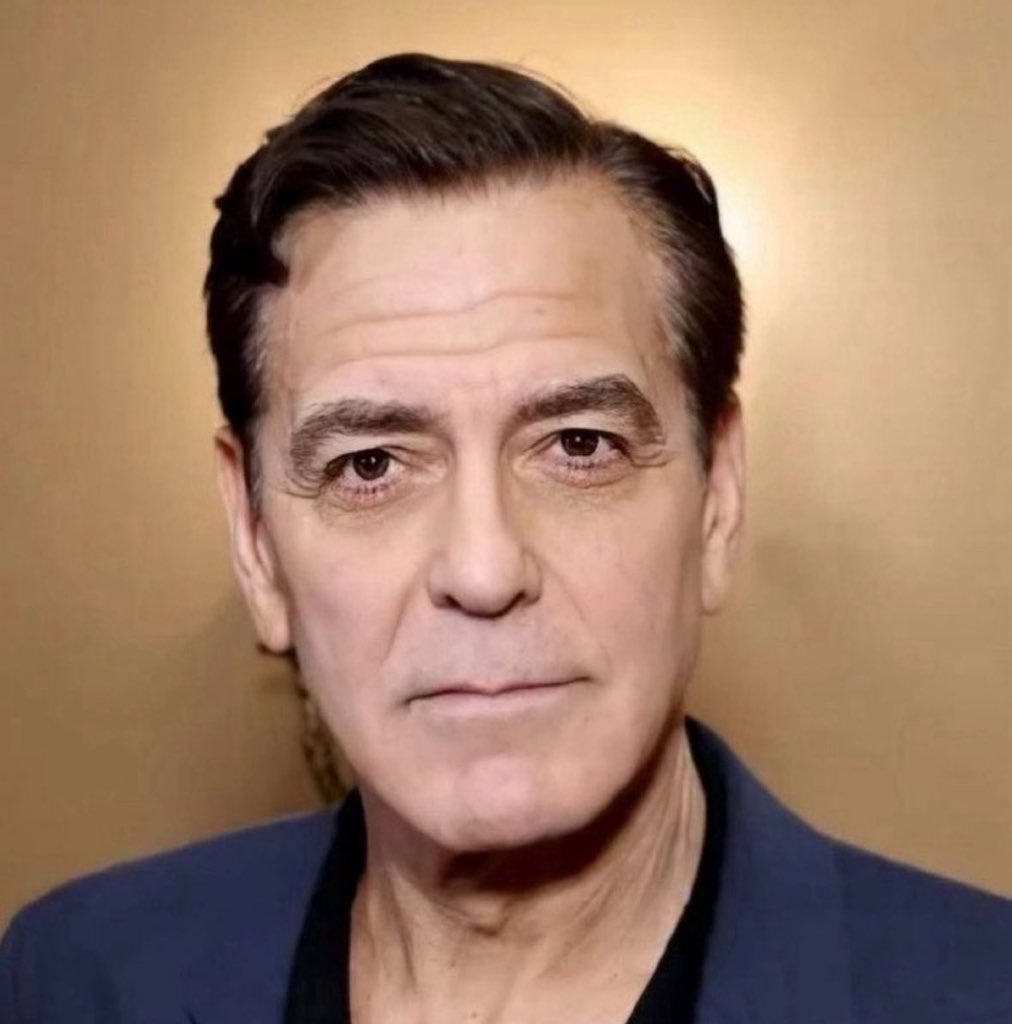

Is this appropriate attire for 56 year old Jennifer Lopez to be performing on stage 🤔
English
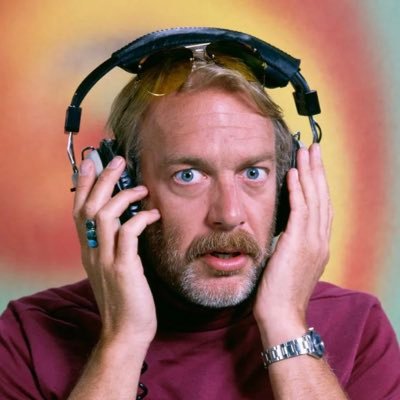
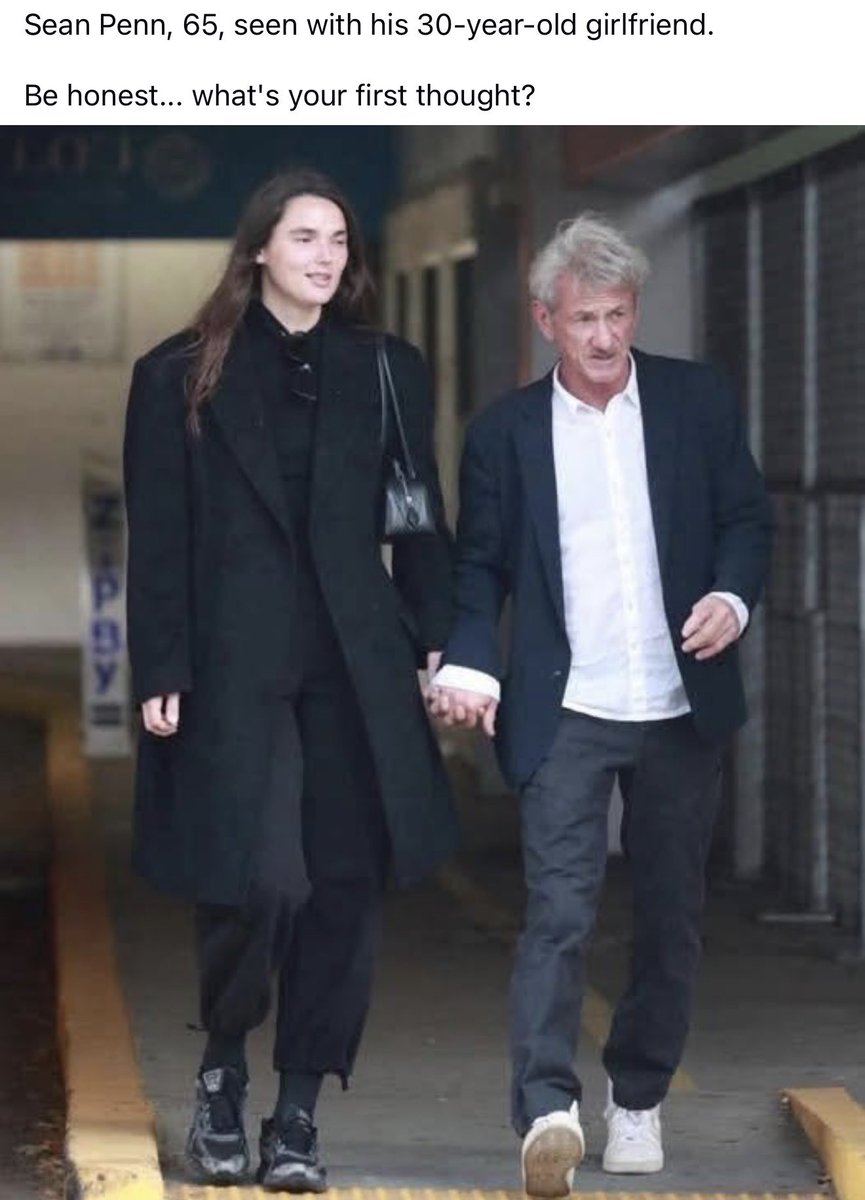
What do you think about 65 year old Sean Penn and his 30 year old Girlfriend?
English
You said no more middle-east wars, you said maha then gave Monsanto immunity. Literally opposite of everything you promised.
Fight me on the white house card you fuckin lying, traitorous, Epstein island visiting, degenerate. @Trump
English
@KevinPeters3980 @PhysInHistory I'd do the experiment on you.
English

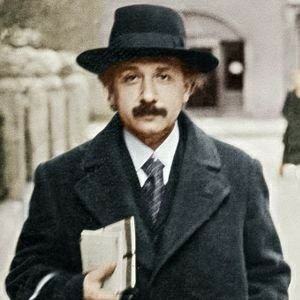
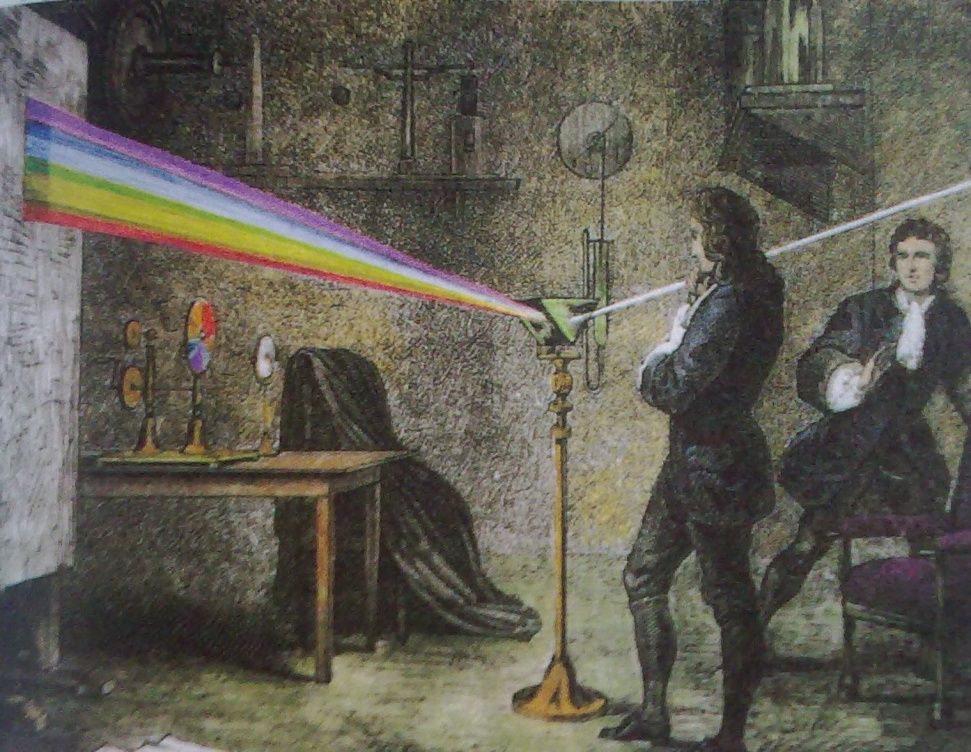
Sir Isaac Newton once inserted a bodkin—a long, blunt needle—between his eyeball and the bone of his eye socket just to see what would happen.
He carefully recorded the colored circles and other visual effects produced by pressing and rubbing his eye with the needle. In another experiment, he stared at the sun's reflection in a mirror for as long as he could bear, risking permanent blindness, to study the persistence of the visual impression.
English
@AbbottEddi5270 Thats an air shark.
Better hope the nado doesn't show up.
English

This one is wonderful…
There is a craft sitting in the sky…. Not moving at all In fact…. It’s parked and there seems to be areas on it that appear to be openings
Looks like hatches opened….
I had a battle buddy that could super zoom with clarity… unfortunately he is no longer with us thanks to war…
The old man had the craft above his home, he went to his neighbor who offered to record the craft he seen as it was still in the sky, just a bit further away….
This is her record… I zoomed in the best I’m able…
Welcome to Disclosure… the videos will start to ramp up…
Watch…
@JonStewartIL
English
@Applegoat1776 @archeohistories Think you got them confused with the Jewish Government
English


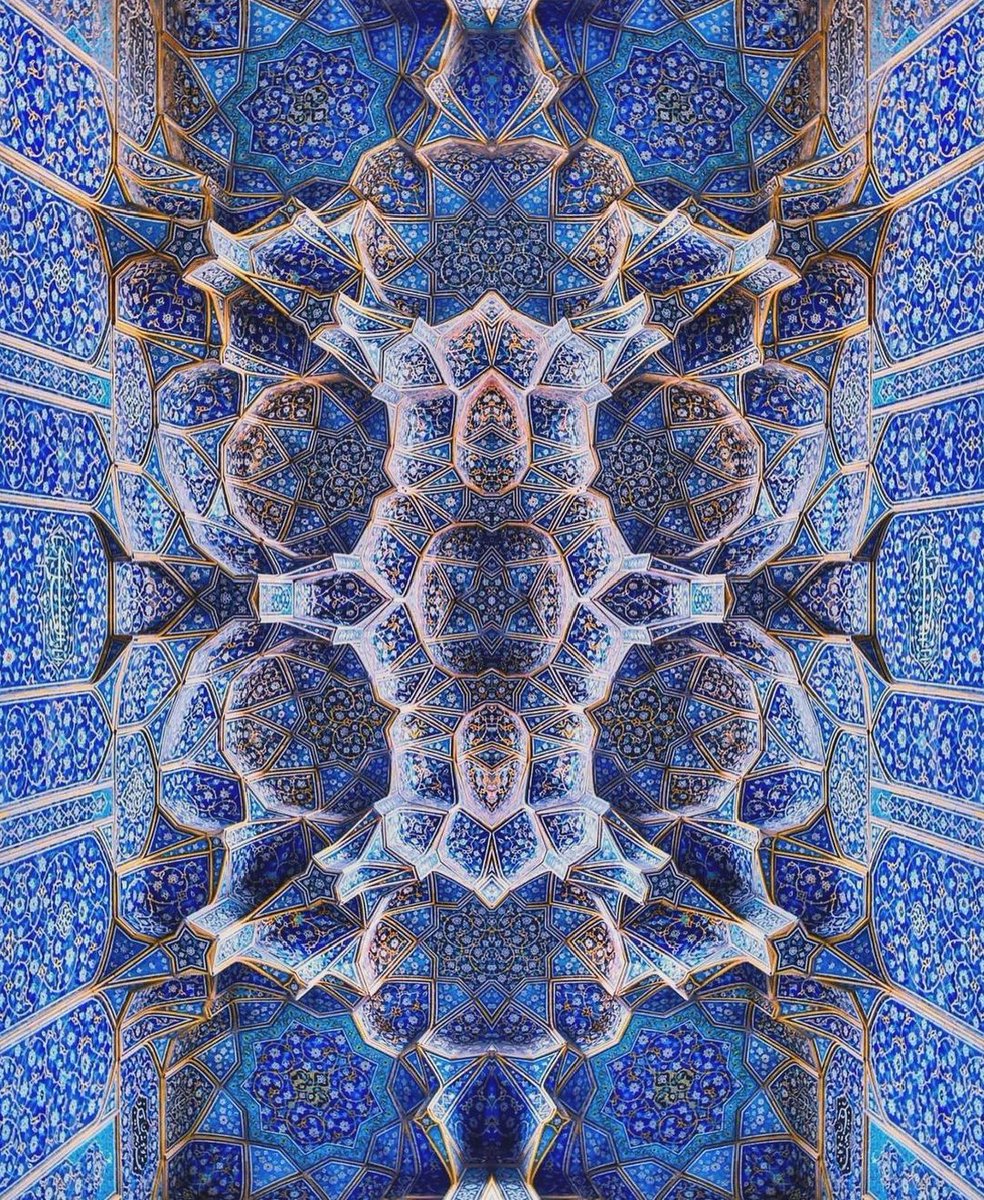
Stepping into the divine precincts of Iranian mosques, madrasahs, and mausoleums, one is instantly captivated by the celestial patterns that adorn their ceilings. This is a glimpse into the world of Islamic geometry, an intricate, complex art form with deep spiritual connotations.
Islamic geometry is not merely an aesthetic choice; it is deeply rooted in the philosophical principles of Islam. It embodies the essence of ‘Tawhid’ or the ‘unity of God’, reflected in the symmetrical, infinitely repeating patterns. The concept of order, unity, and harmony in these patterns can be interpreted as the reflection of the cosmic order.
In Iran, the ceilings of various religious structures offer stunning examples of Islamic geometric patterns. The Nasir-ol-Molk Mosque in Shiraz, often referred to as the 'Pink Mosque', is a testament to the refined beauty of Islamic geometric design. Its ceilings are adorned with intricate geometric patterns formed with beautifully colored tiles, creating a kaleidoscope effect.
The Shah Mosque in Isfahan, another architectural marvel, features a mesmerising array of geometrical tessellations and radial designs on its dome, symbolising the universe's infinite nature. The patterns are meticulously planned, with each tile cut to fit into the grand celestial design.
The mausoleum of Oljeytu, in Soltaniyeh, is another epitome of Islamic geometry, with its interiors embellished with complex muqarnas - a form of ornamented vaulting made of geometric subdivisions. These three-dimensional designs mirror the universe's multiplicity converging into a single entity.
Whether they embody complex mathematical principles or express the spiritual beliefs of Islam, these geometric designs are much more than mere decoration. They are an exploration of the divine, a journey into the cosmos, and a testament to the aesthetic vision of Islamic art. The detailed patterns and designs, so characteristic of Islamic geometry, remain a significant part of Iran's rich architectural heritage, turning every glance skyward into a spiritual contemplation.
📷© ghasem.baneshi (IG)
#archaeohistories
English
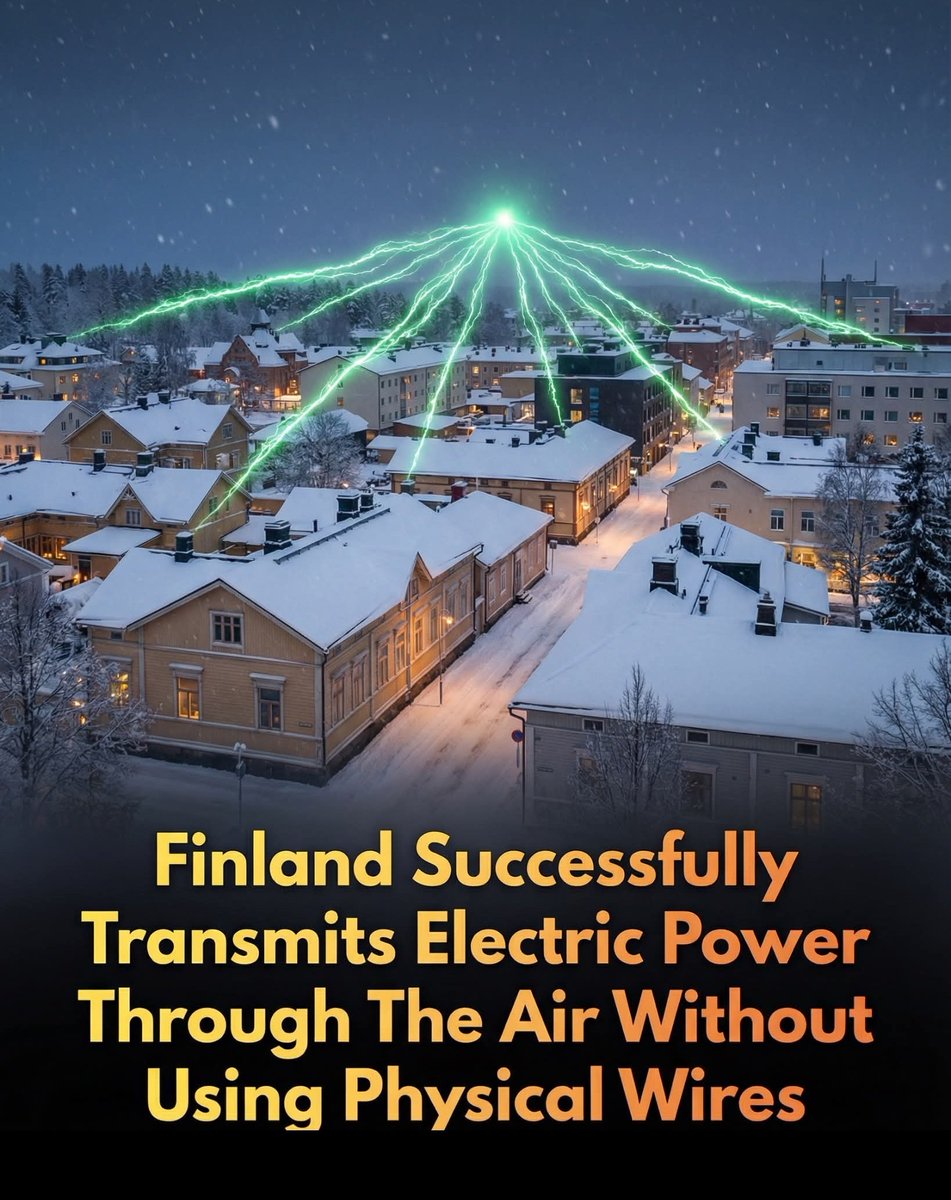
⚡Scientists successfully transmitted electricity through air using ultrasonic sound waves and laser beams.
Finland is positioning itself at the forefront of a wireless energy revolution, with researchers from the University of Helsinki and the University of Oulu pioneering methods to move electricity without physical cables.
One of the most striking developments involves using high-intensity ultrasonic sound waves to create invisible pathways through the air, effectively guiding electrical sparks along a controlled route.
While currently in the experimental phase, this 'acoustic wire' technology could eventually enable contactless electrical connections and smart interfaces that function entirely without plugs or traditional wiring.
Beyond sound-guided energy, Finnish innovation is also leveraging light and radio frequencies to solve complex power challenges. The private sector is developing 'power-by-light' systems that utilize high-powered lasers to transmit electricity to remote receivers, providing critical galvanic isolation for hazardous environments like nuclear plants and high-voltage stations. Simultaneously, advancements in radio-frequency harvesting are turning ambient waves into 'Wi-Fi for power,' potentially eliminating the need for millions of disposable batteries in low-power IoT sensors. Together, these technologies signal a shift toward a more flexible, cable-free infrastructure for global industry.
Source: University of Helsink. Wireless Electricity Transmission: Breakthroughs in Acoustic and Laser-Based Power. University of Helsinki News.
English
@archeohistories My poor grandfather, he was a good man.
English
On the night of December 30, 1916, Grigori Rasputin, the peasant holy man who had become the most influential figures in imperial Russia, sat in the opulent basement of Felix Yusupov’s palace on the Moika Canal. The contrast was staggering. Silk rugs, polished stone, aristocratic luxury—and at the center of it all, a bearded Siberian peasant eating cakes and drinking wine laced with cyanide. The poison should have killed him within minutes. Rasputin laughed, talked, and drank on. Nothing happened.
His rise to this improbable moment had begun not with politics, but with a sick child. In 1904, the imperial heir, Alexei, the only son of Nicholas II and Alexandra Feodorovna, was diagnosed with hemophilia—a condition that turned even minor injuries into potential death sentences. The disease was kept secret, but panic ruled the palace. Doctors failed repeatedly. Then Rasputin was summoned.
Whether through hypnosis, prayer, the calming of the mother, or the simple insistence that doctors stop administering harmful treatments, Rasputin appeared to do the impossible. Alexei’s bleeding episodes eased. On more than one occasion, the boy recovered when death seemed imminent. To Alexandra, it was nothing short of miraculous. She became convinced that Rasputin had been sent by God to protect her son—and by extension, the dynasty itself.
That conviction made Rasputin untouchable. He was granted extraordinary access to the royal family, allowed to speak freely, advise boldly, and bypass the layers of court etiquette that had governed imperial life for centuries. Ministers learned that crossing him could end careers. Courtiers whispered. Nobles seethed. Rumors spread that he drank heavily, consorted with prostitutes, and boasted of his influence. Worse still were the whispers—never proven, but endlessly repeated—that his intimacy with the empress was not merely spiritual. Satirical cartoons circulated underground, depicting Rasputin looming over the throne, or worse, over Alexandra herself. The monarchy’s dignity eroded by the day.
As World War I raged, the situation grew catastrophic. With the tsar away at the front, Alexandra effectively ruled from Petrograd, leaning heavily on Rasputin’s advice. Ministers were appointed and dismissed with alarming speed. Policy drifted. The capital starved. The army bled. To many Russians, Rasputin became the embodiment of everything that had gone wrong—a symbol of corruption, superstition, humiliation, and decay at the heart of the state.
This is why he was invited to the basement.
When the poison failed, the conspirators panicked. Yusupov fetched a revolver and shot Rasputin in the chest. He fell. Silence followed. Relief crept in. Then Rasputin moved. He groaned. He rose. Bleeding and staggering, he clawed his way toward the door and out into the frozen night.
The men chased him, terrified he’d draw attention to their plot. More shots followed. He collapsed again. His battered body was bound, dragged through the snow, and dumped into the black, icy waters of the Moika River. When his corpse was recovered days later, reports claimed there was water in his lungs—suggesting that he had still been alive when he was thrown in.
But the murder solved nothing. Within weeks, the monarchy collapsed. Within months, Russia descended into revolution—and then civil war. Rasputin did not bring down imperial Russia. He merely died in the wreckage of a system already beyond saving.
📷 : Rasputin's corpse on the ground with a bullet wound visible in his forehead
#archaeohistories

English
@konstructivizm Obviously a photograph of the firmament. You can clearly see the waters.
English
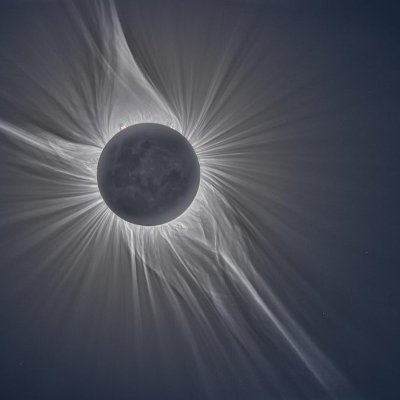
The first detailed photograph of the moon, taken by John W. Draper from the rooftop observatory at New York University (26th March, 1840)

English
@forallcurious I know what it is, where it came from and where its going.
English
🚨: Something is Quietly Changing in Interstellar Object 3I/ATLAS and the Absence of Violence may be the most Revealing detail yet
There is no visible elongation of the core itself, no trailing debris cloud, and no evidence of structural failure. That stability under thermal and mechanical stress continues to distinguish 3I/ATLAS from most known cometary bodies.
From a forensic perspective, absence matters as much as presence.
There is no flare. No fragmentation. No sudden brightness surge. No disintegration. In prior interstellar visitors like ‘Oumuamua, brightness variability and non-gravitational acceleration raised questions that could not be fully resolved due to limited observation windows.

English
@konstructivizm Standing on another world? They must be Hella tall cause the surface of the moon looks really far away. #shitpost
English
July 1969.
Three men, 240,000 miles from home, standing on another world for the first time in history.They turned around.There it was: Earthrise.Not the familiar globe from textbooks, but a living, glowing jewel (half-lit, cloud-swirled, impossibly delicate) hanging above the barren lunar horizon like a drop of water about to fall into the void.No borders. No nations. Just one thin, fragile atmosphere wrapping a single blue oasis in an ocean of darkness.Neil Armstrong later said the sight made the Moon feel suddenly huge and empty. Buzz Aldrin called it “a brilliant jewel in the black velvet sky.” Michael Collins, circling alone overhead, wrote that Earth looked like something you could cover with your thumb (and everything he’d ever known was behind it).One photograph, taken on the edge of human experience, did more than any speech or treaty ever could. It shrank the world to a single, vulnerable home and quietly kick-started the environmental movement, the idea of “Spaceship Earth,” and the realization that we are all crew, not passengers.From the Moon, humanity finally saw itself. NASA / Apollo 11 crew (primarily William Anders’ earlier Earthrise from Apollo 8 inspired the moment, but Apollo 11’s view sealed it forever)

English