Reece Hass retweetledi
Reece Hass
60 posts

Reece Hass
@ReeceHass
Neurology | Clinical Neurophysiology, Electromyography | Tweets = my own
Katılım Mayıs 2011
150 Takip Edilen212 Takipçiler
Reece Hass retweetledi

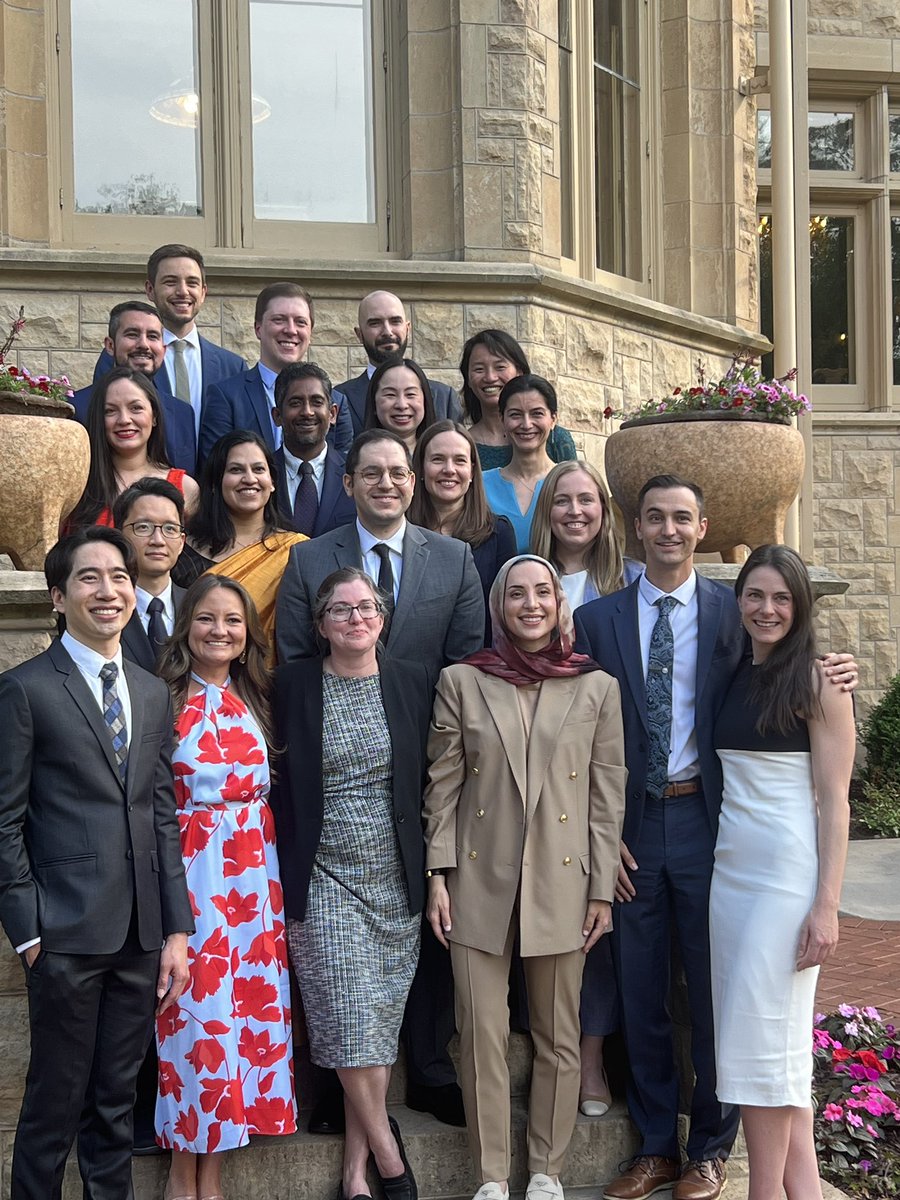
🎓✨ Huge congratulations to our graduating Mayo Neurology Fellows! Your dedication to patient care and research has been outstanding. We’re so proud of you.
Grateful to our amazing fellowship program directors for guiding the next generation of neurologists.
#NeurologyFellows

English
Reece Hass retweetledi

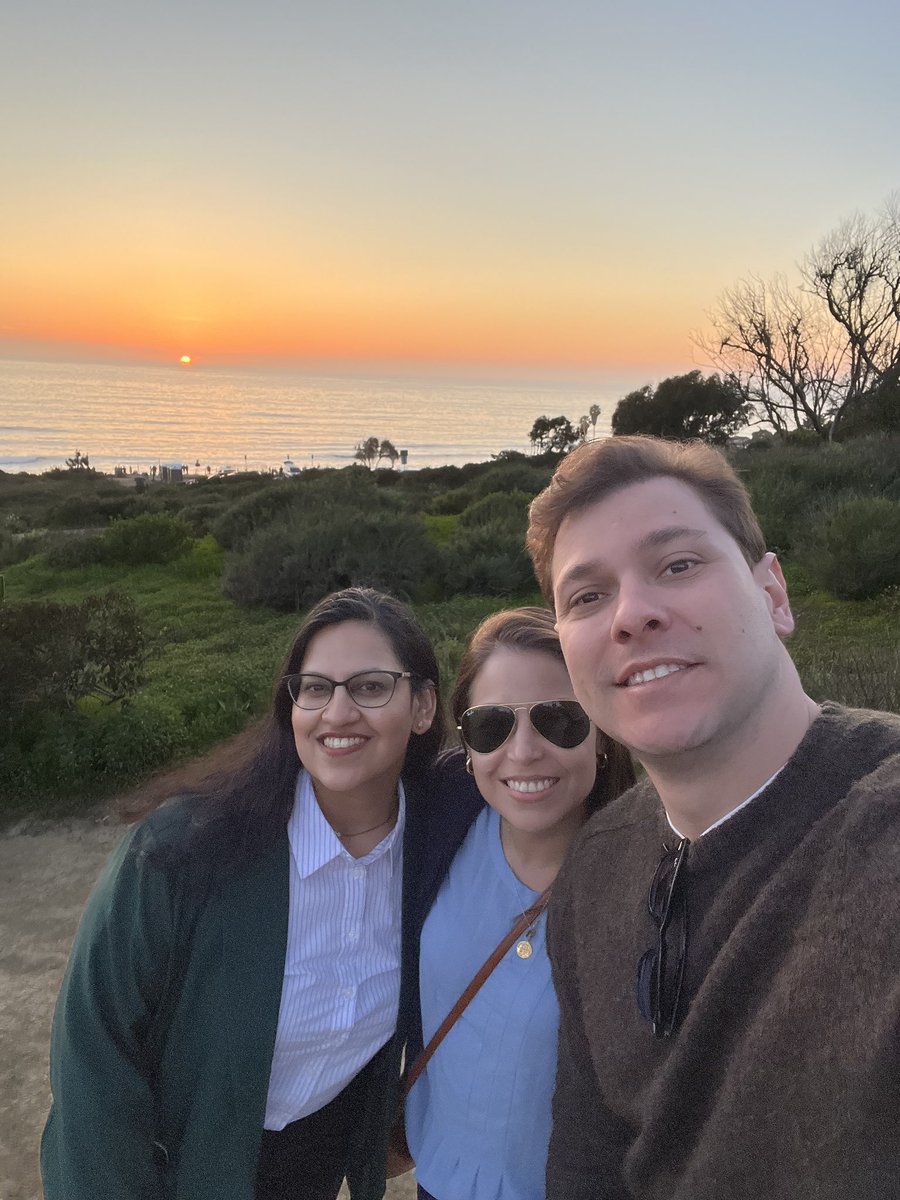
Had an amazing time at #AAN2025 in San Diego! Huge shoutout to our incredible Mayo Clinic Neurology Fellows for making the most of the week—presenting research, connecting with colleagues, and soaking up the California sun. Already looking forward to next year!
#NeurologyFellows


English
Reece Hass retweetledi

Congratulations to Dr. Vasquez Avila (Epilepsy fellow) on her recent publication in Seminars in Neurology, “Management of Developmental and Epileptic Encephalopathies”
pubmed.ncbi.nlm.nih.gov/39993428/
#ScholarlySunday
#NeurologyFellowships
#MayoNeurology

English
Reece Hass retweetledi

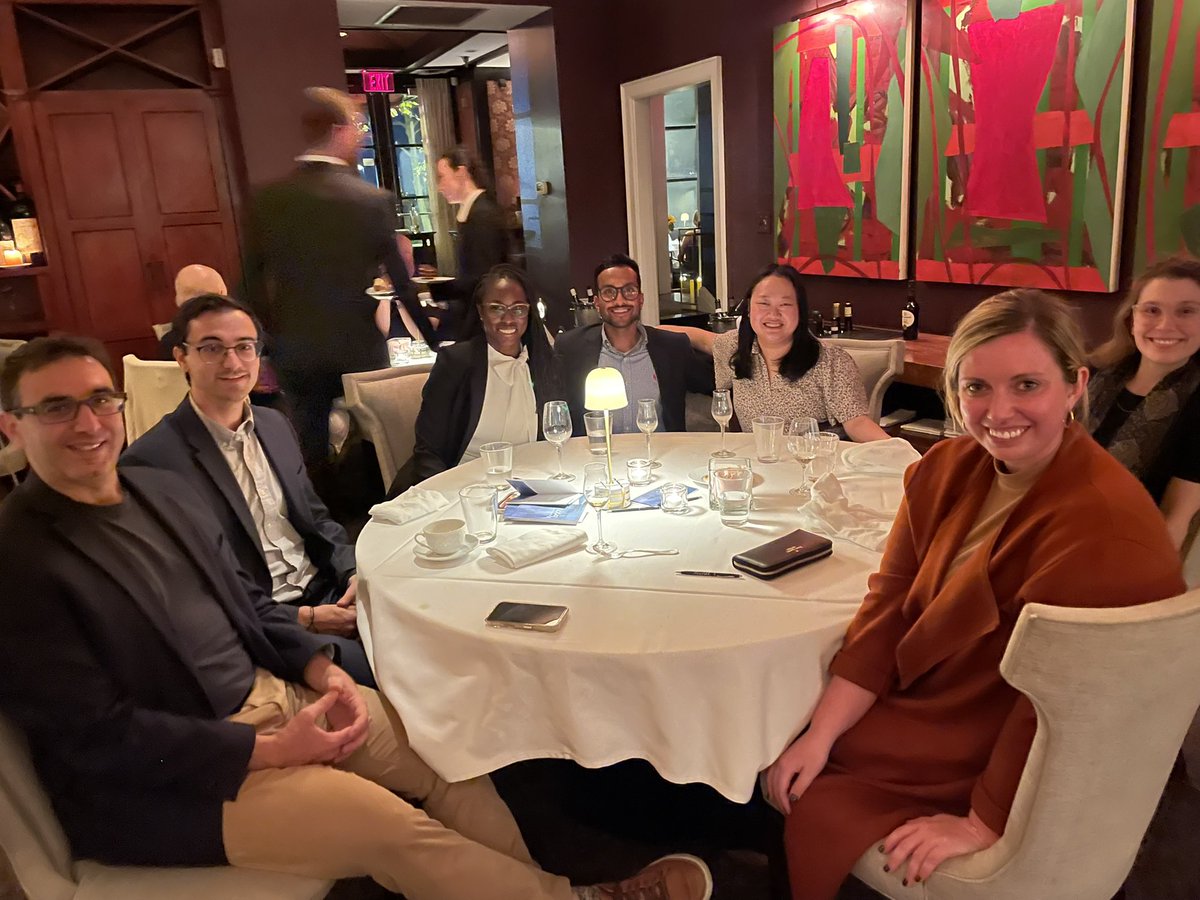
Our neurophysiology fellows enjoyed watching the Super Bowl at Dr. Laughlin’s (neuromuscular consultant) house!
#RochesterLife

English
Reece Hass retweetledi

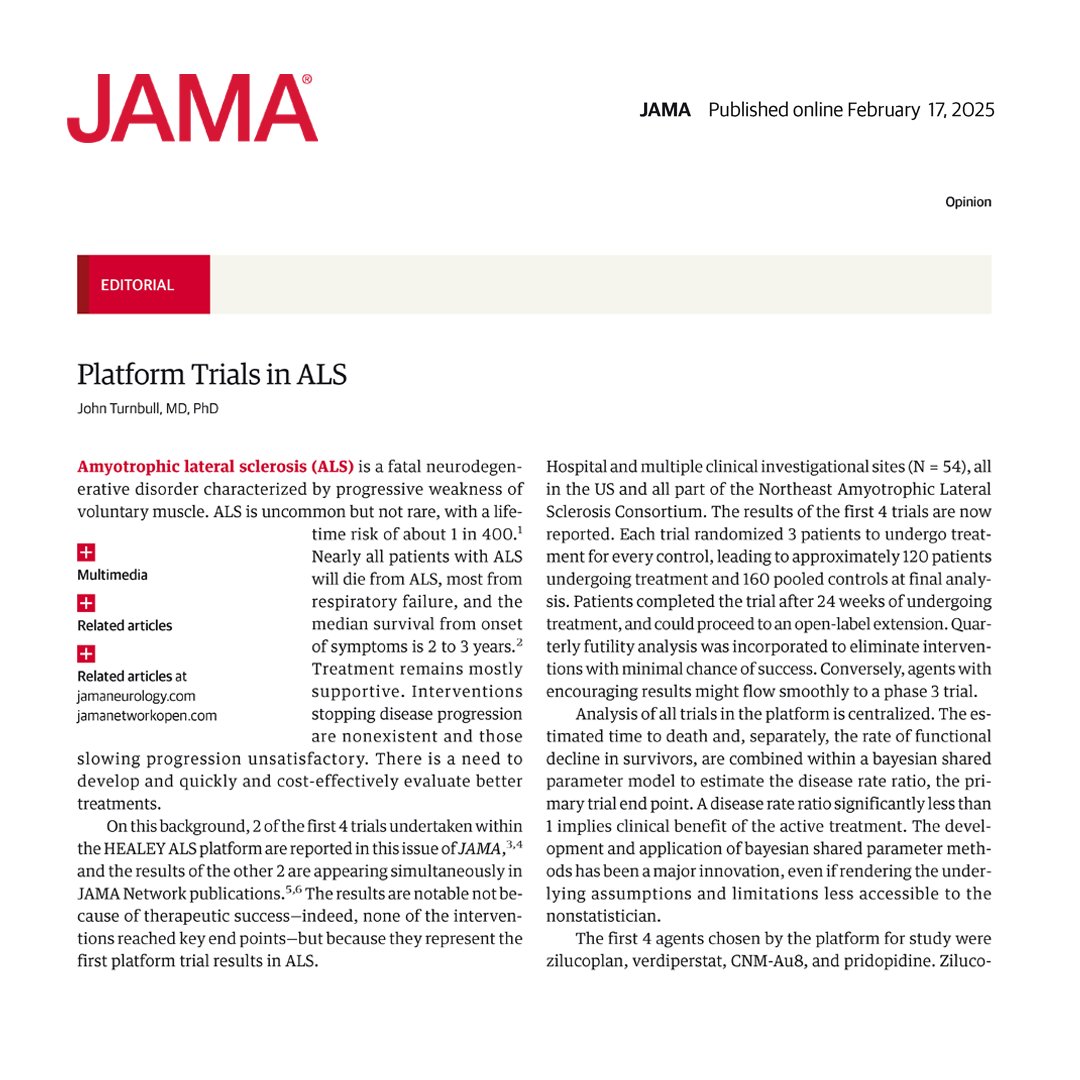
@JAMA_current @JAMANetworkOpen From @JAMA_current: "The HEALEY ALS platform is a courageous and innovative first attempt at platform trials in ALS."
Read the Editorial.
ja.ma/430LpM2

English
Reece Hass retweetledi

Chronic idiopathic axonal polyneuropathy (CIAP) is the most common “etiology” of distal symmetric polyneuropathy after diabetic neuropathy.
neurology.org/doi/10.1212/WN…
However, CIAP is very unlikely to be the cause if any of the following are present:
1. Foot drop
2. Marked asymmetry
3. Sensory ataxia
4. Weight loss
5. Autonomic dysfunction
6. Rapid progression
7. A family history of neuropathy in first-degree relatives
#NeuropathyBites
English
Reece Hass retweetledi

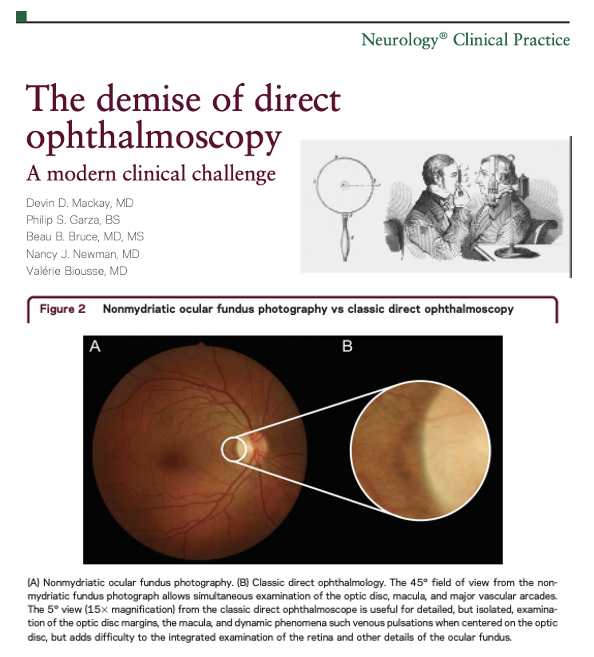
Are ophthalmoscopes still a dying part of the neurological examination or will they make a comeback in 2025? Mackay and Biousse @GreenJournal wrote an important article on the topic in 2015. Are we making progress to re-deploy the examination with improved bedside technology?
Key Points:
- The authors remind us that a direct ophthalmoscope was first used by Hermann von Helmholtz in 1851.
- They stress that viewing the 'living ocular fundus' was critical to the 'golden age of ophthalmology.'
- What did the ophthalmoscope inspire? The original descriptions of "retinal artery occlusion (1855), papilledema (1860), and optic disc atrophy (1861).
- The authors share that the loss of the art has been driven by "technical difficulty, waning enthusiasm for ophthalmoscopy, and even discouragement from preceptors in medical education."
My take: I am not ready to give up my ophthalmoscope, and I believe that neurologists should continue to peer into the living eye and identify papilledema, optic disc pallor and retinal vascular occlusion. Quick diagnosis saves vision even if it triggers an immediate consultation to a ophthalmology or neurosurgery colleague. Nonmydriatic (undilated) fundus photography was suggested in ~2010ish as something to pursue. The most interesting advances have been the use of an iphone (or smartphone) and a condenser lens to take a picture of the fundus after bedside pupil dilatation. This can be pulled off without an ophthalmologist and the picture can be sent to them for immediate discussion. There are now several apps that can pull this off, and if skilled you can even do it without an app. Additionally, many companies like Welch Allyn offer components to attach to your iphone/cell phone (i-Examiner is one such example of a device) and it allows you to pull off the fundus picture without dilating the pupil. Should we be promoting this technology more in emergency rooms, primary care offices and w/ neurologists?
pmc.ncbi.nlm.nih.gov/articles/PMC44… #eye #ophthalmology

English

I feel very fortunate to be able to train at such an excellent place with outstanding teachers and mentors!
Mayo Clinic Neurology Fellowships@MayoNeuroFellow
Dr. Hass (middle, EMG fellow), Dr. Liewluck (left, Neuromuscular consultant), and Dr Klein (right, Neuromuscular consultant) finish the last EMG studies of the year. Preliminary counts show that the Rochester lab was busy with around 15,000 EMG studies performed in 2024.
English
Reece Hass retweetledi

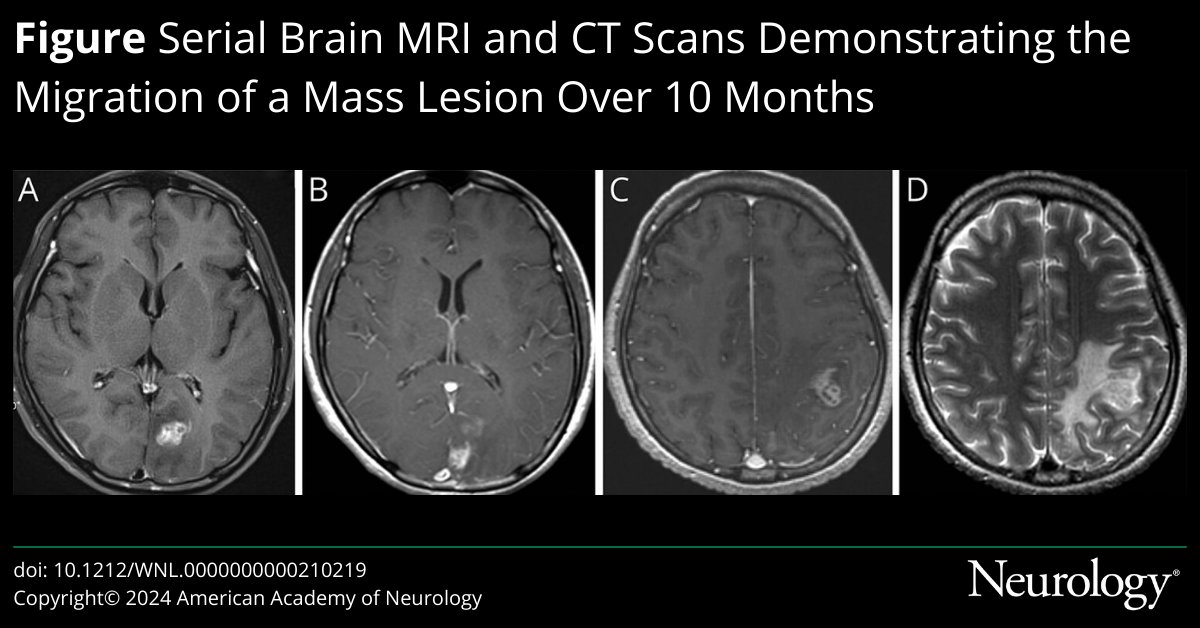
Case Records of the Massachusetts General Hospital: A 56-Year-Old Woman with End-Stage Liver Disease and Headache nej.md/3BC8zge
#ClinicalMedicine

English
Reece Hass retweetledi

Earlier this year in Science, researchers generated a nanoscale-resolution reconstruction of a millimeter-scale fragment of human cerebral cortex, giving an unprecedented view into the structural organization of brain tissue at the supracellular, cellular, and subcellular levels. scim.ag/3ZEKgpZ

English

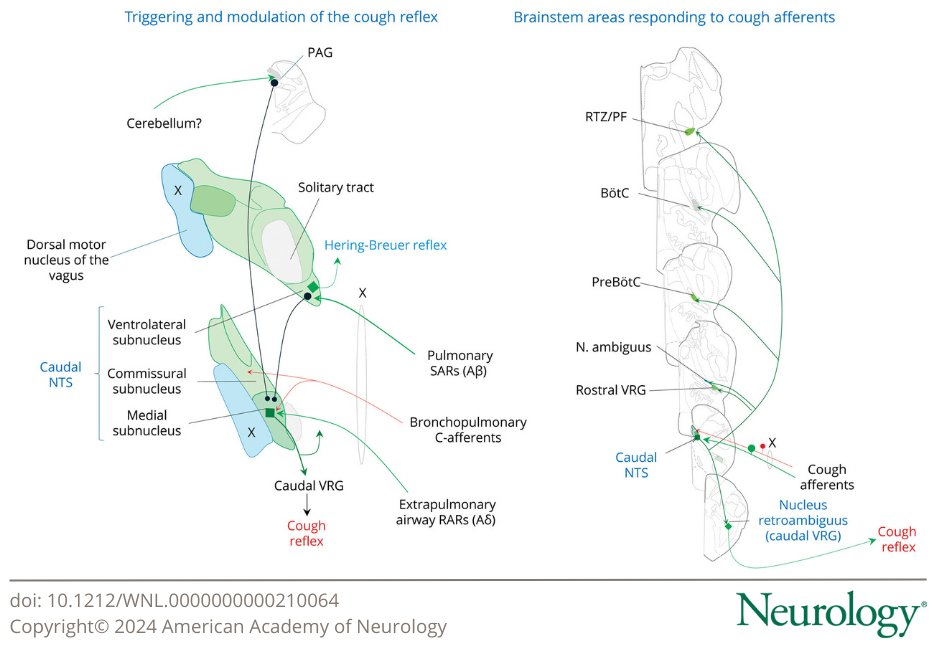
Had a blast doing this podcast with the great @brainsnthingz and I’m very thankful for Dr. Eduardo Benarroch’s mentorship on this project and to the @GreenJournal for having me!
Neurology Journal@GreenJournal
Neurology Podcast: Dr. Derek Stitt and Dr. Reece Hass discuss the neuroanatomy of the cough reflex and specific neurologic conditions that can lead to neurogenic cough. Listen now: bit.ly/49Bww3Y Article: bit.ly/3CmxKn1 #NeuroX @brainsnthingz @ReeceHass
English
Reece Hass retweetledi

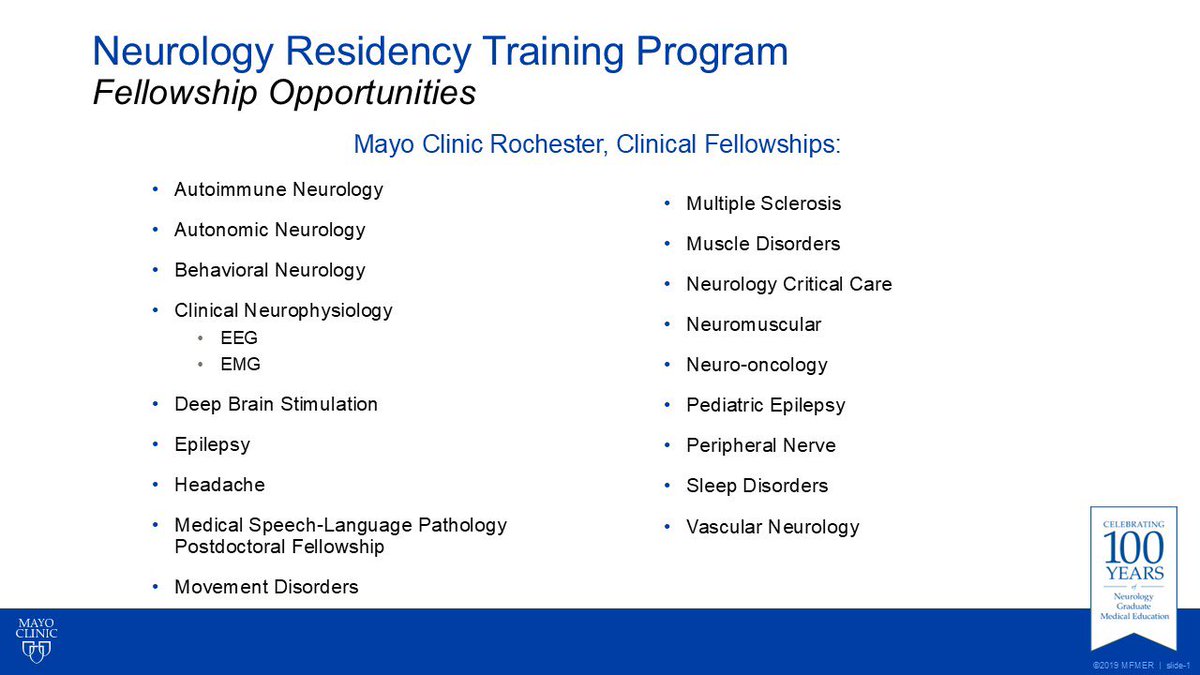
🧠 Mayo offers more than 18 Neurology fellowships with exposure to more than 200 subspecialty experts, access to cutting-edge research, and opportunities to walk side-by-side with patients. 🧠
Learn more and apply here:
college.mayo.edu/academics/resi…
#NeurologyFellowships #Neurology

English
Reece Hass retweetledi

Immune-Mediated Megaconial Myopathy: A Novel Subtype of Autoimmune Myopathy bit.ly/4193aaT

Reece Hass retweetledi

Welcome to the official Mayo Clinic Neurology Fellowship X-account! We are very excited to highlight our neurology fellowship programs across various social media platforms. Follow along to see what our neurology fellows are up to at Mayo! #MayoNeuroFellowships

English
Reece Hass retweetledi

What Are the Central Mechanisms of Cough and Their Neurologic Implications? bit.ly/3CmxKn1
#NeuroX #NeuroTwitter

English
Reece Hass retweetledi