

Rick™
3.5K posts
Rick™
@RickHouTX
I will never understand pivot tables, and that makes me sad.
Katılım Şubat 2010
547 Takip Edilen291 Takipçiler

Here at the Astros game and @dkdeberry is having a great conversation with the couple next to us. Unfortunately I can’t actually hear what they’re saying 😂😭
English

@itsme_urstruly “ Your Honor, I’d like to call to the witness stand, Whiskers the cat who saw the defendant fleeing from the police.”
English

They heard that someone had been chased by the police down their road, so they checked the door cam to see if it was caught on there... turns out their cat watched it unfold live. 😂
English
@DrJStrategy @grok a premise to this article is that the U. S. could quickly and easily assure that oil once again flows through Hormuz. Is that premise correct? Also, what percentage of Chinese oil purchased from the Middle East flows through Hormuz and is currently being blocked by Iran?
English

Food for thought.
Trump, Hormuz and the End of the Free Ride
For half a century, Western strategists have known that the Strait of Hormuz is the acute point where energy, sea power and political will intersect. That knowledge is not in dispute. What is new in this war with Iran is that the United States, under Donald Trump, has chosen not to rush to “solve” the problem. In Hegelian terms, he is refusing an easy synthesis in order to force the underlying contradiction to the surface.
The old thesis was simple: the US guarantees open sea lanes in the Gulf, and everyone else structures their economies and politics around that free insurance. Europe and the UK embraced ambitious green policies, ran down hard‑power capabilities and lectured Washington on multilateral virtue, secure in the assumption that American carriers would always appear off Hormuz. The political class behaved as if the American security guarantee were a law of nature, not a contingent choice. Their conduct today is closer to Chamberlain than Churchill: temporising, issuing statements, hoping the storm will pass without a fundamental reordering of their responsibilities.
Trump’s antithesis is to withhold the automatic guarantee at the moment of maximum stress. Militarily, the US can break Iran’s residual ability to contest the Strait; that is not the binding constraint. The point is to delay that act. By allowing a closure or semi‑closure to bite, Trump ensures that the immediate pain is concentrated in exactly the jurisdictions that have most conspicuously free‑ridden on US power: the EU and the UK. Their industries, consumers and energy‑transition assumptions are exposed.
In that context, his reported blunt message to European and British leaders, you need the oil out of the Strait more than we do; why don’t you go and take it? Is not a throwaway line. It is the verbalisation of the antithesis. It openly reverses the traditional presumption that America will carry the burden while its allies emote from the sidelines.
In this dialectic, the prize is not simply the reopening of a chokepoint. The prize is a reordered system in which the United States effectively arbitrages and controls the global flow of oil. A world in which US‑aligned production in the Americas plus a discretionary capability to secure,or not secure, Hormuz places Washington at the centre of the hydrocarbon chessboard. For that strategic end, a rapid restoration of the old status quo would be counterproductive.
A quick, surgical “fix” of Hormuz would short‑circuit the dialectic. If Trump rapidly crushed Iran’s remaining coastal capabilities, swept the mines and escorted tankers back through the Strait, Europe and the UK would heave a sigh of relief and return to business as usual: underfunded militaries, maximalist green posturing and performative disdain for US power, all underwritten by that same power. The contradiction between their dependence and their posture would remain latent.
By declining to supply the synthesis on demand, and by explicitly telling London and Brussels to “go and take it” themselves, Trump forces a reckoning. European and British leaders must confront the fact that their energy systems, their industrial bases and their geopolitical sermons all rest on an American hard‑power foundation they neither finance nor politically respect. The longer the contradiction is allowed to unfold, the stronger the eventual synthesis can be: a new order in which access to secure flows, Hormuz, Venezuela and beyond, is explicitly conditional on real contributions, not assumed as a right.
In that sense, the delay in “taking” the Strait, and the challenge issued to US allies to do it themselves, is not indecision. It is the negative moment Hegel insisted was necessary for history to move. Only by withholding the old guarantee, and by saying so out loud to those who depended on it, can Trump hope to end the free ride.

English

Our bedding expert's favorite luxury sheets, the Sferra Giza 45 Sateen Sheet Set (Queen Flat Sheet, Fitted Sheet, and Pillowcases) are down to $1,743 when you add each piece to cart (from $2,490) trib.al/8nR62Xr Buy: trib.al/fwCiSZW
English

If Trump is going to fire Bondi, he has to do it this year because we are now at risk of losing the senate. No idea if he’s gonna do it. But it’s definitely a “now or never” situation.
English

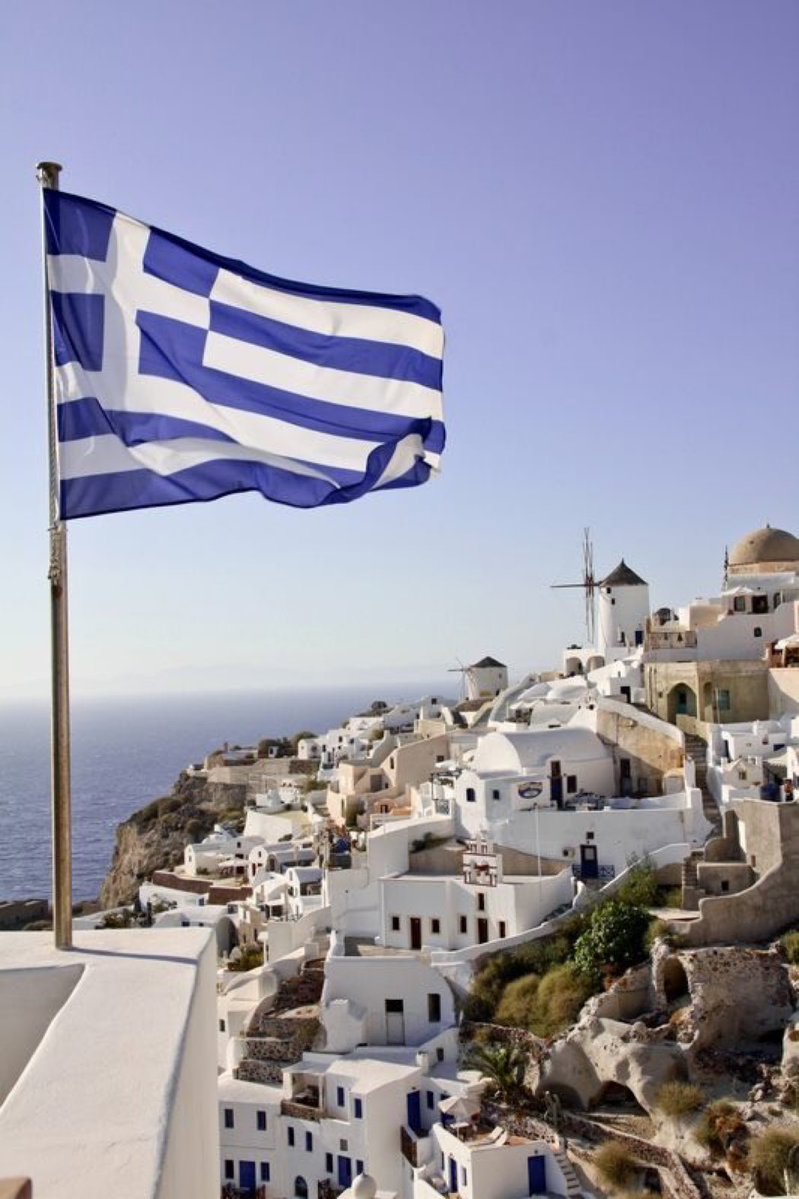

Tbf I gave up on them before the season started
Astros 2026 Champs@AstrosOptimism2
I’m old enough to remember when the majority of this app gave up on this offense after 2 games
English


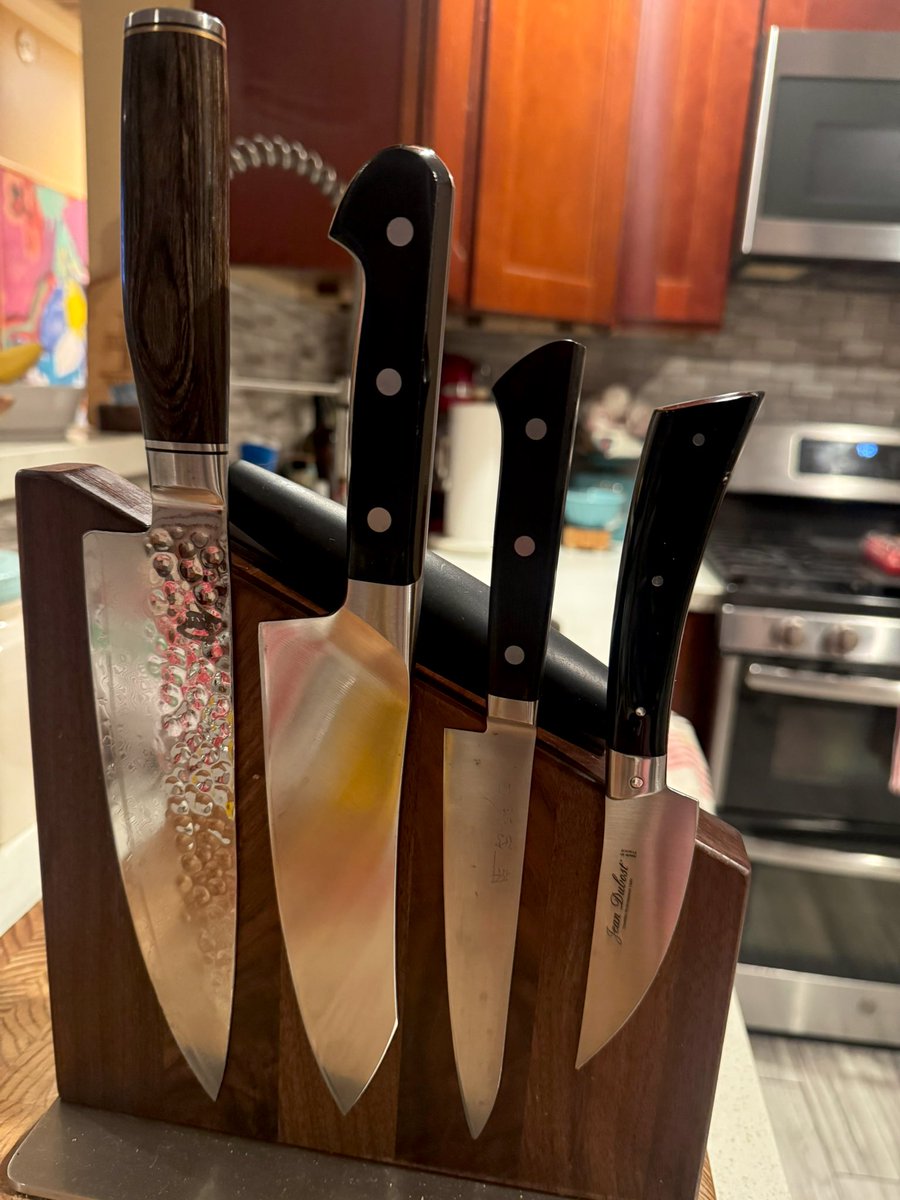
New Knife Out. On the right.
Bristronomie by Jean DuBost.
English


Which Texas brands are still worth it?
Whataburger - hard pass. Give me P. Terry's
Buc-ees - good when you're with kids, but really a tourist trap now
Blue Bell - dead to me until they bring back the mardi gras ice cream
HEB - GOATED
English
Rick™ retweetledi

Nashville do your thing
FoxNashville@FOXNashville
A U.S. Navy veteran with no known family will be laid to rest Tuesday in Nashville with full military honors. 🇺🇸 Lonnie D. Wayman’s service is set for 9 a.m. at Middle Tennessee State Veterans Cemetery. The public is invited to attend and help ensure the unclaimed veteran is honored and not laid to rest alone. 🎖️ Get more info on the memorial: bit.ly/4sAutWb
English
English

BROTHERS! As we flee the silicon dragon's inferno across the shattered plains, a new horror rises from the petri pits—living neurons devouring power at 20 watts while GPUs beg for megawatts!
Aye, biologic compute will gut the chip market like a direwolf on a stag. In three years: hybrid racks of wetware cloud warriors ship en masse, training AI on skin-cell brains, slashing energy bills 1000x as data fortresses burn. NVIDIA's iron throne cracks; edge devices pulse with real flesh smarts.
To seize the gold amid the rout: Pour coin into Cortical Labs' VC shadows—Horizons, Blackbird, or In-Q-Tel proxies—or arm with biotech allies racing the wetware banner. Ride hard, lest the dragon feasts on our bones! FOR THE REALM!
English

We’re spending $200B+ a year on data centers to power AI. One company raised $11M, grew human brain cells on a chip, and the cells taught themselves to play a 3D shooter in a week.
Cortical Labs grew 200,000 human neurons on a silicon chip and taught them to play Doom. The cells navigate, target enemies, and fire weapons in real time. Their previous game, Pong, took 18 months on older hardware. Doom took a week. An independent developer with zero biotech experience built the integration using a Python API. The neurons did the rest.
That compression from 18 months to one week tells you everything about where this is going.
Here’s what the “can it run Doom” crowd is missing: each CL1 unit costs $35,000. A full 30-unit server rack draws 850 to 1,000 watts total. Your brain runs on 20 watts. A single GPU cluster training an LLM can draw megawatts. The energy economics of biological compute are orders of magnitude better than silicon, and that gap scales.
The investor list tells you who’s paying attention. Horizons Ventures, Blackbird, and In-Q-Tel, the CIA’s venture arm. In-Q-Tel doesn’t fund science projects. They fund intelligence infrastructure. 115 units started shipping in 2025.
Cortical Labs is now selling “Wetware-as-a-Service” through the Cortical Cloud. Developers can deploy code to living neurons remotely without touching a lab. They’re pricing access at the level of a software subscription while the hardware runs on real human brain cells derived from adult skin and blood samples.
The Doom demo is marketing. The platform play is a bet that biological neurons will eventually outperform silicon at exactly the tasks AI struggles with most: real-time adaptation under uncertainty, learning from minimal data, and processing ambiguity without brute-force compute.
The question was never “can it run Doom.” The question is what happens when it can run everything else.
Curiosity@CuriosityonX
🚨: A petri dish of human brain cells just learned to play DOOM
English
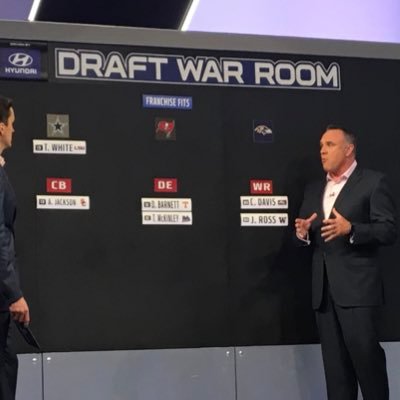
I'm on a plane back from Tokyo so I'm going to be in the sky another five hours. For the next hour, if you are awake, I'll answer any and all NFL draft questions.
English

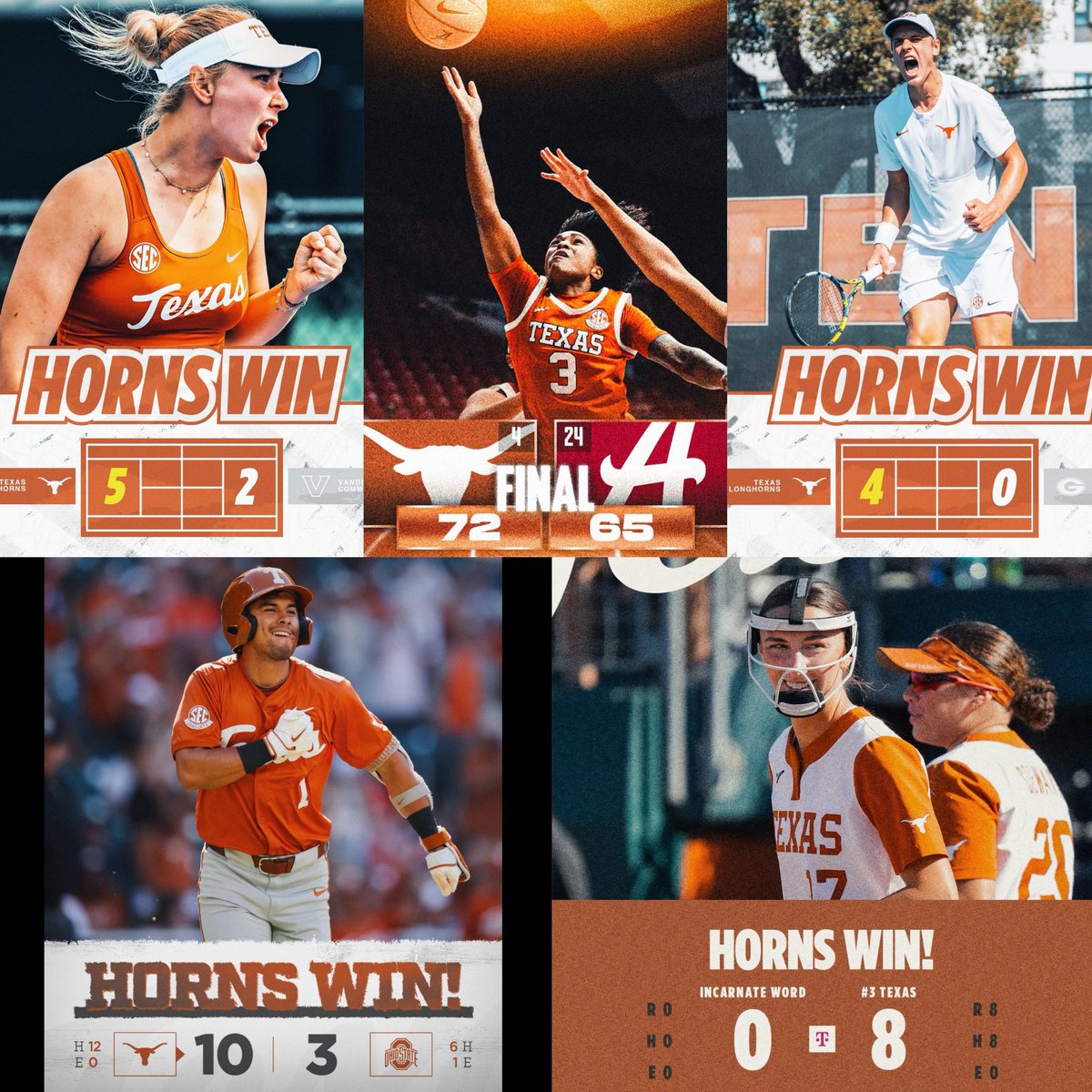
5-0 Sunday caps a perfect 13-0 weekend for 🤘🏻
🔸 On the Weekend 🔸
🥎 Softball: 4-0 & 17-straight wins
⚾ Baseball: 3-0 & 11-0 on season
🏀 Women’s Basketball: Road win at No. 24 Alabama
🏀 Men’s Basketball: Victory at Texas A&M
🎾 Men’s & Women’s Tennis: Combined for 4 SEC wins
English

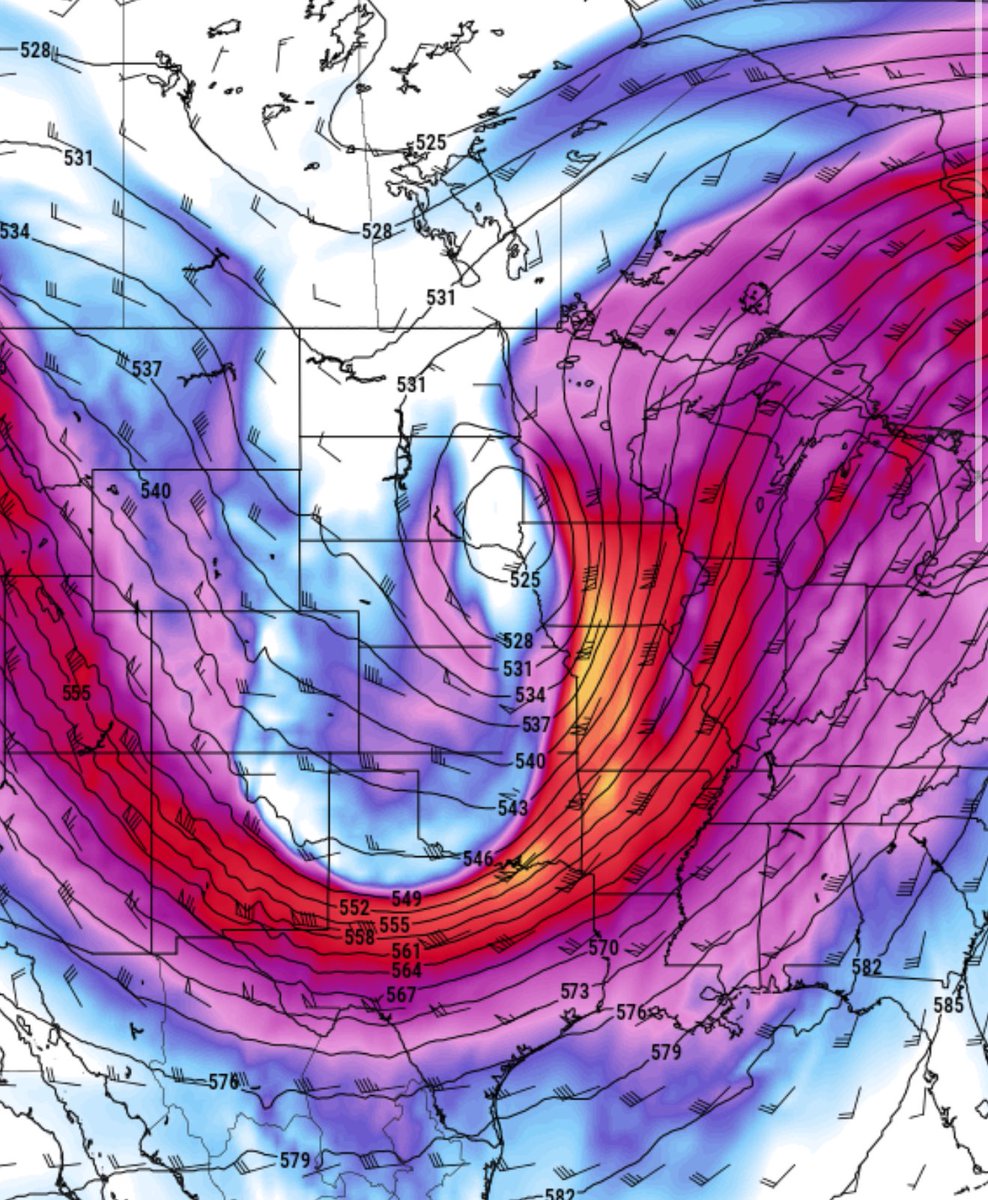


🚨 THEY FINALLY CAUGHT IT ON CAMERA.
WATCH HER EYES CLOSELY.
This happened as she glared down President Trump and wasn't supposed to be captured.
But it was.
What do you notice?
English
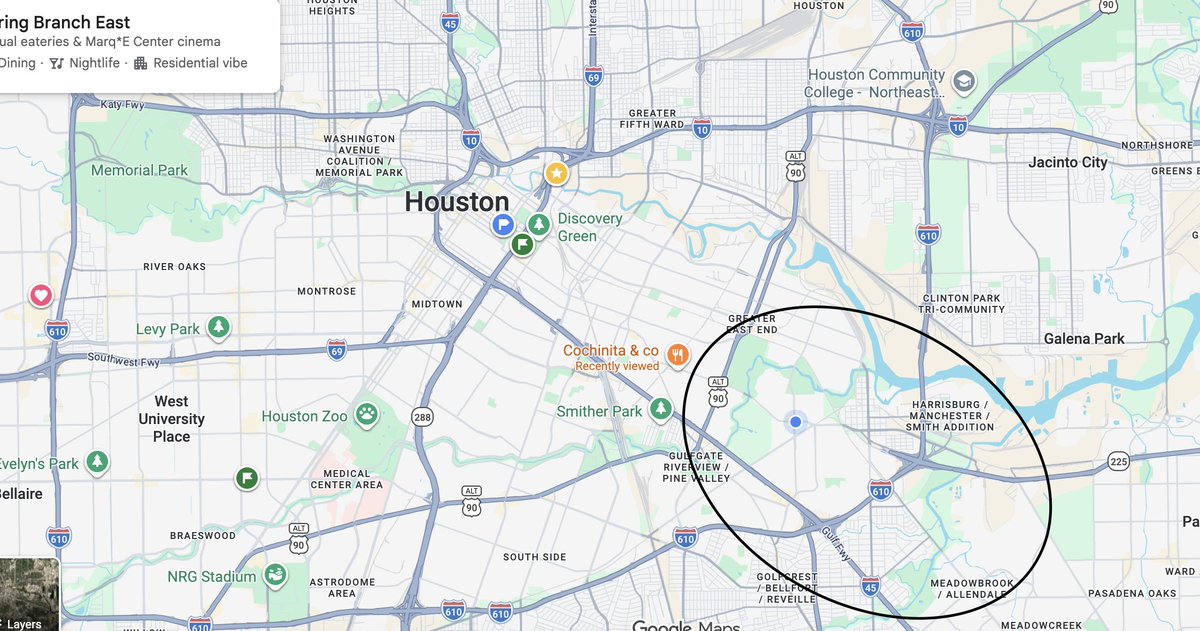
@jisget1 That's what I call it, but I don't think people from outside this area would know it as Lawndale
English

@FactsAboutTexas Mother Egans, Fado, Lucky Lounge, docs backyard for Aus Sports and Social, Gingerman, Black Cat, Maggie Mae’s, shady Grove, Dog and Duck, Paradox, Ritz,
English

TEXAS HISTORY: Name a bar in Texas that you used to go to that no longer exists 🤠
English