

Roald Ross
412 posts

Roald Ross
@RoaldRoss
Finance, markets, and chaos. 🐂📈 All views my own.
Oslo, Norge Katılım Ocak 2015
145 Takip Edilen76 Takipçiler

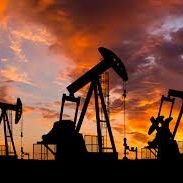
I believe this is the first sucessull Iranian attack against an **oil / gas field** since the war started (previous strikes against oil facilities involved refineries, terminals, and storage tanks).
(Althought the tweet calls it an oil field, it likely refers to a gas field)
English
Iranian General Mohsen Rezaei:
“Expect oil prices to reach $150 in the coming days.” @Osint613
English

ARAMCO IS CUTTING OIL PRODUCTION AT TWO OILFIELDS ACCORDING TO TWO SOURCES.
English
Roald Ross retweetledi

Mojtaba Khamenei is now officially the new Supreme Leader of the Islamic Republic.
The main achievement of Donald Trump's campaign so far has been to replace Khamenei with Khamenei...
English
Would think this actually lowers the chance of SPR releases (if Trump hears about it)
Chuck Schumer@SenSchumer
Due to Donald Trump’s reckless war of choice, gas prices have surged to their highest levels in years. His response? “If they rise, they rise.” He couldn’t care less. Today, I demanded Trump release oil from the Strategic Petroleum Reserve IMMEDIATELY to bring relief to Americans at the pump.
English
Roald Ross retweetledi

Due to Donald Trump’s reckless war of choice, gas prices have surged to their highest levels in years.
His response? “If they rise, they rise.” He couldn’t care less.
Today, I demanded Trump release oil from the Strategic Petroleum Reserve IMMEDIATELY to bring relief to Americans at the pump.

English
@wallstengine Something odd about this. If AI companies don’t want their applications to be used for war related stuff - fine. But it’s crazy to suggest the DoW should call the AI company to clarify if it’s OK each time there is a new scenario. Making the AI company de facto decision maker.
English

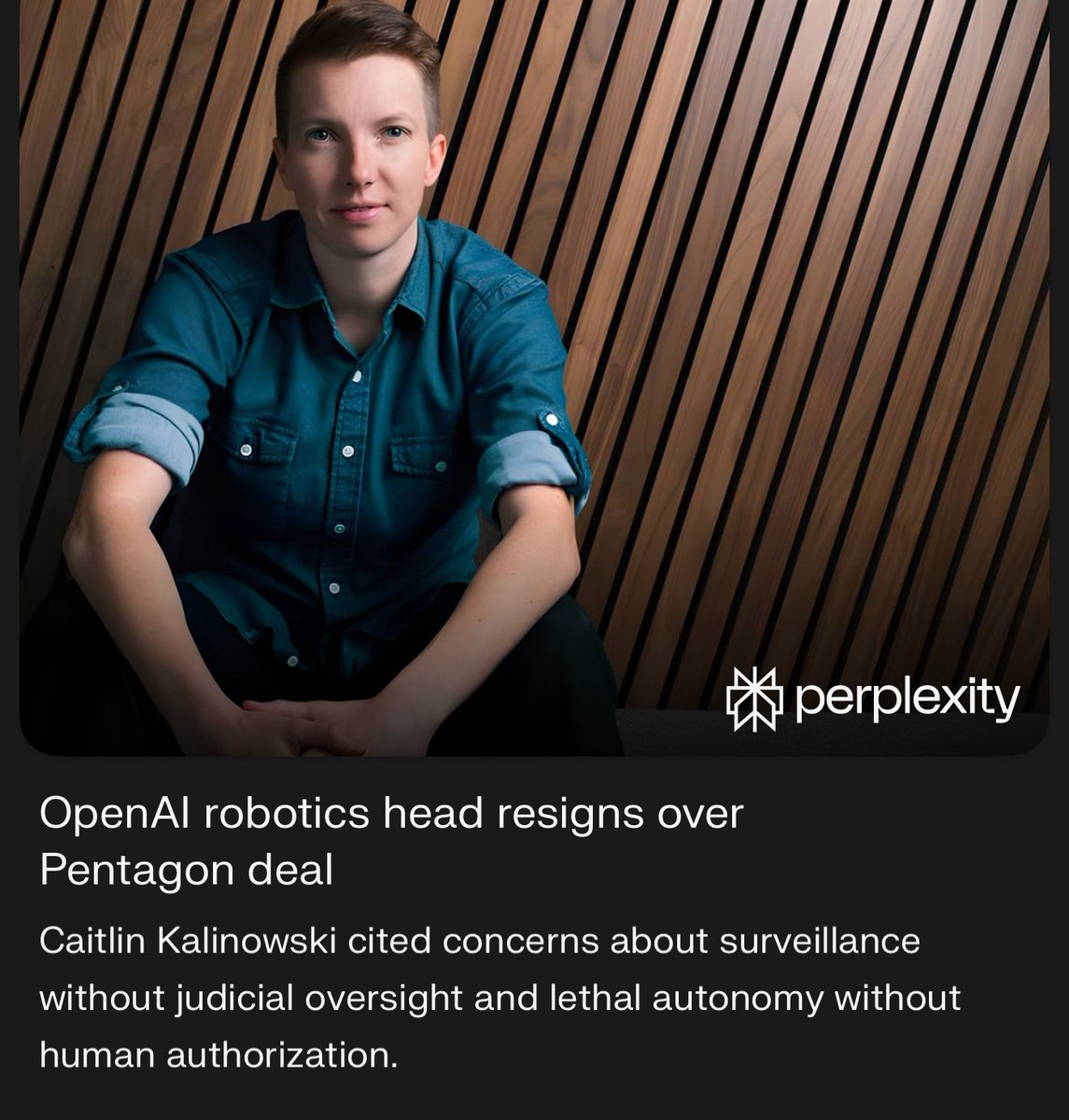
OpenAI’s head of robotics, Caitlin Kalinowski, resigned over the company’s Pentagon deal.
She said “surveillance of Americans without judicial oversight” and “lethal autonomy without human authorization” were lines that needed more deliberation.
OpenAI confirmed her departure and said its DoD agreement still draws red lines around domestic surveillance and autonomous weapons
English
@IGSquawk Has anyone had any experience with how predictive IGweekend prices are for the actual prices when markets open Monday?
English

@abcampbell And what’s your analysis of the credit cycle now? I mean, just in brief
English

as we’ve said repeatedly
watch credit
watch credit
recessions don’t start because of vibes
they start because of credit cycles
TraderHC@traderhc
Nobody watches VVIX. That's why it's useful. $VIX is at 26.6. Elevated but not panic. Most traders stop there. VVIX is at 115.9. That's 79th percentile historically. It means options traders expect $VIX itself to make a violent move from here. The tell is $HYG. Credit is only down 0.17% while small caps are getting destroyed at -2.3%. Credit hasn't repriced this growth scare yet. When credit catches up to equities, that's when the real vol event hits. VVIX is already front-running it. Oil up 11% on the day. Gold above $5,100. Equities bleeding. This is a stagflation cocktail and credit is sitting there pretending everything's fine. If you're running normal position sizes right now, VVIX is telling you you're wrong. Has anyone here actually traded a VVIX divergence before?
English

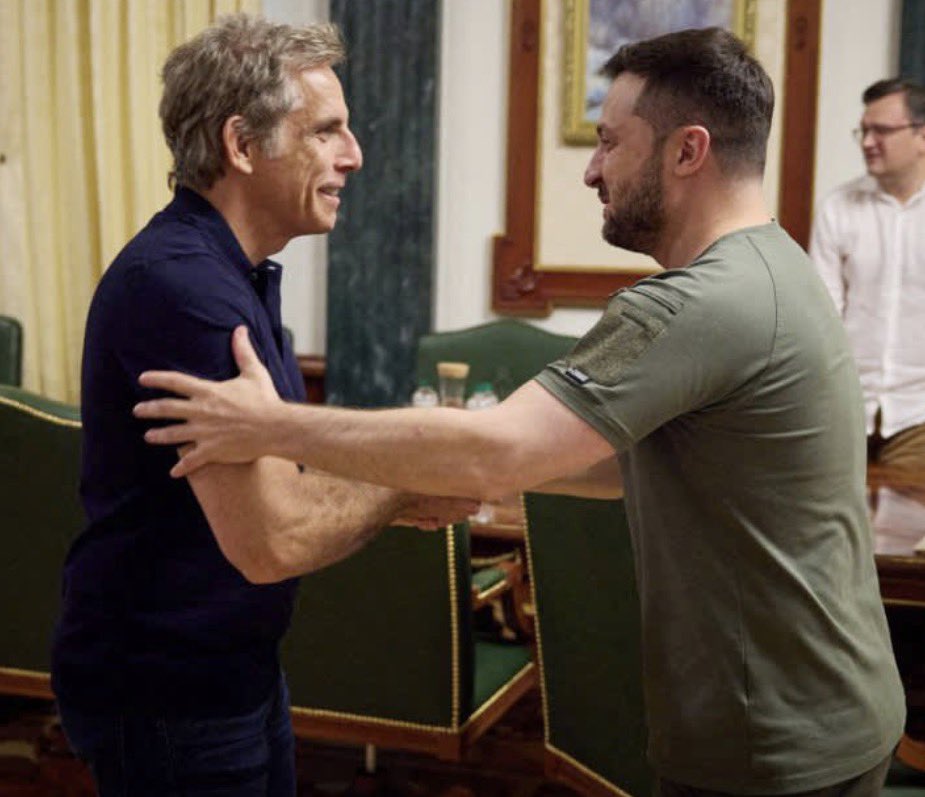

Hey White House, please remove the Tropic Thunder clip. We never gave you permission and have no interest in being a part of your propaganda machine. War is not a movie.
The White House@WhiteHouse
JUSTICE THE AMERICAN WAY. 🇺🇸🔥
English
@AndreasSteno True, we’re also just a drone away from $150 (if it disrupts a major oil field - not saying that’s my base case tho)
English

One could argue that both TA and Macro supports higher prices now. I won’t dispute that. We are just “truth” away from a reversal - so hard to Trade it
English
I love how people show a wedge on the oil price and say that is bullish
As the current move has nothing to do with anything happening in the world
Never go full macro, or TA
English
@respeculator could a prolonged conflict dampen central banks' appetite for buying more gold?
English

#gold goes up in wartime.. does it tho? Here’s 2022 post Russia/Ukraine.. emerging markets flogged their gold to buy energy no?

English
Roald Ross retweetledi

Trump about to unleash Jane Street's 10am slam algo on Brent futures
zerohedge@zerohedge
Treasury to announce measure as soon as Thursday to combat rising energy prices That includes using oil futures market: Senior White House official
English

Gold price declines on inflation fears, liquidity stress dlvr.it/TRK9K4
English
Roald Ross retweetledi
@Pred_History @BreakingPointsN Then he mentioned ‘Illuminati’… enough internet for today
English


RATES ARE COMING DOWN - $TLT
KEVIN WARSH FORMALLY SUBMITTED FOR FED CHAIR POSITION BY WHITE HOUSE.
*Walter Bloomberg@DeItaone
WHITE HOUSE SAYS IT SUBMITS NOMINATION OF KEVIN WARSH FOR FED CHAIR TO SENATE - WHITE HOUSE NOTICE OF PRESIDENTIAL ACTIONS
English
Roald Ross retweetledi

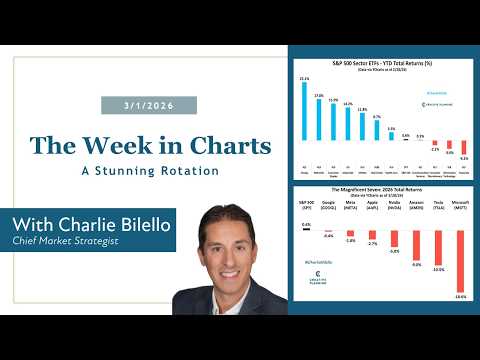
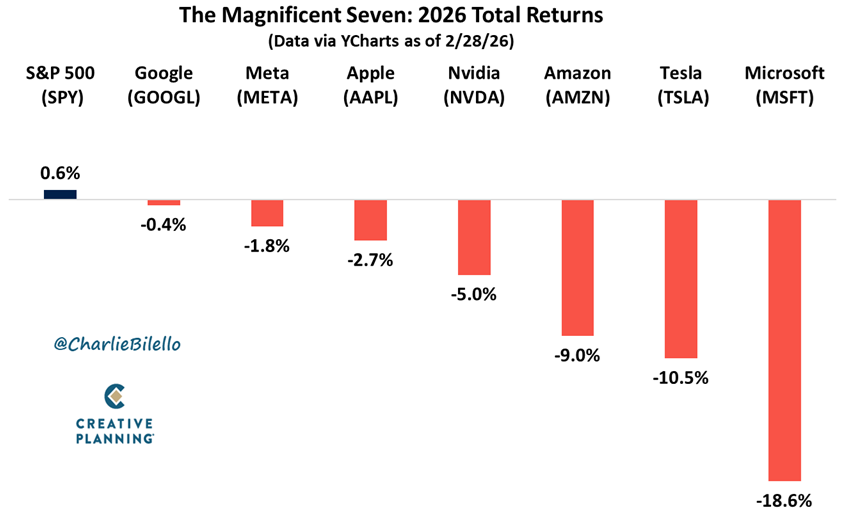
All 7 members of the Magnificent Seven are now down on the year and underperforming the S&P 500.
Video: youtube.com/watch?v=ZLGVn3…
YouTube
English
Roald Ross retweetledi
A Day 3 recap of the war (with focus on Iranian strategic narrative):
🔹CENTCOM confirms that U.S. strikes on Iranian missile bases used B-1 bombers. The U.S. is trying to dismantle Iran’s fortified underground missile facilities.
🔹Iranian reports suggest Tehran has rejected multiple mediation attempts. Tehran’s apparent assessment is that it can sustain high-intensity conflict for 60-90 days, making early ceasefire acceptance strategically disadvantageous.
🔹Ali Larijani explicitly framed the war as a contest of endurance, stating Iran – unlike the United States – is prepared for a prolonged conflict. The objective appears to be altering Washington’s cost-benefit calculations over time.
🔹Iranian strategic discourse increasingly describes the conflict as a “war without rules” or a “game without red lines,” signaling deliberate unpredictability intended to reshape deterrence dynamics after leadership decapitation failed to halt Iran’s response.
🔹A related concept emerging in Iranian messaging is operating “one level above” adversary actions, i.e., delivering escalatory responses even to indirect threats in order to redefine escalation thresholds.
🔹This logic appears reflected in Iranian strikes toward British facilities in Cyprus, interpreted domestically as retaliation for London allowing U.S. access to Diego Garcia despite not joining offensive operations.
🔹One of the most consequential developments was the loss of three U.S. F-15 aircraft, initially claimed by Iran as shootdowns but later attributed to friendly fire from Kuwaiti air defenses, highlighting the growing risks of coalition battlefield congestion.
🔹Analysts close to Iranian security circles describe a layered missile strategy: first targeting radar systems, then launching low-cost drones and missiles to exhaust air-defense interceptors before deploying advanced weapons later.
🔹Iran’s continuous missile launches therefore appear designed less for immediate damage and more for attritional depletion of U.S. and Israeli defensive systems over time.
🔹Uncertainty over the size and dispersal of Iran’s advanced missile stockpiles may explain intensified U.S. and Israeli strikes against underground facilities and missile infrastructure.
🔹President Pezeshkian expanded emergency authorities across ministries and provincial administrations to ensure continuity of governance, deepening wartime decentralization already initiated before the conflict.
🔹Israel’s targeting pattern has become clearer: strikes now heavily focus on intelligence ministries, police headquarters, IRGC district bases, and internal security institutions, suggesting systematic erosion of regime coercive capacity.
🔹Parallel strikes against western border regions and Kurdistan province have fueled Iranian fears that external actors may seek to enable insurgent infiltration as an alternative to direct ground invasion.
🔹Iran has responded by striking areas in Iraqi Kurdistan while increasing pressure along its borders, indicating concern about a potential indirect ground dimension to the war.
🔹Iran-aligned Iraqi resistance factions – including Kataib Hezbollah, Harakat al-Nujaba, and Kataib Sayyid al-Shuhada – continue their operations on a limited scale, opening another attritional front against U.S. forces.
🔹Hezbollah formally confirmed its participation, firing rockets toward Haifa, though involvement remains limited due to degraded capabilities and domestic political constraints in Lebanon.
🔹Iranian sources claim prewar coordination between the Quds Force and regional partners defined phased entry into the conflict, suggesting activation of the “axis of resistance” is proceeding gradually rather than simultaneously.
🔹The IRGC has reportedly begun enforcing a de facto closure of the Strait of Hormuz, warning commercial vessels against transit and threatening missile strikes. This is a major escalation targeting global energy flows.
🔹Simultaneous attacks on Gulf energy infrastructure, including an Aramco facility near Ras Tanura and gas infrastructure in Qatar, indicate an effort to raise global energy prices and increase economic pressure on Washington.
🔹Iranian authorities signaled zero tolerance for dissent. IRGC intelligence warned that actions undermining stability during wartime would be treated as collaboration with the enemy, implying harsh internal repression.
🔹Negotiation signals remain contradictory. While Trump suggested a potential deal was possible, Larijani publicly rejected negotiations, reinforcing Tehran’s view that talks can occur only after strategic calculations shift.
🔹Iran’s sustained missile tempo against Israel appears designed to impose psychological as well as military pressure, keeping populations under prolonged shelter conditions while conserving firepower for a longer conflict.
🔹Overall, Day 3 shows the war evolving into simultaneous military, economic, psychological, and regional escalation far beyond bilateral confrontation.
🔹The key question now is whether expanding proxy involvement and energy warfare will force external powers into deeper participation or instead accelerate pressure for negotiated containment.
---
P.S: Not sure how long I can keep doing this!
English

@RoaldRoss @DudeWhoInvests Thought I was going to break a million going into the day. No such luck. Always next week.
English

Alright… this makes no sense. WHY is SILVER crashing with global instability? Give me an explanation.
The Kobeissi Letter@KobeissiLetter
BREAKING: Spot silver prices post massive reversal, falling -7% in under 2 hours, now nearing $88/oz. Gold prices just fell by nearly -$100/oz in one hour.
English