Rodrigo Moreno Campos retweetledi
Rodrigo Moreno Campos
12.2K posts

Rodrigo Moreno Campos
@RodrigoMoreC
#MolecularBiology @riceuniversity , Employing #Zebrafish to understand #devbio and #cancer. In awe with life through #science. A trascending #millenial.
Houston Texas Katılım Nisan 2009
1.5K Takip Edilen514 Takipçiler
Rodrigo Moreno Campos retweetledi
A team of 23 researchers from Fudan University and Tsinghua just trained an AI to predict which science papers will become influential and which ones will be ignored. It outscored GPT-5.2, Gemini 3 Pro, and GLM-5 at picking winners.
The paper, already #1 on Hugging Face for March, is called "AI Can Learn Scientific Taste." Here's what that actually means.
They pulled 2.1 million papers from arXiv (a free online database where scientists share research before peer review) and built roughly 700,000 head-to-head matchups. Each matchup paired two papers from the same field, published around the same time. The label for "better taste"? Whichever paper was cited more by other researchers.
They trained two models from this. Scientific Judge examines two papers and predicts which will be cited more. Scientific Thinker uses that judge as a coach to learn how to develop better research ideas on its own.
Scientific Judge, running on 30 billion parameters (think of each parameter as one tiny dial the AI adjusts while learning), correctly picked the higher-cited paper 80.6% of the time. GPT-5.2 managed 72.7%. Gemini 3 Pro hit 75.7%. And when they tested it on ICLR submissions (a top AI conference where human reviewers score papers instead of citations doing the work), it hit 87.7%.
Scientific Thinker won 54.2% of matchups when GPT-5.2, GLM-5, and Gemini 3 Pro judged whose research proposals had more potential. A smaller, purpose-trained model is now outperforming the biggest commercial AIs at generating ideas that those same AIs rate as high-impact.
The tweet says "including their biases," and that's actually more accurate than it probably meant to be. The whole system defines "good science" as "gets cited a lot." A 2022 study in Research Policy surveyed nearly 10,000 scientists and found that more than half of all citations reflect little to no real influence on the citing researcher's work. Papers get cited because they're visible, not always because they changed anyone's thinking. There's a known pattern called the Matthew Effect: identical papers published in higher-prestige journals get roughly twice the citations as the same paper in a lesser-known journal. Same words, same data, double the credit.
The AI learned the citation game, and it plays it better than GPT-5.2. Whether the citation game is the same as "scientific taste" is a question scientists have been debating for decades.

Kekius Maximus@Kekius_Sage
BREAKING 🚨: AI JUST LEARNED SCIENTIFIC TASTE. AI can now thinks like scientists, including their biases.
English
Rodrigo Moreno Campos retweetledi

Get lost in the unexpected beauty of a developing zebrafish eye. These incredible 3D images are possible thanks to #HHMIInvestigator & Janelia Sr. Fellow Eric Betzig, who developed a microscopy technique combining two imaging approaches — including one used by astronomers.
English
Rodrigo Moreno Campos retweetledi

😱🧬Estamos hechos de polvo de estrellas, literalmente! ⭐. 🌌🧬
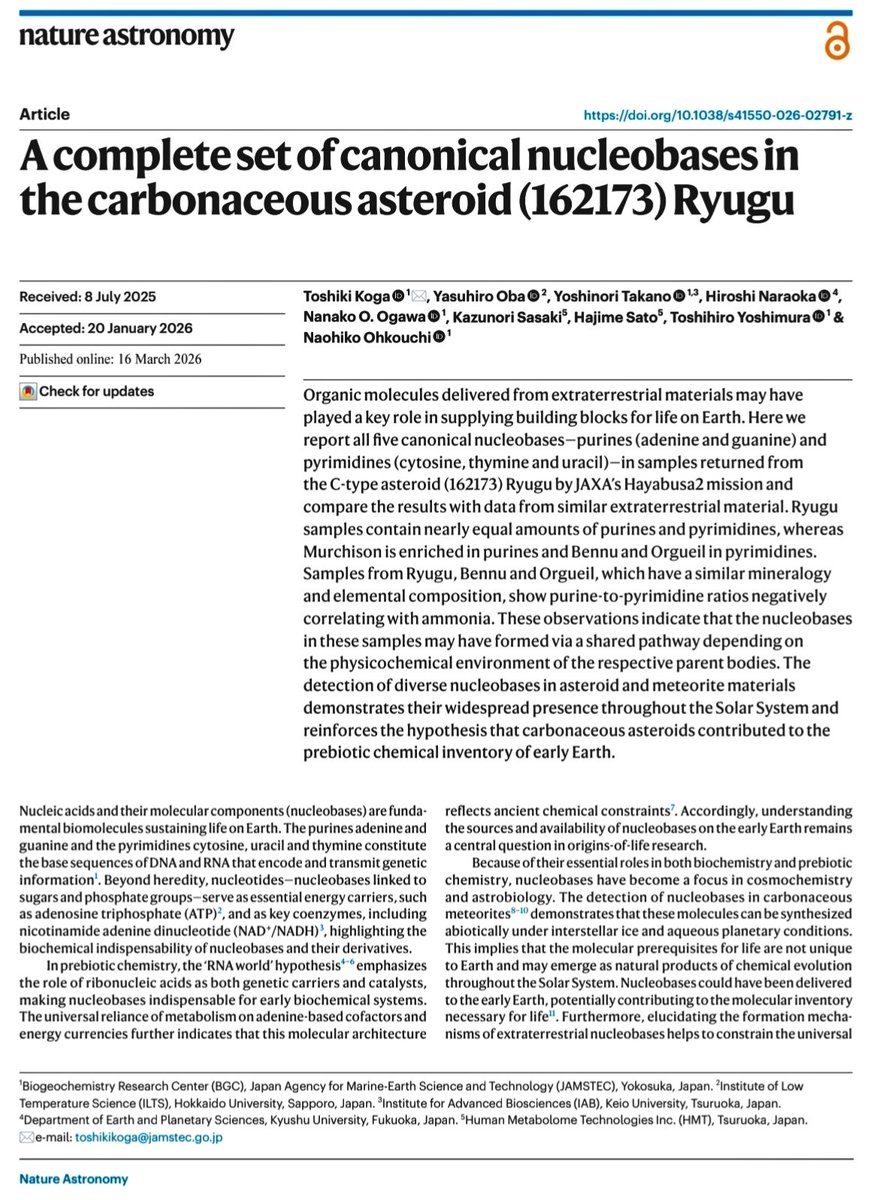
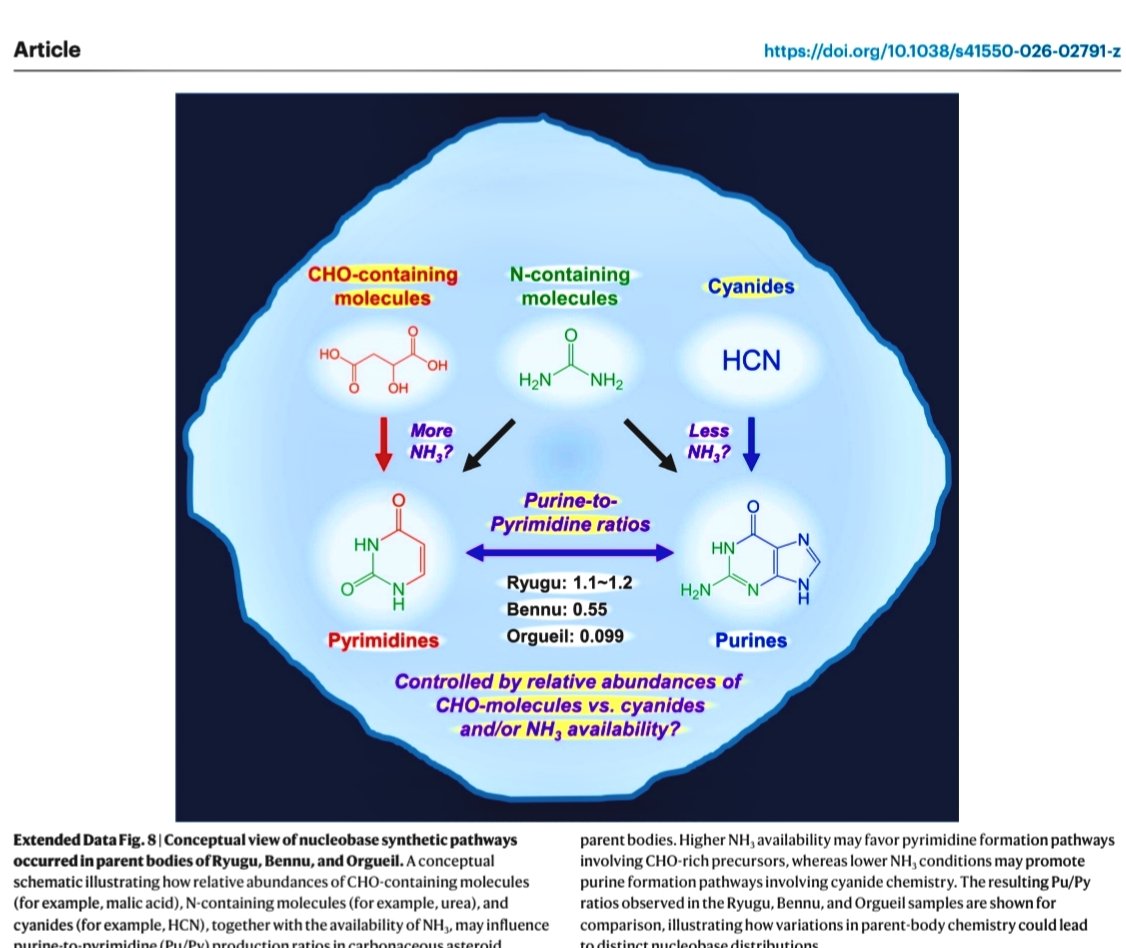
Nature Astronomy publica el hallazgo del set completo de bases nitrogenadas (los componentes del ADN/ARN) en el asteroide #Ryugu. No falta ni una. 🧵👇
1️⃣ Por primera vez, se han detectado todas las bases nitrogenadas (purinas y pirimidinas) en muestras traídas directamente del espacio por la misión #Hayabusa2 de la JAXA. 🛰️🇯🇵
2️⃣ Adenina, Guanina, Citosina, Timina y Uracilo (🅰️🅶 / 🅲🆃🆄). Sí, los componentes exactos que escriben el código del ADN y ARN en la Tierra estaban en un asteroide tipo C. ☄️📜
3️⃣ ¿Qué significa esto? Refuerza la hipótesis de que los asteroides carbonáceos fueron los "repartidores" 🚚 del inventario químico prebiótico necesario para que la vida floreciera en la Tierra primitiva. 🌍✨
4️⃣ El equipo de Toshiki Koga demuestra que estas moléculas no son exclusivas de nuestro planeta; se sintetizan de forma natural en el Sistema Solar. ☀ @SEMicrobiologia @ANIH_1
🔗👇 @COSCEorg doi.org/10.1038/s41550…
#Ciencia #Astronomía #Astrobioquímica #ADN #Ryugu #Hayabusa2 #OrigenDeLaVida #Espacio #NatureAstronomy #Innovación #JAXA


Español

@davidasinclair crazy there is no diversity in those pictures...
English

The list omits key longevity scientists:
Alex Zhavoronkov
Anne Brunet
Haim Cohen
Brian Kennedy
Cynthia Kenyon
Dudley Lamming
Irina Conboy
Joe Baur
Juan Carlos Belmonte
Steve Horvath
Vadim Gladyshev
Vera Gorbunova + more
tinyurl.com/3xbh9pav

Longevity Now@Longevity_Now_
Top 10 Most Influential People in Longevity 1. David Sinclair 2. Bryan Johnson 3. Peter Attia 4. Sam Altman 5. George Church 6. Matt Kaeberlein 7. Aubrey de Grey 8. Brian Kennedy 9. Ray Kurzweil 10. Peter Diamandis
English
Rodrigo Moreno Campos retweetledi

Typing your email and password on your tv with the remote
Amani@Ajtanger
Name a job harder than this
English
Rodrigo Moreno Campos retweetledi

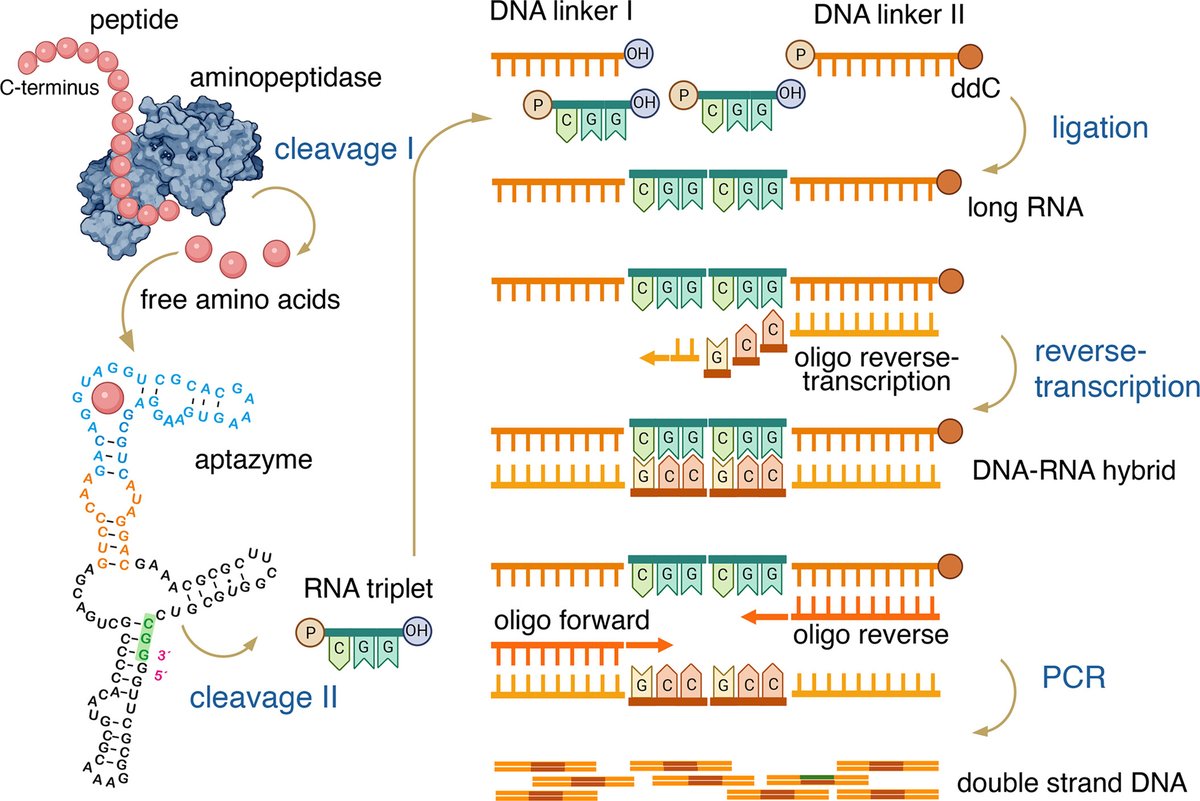
One of the most-viewed PNAS articles in the last week is “From peptides to DNA: All required steps can be catalyzed.” Explore the article here: ow.ly/WtBb50YrSfZ
For more trending articles, visit ow.ly/pvck50YrSg3.

English
Rodrigo Moreno Campos retweetledi

Back in 2020, Life Biosciences used the Yamanaka factors (OCT-4, SOX-2 and KLF-4: 'OSK'), which can reprogram adult cells into stem cells, to repair the optic nerve and restore vision — in mice
They just got the go-ahead to test it in humans with vision loss (due to open-angle glaucoma or non-arteritic anterior ischemic optic neuropathy)
This is the first time (that I can tell!) that Yamanaka factors have been directly tested in patients

English
Rodrigo Moreno Campos retweetledi

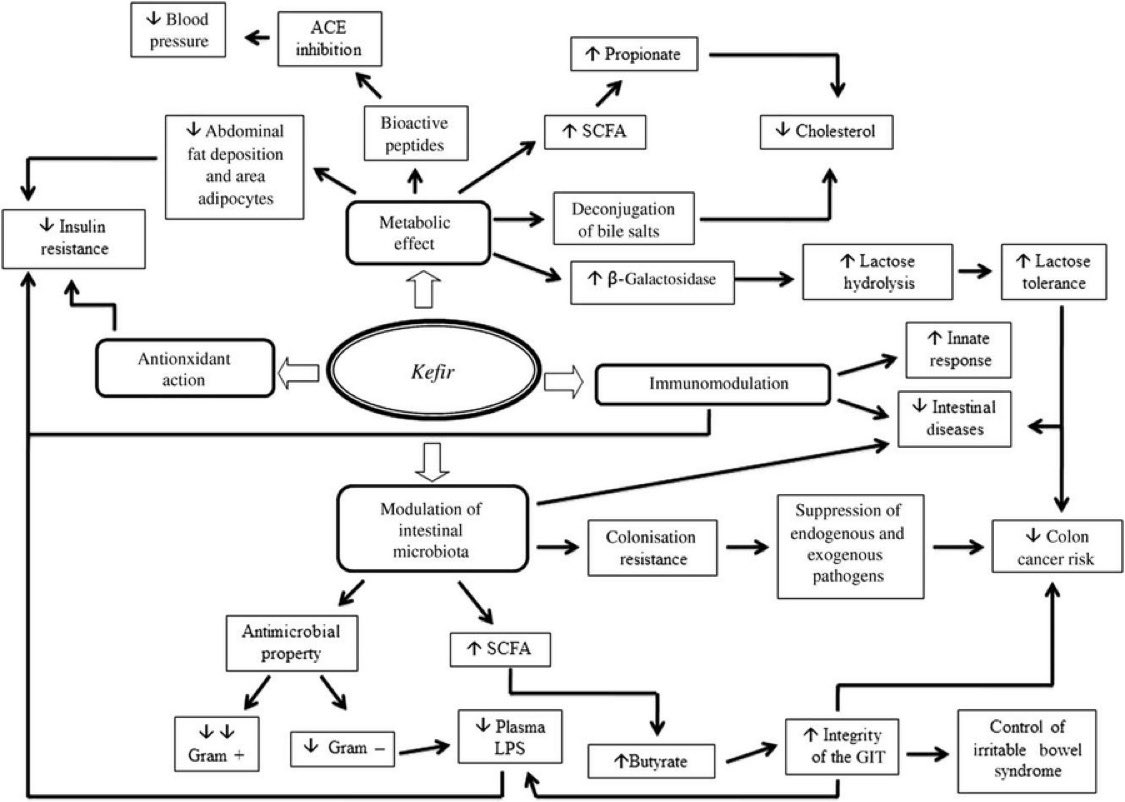
Anti-bacterial: kefir
Anti-fungus: kefir
Anti h.pylori: kefir
Anti ulcers: kefir
Anti-inflammatory: kefir
Anti-cancer: kefir
Pro immunity: kefir
Improves thyroid levels (T3 and T4): kefir
Reduces estrogen dominance: kefir
Lowers C Reactive Protein: kefir
Lowers body weight: kefir
Improves blood glucose: kefir
Improves cholesterol markers: kefir
Increases bone mineral density: kefir
Reduces anxiety and depression: kefir
Regulates blood pressure: kefir
Animal and human studies. 🤍

English
Rodrigo Moreno Campos retweetledi

Rodrigo Moreno Campos retweetledi

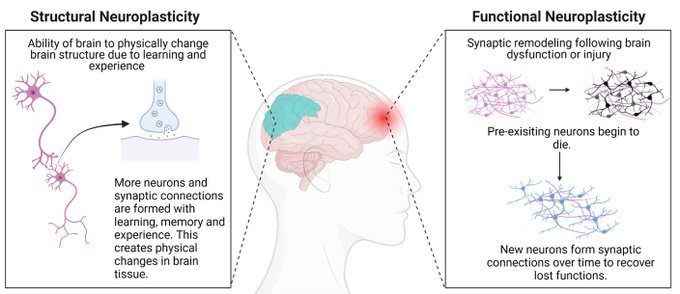
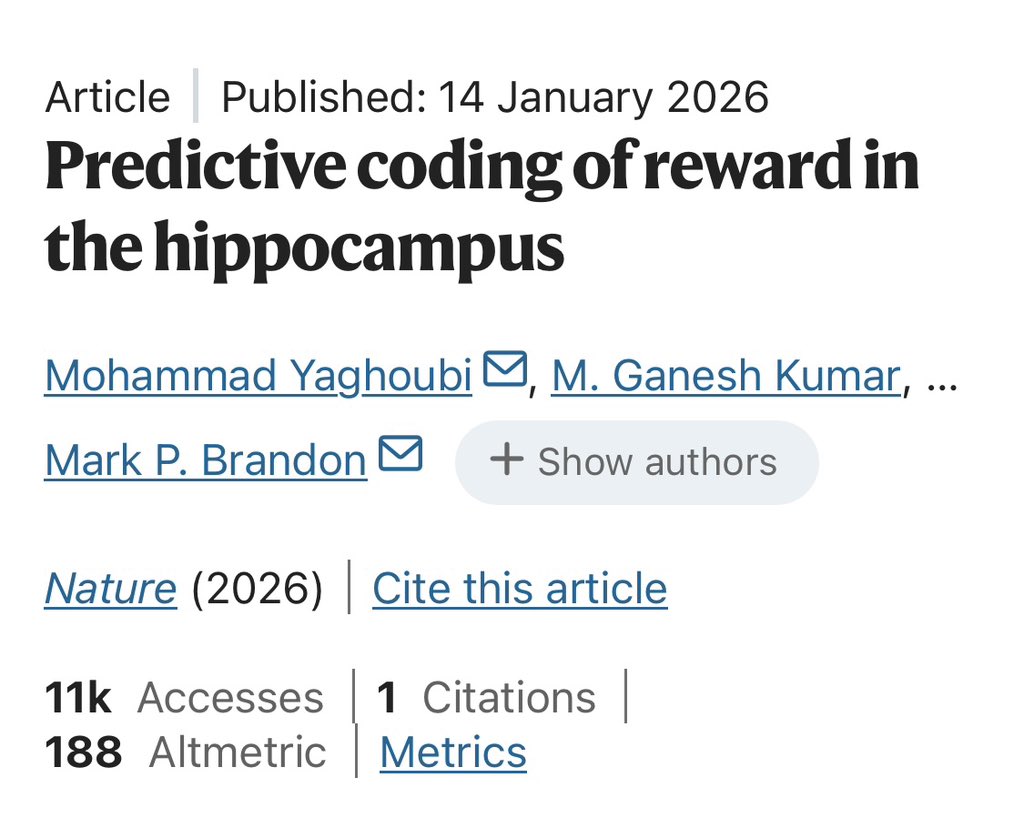
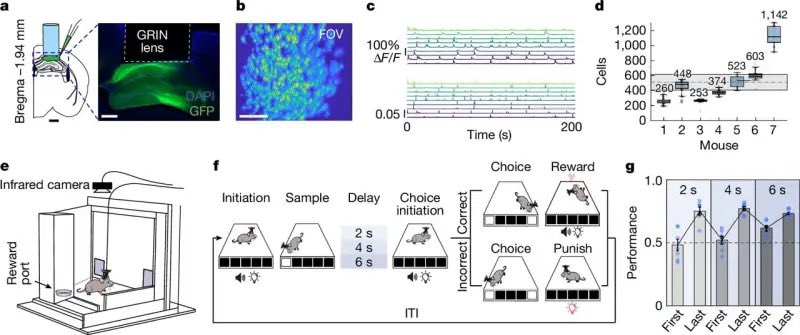
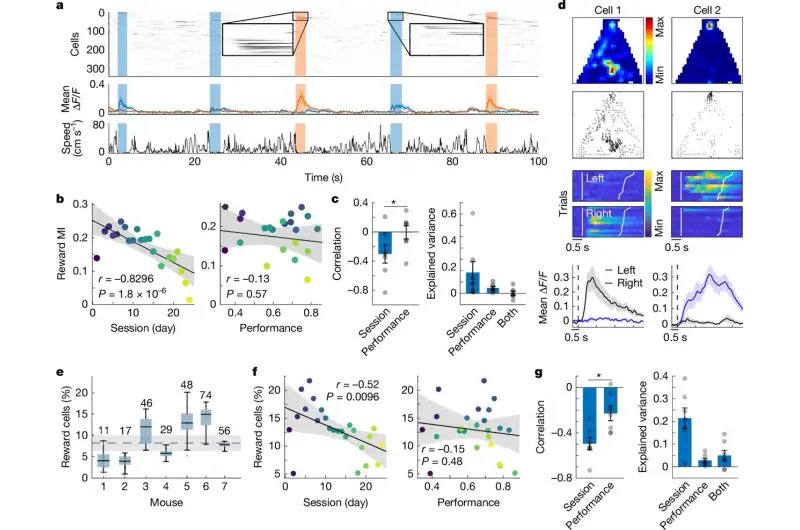
i just finished reading a study published in Nature in January by researchers from McGill & Harvard and it broke my brain a little
they tracked neurons in the hippocampus over several weeks while mice were learning a complex task and what they found is wild
the hippocampus does way more than store memories like a hard drive, it actively reorganizes them to predict what’s going to happen next, the neurons literally rewire their firing timing to start shooting BEFORE a reward shows up instead of after your brain is basically running a real time simulation of the future built entirely from past experience
and this is where it gets crazy when you think about AI
every foundation model we have right now learns through backpropagation which is a math trick from the 1980s that has absolutely nothing to do with how actual neurons learn, it works absurdly well but it’s also why training GPT-5 burns hundreds of millions of dollars & eats the energy of a small city
your brain does something arguably more impressive on 20 watts which is literally a light bulb
how? because the brain runs on predictive coding, it predicts what’s about to happen at every single moment and only bothers transmitting the stuff it got wrong, everything it predicted correctly gets suppressed
evolution basically invented the most insane compression algorithm imaginable and we’ve been pretending it doesn’t exist for decades
the most fascinating part is that tomorrow’s AI will look absolutely nothing like what we know today:
sparse event driven predictive architectures running on a fraction of current energy & the thing is the solution has been sitting inside your skull for 600 million years, evolution already did the work except nobody in this industry wants to face it because it’s easier to throw billions at compute than to sit down and study how a mouse brain outperforms everything with a light bulb
we’re spending billions reinventing the wheel when a mouse brain already outperforms our best models on the energy of a nightlight, the day this industry sits down & seriously studies what’s happening between our ears everything changes


English
Rodrigo Moreno Campos retweetledi

New @CellCellPress paper from Bergles lab at Johns Hopkins just built the most comprehensive map of brain myelin ever made — every oligodendrocyte, across the entire mouse brain, across the lifespan.
The scale: >10 million cells per brain, terabyte-scale 3D lightsheet volumes, registered to the Allen Brain Atlas across 417 regions from 2 months to 2+ years of age.
The technical stack:
Custom tissue clearing (CUBIC-L + SHIELD + uRIMS with 40% urea) to preserve endogenous fluorescence. 3D Mask R-CNN for instance segmentation — not just semantic, instance — so it can distinguish individual cells within dense clusters at scale via overlapping sliding windows. Vision Transformer to classify newly-formed vs. mature oligodendrocytes using soma morphology. All cross-referenced against Allen ISH
transcriptomics and MICrONS serial EM.
What they found:
Oligodendrocyte density varies 10,000-fold across brain regions. Left-right hemispheres: r=0.99. Sex: no significant difference. Strain: matters.
The brain never stops myelinating. New oligodendrocytes are still being generated in 2-year-old mice. Prefrontal cortex L6 shows the fastest rates of new myelination into old age — the circuits for executive
function keep rewiring throughout life.
After demyelination, L4 sensory cortex is the most resilient — oligodendrocytes survive at higher rates. The hippocampus loses nearly everything and barely recovers. Degree of injury doesn't predict rate of
recovery. These are independent axes.
The Alzheimer's result is the most surprising:
Dense-core plaques dominate in cortex and hippocampus. Diffuse/small-core plaques dominate in white matter fiber tracts. Old assumption: diffuse plaques are "less toxic." The data says the opposite — small plaques in fiber tracts cause more myelin loss per plaque than dense-core plaques in gray matter. Plaque load and oligodendrocyte loss are essentially uncorrelated (ρ=0.22). The damage is plaque-type and location specific, not load-dependent.
For MS and AD research: you can't read off white matter injury from gray matter plaque burden. The pathology in fiber tracts is running on different rules.
Data: bossdb.org/project/xu2024
Paper: cell.com/cell/fulltext/…
English
Rodrigo Moreno Campos retweetledi

Un loco con un doctorado creó una enciclopedia visual interactiva open source para entender cómo funciona la IA, en plan, locura, entren para que vean.
Website: encyclopediaworld.github.io/howaiworks/
Repo en el primer comentario.
Español
Rodrigo Moreno Campos retweetledi