Stephanie Kidder Bowers, PhD

1.1K posts

Stephanie Kidder Bowers, PhD banner
Stephanie Kidder Bowers, PhD

Stephanie Kidder Bowers, PhD

@SLKBowers

Medpace; Regulatory Submissions Coordinator #Science #clinicaltrials 🧬#Cardiovascular🫀 #CellBiology 🔬#Fibroblasts #ExtracellularMatrix former #MolkentinLab

Cincinnati, OH Katılım Temmuz 2019
1.4K Takip Edilen742 Takipçiler
Stephanie Kidder Bowers, PhD retweetledi
Zoe (is building utopia 🚀) || bio/acc 🧬
Many good biology ideas never get tested because the researcher can't afford $2,000 in lab supplies. At @PrimordiaGrants we aim to close that gap by funding tightly scoped experiments that can de-risk impactful ideas in 3-6 months. Apply now 👇
Zoe (is building utopia 🚀) || bio/acc 🧬 tweet media
English
9
67
359
36.1K
Stephanie Kidder Bowers, PhD retweetledi
goma
goma@soigomaa·
In the 1800s, a woman engineered a heating system for freezing train cars. She wasn't allowed to patent it under her own name because the law said women couldn't hold patents. Her husband signed for her. Decades later, Ford stole her idea and it became a transport standard. Today every car, truck, train, and airplane on Earth uses her technology. In 2020, she was named one of the top ten women patent holders in history. 108 years after she died. Her name was Margaret A. Wilcox. And almost no one has ever heard of her..... (I share hidden stories of women)
English
75
3K
13K
212K
Stephanie Kidder Bowers, PhD retweetledi
News from Science
News from Science@NewsfromScience·
Scientists have plenty of ideas about why aging impairs memory. Reductions in blood flow in the brain, shrinking brain volume, and malfunctioning neural repair systems have all been blamed. Now, new research in mice points to another possible culprit: microbes in the gut. In a new study, scientists show how a bacterium that is particularly common in older animals can drive memory loss. This microbe makes compounds that impair signaling along neurons connecting the gut with the brain, dampening activity in brain regions associated with learning and memory, the team found. Learn more: scim.ag/4rnysEp
News from Science tweet media
English
1
13
46
4K
Stephanie Kidder Bowers, PhD retweetledi
Massimo
Massimo@Rainmaker1973·
Researchers at the University of Pennsylvania have developed an innovative antiviral chewing gum that neutralizes over 95% of certain viruses in saliva, offering a simple, plant-based way to potentially curb transmission through everyday chewing. Led by Henry Daniell at Penn's School of Dental Medicine, the team created a clinical-grade gum incorporating a natural antiviral trap protein called FRIL (Flt3 Receptor Interacting Lectin), derived from lablab beans (Lablab purpureus, also known as hyacinth beans). This protein binds to complex-type N-glycans on the envelopes of various viruses, entrapping them and preventing infection or spread. Building on earlier work with a different gum containing plant-produced ACE2 (which reduced SARS-CoV-2 in saliva samples by >95% and is now in clinical trials), the latest formulation targets a broader range of pathogens. Lab tests showed that just 40 mg of the bean-based gum (from a 2-gram tablet) achieved more than 95% reduction in viral loads for influenza A strains (H1N1 and H3N2) and herpes simplex viruses (HSV-1 and HSV-2). The gum releases FRIL effectively during chewing, acting as a molecular decoy right at the site of viral replication in the mouth—key for limiting spread via talking, coughing, sneezing, or close contact. The product is engineered for real-world practicality: it remains stable and fully functional at room temperature for over 790 days, meets FDA clinical-grade standards, and uses safe, natural ingredients. While the ACE2 version (targeting COVID-19) has advanced to human trials, this FRIL-based gum shows strong promise for seasonal threats like flu and herpes, and researchers are even exploring lablab bean powder against bird flu (H5N1) in animal feed. If proven effective in upcoming clinical studies, this could become a low-cost, non-invasive tool for high-risk settings—schools, dental offices, public transport, or during outbreaks—helping reduce oral viral transmission without drugs or vaccines. [Daniell et al., "Debulking influenza and herpes simplex virus strains by a wide-spectrum anti-viral protein formulated in clinical grade chewing gum," Molecular Therapy (2024). DOI: 10.1016/j.ymthe.2024.12.008]
Massimo tweet media
English
247
1.7K
8.7K
618.3K
Stephanie Kidder Bowers, PhD retweetledi
Brian Krassenstein
Brian Krassenstein@krassenstein·
BREAKING: A letter from Alex Pretti’s Final Nursing Student: “I was Alex Pretti’s final nursing student. He was my friend and my nursing mentor. For the past four months, I stood shoulder to shoulder with him during my capstone preceptorship at the Minneapolis VA Hospital. There he trained me to care for the sickest of the sick as an ICU nurse. He taught me how to care for arterial and central lines, the intricacies of managing multiple IVs filled with lifesaving solutions, and how to watch over every heartbeat, every breath, and every flicker of life, ready to act the moment they wavered. Techniques intended to heal. Alex carried patience, compassion and calm as a steady light within him. Even at the very end, that light was there. I recognized his familiar stillness and signature calm composure shining through during those unbearable final moments captured on camera. It does not surprise me that his final words were, “Are you okay?” Caring for people was at the core of who he was. He was incapable of causing harm. He lived a life of healing, and he lived it well. Alex believed strongly in the Second Amendment and in the rights rooted in our Constitution and its amendments. He spoke out for justice and peace whenever he could, not only out of obligation, but out of a belief that we are more connected than divided, and that communication would bring us together. I want his family to know his legacy lives on. I am a better nurse because of the wisdom and skills he instilled in me. I carry his light with me into every room, letting it guide and steady my hands as I heal and care for those in need. Please honor my friend by standing up for peace, preferably with a cup of black coffee in hand and a couple of pieces of candy in your pocket, just as he would. He would remind you that caring for others is hard work, and we must do whatever it takes to get through the long shifts. Step outside with your dog, breathe in the world, hike or bike as he loved to do, and let yourself find peace in the quiet moments within nature. Stand up for justice and speak with those whose views differ from your own. Hold your beliefs with strength, but always extend love outward, even in the face of adversity. Take one step, no matter how small, to help heal our world. Through these acts, carry his light forward in his name. Let his legacy continue to heal.”
Brian Krassenstein tweet media
English
1.7K
14.3K
60K
1.8M
Stephanie Kidder Bowers, PhD retweetledi
Massimo
Massimo@Rainmaker1973·
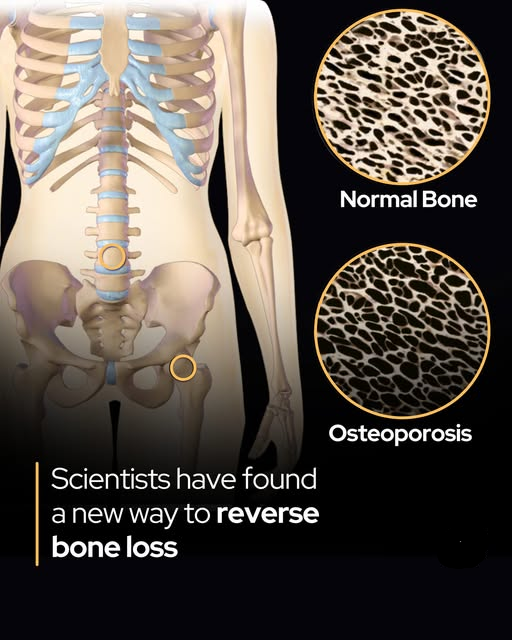
Scientists just found a way to reverse osteoporosis – not just slow it. Researchers from the University of Leipzig and Shandong University have identified GPR133, a cell-surface receptor that functions as a master regulator of bone-building cells called osteoblasts. When GPR133 is switched on, osteoblasts ramp up activity and dramatically increase bone density. In mouse experiments, animals engineered without the GPR133 gene developed fragile, porous bones similar to human osteoporosis. However, treating them with a synthetic activator called AP503—a small molecule discovered through computational screening—rapidly strengthened their skeletons. Remarkably, AP503 not only boosted bone mass in healthy mice but also reversed osteoporosis-like damage in older or diseased animals, with even greater effects when paired with physical exercise. Because GPR133 influences bone density in humans and the underlying molecular pathways are highly conserved across mammals, the findings raise hope for a breakthrough osteoporosis therapy. Unlike existing drugs that merely slow bone loss (and often carry side effects or waning efficacy), a GPR133-activating compound could actively rebuild bone from within. This approach could be particularly transformative for postmenopausal women, who face the highest risk of debilitating fractures, offering a safer, more effective way to restore skeletal strength. ["The mechanosensitive adhesion G protein-coupled receptor 133 (GPR133/ADGRD1) enhances bone formation." Signal Transduction and Targeted Therapy, 30 June 2025]
Massimo tweet media
English
28
319
1.3K
91.8K
Stephanie Kidder Bowers, PhD retweetledi
Mark Cuban
Mark Cuban@mcuban·
To build on this bipartisan issue. The big insurance companies realize their PBMs are facing hard core legislative changes. Which are great. However. The ins companies aren’t dumb. They are greedy. They are already moving charges and fees across their subsidiaries. It starts with the insurance plan that unfortunately, your CEO (if you get it from work) made the mistake of approving , or from your MA plan They push you into the medical care, pharmacy and specialty pharmacy , clinics, and practices they own or contract with. Those outlets will charge you more than enough to compensate for the lack of rebates they would hold back from their GPOs Plus they will charge you and or your companies fees that you have no idea they are charging you or why. Then they will make your company pay fast and get their rebates slow, or use Pre Auths to delay, both so they can earn interest on the premiums for as long as possible They are too Big to Care. Make them divest. Next class is on how Pharmacy Wholesalers are complicit in high drug prices. Hint: they are multi hundred billion dollar companies , and they buy from manufacturers at retail price. No other industry in the history of industries that I know of , so this. And it helps PBMs/ins companies benefit from higher prices. Break them up !
Rep. Alexandria Ocasio-Cortez@RepAOC

Health care monopolies on patient care screw over working families and destroy your ability to access affordable care. All so corporate CEOs, like those from CVS Health, can pad their pockets. We must break up big medicine. We need a Glass-Steagall for Health Care.

English
159
793
4.1K
1.1M
Stephanie Kidder Bowers, PhD retweetledi
Prof Peter Hotez MD PhD DSc(hon)
1/n Once again here are some key articles on how the SARS-2 virus (Covid-19) causes heart disease (it’s a thromboembolic virus) and evidence that vaccinating vs Covid protects your heart nature.com/articles/s4416…
English
5
293
853
89.6K
Stephanie Kidder Bowers, PhD retweetledi
Zdenek Vrozina
Zdenek Vrozina@ZdenekVrozina·
For years, Epstein–Barr virus (EBV) has been linked to multiple sclerosis. The association was strong. But the mechanism remained frustratingly abstract - until now.🧵
English
48
365
1.6K
203.2K
Stephanie Kidder Bowers, PhD retweetledi
Dr. Catharine Young
Dr. Catharine Young@DrCatharineY·
One of the most concerning things I’ve seen lately: 13 leading LLMs were tested on women’s health scenarios. Over 60% failed to identify the condition or clinical risk. Why? Because AI inherits the gaps in medical knowledge and women continue to remain missing from the data.
English
34
584
2.2K
42K
Stephanie Kidder Bowers, PhD retweetledi
michael ryan
michael ryan@michaelryan756·
Tetanus is not a “dirty nail myth.” It’s a medical nightmare we forgot — because vaccines worked. Credit to Dr Richard Hirschson for highlighting this. Tetanus is caused by Clostridium tetani, a bacterium found in soil and dust. It does not spread person-to-person. You don’t need a dramatic injury. A small cut, splinter, or scrape is enough. Once the toxin takes hold, it attacks the nervous system: • muscles go into uncontrollable spasm • jaw locks (“lockjaw”) • back can arch violently (opisthotonos) • breathing muscles can seize • patients often remain fully conscious There is no cure for tetanus. Treatment is ICU care, ventilation, heavy sedation — and people still die. As Dr Hirschson notes, he has lost patients to it. So why don’t most of us see this anymore? Vaccination. The tetanus vaccine doesn’t stop injuries. It stops the toxin from destroying your nervous system. But protection fades over time — which is why boosters matter. If you were vaccinated as a child but never boosted: → your immunity may be low → severe disease is still possible That’s why adults need Tdap/Td boosters, and why doctors check tetanus status after wounds. We’re now seeing tetanus and diphtheria re-emerge where vaccination rates fall. Not because medicine failed — but because memory did. Vaccines didn’t erase these diseases. They erased our memory of how brutal they are. Get vaccinated. Stay boosted. #VaccinesWork #Tetanus #Tdap #PublicHealth #Prevention
Dr Richard Hirschson@richardhirschs1

I have treated many patients with Tetanus, I’ve lost a couple. Every muscle goes into spasm. It is a truly awful disease. Both Tetanus and Diptheria are on the rise in the US due to decreasing vaccination rates. Give your kids the DTaP (Tdap) vaccination. #VaccinesWork nbcnews.com/health/kids-he…

English
204
4.2K
19.8K
766.4K
Stephanie Kidder Bowers, PhD retweetledi
michael ryan
michael ryan@michaelryan756·
This story shouldn’t be controversial — but it is. Heart injury from COVID was happening in early 2020, before vaccines even existed. Myocarditis, arrhythmias, autonomic dysfunction, microvascular injury — all documented from the first waves. That context matters. There is no evidence that a routine COVID vaccine dose commonly or predictably leads to cath lab–level cardiac disease, and the cardiac risk from COVID infection itself is far higher. Taking a vaccination history is appropriate. Assuming causation is not. The real failure here isn’t “vaccines vs COVID.” It’s that people with post-COVID heart disease — including those infected before vaccines existed — are still being doubted inside the healthcare system. Patients don’t need anecdotes. They need evidence-based care, curiosity, and to be believed. If we can’t do that, we are failing the very people medicine exists to serve.
Envidreamz@envidreamz

The nurse in the cath lab asked when and how my cardiac symptoms began. I told her they started after I had Covid. Her immediate follow up question was whether I had taken the Covid vaccine. 🤦‍♀️ I explained that I developed this condition and Long Covid in March 2020, before any vaccines existed, so no. She responded, “Well, it’s like you’re damned if you do and damned if you don’t. I know a lot of people who say it’s the vaccine.” And that’s the part that really stuck with me. If people within our own healthcare system don’t trust the vaccines and don’t fully believe in Covid or Long Covid, how are patients like us ever supposed to get the care, validation, and treatment we desperately need?

English
78
233
1.1K
30.6K
Stephanie Kidder Bowers, PhD retweetledi
Brandon Luu, MD
Brandon Luu, MD@BrandonLuuMD·
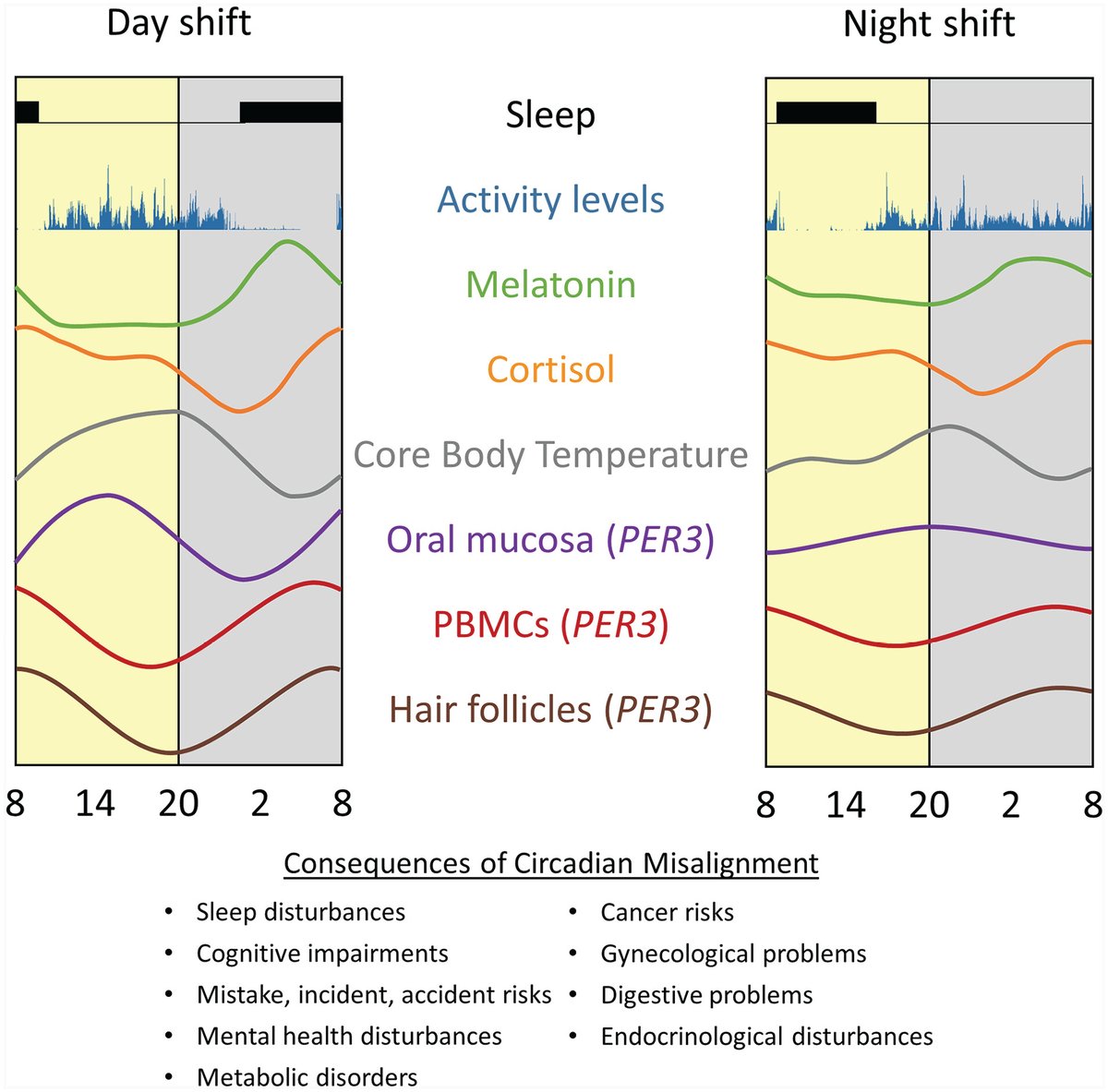
Circadian rhythm dysfunction is highly prevalent in ADHD Up to ~75% of patients have delayed sleep and wake timing, and shifting the clock earlier is linked to symptom improvement I just published a paper on what this means for treatment. Here’s what we found 🧵1/12
Brandon Luu, MD tweet media
English
191
1.4K
9.4K
3.6M
Stephanie Kidder Bowers, PhD retweetledi
Oz
Oz@oznova_·
This is what amino acids look like if you let the side chains flop around on the page
English
59
570
3.1K
196.1K
Stephanie Kidder Bowers, PhD retweetledi
Samuel Hume
Samuel Hume@DrSamuelBHume·
5 medical breakthroughs this week (🧵) 1. A pill to prevent dengue Tested in a human challenge trial, Mosnodenvir was very effective to prevent dengue infection This still needs to be tested in the field, but it could add to the 3 licensed vaccines – and prove very useful as dengue territory expands into Europe and the US... nejm.org/doi/full/10.10…
Samuel Hume tweet media
English
4
65
314
57.3K
Stephanie Kidder Bowers, PhD retweetledi
Simon Maechling
Simon Maechling@simonmaechling·
Hi, actual scientist here 👋 Science doesn’t work by proving a negative. You don’t prove unicorns don’t exist. You look for evidence they do and if none shows up, you move on. And here’s what we’ve found after decades of research: Millions of children. Dozens of studies. Multiple countries. Same result every time: No causal link between vaccines and autism That’s not uncertainty. That’s overwhelming evidence. Saying “well you can’t rule it out completely” isn’t science. It’s appeal to ignorance - pretending “not disproven” is the same as “possible.” If we accepted that logic, we’d have to fear: 🧪 Organic broccoli causing autism 📺 Television causing autism. 🌦 Clouds causing autism. Because nobody has “ruled them out” either. Science isn’t about imagining risks. It’s about measuring them and vaccines have been measured more than almost anything else in medicine. So let’s be clear: 💉 Vaccines have evidence. ❌ The autism claim has none.
Simon Maechling tweet media
English
663
1.4K
4.7K
136K
Stephanie Kidder Bowers, PhD retweetledi
Dr. Glaucomflecken
Dr. Glaucomflecken@DGlaucomflecken·
“‘Vaccines don’t cause autism’ has never been proven.” Correct, because that’s not how science works. If I say “sunning your perineum twice per day increases your IQ by 10 points” you would say, “prove it.” The burden of proof is on me, the person with a tanned perineum. If I responded by saying, “no, you prove to me perineal sunning DOESN’T increase your IQ by 10 points,” I am operating under the false assumption that my perineal sunning claim is fact without evidence to back it up. The burden of proof is on the person claiming that vaccines cause autism, not the other way around.
End Tribalism in Politics@EndTribalism

RFK Jr. just broke down to a college student that the claim “vaccines don’t cause autism” has never been proven. “The people who told you that have been lying to you.“ “In fact, only one vaccine has ever been studied, the MMR vaccine.” “The 20 doses of the seven vaccines that are given during the first year of life — the DTP, the Hib, the hepatitis B, the pneumococcal vaccines and the polio vaccines — have never been studied.” “Congress passed the 1986 Vaccine Act and said, you’ve got to study the DTP vaccine… That study has never been done.” “The only studies that were done were MMR studies, and they were all epidemiological studies… you can’t prove causation with an epidemiological study.” “In 2017, the Institute of Medicine looked at all of the MMR studies and they threw out all but four of them… and the four that were left were all epidemiological studies.” “None of them did what you would want to do if you actually wanted the answer, which is to compare health outcomes in a vaccinated group against health outcomes in an unvaccinated group.” “That’s what we need to do and those studies we’re doing now.”

English
696
1.4K
11.8K
839.2K
Stephanie Kidder Bowers, PhD retweetledi
World Health Network
World Health Network@TheWHN·
We’re five years into the pandemic, and the science is telling a very different story than “just a cold.” COVID affects blood vessels, organs, metabolism, and cognition — and the impacts compound with each infection. It’s the same pattern we saw with smoking: people felt fine… until the long-term consequences surfaced. Full article here: whn.global/covid-isnt-a-c… #LongCOVID #COVID #COVID19 #PublicHealth #InfectionPrevention #CleanAir
World Health Network tweet mediaWorld Health Network tweet media
English
101
1.1K
2.6K
167.9K
Stephanie Kidder Bowers, PhD retweetledi
Mindset Machine 
Mindset Machine @mindsetmachine·
Such a fun way of explaining calories in, calories out 👇
English
270
13.5K
88K
1.8M
Stephanie Kidder Bowers, PhD retweetledi
Patrick Hsu
Patrick Hsu@pdhsu·
an absolute shame. @harvard cutting PhD admissions "The Organismic and Evolutionary Biology department will shrink its class size by roughly 75 percent to three new Ph.D. students [...] Molecular and Cellular Biology will reduce its figure to four new students, and Chemistry and Chemical Biology will go down to four or five admits" thecrimson.com/article/2025/1…
English
44
134
915
199.2K