Sophie VM

20.4K posts

Sophie VM banner
Sophie VM

Sophie VM

@SMeerbeeck

Languages - Laughing - Teaching & Life Long Learning - Swimming - Nature - Animals - Photography - Music - @sophiemvm.bsky.social

Katılım Mart 2016
3.2K Takip Edilen1.2K Takipçiler
Sophie VM retweetledi
Eric Topol
Eric Topol@EricTopol·
The ramp up of cancer immunotherapy is remarkable. Now we're seeing vaccines achieve some cures or remissions in the most refractory cancers: pancreatic, melanoma, glioblastoma, renal, triple-negative breast cancer. ✓ out the new Ground Truths (link in profile)
Eric Topol tweet media
English
44
457
1.5K
180.9K
Sophie VM retweetledi
Harry Spoelstra
Harry Spoelstra@HarrySpoelstra·
Association of long-COVID with major adverse cardiovascular events and mortality: a real-world data cohort study 🚨Still not shocked: L0NGC0VID patients are 4.5× more likely to suffer heart attacks, strokes & deadly clots, and 53% more likely to die? WAKE-UP! ➡️Large retrospective cohort study used TriNetX real-world electronic health records (~118 million US patients) to assess long COVID’s impact on cardiovascular outcomes, ➡️ Adults (≥18 years) diagnosed with COVID-19 (2020–2023) were included. The long-COVID group (diagnosed 3–6 months post-infection) was compared with matched non-long-COVID controls after 1:1 propensity-score matching (86,122 per group, balanced on demographics, comorbidities, vaccines, etc), ➡️ Primary outcomes: major adverse cardiovascular events (MACE: coronary artery disease, stroke, myocarditis, heart failure, pulmonary embolism) and all-cause mortality, with follow-up starting 90 days post-index date (mean ~3 years), ➡️Long-COVID patients showed markedly higher MACE risk (HR 4.48, 95% CI 3.95–5.07), driven by coronary artery disease (HR 6.48), stroke (HR 3.46), and pulmonary embolism (HR 4.35), ➡️All-cause mortality was also elevated (HR 1.53, 95% CI 1.38–1.69), ➡️Risks remained consistent across 1- and 3-year follow-ups, age, sex, race, BMI, hospitalization status, antiviral use, and SARS-CoV-2 variant periods (Alpha/Delta/Omicron), ➡️Mechanisms discussed include ACE2-mediated myocardial injury, endothelial damage, chronic inflammation, and autonomic dysfunction, ➡️Pre-existing cardiovascular conditions were excluded to isolate long-COVID effects, ‼️So, patients with long COVID face a substantially elevated risk of major adverse cardiovascular events and all-cause mortality compared to those without long COVID, underscoring the need for vigilant long-term cardiovascular monitoring in this population, “This multicenter real-world cohort study demonstrates that patients with long COVID have a significantly higher risk of major adverse cardiovascular events (MACE) and all-cause mortality compared with those without long COVID” #AvoidSars2 #AvoidReinfections #YouOnlyHaveOneHeart link.springer.com/content/pdf/10…
Harry Spoelstra tweet media
English
12
194
406
16.8K
Sophie VM retweetledi
Ruth Ann Crystal, MD
Ruth Ann Crystal, MD@CatchTheBaby·
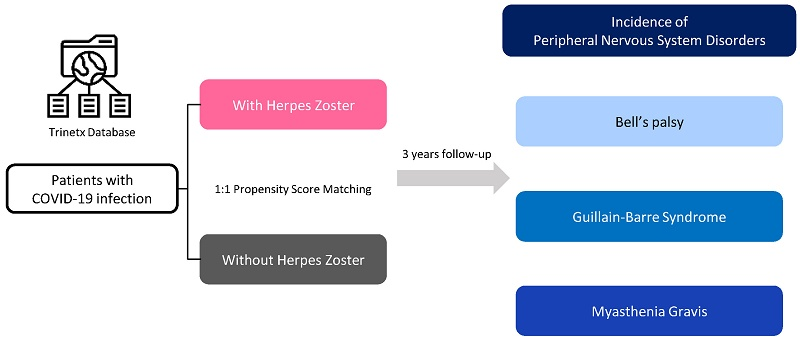
COVID raises your shingles risk. New data from 110,000+ patients out of Taiwan shows that post-COVID Shingles also raise risk of ➡️ Bell's palsy ➡️ Guillain Barré ➡️ Myasthenia Gravis Worst of all? Neurological vulnerability lasts for at least 3 years. buff.ly/H1N73zd
Ruth Ann Crystal, MD tweet media
English
45
469
1.2K
36K
Sophie VM retweetledi
Putrino Lab
Putrino Lab@PutrinoLab·
We have known for a while that #LongCOVID pathobiology for many involves reactivation of various herpesviruses. As we continue to validate this it is great to see this work coming out in collaboration with @VirusesImmunity’s incredible team. Here we medrxiv.org/content/10.648… 1/
English
6
72
286
30.1K
Sophie VM retweetledi
Hiroshi Yasuda (保田浩志)
From an autopsy-based case–control study, "COVID-19–positive cases demonstrated significantly increased reactive gliosis and microglial activation in the olfactory bulb, along with a higher frequency of mild perivascular lymphocytic infiltration in the frontal cortex.. Systemic pathological findings in COVID-19–positive cases were consistent with severe multisystem disease. [In conclusion,] COVID-19 is associated with region-specific but non-uniform neuropathological alterations dominated by reactive and vascular changes rather than encephalitic processes." People change after contracting COVID. 'Histopathological changes in the olfactory pathway in COVID-19: An autopsy-based case–control study' link.springer.com/article/10.100…
English
8
128
300
21.9K
TomW
TomW@Wil67605Wilcox·
@Yoda4ever Looks AI. The dog ages a lot over three days.
English
19
0
299
27.9K
𝕐o̴g̴
𝕐o̴g̴@Yoda4ever·
Golden retriever puppy heals rescued kitten in just three days..🐕🐾🐈😊
English
1.8K
16K
179.9K
4.8M
Sophie VM retweetledi
Joseph Allen
Joseph Allen@j_g_allen·
I’m so incredibly frustrated. We have an outbreak report for the cruise ship, published in NEJM, and great clinical, epidemiological, and genomic reporting, and… NOT A SINGLE MENTION OF VENTILATION/FILTRATION SETUP ON THE SHIP Folks, we keep doing this. A lot of MD/PhD coauthors on the “Andes Virus Outbreak Working Group”, and no one with expertise on mechanical systems. And no one on the team even thought to check or investigate it. It’s malpractice at this point, and I’m not exaggerating in my use of the term. I do investigations in buildings and if I failed to check the status of the mechanical systems I’d be sued. (It’s actually *the first* thing I check) @NEJM: see our report from The Lancet COVID-19 Commission on this in the thread. Include this in your reviews. Mandate this info in every outbreak investigation report. The reason I first called the doctor on the ship was because I wanted to see if he could get info on the ship’s systems before he left it, bc I knew the official investigations would miss it. Because they always do.
NEJM@NEJM

𝗣𝘂𝗯𝗹𝗶𝗰 𝗛𝗲𝗮𝗹𝘁𝗵 𝗔𝗹𝗲𝗿𝘁𝘀 𝗥𝗲𝗽𝗼𝗿𝘁: On April 27, 2026, a man (later classified as Patient 3 in the outbreak) was medically evacuated to Ascension Island from the Dutch-flagged expedition cruise ship 𝘔𝘝 𝘏𝘰𝘯𝘥𝘪𝘶𝘴; he had severe acute respiratory infection (SARI) and reported shortness of breath and fever that had begun on April 21. He had signs of pneumonia, although findings on chest radiography were unremarkable. While he was on Ascension Island, his condition worsened, and he was transferred to Johannesburg, South Africa, for ventilator support and intensive care. He was in shock and had acute respiratory distress syndrome; findings on chest radiography were consistent with atypical pneumonia. The differential diagnosis in this clinical context is very broad and includes atypical pneumonias, bacterial or fungal sepsis, and vectorborne diseases such as malaria or dengue. The diagnostic evaluation, including respiratory pathogen panels, malaria smear and antigen, fungal biomarkers, blood cultures, and legionella urinary antigen, was unrevealing. On May 2, the cruise ship had a total of 147 persons on board, including 88 passengers and 59 crew members, from 23 countries. As of May 13, 2026, a total of 10 cases had been identified (an 11th was subsequently reclassified as not a case), including 3 resulting in death (seen in figure). However, because not everyone on board was tested, 3 deaths among 10 cases may represent an overestimation of the case fatality ratio. All cases to date have been among passengers or crew on board the ship. Beyond the first 3 cases, 7 additional confirmed or probable cases have been identified. A German national (Patient 4) died from a SARI on May 2, and later testing in the Netherlands confirmed Andes virus (ANDV). Two crew members — the doctor on the ship (Patient 5) and an expedition guide (Patient 6) — were medically evacuated to the Netherlands, tested positive by PCR and sequencing for ANDV on May 7 and 8, respectively, and were in stable condition at the time of this report. Read “Andes Hantavirus Outbreak on a Cruise Ship, 2026,” which includes clinical details, case timeline, genetic sequencing of the virus, and unresolved transmission questions, by the Andes Virus Outbreak Working Group: nej.md/4uQDeMQ

English
46
399
1.3K
147.7K
Sophie VM retweetledi
Cat in the Hat 🐈‍⬛ 🎩 🇬🇧
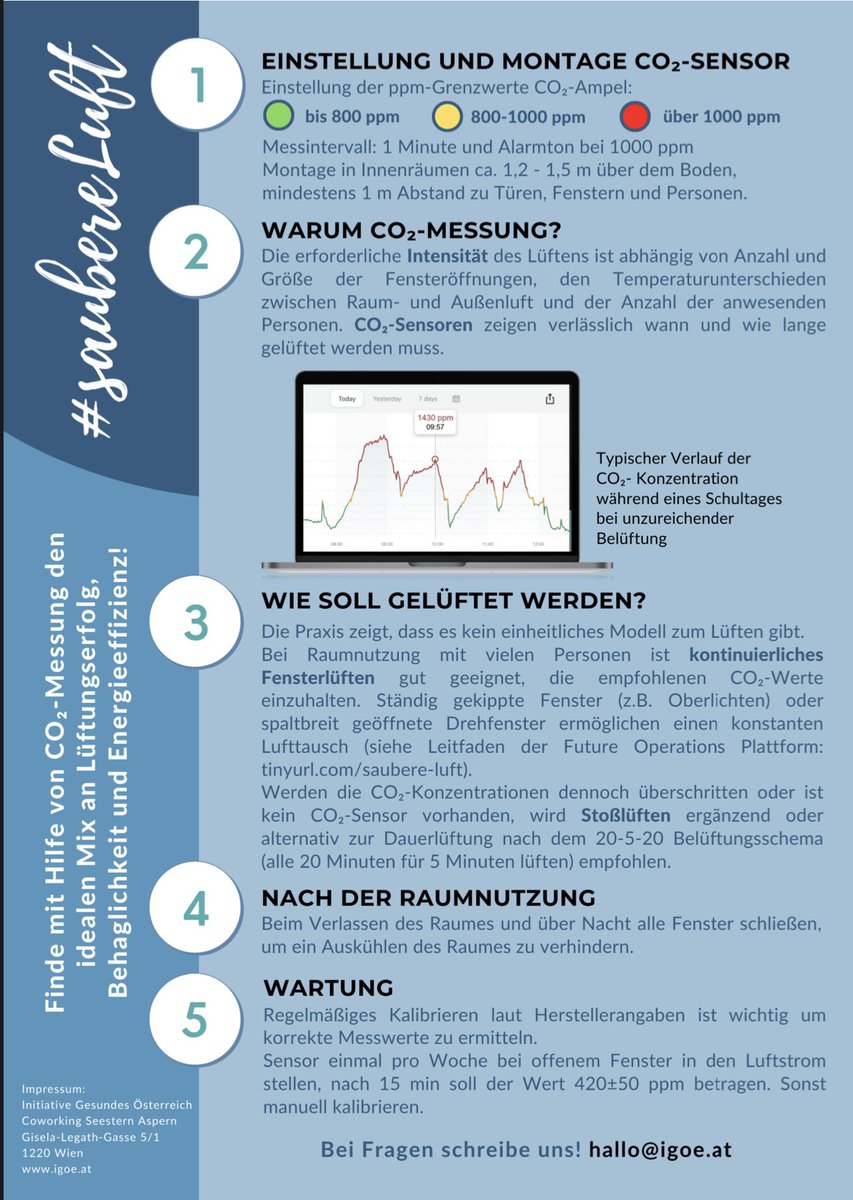
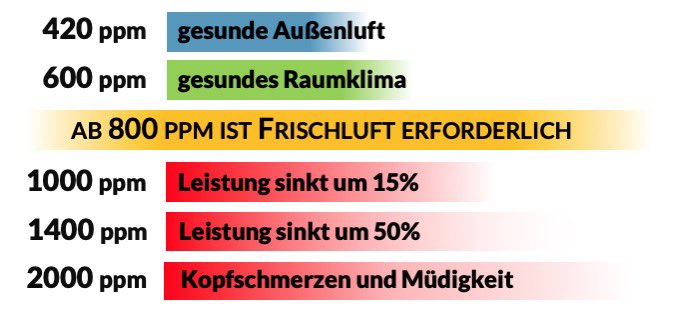
Incredible speech delivered by Baroness Linforth in the House of Lords today calling for clean indoor air in schools. “It would cost less than a tenner per child per year to provide pupils and staff with clean air - about the same cost as a coffee and a cake.” ☕️🧁
English
37
1K
2.8K
80.5K
Ihtesham Ali
Ihtesham Ali@ihtesham2005·
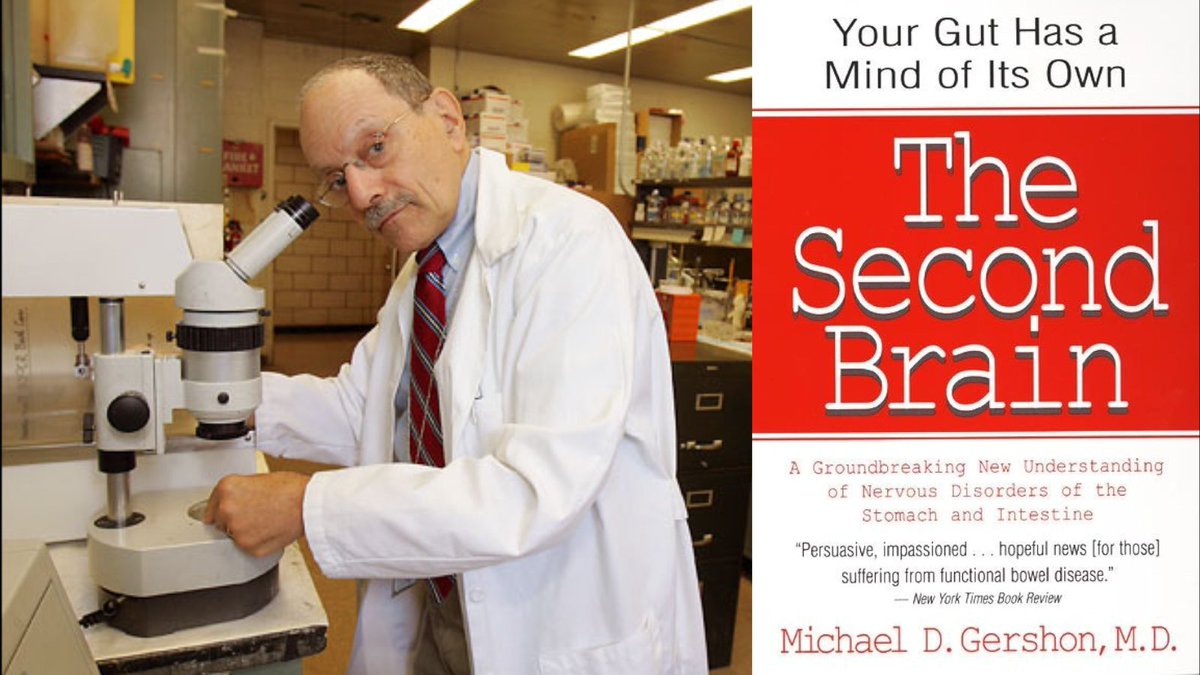
A neurobiologist at Columbia spent 30 years proving that the gut has its own brain, and the day he finally published the book that named it, almost every psychiatrist in America stopped returning his calls. His name is Michael Gershon. He runs the Department of Anatomy and Cell Biology at Columbia University Medical Center in New York, and the field he built from the ground up is called neurogastroenterology in short brain-gut axis. The book that announced it to the world was published in 1998, and the title alone tells you everything about what he was up against. He called it The Second Brain. The claim sounded like science fiction in the 1990s. Gershon was saying that the human gut contains its own fully functional nervous system, with around 100 million neurons embedded in the walls of the alimentary canal, which is the nine-meter tube running from your esophagus to your anus. That is more neurons than your entire spinal cord, and more than your entire peripheral nervous system put together. The gut was not just digesting food. It was running its own intelligence, with its own reflexes, its own memory, and its own way of deciding what to do without asking the brain in your head for permission. The medical establishment treated this as borderline heretical when he first started publishing it. The brain was supposed to be the command center. Everything else was supposed to be the periphery. A second brain in the belly did not fit the architecture anyone had been taught. Then the data started piling up, and it was impossible to argue with. The first finding that broke the old model was about serotonin. You might have heard Andrew Huberman talking about it on his podcasts. Serotonin is the neurotransmitter associated with mood, well-being, sleep, and depression. Every antidepressant on the market targets it. The assumption for decades was that serotonin was a brain chemical, produced in the brain, regulated in the brain, and responsible for what happened inside the brain. Gershon's lab showed that 90 to 95 percent of the body's serotonin is not produced in the brain at all. It is produced in the gut, by specialized cells called enterochromaffin cells embedded in the intestinal lining. Your stomach and intestines are the largest serotonin factory in the human body, and the brain in your skull is producing only a tiny fraction of what is circulating below your neck. The second finding was even harder to swallow. The vagus nerve is the longest cranial nerve in the body, running from the base of the brain down through the neck, the chest, and into the abdomen, where it branches into the gut. For most of the 20th century, doctors assumed the vagus was the brain's way of giving orders to the digestive system, in the same way the brain gives orders to the rest of the body. The actual measurements showed almost the opposite. Roughly 90 percent of the fibers in the vagus nerve are carrying signals upward, from the gut to the brain, and only a small fraction are carrying signals downward. Your gut is sending nine times more information to your head than your head is sending to your gut. The bandwidth is wildly asymmetrical, and almost all of it is going in a direction the medical textbooks had quietly been wrong about for decades. The implication of those two findings together is what changed psychiatry. If most of your serotonin is being produced in your gut, and most of the information flowing through your vagus nerve is moving from your gut to your brain, then your mood is being shaped from the bottom up far more than it is being directed from the top down. The feeling of dread before a difficult meeting. The sudden clarity after a good meal. The low-grade anxiety that will not go away no matter how much you talk through it. All of it is downstream of signals that started below your diaphragm. A 2019 study at McMaster University put the final piece in place. Researchers gave mice oral antidepressants and watched what happened. The drugs activated the vagus nerve from the gut side, and the gut-to-brain signaling was what produced the antidepressant effect. When they cut the vagus nerve and tried the same drugs, the antidepressant effect disappeared completely. The drug was not working on the brain directly. It was working on the gut, and the gut was working on the brain. The follow-up research on the microbiome made the connection even tighter. Mice raised in completely sterile environments with no gut bacteria produced about 60 percent less serotonin in their intestines than normal mice. When the bacteria were reintroduced, serotonin production returned to normal. The trillions of microorganisms living in your digestive tract are not passengers. They are running the factory that makes the chemical your antidepressant is trying to manipulate. The most haunting line from Gershon's interviews is the one I keep coming back to. He said the second brain does not do philosophy or poetry, and it cannot help you write a novel. But it is the brain that decides whether you wake up in the morning feeling like the day is full of possibility or feeling like something is wrong before anything has even happened. The mood you assume your conscious mind is generating from your thoughts is mostly being generated underneath you, by a nervous system you cannot feel and cannot consciously access, in an organ you have spent your entire life thinking about as a digestion machine. The decision your gut makes about how you are going to feel arrives in your head a fraction of a second before your brain catches up to it. The conscious thought is the explanation your mind invents for a verdict that has already been reached somewhere lower. You did not feel uneasy because you were thinking dark thoughts. You started thinking dark thoughts because your gut was already uneasy.
Ihtesham Ali tweet media
English
182
1.6K
4.4K
377.6K
Sophie VM retweetledi
ScienceFocus
ScienceFocus@ScienceFocusonX·
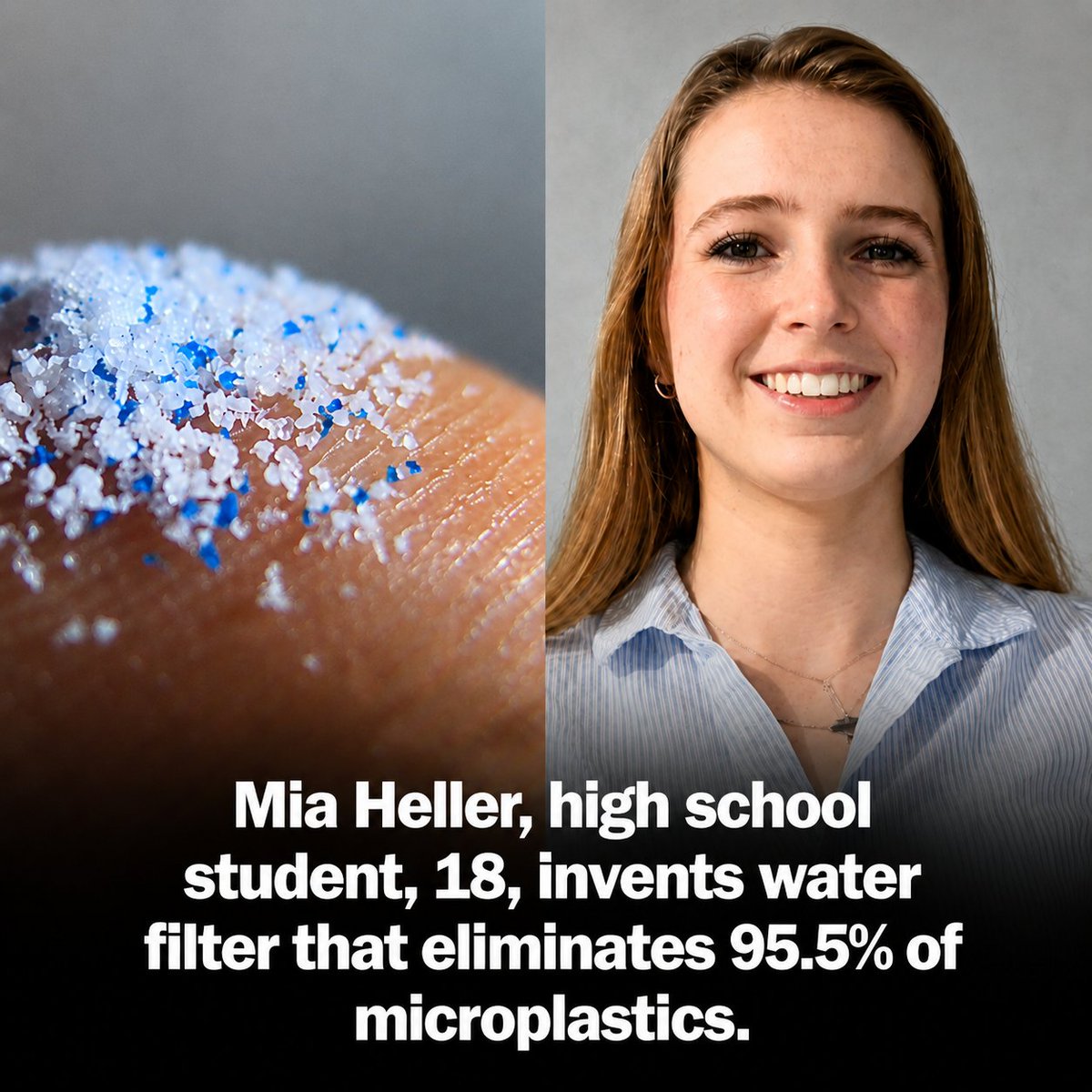
An 18-year-old just did what billion-dollar water companies couldn't. Meet Mia Heller. A high school junior from Warrenton, Virginia who built a water filter in her garage that strips out 95.5% of microplastics from drinking water. That's better than most government treatment plants, which sit somewhere between 70% and 90%. Her secret weapon? Ferrofluid. A magnetized liquid made of oil and powder that latches onto microplastic particles. Then a magnet yanks them out. No membranes. No constant filter replacements. No endless maintenance bills. The ferrofluid even gets recycled, around 87% of it, in a closed loop. The spark for all of this wasn't a classroom project. It was a local newspaper article warning that her town's tap water was loaded with PFAS and microplastics, and that nobody was coming to fix it. So she watched her mom swap out filter after filter and thought, there has to be a smarter way. She built the prototype herself. Tested it with a homemade turbidity sensor. Then walked into the Regeneron International Science and Engineering Fair and walked out with a special award from the Patent and Trademark Office Society. Up against nearly 1,700 students from 62 countries. She's now eyeing a household version that sits under your kitchen sink. The future of clean water might not come from a lab in Silicon Valley. It might come from a teenager's garage in Virginia. Source: Smithsonian Magazine
ScienceFocus tweet media
English
382
5.8K
15.1K
255.3K
Sophie VM
Sophie VM@SMeerbeeck·
@ihtesham2005 „Wie schrijft, die blijft!“ - translated into English: The written word lasts
Nederlands
0
0
0
4
Sophie VM retweetledi
Ihtesham Ali
Ihtesham Ali@ihtesham2005·
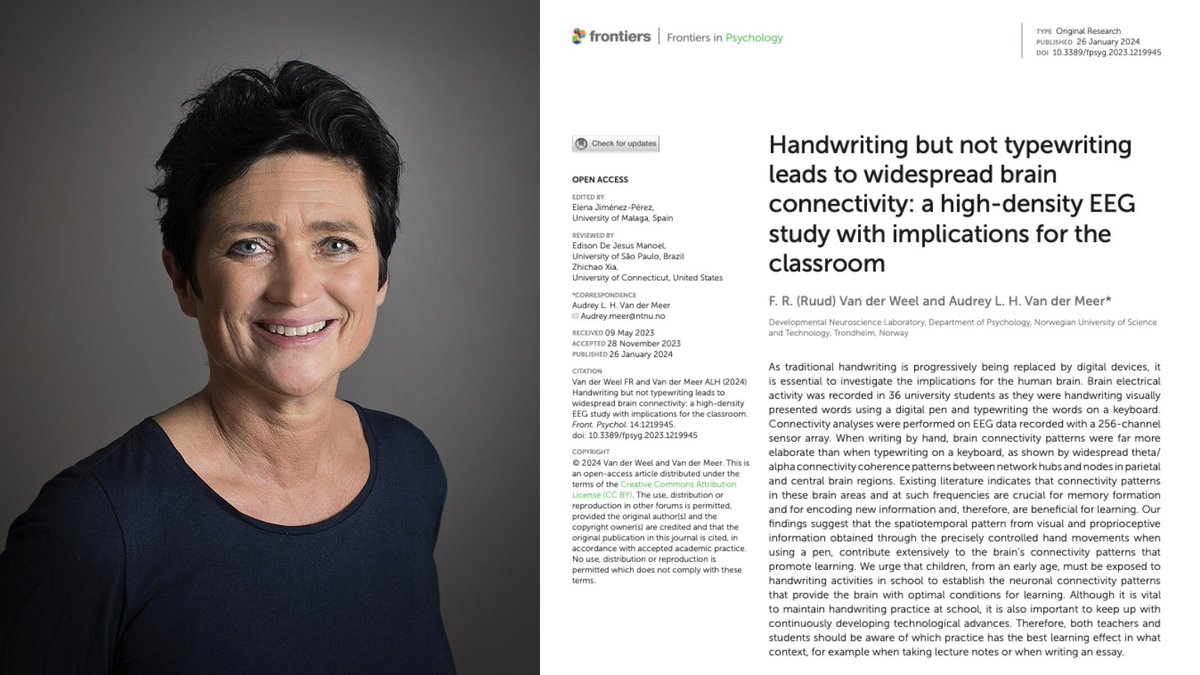
A Norwegian neuroscientist spent 20 years proving that the act of writing by hand changes the human brain in ways typing physically cannot, and almost nobody outside her field has read the paper. Her name is Audrey van der Meer. She runs a brain research lab in Trondheim, and the paper that closed the argument was published in 2024 in a journal called Frontiers in Psychology. The finding is brutal enough that it should have changed every classroom on Earth. The experiment was simple. She recruited 36 university students and put each one in a cap with 256 sensors pressed against their scalp to record brain activity. Words flashed on a screen one at a time. Sometimes the students wrote the word by hand on a touchscreen using a digital pen, and sometimes they typed the same word on a keyboard. Every neural response was recorded for the full five seconds the word stayed on screen. Then her team looked at the part of the data most researchers had ignored for years, which is how different parts of the brain were communicating with each other during the task. When the students wrote by hand, the brain lit up everywhere at once. The regions responsible for memory, sensory integration, and the encoding of new information were all firing together in a coordinated pattern that spread across the entire cortex. The whole network was awake and connected. When the same students typed the same word, that pattern collapsed almost completely. Most of the brain went quiet, and the connections between regions that had been alive seconds earlier were nowhere to be found on the EEG. Same word, same brain, same person, and two completely different neurological events. The reason turned out to be something nobody had really paid attention to before her work. Writing by hand is not one motion but a sequence of thousands of tiny micro-movements coordinated with your eyes in real time, where each letter is a different shape that requires the brain to solve a slightly different spatial problem. Your fingers, wrist, vision, and the parts of your brain that track position in space are all working together to produce one letter, then the next, then the next. Typing throws all of that away. Every key on a keyboard requires the exact same finger motion regardless of which letter you are pressing, which means the brain has almost nothing to integrate and almost no problem to solve. Van der Meer said it plainly in her interviews. Pressing the same key with the same finger over and over does not stimulate the brain in any meaningful way, and she pointed out something that should scare every parent who handed their kid an iPad. Children who learn to read and write on tablets often cannot tell letters like b and d apart, because they have never physically felt with their bodies what it takes to actually produce those letters on a page. A decade before her, two researchers at Princeton ran the same fight using a completely different method and ended up at the same answer. Pam Mueller and Daniel Oppenheimer tested 327 students across three experiments, where half took notes on laptops with the internet disabled and half took notes by hand, before testing everyone on what they actually understood from the lectures they had watched. The handwriting group won by a wide margin on every question that required real understanding rather than surface recall. The reason was hiding in the transcripts of what the two groups had actually written down. The laptop students typed almost word for word, capturing more total content but processing almost none of it as they went, while the handwriting students physically could not write fast enough to transcribe a lecture in real time, which forced them to listen carefully, decide what actually mattered, and put it in their own words on the page. That single act of choosing what to keep was the learning itself, and the keyboard had quietly skipped the choosing and skipped the learning along with it. Two studies. Two countries. Same answer. Handwriting makes the brain work. Typing lets it coast. Every note you have ever typed instead of written went into your brain through a thinner pipe. Every meeting, every book highlight, every idea you captured on your phone instead of on paper was processed at half depth. You did not forget those things because your memory is bad. You forgot them because typing never woke the part of the brain that would have made them stick. The fix is the thing your grandmother already knew. Pick up a pen. Write the thing down. The slower road is the faster one.
Ihtesham Ali tweet media
English
2.5K
44.7K
120.9K
10.2M
Sophie VM retweetledi
Massimo
Massimo@Rainmaker1973·
Cats can sense illness earlier than humans. They can detect sickness and even emotional imbalance because they pick up subtle energy shifts long before we notice them.
English
19
121
648
41.6K