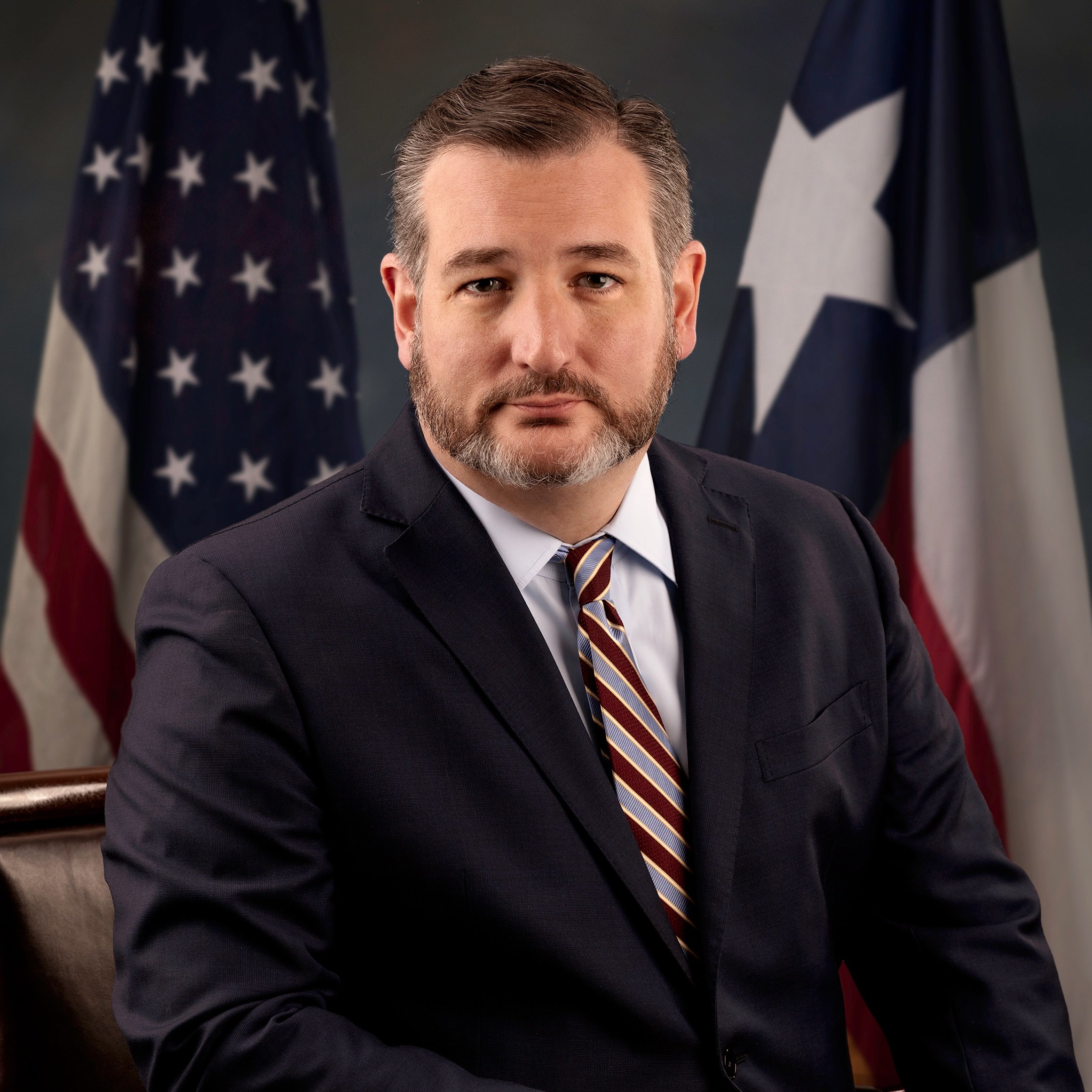
RELEASE: Sen. Cruz Calls for U.S. Recognition of Somaliland cruz.senate.gov/newsroom/press…
Samuel Nsubuga
728 posts

@SamuelNsubuga_
Security Expert | Former Senior Intelligence Officer, UPDF | Counterterrorism & Intelligence Analysis Specialist | Ex-AMISOM Intelligence Advisor I

RELEASE: Sen. Cruz Calls for U.S. Recognition of Somaliland cruz.senate.gov/newsroom/press…


🚨 BREAKING ANALYSIS: A MAJOR EAST AFRICAN PORT AND A MISSED WESTERN STRATEGY One of the largest and fastest growing ports in East Africa sits in #Somaliland at #Berbera Port, a strategic trade hub that supporters say proves what stability, investment focus, and local governance can achieve. Backers argue the region has prioritized infrastructure, commerce, and security while building an environment attractive to international business and long term development. Meanwhile, critics of Western policy say billions continue flowing toward #Mogadishu and the federal system of #Somalia despite persistent instability, political infighting, and ongoing security crises that drain resources without producing lasting national cohesion. They claim decades of international involvement have failed to build durable institutions or consistent economic growth. Supporters of Somaliland also point to evolving geopolitical conversations, highlighting that #Israel has been cited in political discussions around recognition and strategic partnerships. Advocates frame Somaliland as a pro investment, pro stability region focused on trade and development, contrasting it with ongoing violence and political fragmentation further south. The argument gaining traction among some analysts is blunt: Western governments may be investing in the wrong model, backing a struggling centralized system instead of engaging more deeply with regions they see as stable, economically driven, and strategically positioned along key global trade routes.

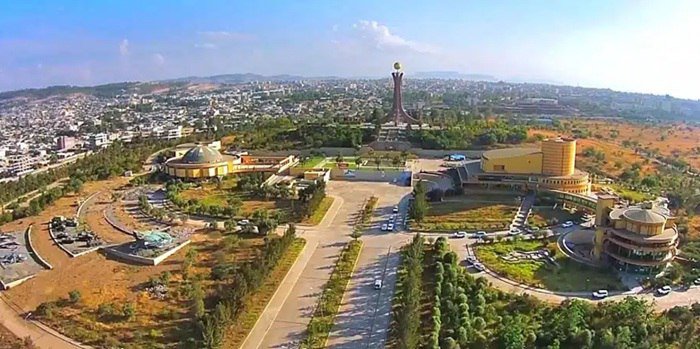
News: #Italy pledges deeper #Africa cooperation at second Italy–Africa summit in Addis Abeba Italy pledged to deepen cooperation with African countries during the second Italy–Africa summit held yesterday evening in Addis Abeba, focusing on projects under Italy’s Mattei Plan for Africa in sectors including energy, infrastructure, trade, and migration. Italian Prime Minister #Giorgia Meloni said the initiative aims to promote investment-driven partnerships rather than traditional aid, stressing collaboration aligned with African priorities. She also said Italy has “no interest in exploiting migration to obtain cheap labour” and vowed to address the “root causes” of migration. “We want to build things together,” she added, underscoring partnerships responsive to African countries’ needs. Prime Minister #Abiy Ahmed called for equal and mutually beneficial engagement, urging a shift from donor-recipient dynamics toward cooperation based on shared responsibility, industrialization, and sustainable development. The summit, held for the first time on African soil after a previous edition in Rome, brought together heads of state, policymakers, and business leaders to discuss economic cooperation, energy transition, migration management, and youth empowerment. Organizers say the forum aims to strengthen Africa–Italy relations while advancing broader continental collaboration.


“This gathering marks a pivotal moment in Africa–Europe relations — a moment to move from dialogue to action.” — Prime Minister Abiy Ahmed at the Second Italy–Africa Summit #ItalyAfrica #PMOEthiopia


🚨 TURKISH MEDIA PUSHES CONTROVERSIAL NARRATIVE ON Saudi Arabia AND Somaliland A Turkish-aligned propaganda outlet is facing backlash after promoting what critics describe as a misleading narrative targeting Saudi Arabia and #Somaliland. Observers note that voices linked to #Turkey appear more outraged than local Somali leadership itself, even as officials in #Mogadishu continue reiterating a “One Somaliland” position. Critics argue the messaging reflects deeper geopolitical competition in the Horn of Africa, accusing Ankara-aligned media of reviving narratives reminiscent of Ottoman Empire-era influence while attempting to shape Somali political discourse and regional alignments. The information battle highlights intensifying foreign involvement and propaganda wars as competing powers seek leverage over the Somali political future.