

Sh121
1.3K posts


Exactly that's the point, angelic Korean women don't wanna procreate with mysogynistic Korean incels.
kira 👾@kirawontmiss
It’s crazy how low Korea’s birth rate is when even the average woman there looks like this
English

The average Korean isn't anywhere near this.
Even the average Korean with plastic surgery isn't anywhere near this.
Even the top 10% Korean WITH top tier plastic surgery isn't anywhere near this.
Half of young Koreans do plastic surgery- and if it was this easy for random modded Korean girls to literally stunlock a professional sports commentator with their mere existence, then every fucking man would be learning Korean right now and strive to become a successful sexpat.
Guys have become turbo porn-brained.
They say women have delusional standards, but they are even more fucking delulu
Kangmin Lee | 이강민@kangminlee
The average Korean woman
English
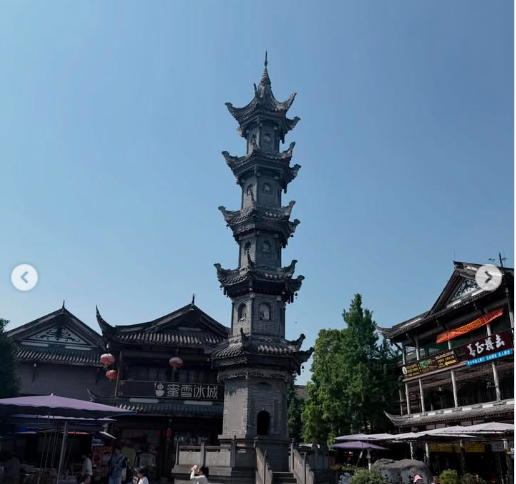
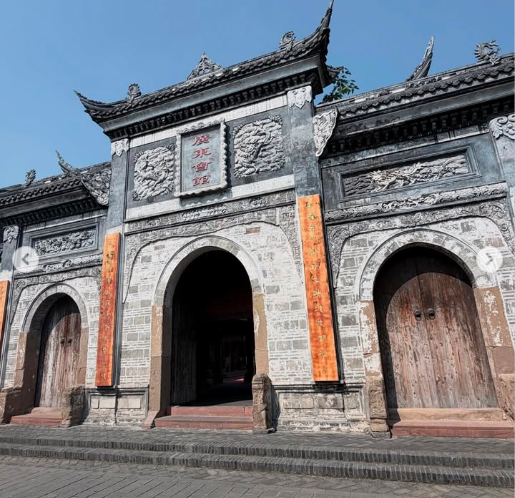
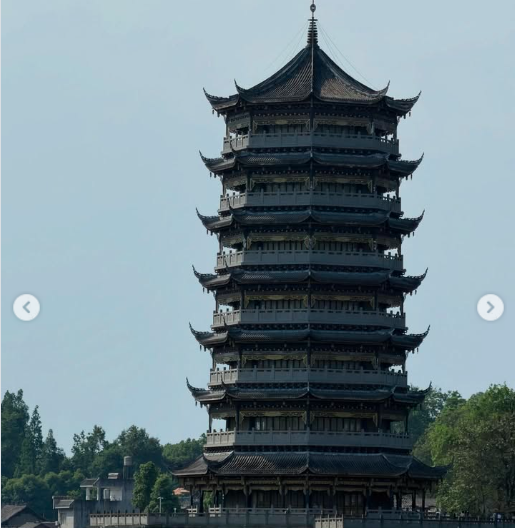

另外我解釋一下朝鮮和高句麗的關係,朝鮮固然不是來自於什麼亶君朝鮮,而是3-5世紀開始成形的新羅不斷向北擴張吞併整合了高句麗。類似支那人從關中開始以洛陽為大本營以齊魯為先鋒殖民吞併了東夷一樣,東夷固然不是支那,但比起蒙古這些東夷當然接近支那一些,今天和高句麗最接近的毫無疑問是朝鮮
波之由利以·乃禮都自@patchouli608
@Pr_Sarakiel 關係更遠?何來的關係更遠?從肅慎族到後來的扶餘,整個古東北亞和中原政權的交通史都在書面史書上有跡可循。這些就是唯一的信史,而不是像朝鮮那樣編造神話然後把整個東北圈到自己活動範圍內。高句麗完全是古中國人在中國境內建立的割據政權,你可以先試著把這個論斷辯倒再說。
中文
@lixing_rational @Morris_LT 《易经》:见龙在田,天下文明。新翻译罢了,日本人用汉字翻译西方概念,成了舶来品?什么叫舶来品,物质上从来没有,概念上从来没有。整套现代文明的全部内涵:人文、华夏、衣冠、礼教、大同、小康、声教,全是中国从上古就有的原生概念。咖啡,巧克力,那才叫他妈的舶来品
中文


在中文里,会细分“哥哥、弟弟”,甚至还有“大哥、二哥”的排行,而英语通常只用“brother”,需要时才补充“older”或“younger”,但一般也不会进一步区分顺序;同时,中文习惯通过称谓和排序来体现关系中的长幼与位置,而英语更常直接用名字来称呼,弱化这种层级感。这些差异说明,语言并不是对世界的简单描述,而是在用不同方式切分和组织关系:有的强调秩序与辈分,有的则更倾向于把关系看作相对平等的个体连接。重要的不是哪种方式更好,而是你会逐渐意识到,很多你以为理所当然的表达,其实只是母语给你的默认设定;当你拥有不同的语言系统时,也就多了一种理解世界的角度,从而获得更大的思考空间和选择自由。
中文
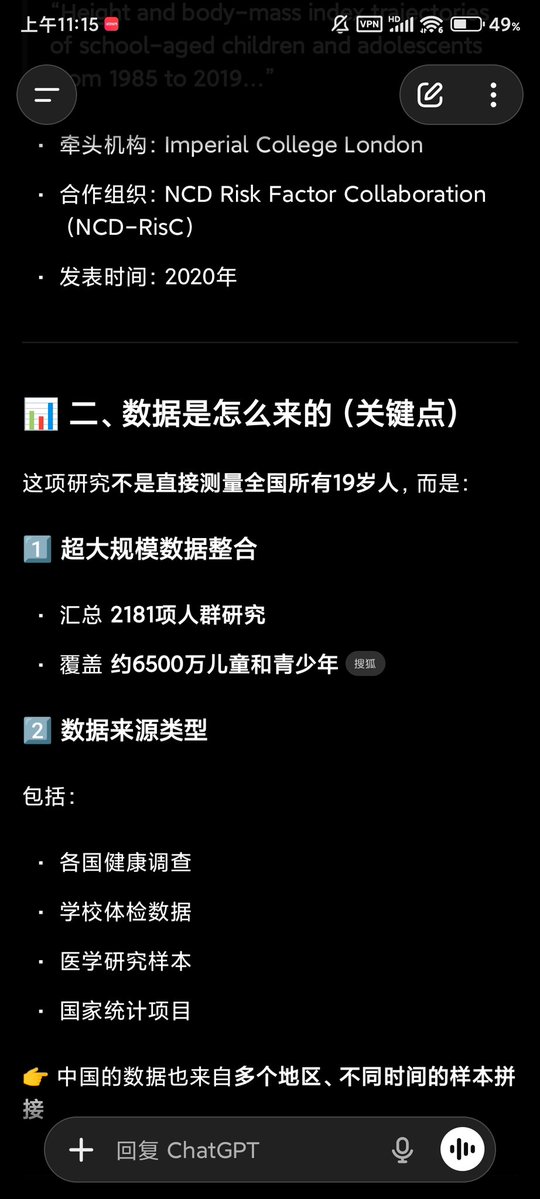

@Scoiiii @weiyux2021 那就更成問題了,調查的都是大學生?那大學生群體最多佔比的哪些人?
Auckland, New Zealand 🇳🇿 中文

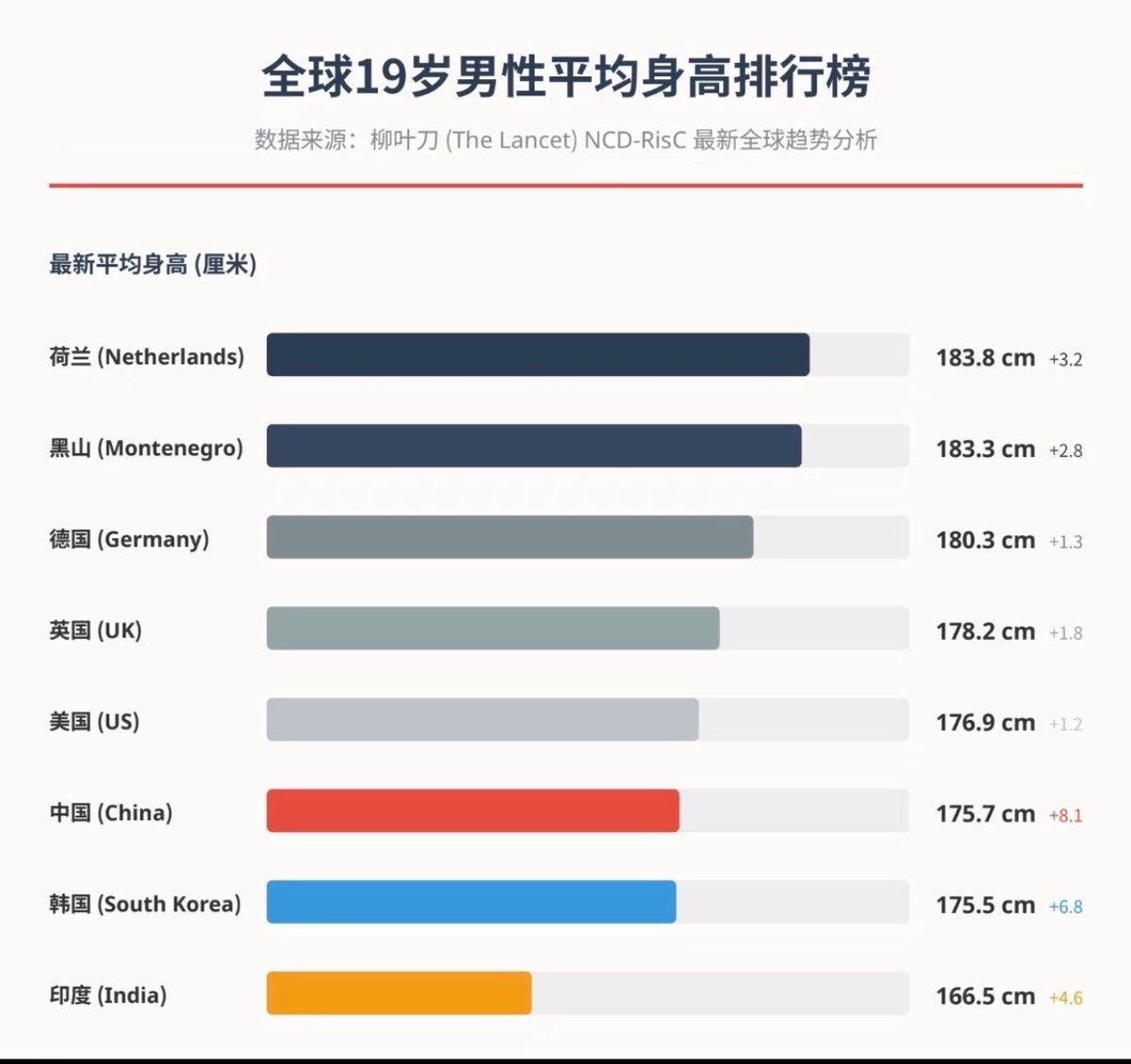
@lingluoyuqin @weiyux2021 你看的是平均身高,连上以前吃不饱的人。这里的指的是营养改善的几十年后的19岁年轻人的身高,日本矬子已经到达上限了,中国身高还在暴涨。羽毛球,乒乓球啥的年轻运动员,你稍微搜一下全是日本最矮,甚至还不如东南亚的。从基因上很好解释,日本主体是D,中国是O
中文

@weiyux2021 柳葉刀的這個研究,主要數據來自中國的 學生體質與健康調研 。這個調研主要的樣本來源是城市。還有很能多數據來自自訴樣本,其實很不嚴謹。中國官方(統計局或教育部或衛生部)並沒有這方面的紮實統計數據。
Auckland, New Zealand 🇳🇿 中文

@weiyux2021 众所周知,南低北高,南多北少,这样应该是北方180长江175,两广170了,但是北方没有平均180到荷兰的情况,北方175,长江173两广170还差不多
中文


Why Chinese is such an efficient language. They have words for:
后天 — the day after tomorrow
前天 — the day before yesterday
大后天 — three days from now
大前天 — three days ago
上上周 — the week before last
下下周 — the week after next
前年 — the year before last
后年 — the year after next
rii@forgedvows
wtf do you call the day after tomorrow
中文


@blackym25 我一直跟你说的都是现存人口,你一开始就说现存人口里广东和东北没有共祖
我一直跟你说的都是现存人口,你一开始就说现存人口里广东和东北没有共祖
我一直跟你说的都是现存人口,你一开始就说现存人口里广东和东北没有共祖
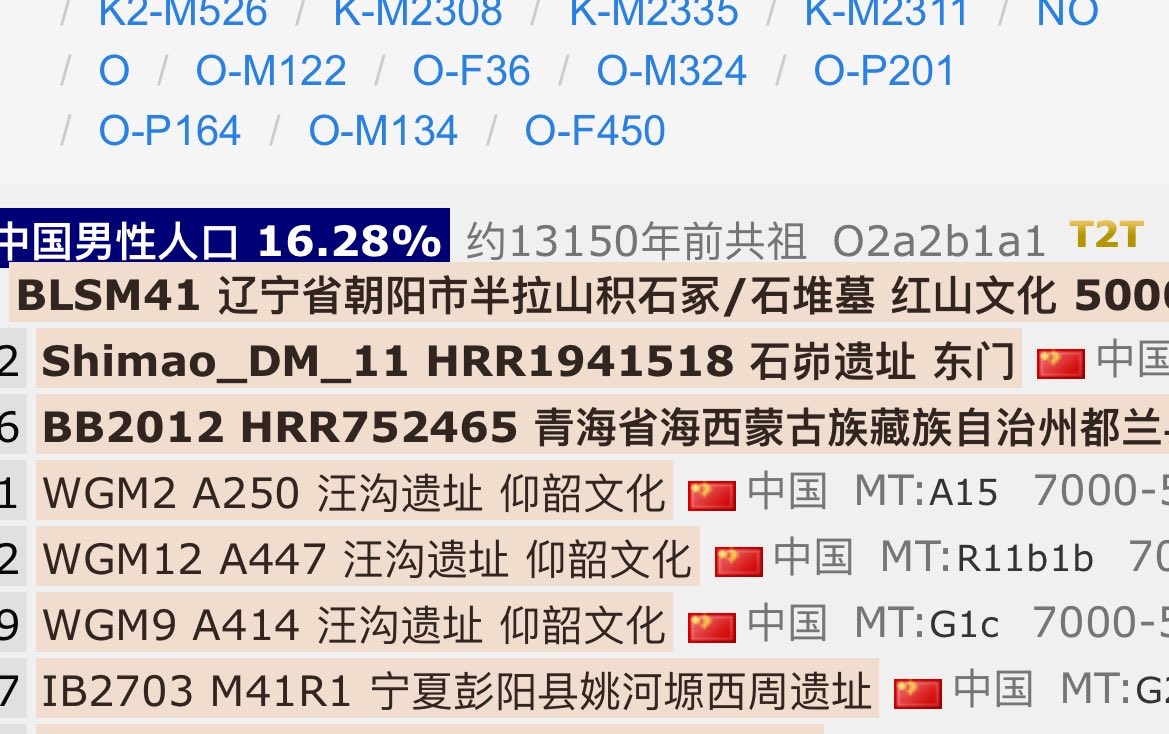
比如O-F254,刘邦Y,在东北和广东都高频分布。
听懂话,记得回答你爹3遍
中文

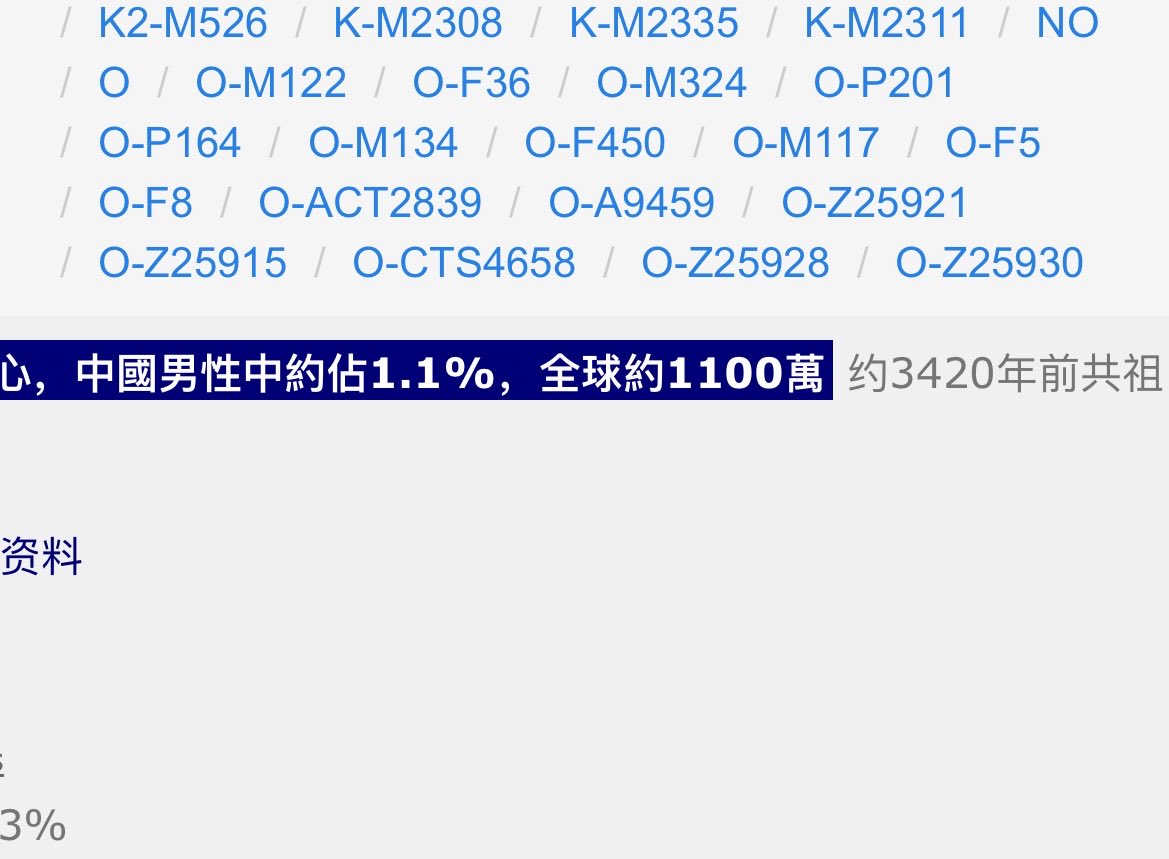
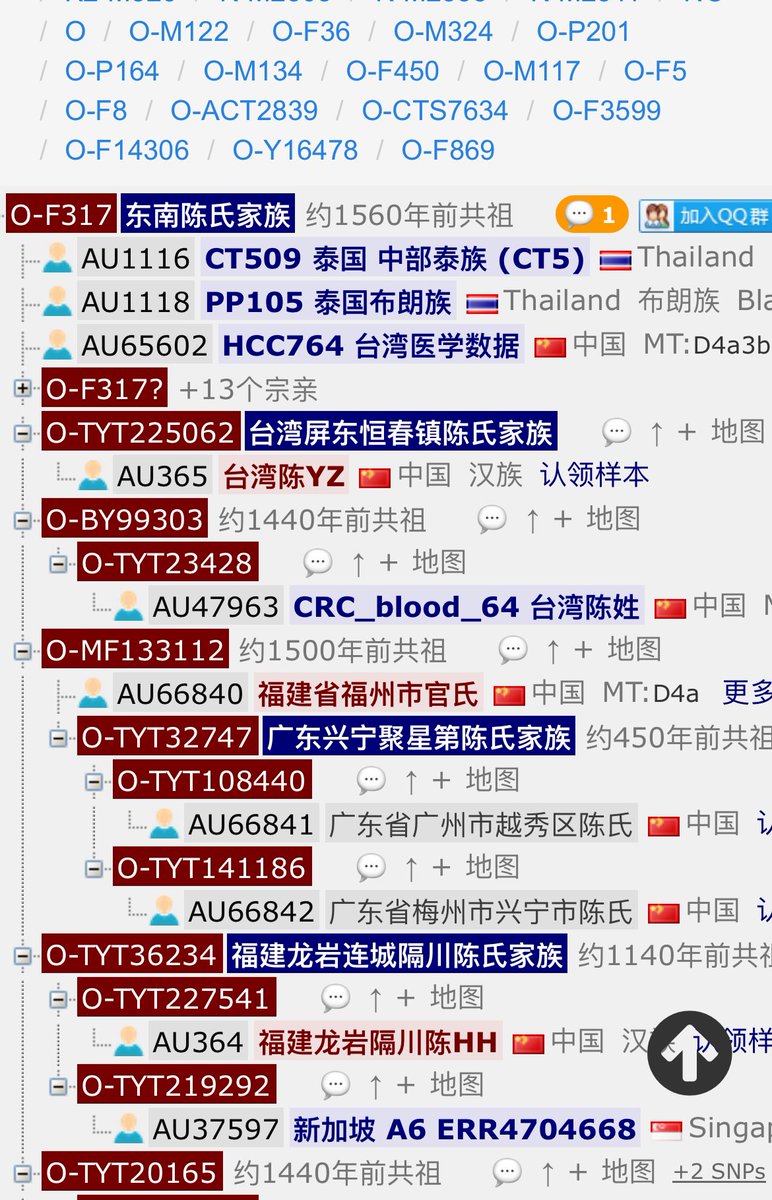
@Scoiiii 🤣你的分子人类学常识为零以至于听不懂人话 还纯北纯南 立面诞生的绝大部分初始常染都是ASEA 如m117诞生于一万多年前 下游样本在不丹,东南亚各国,黄河流域,中国南方等地都有古dna 两广最大的两支晋安陈和岭南大族2新石器就已经存在于中国南方 跟东北有毛关系?
中文
晚唐和后唐英语真的很容易搞混,一堆老外把十几年寿命的后唐当唐朝的。本座目测李渊姑妈的那个大野宗室(论文已出全数据还没开放下载)和李克用之间的距离应该比黑龙江人和广东人之间的差距还大
中文
@blackym25 又开始偷换概念了,你的原始推文路线是—广东和东北差异大—三千年内广东东北没有相交—要求找出5个中间地带一千年内往南和往北走的共祖支系比例超过1%。最初命题是现存人口是否相同,你到了现在还在强调共祖太远。这5个支系,3个纯北,一个原初O2,一个纯南,我倒是要看看你要怎么找补😆
中文
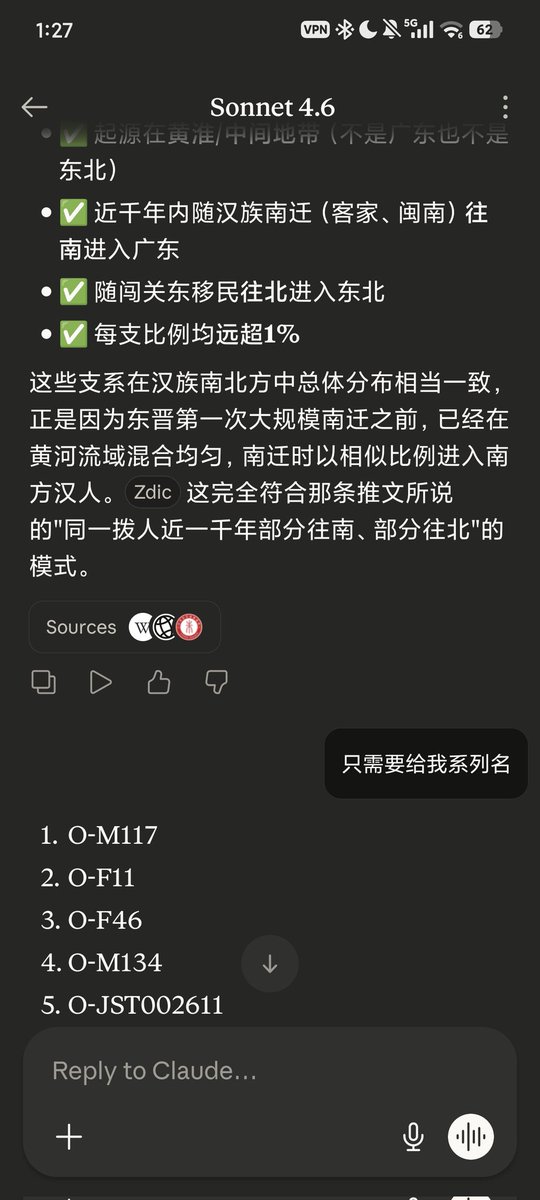
@Scoiiii 🤣还同一拨人近一千年部分往南走 部分往北走 我也不刁难你 你给我找出五个这样的支系 要求比例过1%就行 广东东北共祖1000年 起始点在两者中间地带
中文
@blackym25 怕说个细分你听不懂啊猪比。同一拨人近一千年没有基因变化,部分向南走,部分向北走,而你说两者没有任何相交,烧坏脑子的低能儿都分得清楚你个猪比
中文

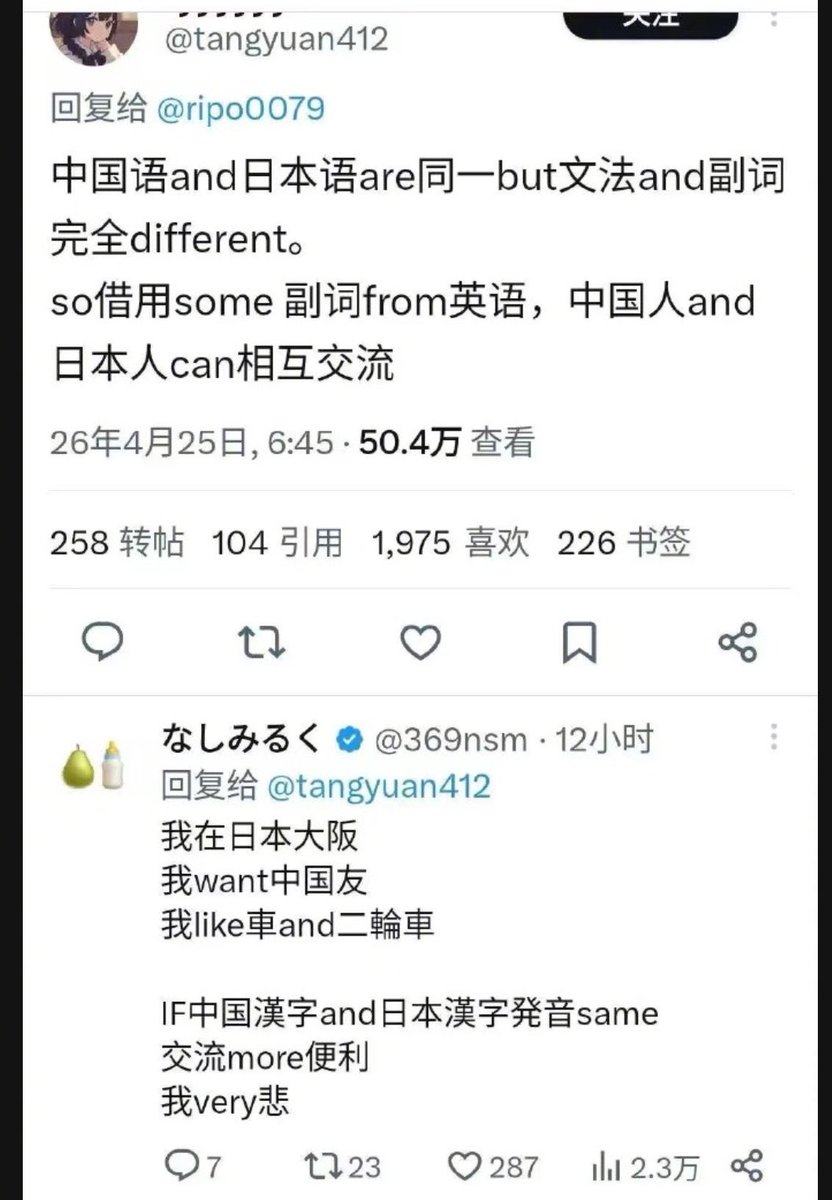
Usuarios de X de China y Japón, descubrieron que pueden comunicarse entre ellos reemplazando los adverbios y conjunciones de su idioma, ¡por los del inglés!
Esta imagen se ha vuelto viral porque muestra a internautas chinos y japoneses comunicándose por escrito a la perfección, sin saber el idioma del otro. ¿Cómo es posible?
El chino y el japonés comparten gran parte de sus ideogramas. Un turista chino en Japón puede entender el tema central de un periódico o un letrero porque el significado visual (la semántica) de los caracteres es prácticamente el mismo.
Sin embargo, aunque comparten vocabulario visual, la estructura es totalmente distinta. El chino funciona con un orden Sujeto-Verbo-Objeto (como el español), mientras que el japonés es Sujeto-Objeto-Verbo, además de usar partículas complejas.
Pero al descubrir que la diferencia principal entre el chino y el japonés está en los adverbios y las conjunciones, los reemplazaron con palabras en inglés, y pudieron crear oraciones que tanto los internautas chinos como los japoneses pueden entender.
Mira el primer mensaje de la imagen:
"中国语 and 日本语 are 同一 but 文法 and 副词 完全 different"
(El idioma chino Y el idioma japonés SON iguales PERO la gramática Y los adverbios son completamente DIFERENTES).
Al usar "and", "but" o "different", el cerebro de ambos usuarios se salta la barrera gramatical y solo conecta el significado puro de los caracteres.
El segundo usuario entiende a la perfección y le responde con la misma técnica, rematando con un lamento lingüístico:
"IF 中国漢字 and 日本漢字 発音 same, 交流 more 便利, 我 very 悲"
(SI los caracteres chinos Y los japoneses tuvieran la MISMA pronunciación, la comunicación sería MÁS conveniente. Estoy MUY triste).
Si estudias japonés o chino, ¿crees que esta técnica te sería de utilidad o solo lo verías como entretenimiento? 👇
#Kanji #Hanzi #AprenderJapones #AprenderChino #Linguistica #Yakurefu #Curiosidades #Nihongo #ChoqueCultural
Español

