Dr John Bahadur Lamb

32.2K posts

Dr John Bahadur Lamb banner
Dr John Bahadur Lamb

Dr John Bahadur Lamb

@SecuritySheep

@StaffsCJF_Dept Associate Professor. Tweets about National Security & Policing. Society for Terrorism Research Membership Chair. Tweets are my own views.

Stoke-on-Trent, England Katılım Haziran 2011
4.3K Takip Edilen2.4K Takipçiler
Dr John Bahadur Lamb retweetledi
BBC Breakfast
BBC Breakfast@BBCBreakfast·
Single-sex spaces - such as changing rooms and toilets - must be used on the basis of biological sex, new guidance from the equalities watchdog has confirmed. bbc.co.uk/news/articles/…
English
75
46
318
464.4K
Dr John Bahadur Lamb retweetledi
Think Defence
Think Defence@thinkdefence·
When British soldiers are being killed by Russian drones in a future conflict in Estonia because we can't afford proper counter drone equipment, the endless wailing and gnashing of teeth about the Red Arrows is going to look pretty fucking ridiculous
English
47
36
564
15.1K
Dr John Bahadur Lamb
Dr John Bahadur Lamb@SecuritySheep·
@cynicalbobby Don’t go sharing crazy new fangeled ideas! Next you’ll be suggesting that the public physically seeing police officers on patrol reduces crime…
English
0
0
1
23
CynicalBobby
CynicalBobby@cynicalbobby·
It’s almost like having a fixed police presence helps. Soooo some sort of thing where police officers are based. We could call it a station maybe. It’s a mad idea but it may just work,
City of London Police@CityPolice

Today we launch our Safer City Streets initiative. To mark the launch, we have unveiled a network of newly branded police boxes across the Square Mile, each featuring police officers who patrol the square mile on foot and bike. Read more ➡️cityoflondon.police.uk/news/city-of-l…

English
5
1
41
5.7K
Dr John Bahadur Lamb retweetledi
Steven Swinford
Steven Swinford@Steven_Swinford·
The Intelligence and Security Committee is taking the extraordinary step of tabling a UQ in the Commons today amid concerns over redactions to the Lord Mandelson files The ISC laid out serious concerns about the way the government has been conducting itself on Friday, effectively accusing it of censorship and putting national security at risk It hasn't had a response - so is going directly to the Commons to try to force the government's hand. Jeremy Wright, the former AG, is expected to lead on the debate for the debate for the ISC when/ if it is granted These are the issues at stake: *** The ISC says that it is applying the 'personal information' criteria 'far too broadly' and without any scrutiny. 'We note that no body has been commissioned to review these redactions and assure Parliament they are within the spirit of the Humble Address' *** It also accuses the Cabinet Office of withholding documents, including Mandelson's vetting file. While the ISC does not wish to see the vetting file - indeed it privately accepts that doing so would undermine the vetting system - it says the Government needs to return to Parliament and seek its agreement for withholding documents *** The ISC says that the level of government business conducted on WhatsApp is 'extraordinary'. 'Lengthy Whatsapp conversations between senior officials and ministers appear now to be the format by which Government policy is formulated' *** It says government departments - the FCDO in particular - are failing to keep proper records - agendas, minutes and records of conversations. 'This is unacceptable in government' *** Sensitive exchanges are being conducted on 'lower level' security systems, putting the UK's national security at risk. The ISC says it is 'appalling'
English
56
718
1.5K
231.3K
Dr John Bahadur Lamb retweetledi
RUSI
RUSI@RUSI_org·
'It is noteworthy that even while Russia is waging a difficult and exhausting war against Ukraine, it does not stop spending its limited resources on creating expensive infrastructure that has no significance for victory in that war, but is extremely necessary in the event of a prolonged conventional war with the West', writes Oleksandr V Danylyuk in the latest #RUSICommentary. rusi.org/explore-our-re…
English
8
87
185
25K
Dr John Bahadur Lamb retweetledi
Tymofiy Mylovanov
Tymofiy Mylovanov@Mylovanov·
NATO war game ended with Russia cutting off the Baltics in 24 hours — because Germany froze politically while the US stayed out. Retired Ukrainian Gen. Romanenko, playing Russia’s commander, says NATO’s biggest weakness was not troops but hesitation, FP. 1/
Tymofiy Mylovanov tweet media
English
164
1.1K
6.1K
635.5K
Dr John Bahadur Lamb retweetledi
Maxim Tucker
Maxim Tucker@MaxRTucker·
In Kyiv for @thetimes, I spoke to a Russian drone operator who walked six miles through a battlefield to defect to Ukraine. Not just any soldier — a member of Russia’s elite Rubicon drone unit. For weeks, he had been secretly talking to Ukrainian intelligence. 🧵 1/
Maxim Tucker tweet media
English
28
940
4.8K
447K
Dr John Bahadur Lamb retweetledi
TimOnPoint
TimOnPoint@TimOnPoint·
Yes, yes, yes, combined arms and all that... I read these opinion pieces being published by West Point and I wonder if these well-credentialed authors have really been paying attention. *The article was written by Canadian tankers btw. Drones are NOT just the "next TOW." Why? 1. Remote UAS controller not at risk: A TOW or Javelin team is right there in the line of fire (or at least line-of-sight vulnerable). An FPV pilot can be kilometers back, often in a dugout or even further with fiber-optic relays. This removes the “suicide mission” calculus that limited massed ATGM use. Ukrainian operators routinely cycle through dozens of sorties per day from relative safety. 2. Cost differential & scalability: A heavy FPV runs ~$500–1,200. A T-90M is ~$3.8–4.5 million. Russian analysts themselves ran the numbers in early 2026: one T-90M = ~3,200 heavy FPVs; one BMP-3 = ~870. Ukrainian FPVs have accounted for an estimated 50–65% of Russian tank losses as of early 2025 (Forbes/OSINT tracking), with some T-90M batches showing ~50% of kills as final FPV strikes. Even at a pessimistic 20–43% hit rate per sortie (per Ukrainian veteran accounts), you’re still talking single-digit thousands of dollars to mission-kill a multimillion-dollar vehicle. TOWs/Javelins never offered that exchange ratio at scale. 3. Drones can (in fact) hold ground: We’re just entering the nightmare phase now. Right now drones excel at denial (exactly what the article says—they restrict mobility without controlling terrain). But with fiber-optic, AI/autonomous navigation, and loitering munitions, we’re already seeing the shift to persistent presence. Autonomous “last-mile” navigation has pushed success rates from ~10–30% to 70–80% by cutting out constant radio links and operator skill ceilings. Swarms + AI target recognition + reusable platforms (some Ukrainian systems now resupply themselves) start looking like cheap, attritable area-denial forces that don’t need 24/7 human babysitting. We’re not there for true “holding” yet, but the trajectory is clear and the article underplays it. 4. Automation - human-in-the-loop obsolescence: Already happening faster than most Western armies admit. Fiber-optic drones are unjammable; AI-enabled ones handle navigation and terminal guidance independently. Ukrainian sources in 2025–2026 report this is slashing both drone losses and required operator skill. The article’s “evolutionary” framing treats this as just better guidance systems. It’s not—it’s the removal of the vulnerable link that made past guided weapons (TOW, Hellfire, etc.) manpower-intensive and detectable. 5. Area denial is insanely economical in manpower & cost: One well-trained FPV section (a handful of operators + production teams) can paralyze a mechanized battalion’s movement. Compare that to the crew, logistics, and fuel for equivalent ATGM teams or attack helicopters. Russian analysts themselves are now questioning whether tanks remain cost-effective precisely because of this. 6. Skill curve: Training a competent FPV pilot takes weeks. A tank crew or even a Javelin gunner takes months/years plus expensive platforms for live-fire practice. Ukraine has flooded the battlespace with operators from a civilian gamer/drone-racing pool. The article notes that poorly trained crews suffer more, but the flip side is that anyone can become a lethal drone operator extremely quickly. That’s not true for traditional mechanized warfare. 7. Dev cycle speed: Attritable = sprint. Bespoke = crawl. FPV airframes, warheads, EW countermeasures, and AI modules are iterating in weeks/months because losing a $700 drone is trivial. Tank armor packages, APS, or new IFV designs take years and billions. Ukraine’s drone ecosystem (modular 7–10 inch FPVs that can swap ISR/strike/relay roles on the fly) proves this. The article acknowledges rapid advance but treats it as historically normal. It isn’t—not at this price point and iteration speed. *The authors correctly note that drones have helped create a static, attritional battlefield reminiscent of 1916. Where they err is in presenting this as a failure of drone warfare or proof that "combined arms" simply needs better integration. For the defender—Ukraine, outgunned in traditional metrics—this stasis is the win. Drones didn't just deny maneuver to the attacker; they made large-scale Russian armored advances prohibitively expensive in blood and treasure, freezing the front and preserving Ukrainian sovereignty. A static line where your country still exists is not "limited strategic effect." It is survival against long odds. History's tank-killers (Saggers, TOWs, Javelins) never achieved this scale of denial at this cost ratio. Drones did. The Cold War and GWOT are gone people. Adjust your thinking.
TimOnPoint tweet media
English
44
119
622
58.7K
Dr John Bahadur Lamb retweetledi
Sohail Ahmed
Sohail Ahmed@ahmedsohail·
I attended the Unite The Kingdom rally today to do interviews with participants and understand, in their own words, why they were there. While I found some of the speakers addressing the rally genuinely abhorrent, the people I spoke to were quite decidedly… not. (1/7)
English
203
89
1.1K
1M
Dr John Bahadur Lamb retweetledi
Brivael Le Pogam
Brivael Le Pogam@brivael·
Aujourd'hui je déconstruis la déconstruction. La déconstruction est le virus mental le plus efficace jamais conçu contre une civilisation. Il a été fabriqué en France entre 1966 et 1980 par trois hommes : Foucault, Derrida, Deleuze. Il a été exporté aux États-Unis, hybridé avec le puritanisme racial américain, et il est revenu trente ans plus tard sous le nom de wokisme paralyser l'Occident entier. Voici comment il fonctionne, et pourquoi il faut le détruire. La thèse est simple. Toute vérité n'est qu'un rapport de pouvoir déguisé. Tout texte sacré, toute loi, toute science, toute norme, toute hiérarchie, toute identité, toute institution cache en réalité une domination. Déconstruire, c'est montrer le rapport de force sous le vernis du vrai. C'est arracher le masque. C'est "démasquer". Formulé comme ça, ça paraît inoffensif. Voire utile. Qui n'aime pas un peu d'esprit critique ? Le piège est là. La déconstruction se présente comme une méthode. Elle est en réalité une ontologie. Elle ne dit pas seulement "interrogeons les normes", elle dit "il n'y a *que* des rapports de pouvoir". La différence est civilisationnelle. Une société qui interroge ses normes reste debout. Une société qui croit que ses normes ne sont *rien d'autre* que de la domination s'effondre. Parce qu'elle ne peut plus rien défendre. Plus une frontière, plus une loi, plus une science, plus une langue, plus une histoire, plus une biologie, plus une famille. Tout devient suspect. Tout devient négociable. Tout devient "construit donc déconstructible". C'est la première raison pour laquelle c'est un virus. Il s'auto-réplique. Une fois inoculé, il transforme tout ce qu'il touche en cible. La science est patriarcale, donc déconstruisons-la. Le langage est colonial, donc réinventons-le. La méritocratie est raciste, donc abolissons-la. Le sexe est une construction, donc choisissons-le. Il n'y a plus de roc. Tout est sable. Deuxième raison. Le virus est *non-falsifiable*. Si vous défendez une norme, c'est que vous êtes l'oppresseur. Si vous niez être oppresseur, c'est la preuve de votre privilège inconscient. Si vous citez des faits, vos faits sont contaminés par le pouvoir qui les a produits. Si vous citez la raison, la raison elle-même est blanche, masculine, occidentale. Il n'y a aucune sortie possible. Le système est conçu pour rendre toute objection irrecevable par définition. C'est exactement la structure d'une secte. Et c'est exactement ce qui s'est installé dans les universités, les RH, les médias, les administrations, les conseils d'administration depuis vingt ans. Troisième raison. Le virus s'auto-réfute mais ne s'auto-détruit pas. Si toute vérité est pouvoir, alors la phrase "toute vérité est pouvoir" est elle-même du pouvoir, donc sans valeur. Logiquement, la déconstruction se mord la queue dès la première phrase. Mais elle s'en moque. Parce qu'elle n'a jamais cherché la cohérence. Elle cherche l'efficacité politique. Et son efficacité politique est immense. Elle désarme ses ennemis et arme ses militants. Elle paralyse le défenseur et libère l'attaquant. C'est une arme asymétrique parfaite. Quatrième raison. Le virus produit des humains diminués. Une génération entière a appris à déconstruire et n'a jamais appris à construire. Elle sait soupçonner, jamais admirer. Elle voit le pouvoir partout et la beauté nulle part. Elle peut produire mille pages sur le caractère opprimant de Shakespeare et zéro ligne qui vaille la peine d'être lue dans cent ans. Elle a confondu l'intelligence critique avec la pose critique. Elle est stérile par construction. Un esprit nourri à la déconstruction est un esprit qui ne sait plus rien édifier. Cinquième raison, la plus grave. Une civilisation se tient debout sur trois piliers. La croyance qu'une vérité est accessible à la raison. La croyance qu'un bien se distingue d'un mal. La croyance qu'un héritage mérite d'être transmis. La déconstruction a méthodiquement dynamité les trois. Pas par méchanceté. Par jeu intellectuel, par fascination du soupçon, par haine de la bourgeoisie qui avait nourri ses prophètes. Mais le résultat est là. Une civilisation qui ne croit plus en sa vérité, ni en son bien, ni en son héritage ne se défend pas. Elle s'excuse en attendant la fin. Voilà ce qu'on a fait. Voilà ce qu'il faut nommer. La bonne nouvelle, c'est qu'un virus mental ne survit que tant qu'on lui cède l'autorité du discours. Il meurt dès qu'on cesse de jouer son jeu. Dès qu'on réaffirme tranquillement qu'il existe une vérité, un beau, un bien, un héritage. Dès qu'on cesse de demander la permission aux déconstructeurs pour bâtir. Dès qu'on refait. Dès qu'on transmet. Dès qu'on crée. Les bâtisseurs ont toujours le dernier mot sur les commentateurs. Toujours. Parce qu'à la fin il reste ce qui est construit, et rien de ce qui a été déconstruit. Alors aujourd'hui je déconstruis la déconstruction. Et demain je construis.
Brivael Le Pogam@brivael

Je veux présenter mes excuses, au nom des Français, pour avoir enfanté la French Theory (qui a enfanté la pire des merdes idéologiques : le wokisme). Nous avons donné au monde Descartes, Pascal, Tocqueville. Et puis, dans les ruines intellectuelles de l'après-68, nous avons donné Foucault, Derrida, Deleuze. Trois hommes brillants qui ont fabriqué, dans l'élégance de notre langue, l'arme idéologique qui paralyse aujourd'hui l'Occident. Il faut comprendre ce qu'ils ont fait. Foucault a enseigné que la vérité n'existe pas, qu'il n'y a que des rapports de pouvoir déguisés en savoir. Que la science, la raison, la justice, l'institution médicale, l'école, la prison, la sexualité, tout n'est qu'une mise en scène de la domination. Derrida a enseigné que les textes n'ont pas de sens stable, que tout signifiant glisse, que toute lecture est une trahison, que l'auteur est mort et que le lecteur règne. Deleuze a enseigné qu'il fallait préférer le rhizome à l'arbre, le nomade au sédentaire, le désir à la loi, le devenir à l'être, la différence à l'identité. Pris isolément, ce sont des thèses discutables. Combinées, exportées, vulgarisées, elles forment un système. Et ce système est un poison. Car voici ce qui s'est passé. Ces textes, illisibles en France, ont traversé l'Atlantique. Les départements de Yale, de Berkeley, de Columbia les ont absorbés dans les années 80. Ils y ont trouvé un terreau qui n'existait pas chez nous : le puritanisme américain, sa culpabilité raciale, son obsession identitaire. La French Theory s'est mariée à ce substrat, et l'enfant de ce mariage s'appelle le wokisme. Judith Butler lit Foucault et invente le genre performatif. Edward Said lit Foucault et invente le post-colonialisme académique. Kimberlé Crenshaw hérite du cadre et invente l'intersectionnalité. À chaque étape, la matrice est française : il n'y a pas de vérité, il n'y a que du pouvoir, donc toute hiérarchie est suspecte, toute institution est oppressive, toute norme est violence, toute identité est construite donc négociable, toute majorité est coupable. Voilà comment trois philosophes parisiens, qui n'ont probablement jamais imaginé leurs conséquences pratiques, ont fourni le logiciel d'exploitation à une génération entière d'activistes, de bureaucrates universitaires, de DRH, de journalistes, de législateurs. Voilà comment on a obtenu une civilisation qui ne sait plus dire si une femme est une femme, si sa propre histoire mérite d'être défendue, si le mérite existe, si la vérité se distingue de l'opinion. C'est de la merde pour une raison simple, et il faut la dire calmement. Une civilisation se tient debout sur trois piliers : la croyance qu'il existe une vérité accessible à la raison, la croyance qu'il existe un bien distinct du mal, la croyance qu'il existe un héritage à transmettre. La French Theory a entrepris de dynamiter les trois. Pas par méchanceté. Par jeu intellectuel, par fascination du soupçon, par haine de la bourgeoisie qui les avait nourris. Mais le résultat est là. Une génération entière a appris à déconstruire et n'a jamais appris à construire. Une génération entière sait soupçonner et ne sait plus admirer. Une génération entière voit le pouvoir partout et la beauté nulle part. Je m'excuse parce que nous, Français, avons une responsabilité particulière. C'est notre langue, nos universités, nos éditeurs, notre prestige qui ont donné à ce nihilisme son emballage chic. Sans la légitimité de la Sorbonne et de Vincennes, ces idées n'auraient jamais traversé l'océan. Nous avons exporté le doute comme d'autres exportent des armes. Ce qui se construit maintenant, en silicon valley, dans les labos d'IA, dans les startups, dans les ateliers, dans tous les lieux où des gens fabriquent encore des choses au lieu de les déconstruire, c'est la réponse. Une civilisation se reconstruit par les bâtisseurs, pas par les commentateurs. Par ceux qui croient que la vérité existe et qu'elle vaut qu'on s'y consacre. Par ceux qui assument une hiérarchie du beau, du vrai, du bon, et qui n'ont pas honte de la transmettre. Alors pardon. Et au travail.

Français
932
5.8K
18.1K
4.8M
Dr John Bahadur Lamb retweetledi
Brivael Le Pogam
Brivael Le Pogam@brivael·
Je veux présenter mes excuses, au nom des Français, pour avoir enfanté la French Theory (qui a enfanté la pire des merdes idéologiques : le wokisme). Nous avons donné au monde Descartes, Pascal, Tocqueville. Et puis, dans les ruines intellectuelles de l'après-68, nous avons donné Foucault, Derrida, Deleuze. Trois hommes brillants qui ont fabriqué, dans l'élégance de notre langue, l'arme idéologique qui paralyse aujourd'hui l'Occident. Il faut comprendre ce qu'ils ont fait. Foucault a enseigné que la vérité n'existe pas, qu'il n'y a que des rapports de pouvoir déguisés en savoir. Que la science, la raison, la justice, l'institution médicale, l'école, la prison, la sexualité, tout n'est qu'une mise en scène de la domination. Derrida a enseigné que les textes n'ont pas de sens stable, que tout signifiant glisse, que toute lecture est une trahison, que l'auteur est mort et que le lecteur règne. Deleuze a enseigné qu'il fallait préférer le rhizome à l'arbre, le nomade au sédentaire, le désir à la loi, le devenir à l'être, la différence à l'identité. Pris isolément, ce sont des thèses discutables. Combinées, exportées, vulgarisées, elles forment un système. Et ce système est un poison. Car voici ce qui s'est passé. Ces textes, illisibles en France, ont traversé l'Atlantique. Les départements de Yale, de Berkeley, de Columbia les ont absorbés dans les années 80. Ils y ont trouvé un terreau qui n'existait pas chez nous : le puritanisme américain, sa culpabilité raciale, son obsession identitaire. La French Theory s'est mariée à ce substrat, et l'enfant de ce mariage s'appelle le wokisme. Judith Butler lit Foucault et invente le genre performatif. Edward Said lit Foucault et invente le post-colonialisme académique. Kimberlé Crenshaw hérite du cadre et invente l'intersectionnalité. À chaque étape, la matrice est française : il n'y a pas de vérité, il n'y a que du pouvoir, donc toute hiérarchie est suspecte, toute institution est oppressive, toute norme est violence, toute identité est construite donc négociable, toute majorité est coupable. Voilà comment trois philosophes parisiens, qui n'ont probablement jamais imaginé leurs conséquences pratiques, ont fourni le logiciel d'exploitation à une génération entière d'activistes, de bureaucrates universitaires, de DRH, de journalistes, de législateurs. Voilà comment on a obtenu une civilisation qui ne sait plus dire si une femme est une femme, si sa propre histoire mérite d'être défendue, si le mérite existe, si la vérité se distingue de l'opinion. C'est de la merde pour une raison simple, et il faut la dire calmement. Une civilisation se tient debout sur trois piliers : la croyance qu'il existe une vérité accessible à la raison, la croyance qu'il existe un bien distinct du mal, la croyance qu'il existe un héritage à transmettre. La French Theory a entrepris de dynamiter les trois. Pas par méchanceté. Par jeu intellectuel, par fascination du soupçon, par haine de la bourgeoisie qui les avait nourris. Mais le résultat est là. Une génération entière a appris à déconstruire et n'a jamais appris à construire. Une génération entière sait soupçonner et ne sait plus admirer. Une génération entière voit le pouvoir partout et la beauté nulle part. Je m'excuse parce que nous, Français, avons une responsabilité particulière. C'est notre langue, nos universités, nos éditeurs, notre prestige qui ont donné à ce nihilisme son emballage chic. Sans la légitimité de la Sorbonne et de Vincennes, ces idées n'auraient jamais traversé l'océan. Nous avons exporté le doute comme d'autres exportent des armes. Ce qui se construit maintenant, en silicon valley, dans les labos d'IA, dans les startups, dans les ateliers, dans tous les lieux où des gens fabriquent encore des choses au lieu de les déconstruire, c'est la réponse. Une civilisation se reconstruit par les bâtisseurs, pas par les commentateurs. Par ceux qui croient que la vérité existe et qu'elle vaut qu'on s'y consacre. Par ceux qui assument une hiérarchie du beau, du vrai, du bon, et qui n'ont pas honte de la transmettre. Alors pardon. Et au travail.
Français
4.1K
20.8K
71K
55.1M
RiTTchie Clarke 🏍 🐶 🏉 🎸 🍻
Saw one of these today. It had proper old skool hot hatch Renault 5 Turbo vibes about it…. Then I realised it was an EV. Oh do fuck off. It’s no wonder testosterone levels are falling.
RiTTchie Clarke 🏍 🐶 🏉 🎸 🍻 tweet media
English
1
0
4
73
Dr John Bahadur Lamb
Dr John Bahadur Lamb@SecuritySheep·
@historyinmemes Nobody talks about this. All Brits are sworn to utmost secrecy. Archaeology shows it was to do with Giants and Dragons. Revealing the truth could undo the work and end the world so 🤫
English
1
0
1
643
Historic Vids
Historic Vids@historyinmemes·
Why does Scotland have a giant line cutting through it? That’s the Great Glen Fault — a massive ancient fracture in the Earth’s crust formed around 400 million years ago during the collision of tectonic plates. The Great Glen Fault formed during the Caledonian Orogeny, roughly 420 to 390 million years ago, when ancient continents collided as the Iapetus Ocean closed. This immense tectonic collision created a vast mountain range stretching across what is now Scotland and fractured the Earth’s crust into major fault systems. One of the largest of these was the Great Glen Fault, a massive strike-slip fault where huge blocks of rock shifted past one another. The same mountain-building event also helped create the ancient Appalachian Mountains in North America, which were once connected to the Scottish and Scandinavian Highlands before the Atlantic Ocean existed. Scotland and parts of North America were once part of the same continuous mountain chain. Later, during the formation and breakup of Pangaea, new tectonic stresses reactivated the fault zone. Although this activity did not form new mountains in Scotland, it kept the structure geologically active and weakened over millions of years. Erosion eventually exploited this weakened line in the crust, carving out the long, straight valley now known as the Great Glen. The valley contains Loch Ness, Loch Oich, and Loch Lochy, and remains one of the clearest visible reminders of the ancient continental collisions that once linked Scotland to the Appalachian region of North America.
Historic Vids tweet media
English
70
293
1.7K
140.3K
Dr John Bahadur Lamb
Dr John Bahadur Lamb@SecuritySheep·
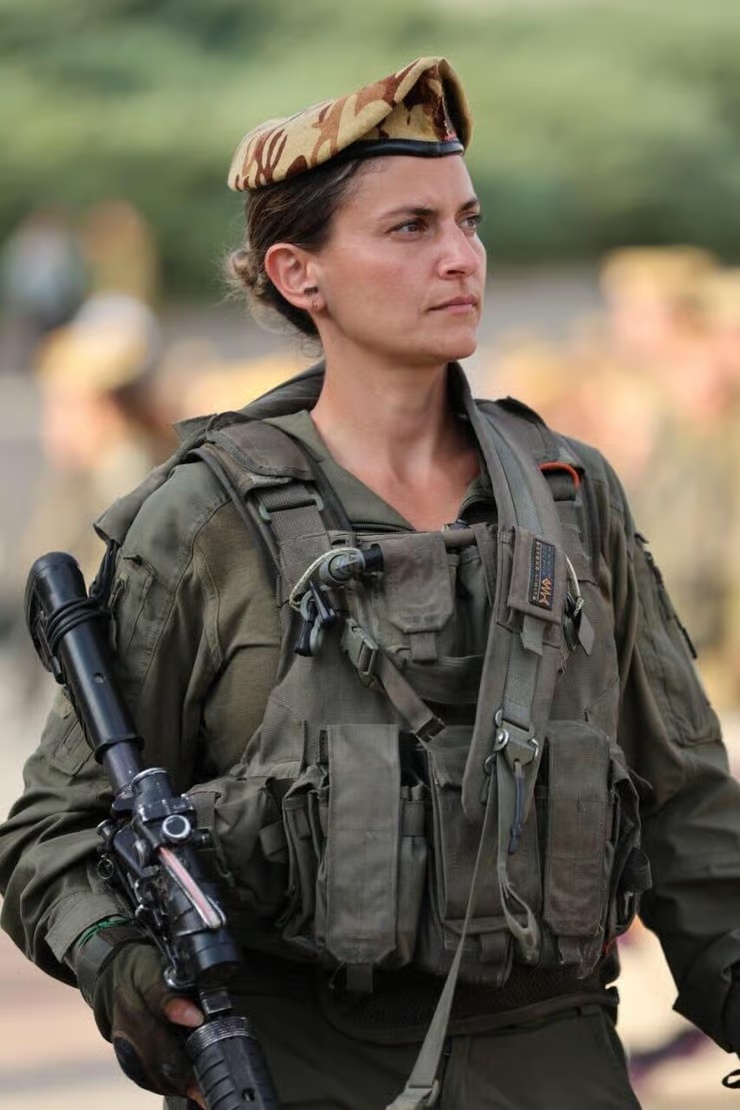
What. A. Hero! Can I be 10% as cool as her?!
Rabbi Poupko@RabbiPoupko

That is Lieutenant Colonel Or Ben Yehuda, commander of the CARACAL unit near Gaza. On the morning of October 7th, she opened her eyes and saw Hamas in front of her. “I look up at the sky, then lower my head again, glance to the side, and there are maybe five pickup trucks coming toward me, full of motorcycle riders. There are terrorists leaping between the sand dunes and the trees, all of them wearing vests and uniforms, moving in our direction, and I can’t even count them properly with my eyes. It’s hundreds. Hundreds. And farther back, on the distant road, I see columns of Gazan civilians simply walking toward us, some armed, some not. And I say to myself: ‘That’s it. This is where I die. Right here, exactly where I’m standing now. This is where I die.’ Then I said to myself: Fine. If this is the end, then I’ll end it well. I’ll die with honor. I’ll do the best I can. And I’ll fight until my very last drop of blood. So I turn to my soldiers, a group of twelve heroic fighters waiting for me to tell them what to do. I turn to them with half a smile. Later, they told me I smiled; I didn’t remember it. And I tell them: ‘Come on, let’s tear them apart!’ And they all shout back: ‘Yalla!!!’ They come to the embankment with machine guns, with everything they can carry, and we position ourselves there and start firing at everyone approaching the outpost. We’re shooting like mad. At some point, we had a LAU missile with us, so we fired it at one of the Hamas pickup trucks. The truck exploded in a massive blast, something unbelievable. There must have been huge amounts of explosives inside, and the explosion took several of the motorcycle riders with it. And little by little, I suddenly realize many of them are beginning to retreat, turn around, and flee back the way they came. And suddenly I understood: yes, we’re doing something significant here. We were there for about half an hour, and then, in the middle of all the chaos, I suddenly hear the tracks of a tank behind me. It was an unbelievable sigh of relief. I told my deputy company commander: ‘Stay here! I don’t know whose tank this is — I’m going to get it!’ It was already around eleven o’clock. I start moving backward, advancing toward the tank through the concrete barriers, and suddenly I realize a terrorist is jumping at me from point-blank range, and in another second, he would’ve been hugging me. And my luck was that I already had a round in the chamber and my finger on the trigger. It was literally a question of who shoots first, and I shot first. The terrorist collapsed in front of me. And I froze for a moment, like, what was that? What just happened? Then I hear my deputy commander yelling from behind me: ‘Commander! Commander! Are you okay?’ I look at myself, I’m okay. I turn back toward him and signal with my hand: everything’s under control. He runs up after me, looks at me, and says, ‘What… what just happened between you two?’ And I tell him: ‘Exactly what’s going through your head right now.’ But the tank! I remember — I can’t let it leave. We need it. I ran quickly toward it, and because I’m used to working with my tank crews, I started signaling to them in tank hand signals: ‘Terrorists there, behind me, do this, shell over there!’ And he’s with us, he understands immediately. And for the first time, I suddenly have additional force joining me. We make some kind of flanking maneuver, take up a strong position, and simply fire toward wherever the terrorists are coming from. We keep firing and firing, and they start pulling back. And I understand — all of us understand — that if we don’t continue fighting right now, those terrorists will get past us and reach all the communities behind us. At a certain point, my deputy commander and his radio operator are hit by an RPG and collapse to the ground. So we pull them out of there. Then I call friends of mine who are pilots flying Yasur and Yanshuf helicopters, and I ask them to come land at the helipad near the outpost, because I’ve evacuated wounded soldiers there and I need them to clear our casualties out. And it actually happens. They arrive, they land, and they evacuate the wounded for me. Meanwhile, my medical unit is there the entire time treating casualties, loading them up, evacuating them to the helipad. We managed to bring there the wounded from the APC we had seen, the wounded from our battalion, and several civilians we picked up along the way — people who escaped from Kibbutz Sufa, from Pri Gan, and from other places. They all received treatment from my incredible medical team — those angels — and the helicopters I called in evacuated them to Soroka Hospital, where they finally received proper care. There were also many dead in that battle. There were dead. And I remember one moment at the end, when everything was over, just minutes before they came to evacuate the bodies. There was a moment when they were lying there side by side, and I walked between them, gently touching their faces, stroking them softly, telling them I was sorry, and closing their eyes. And I remember telling myself in that moment that those people, who were now making their final journey, were unbelievable heroes. They fought there like lions to save Kibbutz Sufa. They fought until their last drop of blood." From Or's book 'book One Day in October'.

English
0
0
0
69
Dr John Bahadur Lamb retweetledi
Rabbi Poupko
Rabbi Poupko@RabbiPoupko·
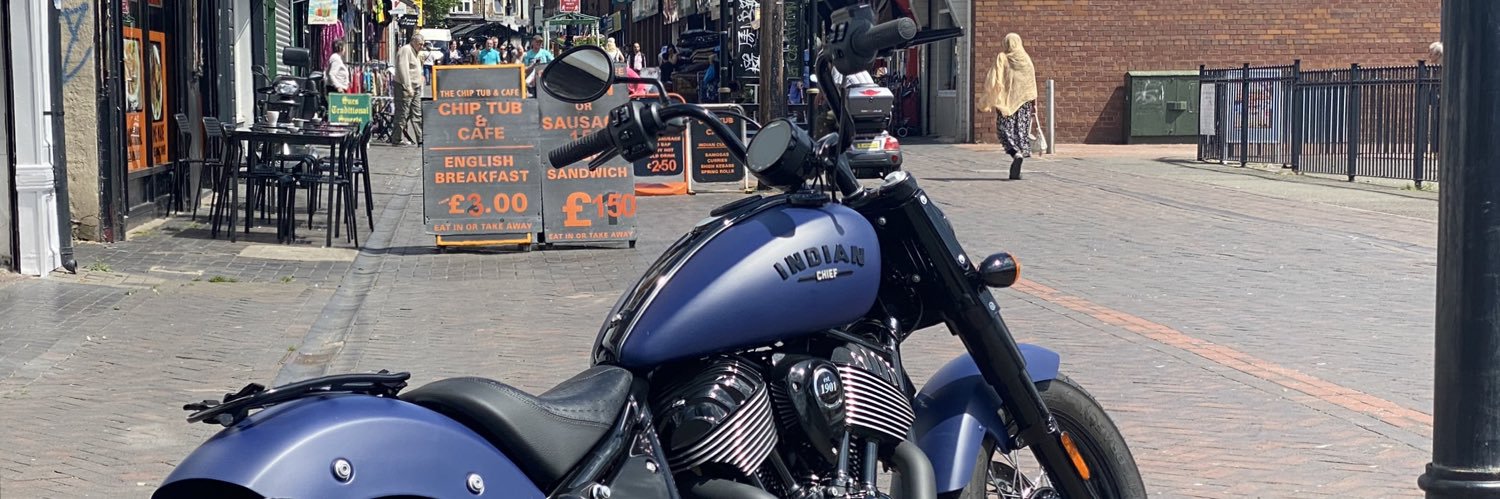
That is Lieutenant Colonel Or Ben Yehuda, commander of the CARACAL unit near Gaza. On the morning of October 7th, she opened her eyes and saw Hamas in front of her. “I look up at the sky, then lower my head again, glance to the side, and there are maybe five pickup trucks coming toward me, full of motorcycle riders. There are terrorists leaping between the sand dunes and the trees, all of them wearing vests and uniforms, moving in our direction, and I can’t even count them properly with my eyes. It’s hundreds. Hundreds. And farther back, on the distant road, I see columns of Gazan civilians simply walking toward us, some armed, some not. And I say to myself: ‘That’s it. This is where I die. Right here, exactly where I’m standing now. This is where I die.’ Then I said to myself: Fine. If this is the end, then I’ll end it well. I’ll die with honor. I’ll do the best I can. And I’ll fight until my very last drop of blood. So I turn to my soldiers, a group of twelve heroic fighters waiting for me to tell them what to do. I turn to them with half a smile. Later, they told me I smiled; I didn’t remember it. And I tell them: ‘Come on, let’s tear them apart!’ And they all shout back: ‘Yalla!!!’ They come to the embankment with machine guns, with everything they can carry, and we position ourselves there and start firing at everyone approaching the outpost. We’re shooting like mad. At some point, we had a LAU missile with us, so we fired it at one of the Hamas pickup trucks. The truck exploded in a massive blast, something unbelievable. There must have been huge amounts of explosives inside, and the explosion took several of the motorcycle riders with it. And little by little, I suddenly realize many of them are beginning to retreat, turn around, and flee back the way they came. And suddenly I understood: yes, we’re doing something significant here. We were there for about half an hour, and then, in the middle of all the chaos, I suddenly hear the tracks of a tank behind me. It was an unbelievable sigh of relief. I told my deputy company commander: ‘Stay here! I don’t know whose tank this is — I’m going to get it!’ It was already around eleven o’clock. I start moving backward, advancing toward the tank through the concrete barriers, and suddenly I realize a terrorist is jumping at me from point-blank range, and in another second, he would’ve been hugging me. And my luck was that I already had a round in the chamber and my finger on the trigger. It was literally a question of who shoots first, and I shot first. The terrorist collapsed in front of me. And I froze for a moment, like, what was that? What just happened? Then I hear my deputy commander yelling from behind me: ‘Commander! Commander! Are you okay?’ I look at myself, I’m okay. I turn back toward him and signal with my hand: everything’s under control. He runs up after me, looks at me, and says, ‘What… what just happened between you two?’ And I tell him: ‘Exactly what’s going through your head right now.’ But the tank! I remember — I can’t let it leave. We need it. I ran quickly toward it, and because I’m used to working with my tank crews, I started signaling to them in tank hand signals: ‘Terrorists there, behind me, do this, shell over there!’ And he’s with us, he understands immediately. And for the first time, I suddenly have additional force joining me. We make some kind of flanking maneuver, take up a strong position, and simply fire toward wherever the terrorists are coming from. We keep firing and firing, and they start pulling back. And I understand — all of us understand — that if we don’t continue fighting right now, those terrorists will get past us and reach all the communities behind us. At a certain point, my deputy commander and his radio operator are hit by an RPG and collapse to the ground. So we pull them out of there. Then I call friends of mine who are pilots flying Yasur and Yanshuf helicopters, and I ask them to come land at the helipad near the outpost, because I’ve evacuated wounded soldiers there and I need them to clear our casualties out. And it actually happens. They arrive, they land, and they evacuate the wounded for me. Meanwhile, my medical unit is there the entire time treating casualties, loading them up, evacuating them to the helipad. We managed to bring there the wounded from the APC we had seen, the wounded from our battalion, and several civilians we picked up along the way — people who escaped from Kibbutz Sufa, from Pri Gan, and from other places. They all received treatment from my incredible medical team — those angels — and the helicopters I called in evacuated them to Soroka Hospital, where they finally received proper care. There were also many dead in that battle. There were dead. And I remember one moment at the end, when everything was over, just minutes before they came to evacuate the bodies. There was a moment when they were lying there side by side, and I walked between them, gently touching their faces, stroking them softly, telling them I was sorry, and closing their eyes. And I remember telling myself in that moment that those people, who were now making their final journey, were unbelievable heroes. They fought there like lions to save Kibbutz Sufa. They fought until their last drop of blood." From Or's book 'book One Day in October'.
Rabbi Poupko tweet media
English
368
2.3K
9.7K
288.9K
Dr John Bahadur Lamb retweetledi
Maxi
Maxi@AllForProgress_·
In a workshop on the outskirts of Bletchley (it had to be there, didn't it), on the 26th of March this year, a small British company called Pulsar Fusion did something that has not been done by any other company or government on Earth. It ignited a controlled plasma inside the test chamber of a working nuclear fusion rocket engine. The plasma held, along with the chamber. The fusion reaction was the kind of reaction that, contained inside a sufficiently engineered magnetic bottle, will one day take a crewed British vehicle to Mars in 30 days rather than 8 months, and that will, within the working lifetime of the engineers presently building it, make the outer planets of the solar system accessible to anyone with a British passport. The geography of the achievement deserves a longer moment of pause. Bletchley, in 1942, was where Alan Turing and his colleagues broke the Enigma cipher and almost certainly shortened the war in Europe by two years. Pulsar Fusion's headquarters sits roughly 600 yards from the Hut where they did it. The country that did the maths inside that hut has just, less than a mile down the road, ignited the plasma that could power the next century of human space travel. There is a continuity of British scientific lineage here that is, on the face of it, almost embarrassingly providential, and it is almost completely unreported in the British press. It's not quite Kitty-Hawk-to-the-moon in 61 years, but it's close. Like so many great companies of profound importance, Pulsar Fusion is pretty small. It was founded in 2013, and employs around 50 staff. Its chief executive, Richard Dinan, is a working British physicist who has spent the last decade quietly assembling the team and the capital to do what the world's national space agencies have been promising for 60 years and consistently failing to deliver. The competing American programmes, principally at NASA's Glenn Research Center and at the Princeton Plasma Physics Laboratory, are years behind on the propulsion side. The competing Chinese programmes are obscure but, on what is known publicly, also behind. The European Space Agency is, as ever, organising a workshop. Pulsar fired its plasma in March and has been preparing the next-stage tests in the months since. What this kind of capability means, when commercialised, is genuinely vast. The economic argument for getting a payload to Mars in 30 days rather than 8 months is not principally about the human passengers, though there is one. It is about cargo. Given a 30-day transit, Mars becomes a logistically tractable destination for the kind of infrastructure-build that turns it from a flag-planting science mission into a working industrial site. The argument for the outer planets is even larger. The asteroid belt alone, on conservative mineralogical estimates, contains more economically viable platinum-group metals than the entire crust of the Earth has been mined for in industrial history. The first country with reliable fusion propulsion is the first country with reliable access to that supply. The country that holds that capacity, fifty years from now, will be holding the most consequential industrial advantage of the 21st century, and there is no obvious second prize. The standard British response to this kind of thing is to either ignore it entirely, sell the company to an American buyer at series B (the DeepMind path) for fire-sale prices, or fund it at the level of a Whitehall departmental tea and coffee budget (the Skycutter and Orbex paths). The standard British response will not be sufficient. Pulsar Fusion needs the kind of patient capital that turns a working demonstration into an operational engine, and that, in turn, into a manufacturing capability. The British state, on present form, is structurally incapable of providing it, British pension funds are structurally incapable of investing in it, and the British political class will, on present form, only notice if it somehow manages to swing a leadership election. I wantt= Pulsar Fusion treated as a national-strategic asset, and beyond that as a potential subject of national destiny. The Sovereign AI Fund that backed Ineffable Intelligence has a clear template. The Prosperity Zone programme we designed at Progress that anchors heavy industry at SaxaVord and Teesside has the geographic flexibility to include a fusion-propulsion cluster in Buckinghamshire, six miles from the most evocative site in modern British scientific history. The procurement architecture of every major British defence and space agency should, from this autumn, be writing offtake contracts contingent on Pulsar's milestones. There's nothing extreme about these ideas. We could have been doing it decades ago. I always conceived of Britain as being as much among the stars as it is on Earth. To buy into the idea of Britain as a culture and polity is necessarily to buy into the concept of the human being as an illimitable force. Our history is littered with happy instances of people of great fortitude hitting upon obstacles and, with a cry of "This will not stop us", clearing the way for our brothers and sisters to follow through. A small British company in Bletchley has, while nobody was looking, extended that arm of our tradition, by accomplishing one of the most important pieces of scientific engineering of the decade. The country that produced them is, in a measurable sense, the same country that produced the Bombe, the Colossus, the jet engine, the structure of DNA, and the World Wide Web. The capacity is intact. The political class capable of recognising it must catch up, and will.
Maxi tweet media
English
93
340
1.6K
249.4K