Darío Solís-Sayago

142 posts

Darío Solís-Sayago banner
Darío Solís-Sayago

Darío Solís-Sayago

@SolisSayago

Immunology & Medicine

Katılım Temmuz 2022
291 Takip Edilen112 Takipçiler
Darío Solís-Sayago retweetledi
Memorial Sloan Kettering Cancer Center
MSK researchers and their collaborators have developed a new type of CAR T cell designed to target a cell surface protein called uPAR, which is found on cancer cells as well as supportive cells in the tumor microenvironment. (1/3)
Memorial Sloan Kettering Cancer Center tweet media
English
3
23
142
15.3K
Darío Solís-Sayago retweetledi
Bo Wang
Bo Wang@BoWang87·
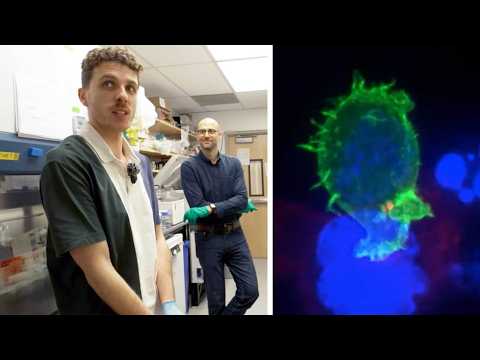
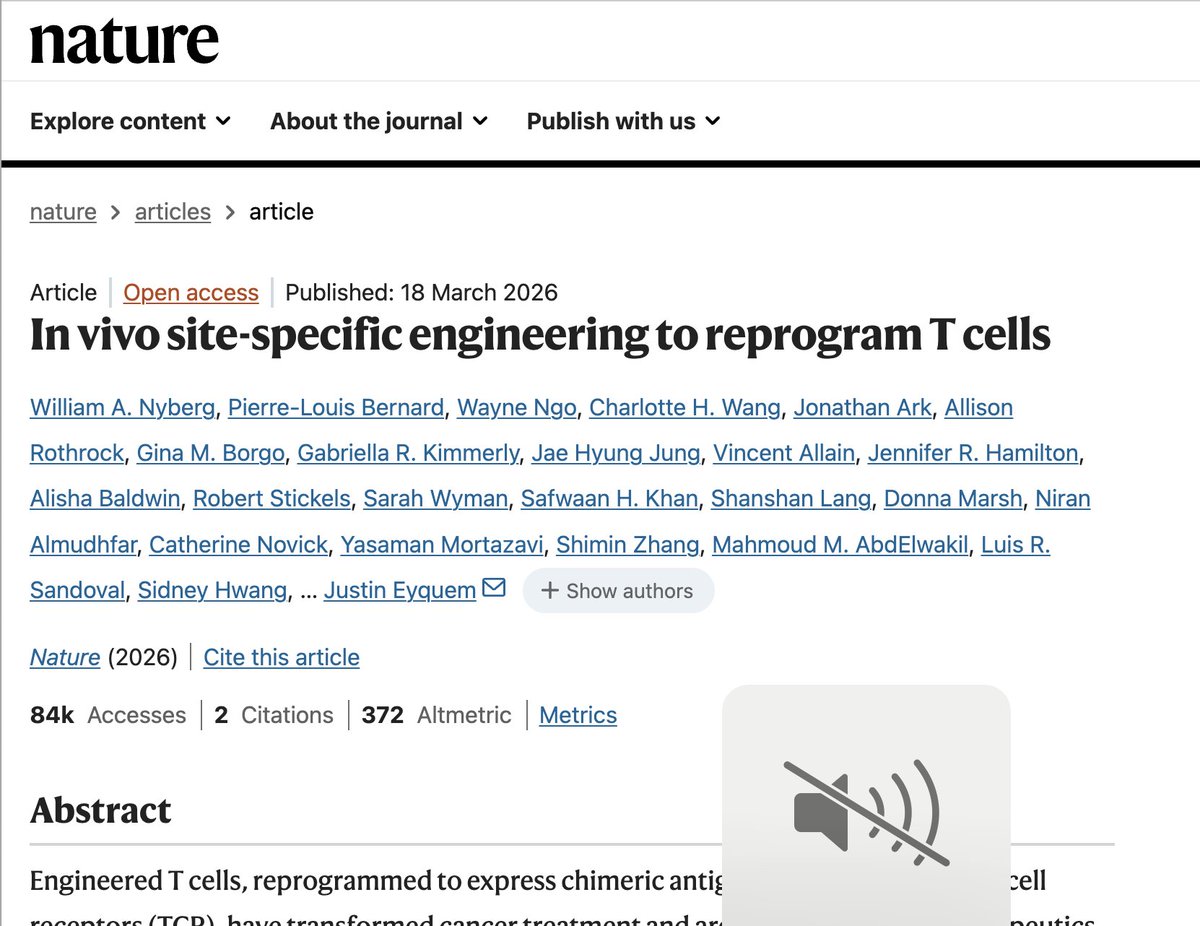
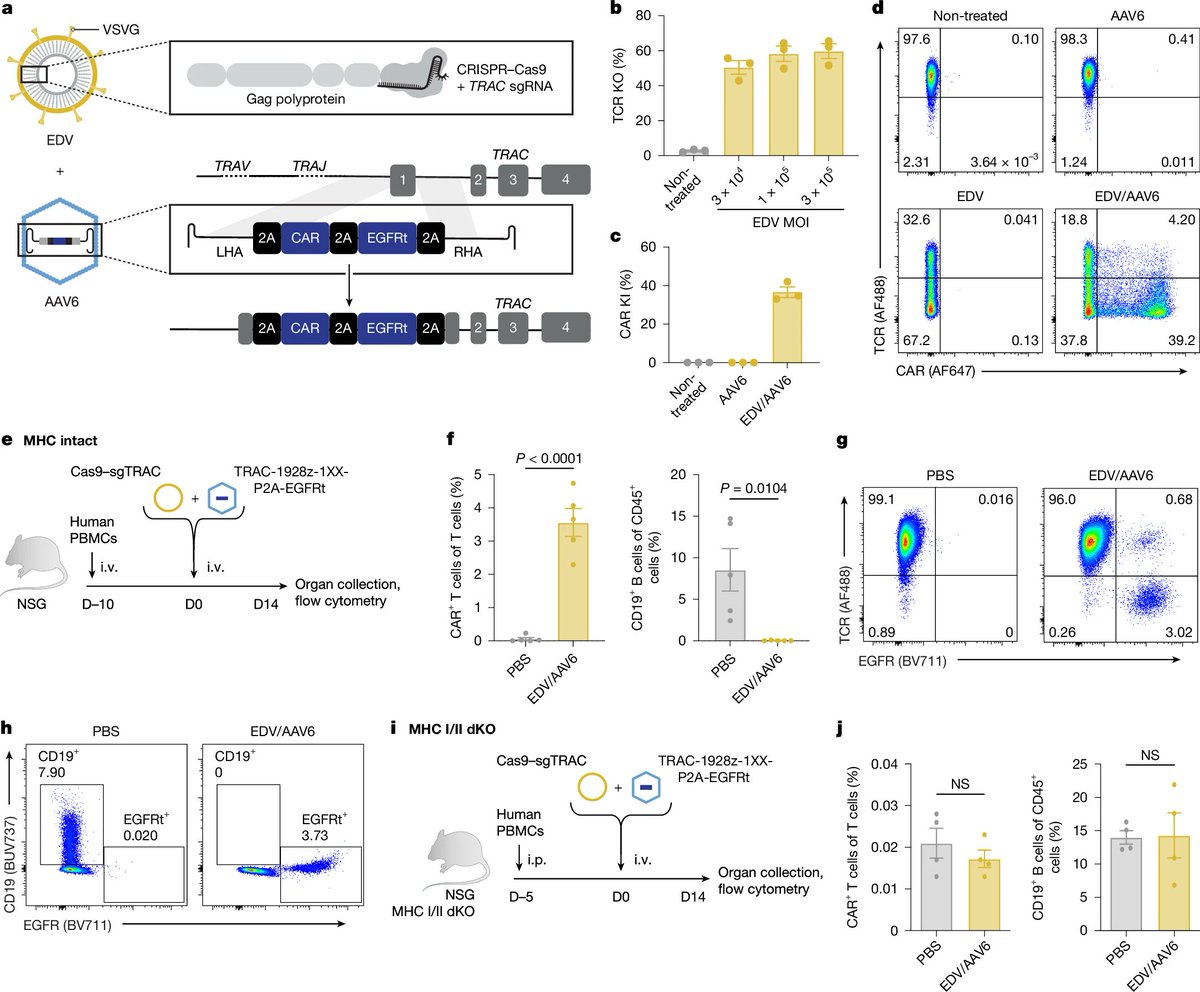
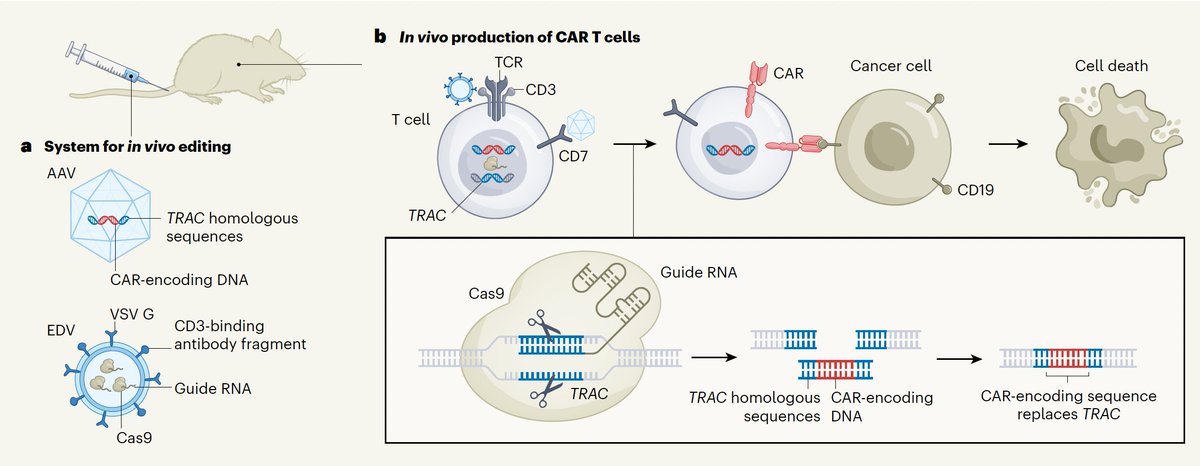
A new @Nature paper from Prof. Justin Eyquem of @UCSF has potentially made a big breakthrough in CAR-T therapy for cancer treatment! CAR-T therapy is one of the most powerful cancer treatments ever developed. It's also one of the most inaccessible — weeks of wait time, $400,000–$500,000 per patient, chemotherapy required, available only at specialized centers. Justin Eyquem's lab developed a two-particle system that reprograms T cells directly inside the body. One particle delivers CRISPR-Cas9 machinery targeted specifically to T cells. The second carries the CAR gene and inserts it at a precise location — the TRAC locus — rather than randomly, which eliminates the insertional mutagenesis risk that has shadowed current lentiviral approaches. The results in humanized mice: a single injection cleared all detectable leukemia within two weeks. It also worked against multiple myeloma. And then against a solid sarcoma tumor — which CAR-T has historically failed to treat. The counterintuitive finding: the T cells engineered inside the body outperformed those made in the lab. When you extract cells and grow them ex vivo, they lose stemness and proliferative capacity. Left in their native environment, they don't. This may be the first time large DNA has been integrated at a specific genomic site in human T cells without removing them from the body. It's a technical milestone independent of the cancer results. Paper: nature.com/articles/s4158… UCSF news:ucsf.edu/news/2026/03/4… youtube Video: youtube.com/watch?v=Ic7FTn…
YouTube video
YouTube
Bo Wang tweet mediaBo Wang tweet mediaBo Wang tweet mediaBo Wang tweet media
English
6
46
207
22.6K
Darío Solís-Sayago retweetledi
Justin Eyquem
Justin Eyquem@j_eyquem·
I am so excited to share our new paper in @Nature: the first programmable, site-specific integration of a large DNA payload into T cells in vivo. A single IV injection results in therapeutic levels of TRAC-targeted CAR T cells in multiple models. #Ack1" target="_blank" rel="nofollow noopener">nature.com/articles/s4158… a 🧵
Justin Eyquem tweet media
English
21
143
539
32.4K
Darío Solís-Sayago retweetledi
Lingting Shi
Lingting Shi@shi_lingting·
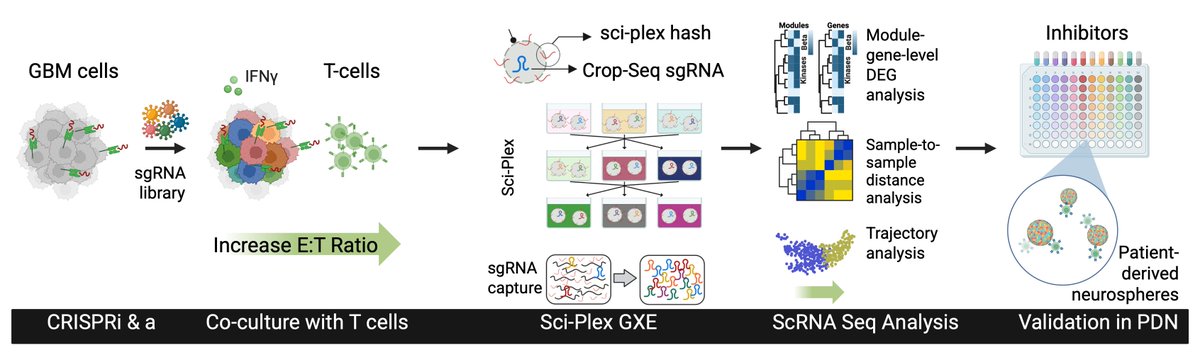
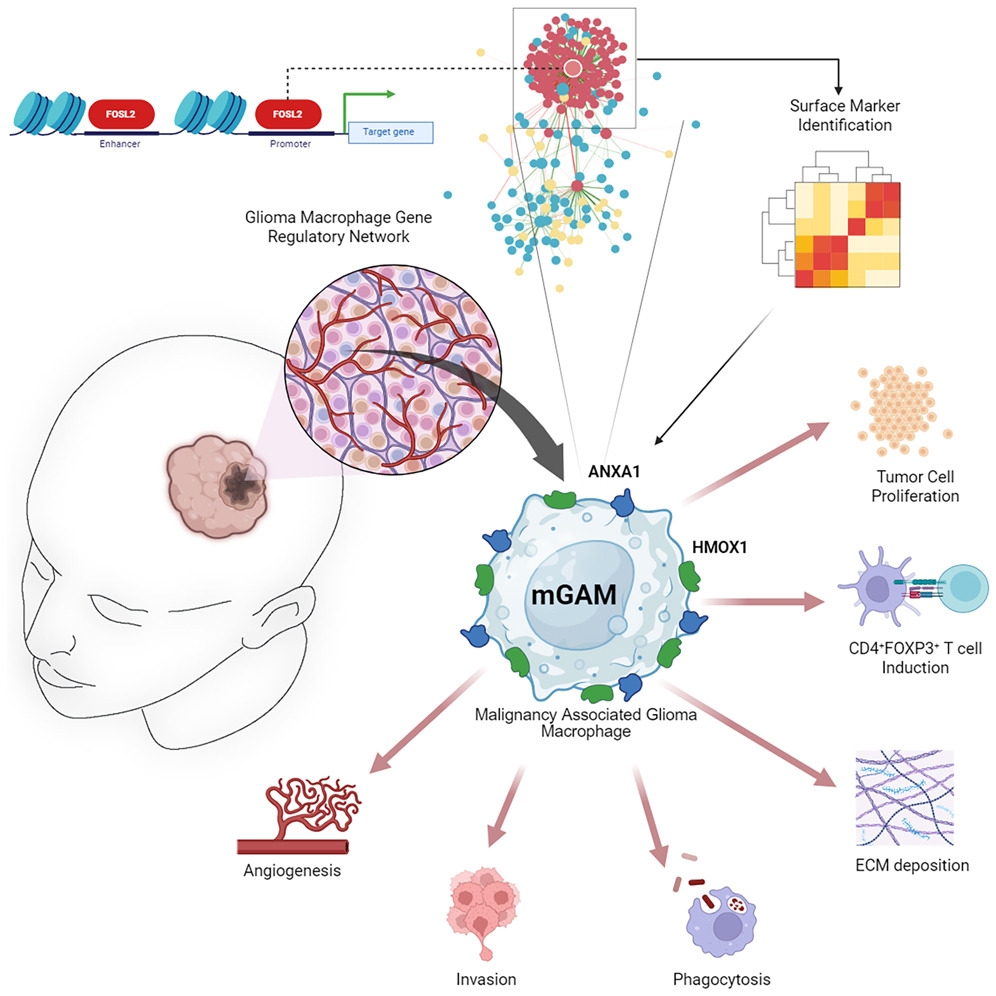
Tumor immune evasion is programmable🛡️🧠. Our integrated single-cell CRISPR screening framework maps kinase control of T cell–driven tumor states in Glioblastoma(GBM) 🧬and nominates druggable nodes 💊 (e.g., EPHA2/PDGFRA) that blunt evasive programs and boost T cell killing 🔥.
Lingting Shi tweet media
English
3
39
131
12.9K
Darío Solís-Sayago retweetledi
Rahul Satija
Rahul Satija@satijalab·
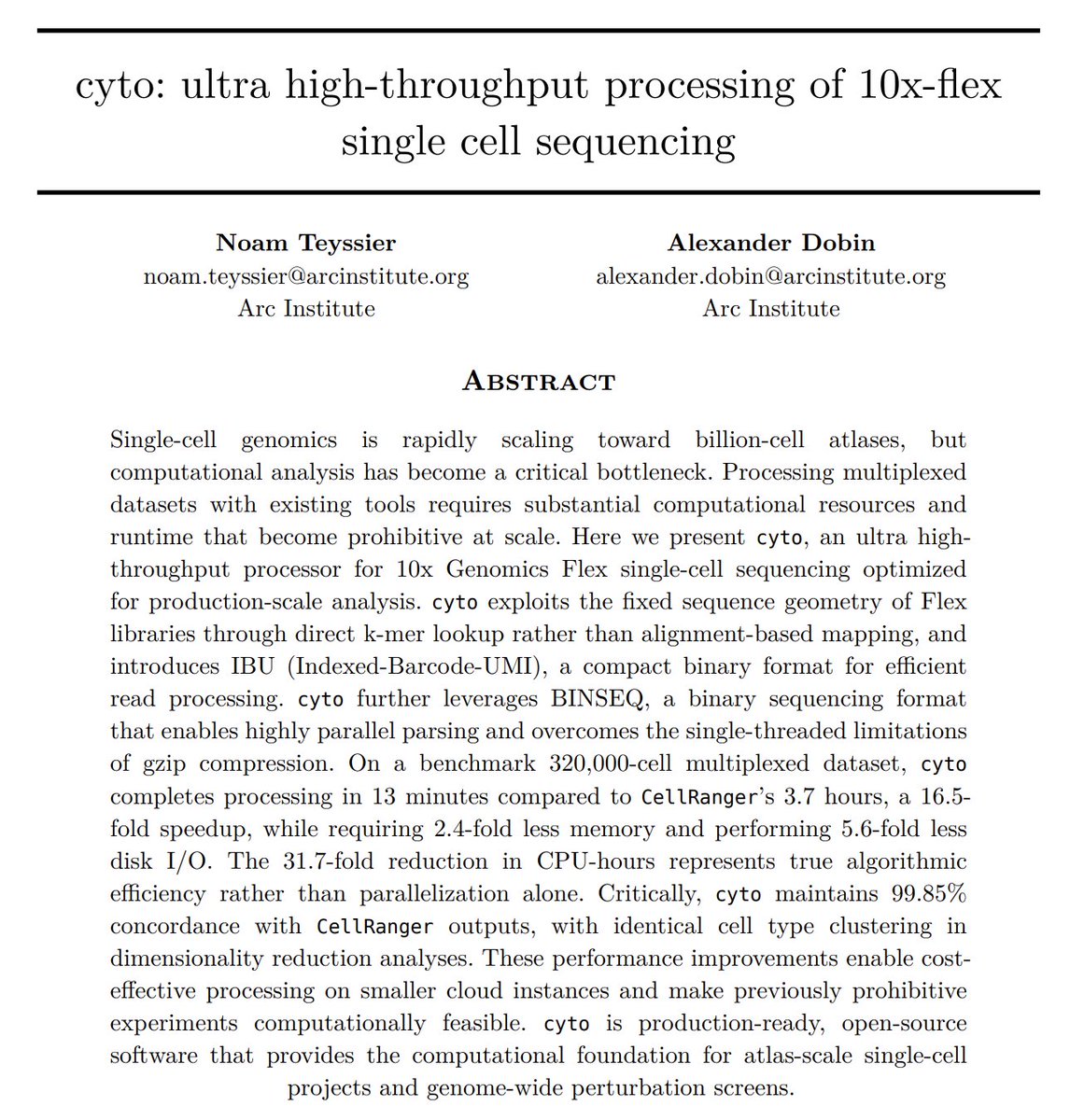
Inspired by @JswLab, we generated a mini Genome-wide Perturb-seq, using just two 10x lanes (!). Far too much data for one tweet (or one Figure), but it works beautifully. The ability to assess the molecular function of every gene in an afternoon is mind-boggling
Rahul Satija tweet media
English
1
32
181
12K
Darío Solís-Sayago retweetledi
Zihai Li, MD, PhD
Zihai Li, MD, PhD@Zihai·
Wow, what a powerful reminder that chaos is not a flaw in biology. This beautifully written story of the “disorderly” QCR6 protein shows how its structural unruliness actually enhances ATP production within the respiratory chain. share.google/Tfn3RQCbJFrhbw…
English
3
13
52
3.6K
Darío Solís-Sayago retweetledi
Parmita Mishra
Parmita Mishra@parmita·
“Show me the mechanism of action.” “Uh. from the p-p-perturb seq? right here. Knocks down Gene X, and the cells shift into Cluster 7." “You used fkn UMAP again. FUCK. Zoom in.” “Sorry?” “Zoom. The fuck. In.” “…Okay.” “Do you see it?” “…See what?” “He doesn’t see it. The cell biology postdoc from Stanford does not know how to see a cell. He stares at a two-million-cell embedding and doesn’t see the conflations he just planted in my S3 bucket. WHERE is the temporal resolution?” “The… what?” “Where is the time? You hit the cell with a perturbation and you measured it once. Once. That’s not a mechanism. That’s a fucking POSTCARD!” “We sequenced at 72 hours. That’s standard.” “Standard is not the same as correct. You are aliasing causality. You compressed a dynamic process into a static endpoint and you’re think you will cure metastatic cancer.” “But the differential expression is significant.” “WOW! DIFFEWENTIAL EXPRESSION IS SIGNIFICANT! WOW! WHEN THE FUCK IS IT NOT. Yes, because statistics is Mario Kart. A fantasy land where causality is optional and variance disappears if you collect enough cells. Real biology has inertia. Feedback. Competing pathways. Do you understand the difference between correlation and mechanism? Or did you flunk out of STAT 101?” “…I mean, we saw Gene X regulate Pathway Y.” “No. You saw Pathway Y exist in the same cell after you kicked it down the stairs and waited three days. That’s not even a crime scene, you dimwit. That is a post-mortem autopsy.” “The model inferred a trajectory--” “STOP the buffoonery. Do not blame the model. The model is a mirror. In this particular case, you can see it mirrors the clusterfuck you just created in my biosafety cabinet. If the reflection is warped, it’s because your measurement is warped.” “Pull up the raw counts.” “…Okay.” “Scroll. Cell 14,982. Read it to me. What does it say?” “Uh… mitochondrial genes up, ribosomal genes down-” “And?” “…And stress response markers?” “Yes. Because you poisoned the cell and waited long enough for it to panic. Where is the early signaling? Where is the metabolic inflection? Where is the first irreversible decision?” “We don’t capture that.” “Exactly. You built a platform that cannot see the mechanism. YOUR PLATFORM IS FUCKING BLIND.” “The virtual cell...showed the perturbation effect cleanly.” “Yes. because your VIRTUAL CELL IS VIRTUAL. it assumes the cell is a bag of transcripts. Do you think metabolites show up? OR AN ISOFORM? AN ISOFORM, THAT WILL DEGRADE IN THE CELL BEFORE YOU EVER REACH YOUR SENSOR? THAT ONE? YOU THINK THAT'S HOW CELLS WORK?” “So what do you want me to do?” “Delete the atlas.” “What?” “Delete it. The whole thing.” “But that’s the core result.” “It’s three weeks of garbage narrative built on a blind instrument. Delete it.” “…Now what?” “Now you rebuild the measurement. You observe the cell while the perturbation propagates. You track chemistry, not just transcripts. You capture the first divergence, not the final corpse.” “That’s… not perturb-seq anymore.” “Exactly.” door slams
Parmita Mishra tweet media
English
59
115
1.3K
138.9K
Darío Solís-Sayago retweetledi
nabbo (bio/acc)
nabbo (bio/acc)@TensorTwerker·
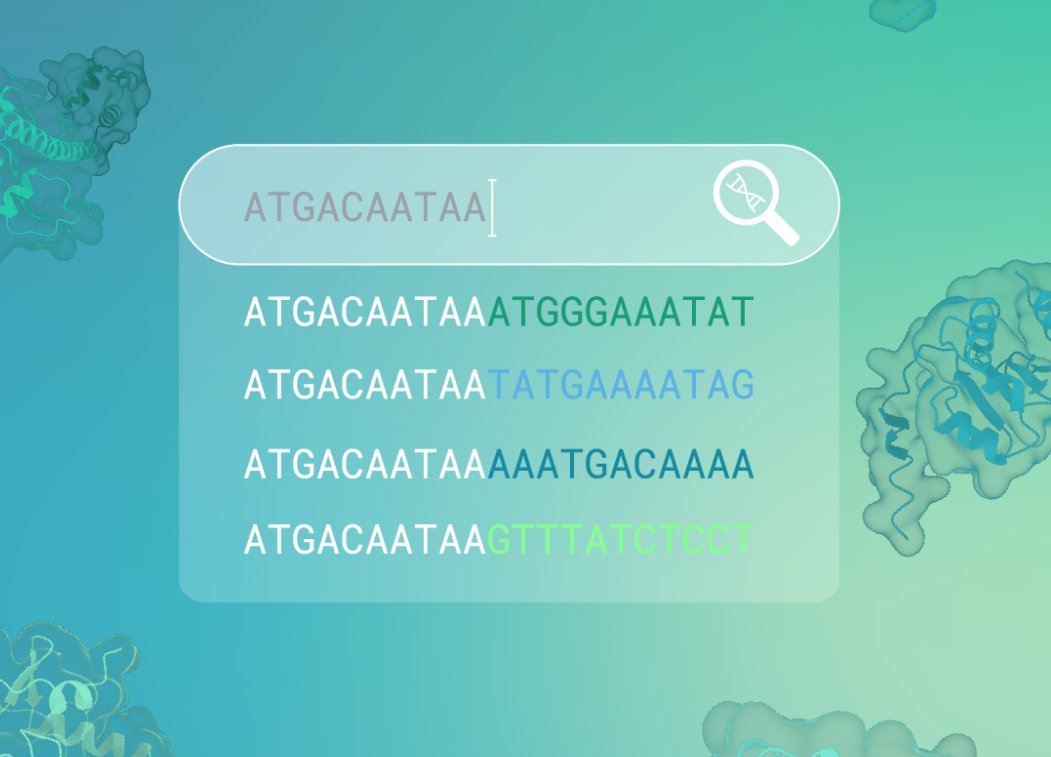
Discovered this very cool website to learn some NGS workflow and data analysis
nabbo (bio/acc) tweet media
English
6
64
259
31.6K
Darío Solís-Sayago retweetledi
Alex Prompter
Alex Prompter@alex_prompter·
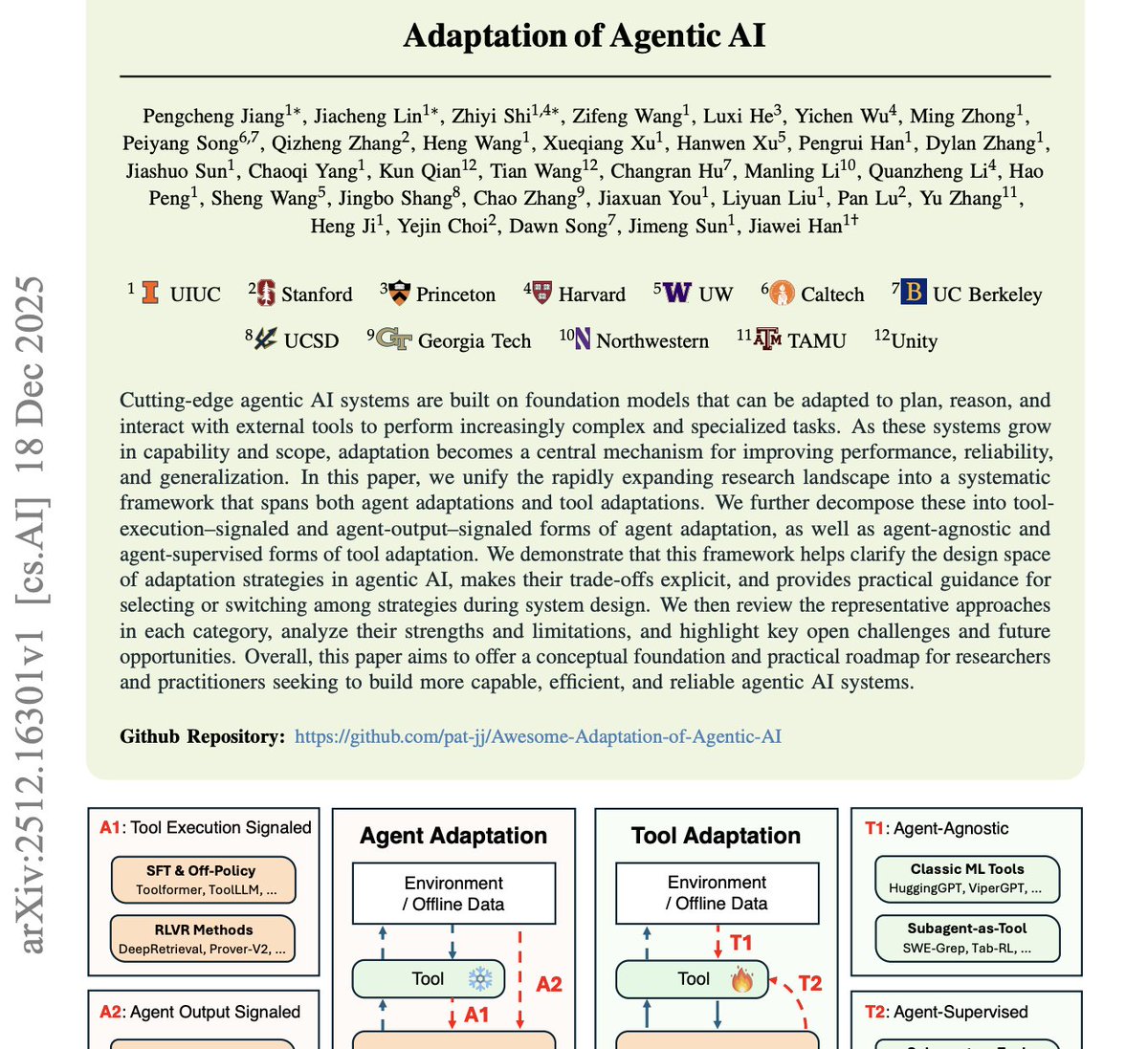
This paper from Stanford and Harvard explains why most “agentic AI” systems feel impressive in demos and then completely fall apart in real use. The core argument is simple and uncomfortable: agents don’t fail because they lack intelligence. They fail because they don’t adapt. The research shows that most agents are built to execute plans, not revise them. They assume the world stays stable. Tools work as expected. Goals remain valid. Once any of that changes, the agent keeps going anyway, confidently making the wrong move over and over. The authors draw a clear line between execution and adaptation. Execution is following a plan. Adaptation is noticing the plan is wrong and changing behavior mid-flight. Most agents today only do the first. A few key insights stood out. Adaptation is not fine-tuning. These agents are not retrained. They adapt by monitoring outcomes, recognizing failure patterns, and updating strategies while the task is still running. Rigid tool use is a hidden failure mode. Agents that treat tools as fixed options get stuck. Agents that can re-rank, abandon, or switch tools based on feedback perform far better. Memory beats raw reasoning. Agents that store short, structured lessons from past successes and failures outperform agents that rely on longer chains of reasoning. Remembering what worked matters more than thinking harder. The takeaway is blunt. Scaling agentic AI is not about larger models or more complex prompts. It’s about systems that can detect when reality diverges from their assumptions and respond intelligently instead of pushing forward blindly. Most “autonomous agents” today don’t adapt. They execute. And execution without adaptation is just automation with better marketing.
Alex Prompter tweet media
English
205
644
3.4K
1M
Darío Solís-Sayago retweetledi
Ansu Satpathy
Ansu Satpathy@Satpathology·
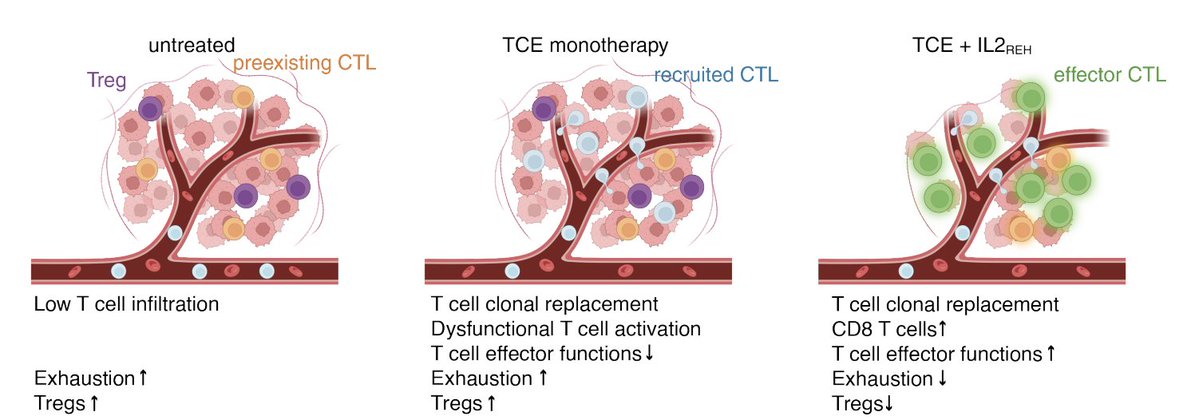
T cell engagers have demonstrated efficacy in 'cold' tumors, but where do the T cells come from? and how can we improve response? With @SageJulien and Chris Garcia, we show that TCEs recruit new T cell clones to the tumor, ala PD-1 blockade, and can be improved with cytokine combo therapies.
Ansu Satpathy tweet media
bioRxiv Cancer Bio@biorxiv_cancer

Bispecific T cell engagers control solid tumors through clonal replacement and IL2-driven effector differentiation of CD8 T-cells biorxiv.org/content/10.648… #biorxiv_cancer

English
1
26
129
20.7K
Darío Solís-Sayago retweetledi
Wei Zhao
Wei Zhao@zhaoweiasu·
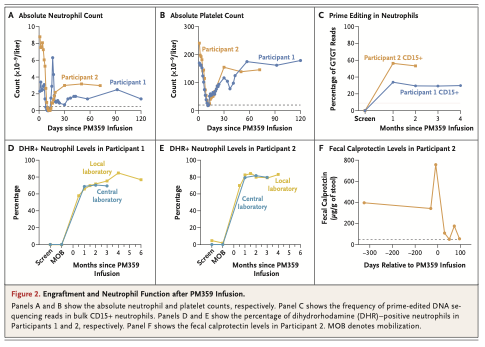
🚨 NEJM just published the first-ever human data for prime editing. nejm.org/doi/full/10.10… 👏A landmark moment: precise gene correction in human blood stem cells is finally becoming a durable, clinically meaningful reality for the 1st time ever in human history, thanks to prime editing—after decades of setbacks with HDR-based approaches. ➡️Prime Medicine’s PM359 corrected the NCF1 delGT mutation in p47-CGD using ex vivo prime-edited CD34+ cells. ➡️Two patients treated → rapid engraftment + near-normal neutrophil function (69–83% DHR⁺ by Month 1) with durability to 4–6 months. ➡️No editing-related safety issues; toxicities were from busulfan.
Wei Zhao tweet media
English
6
64
266
52.4K
Darío Solís-Sayago retweetledi
The Journal of Immunology
The Journal of Immunology@J_Immunol·
Researchers developed new M1 biomarkers shared by human and mouse primary macrophages with the potential for broad applications in both basic research and clinical practice. Learn more in The JI: ow.ly/i4SG50XAb6R.
The Journal of Immunology tweet media
English
2
22
117
10.6K
Darío Solís-Sayago retweetledi
allen institute
allen institute@AllenInstitute·
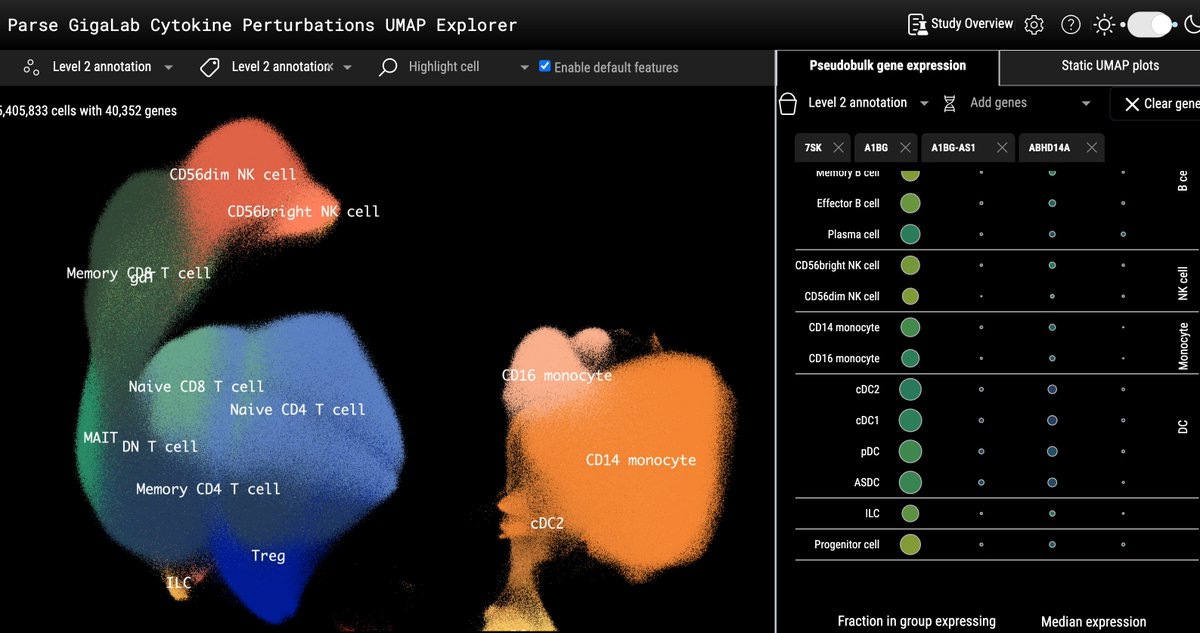
How do cytokines shape immune cells? We analyzed and visualized @ParseBio's massive 10M PBMC dataset to give researchers a powerful tool for exploring the dynamics between cytokines and peripheral blood mononuclear cells. Explore the tools: apps.allenimmunology.org/aifi/resources…
allen institute tweet media
English
0
21
88
28.1K
Darío Solís-Sayago retweetledi
Brian Hie
Brian Hie@BrianHie·
Today in @Nature, in work led by @aditimerch, we report the ability to prompt Evo to generate functional de novo genes. You shall know a gene by the company it keeps! 1/n
Brian Hie tweet media
English
6
100
535
130.6K
Darío Solís-Sayago retweetledi
David R. Liu
David R. Liu@davidrliu·
Today in @Nature we report a new prime editing strategy that can rescue a common cause of many genetic diseases in a disease-agnostic manner. This approach converts a redundant endogenous tRNA into an optimized suppressor tRNA, enabling a single prime edit to rescue premature stop codons across different diseases. (1/15) drive.google.com/file/d/1bSvkJW…
David R. Liu tweet media
English
40
397
1.4K
250.9K
Darío Solís-Sayago retweetledi
Christoph Bock Lab @ CeMM & MedUni Vienna
🗨️ Just published in @NatureBiotech: Our CellWhisperer AI enables chat-based analysis of single-cell sequencing data. You can talk to your cells & figure out the biology without writing any computer code. Paper link and annotated walkthrough in the thread below (1/11)
English
12
184
688
64.4K