FattyLiverAlliance@FattyLiverA
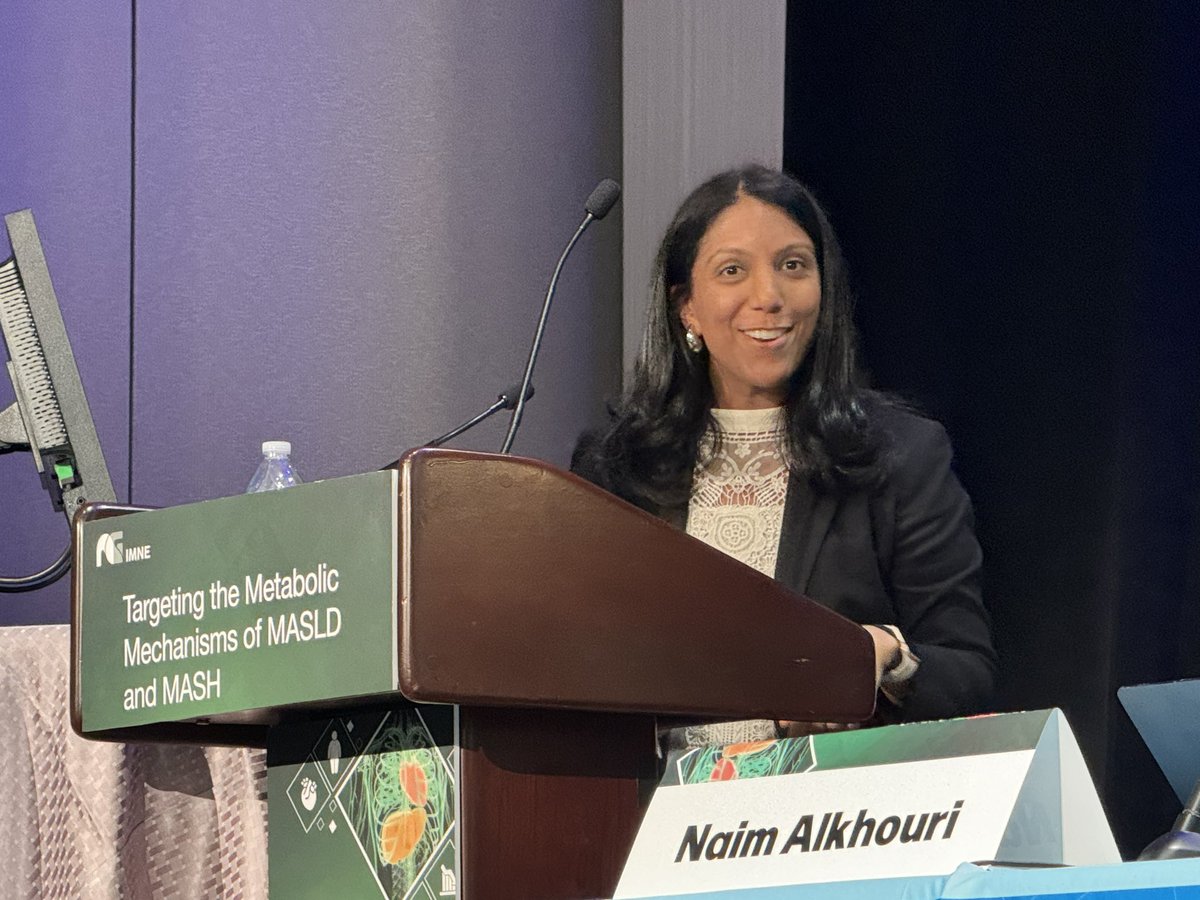
Thank you @SonalKumarMD, for the great presentation and discussion today at the @AASLDtweets (American Association for the Study of Liver Diseases) Brief Recap: "Targeting the Metabolic Mechanisms of MASLD and MASH".
Here are a few key take-aways:
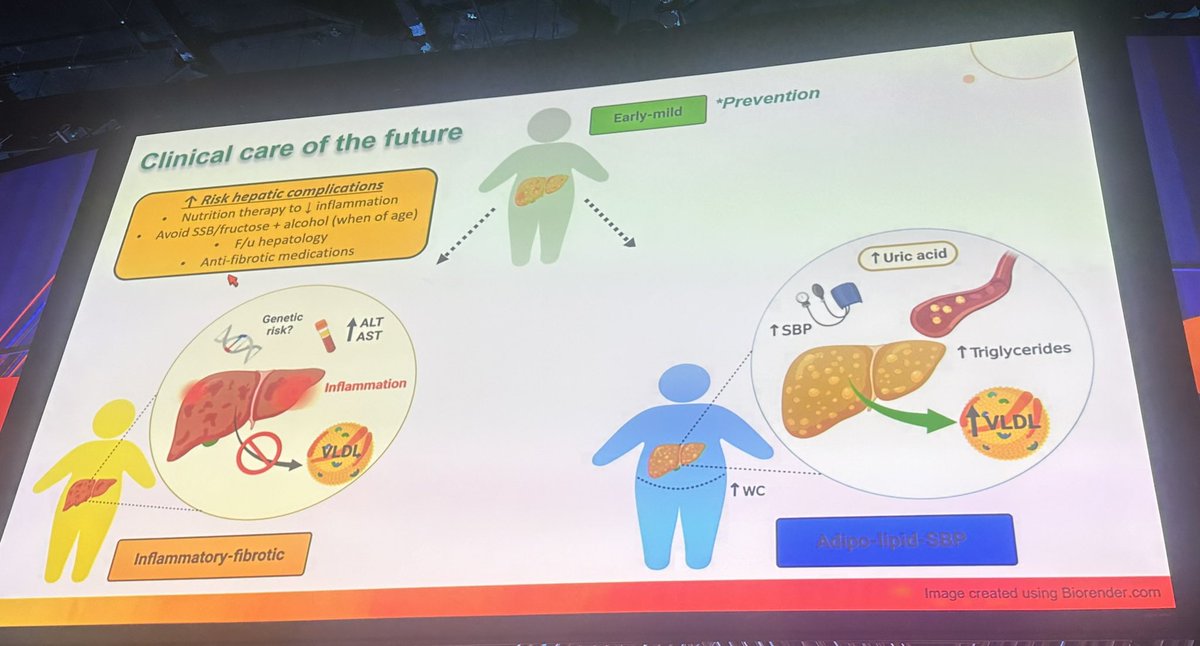
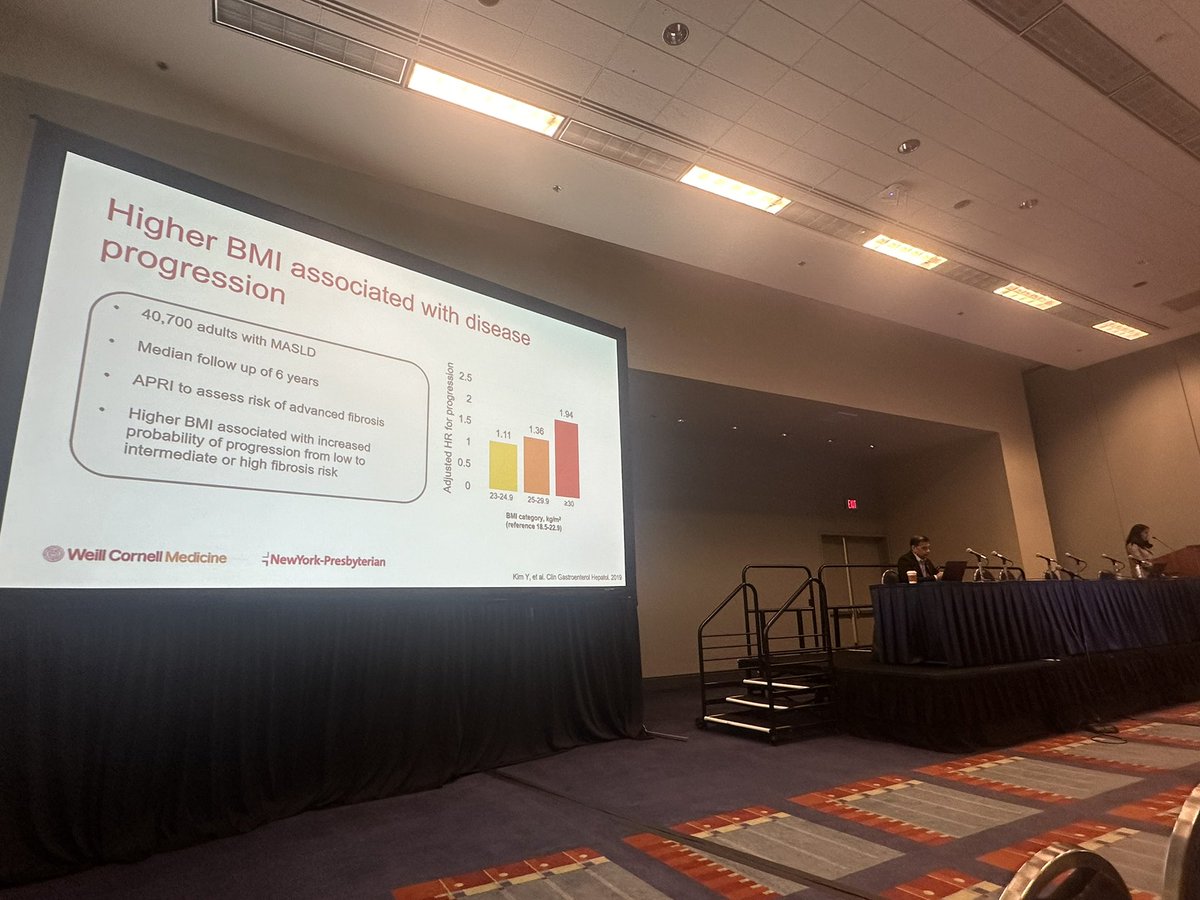
1. Progression and Management of MASLD/MASH: About 20% of individuals with MASLD progress to MASH, and of those, 20% may advance to cirrhosis within 10 years. Early intervention can significantly impact long-term outcomes by focusing on weight loss, managing cardiovascular risk factors (like hypertension, dyslipidemia), and employing liver-directed treatments to potentially reverse fibrosis stages before they advance to cirrhosis.
2. Importance of Weight Loss: Significant weight loss (ideally 10% or more) can lead to improvements in steatosis, inflammation, MASH resolution, and fibrosis regression. Lifestyle modifications, although challenging to maintain, are crucial, and pharmacotherapy may aid in achieving desired weight loss goals.
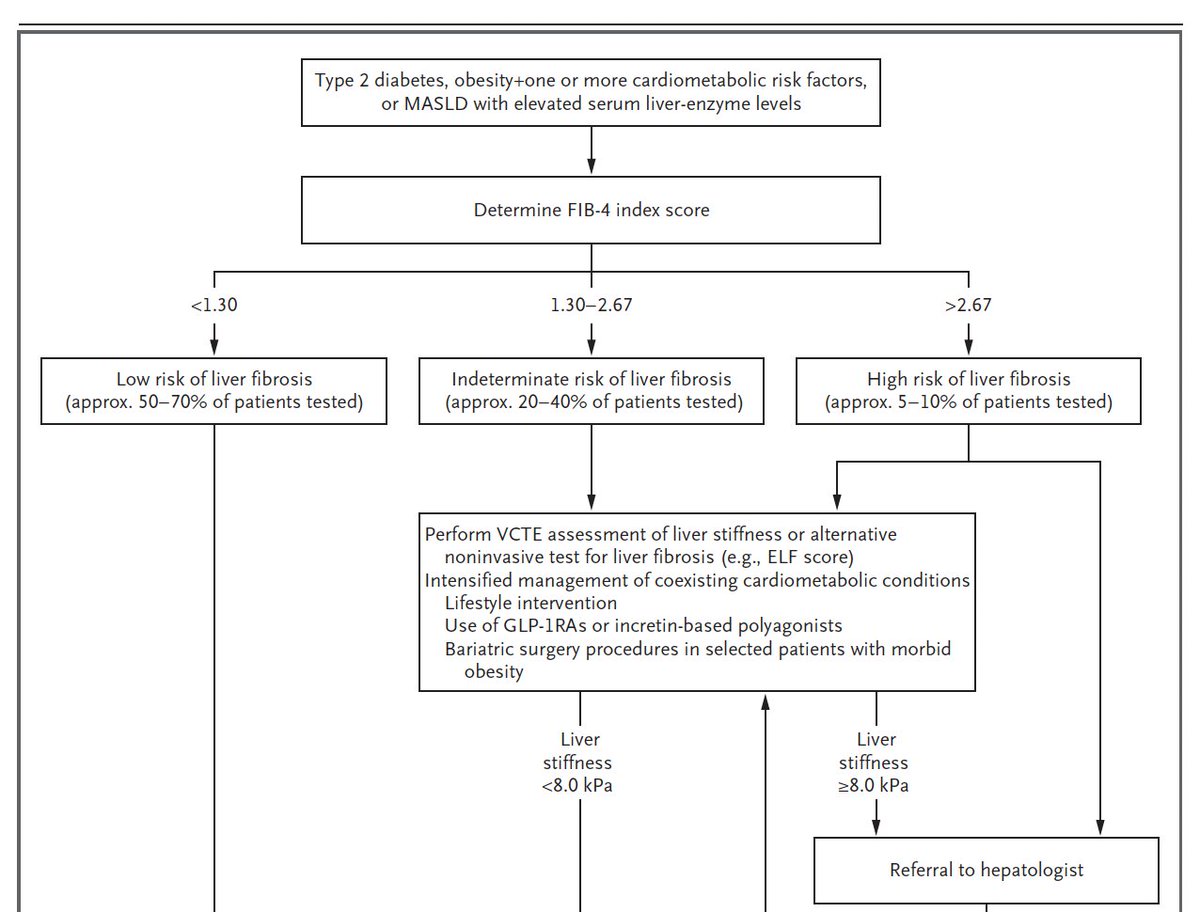
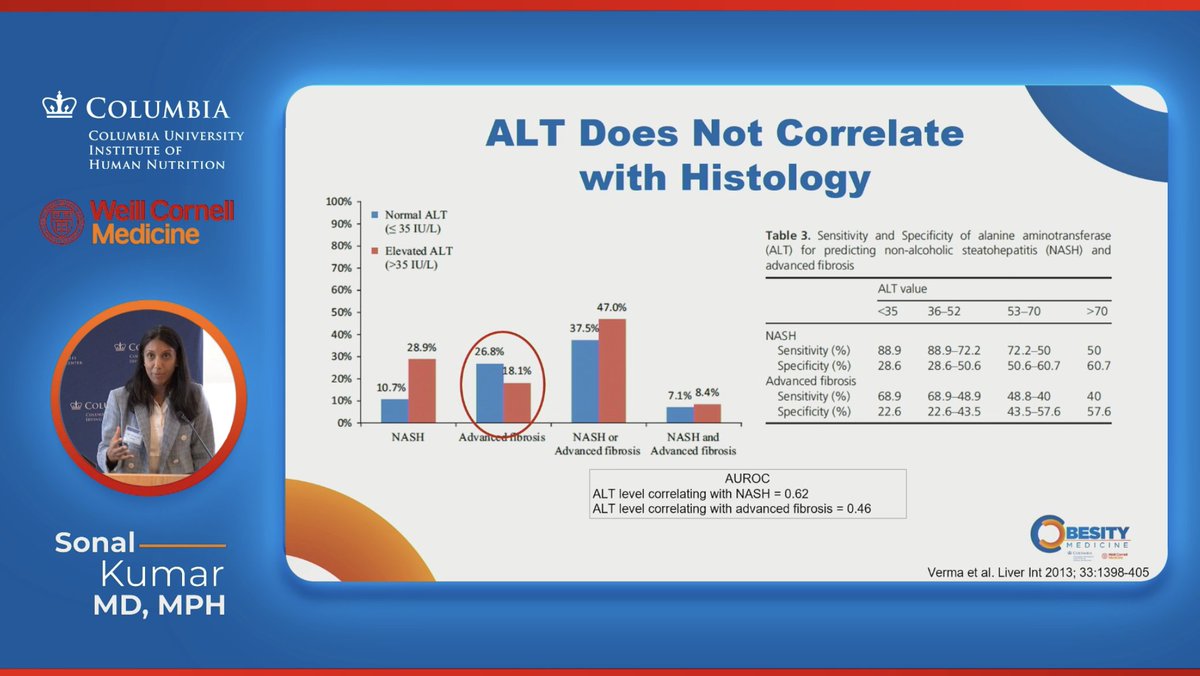
3. Utilization of Non-Invasive Assessments: The FIB-4 score is recommended for primary risk assessment of fatty liver disease, with additional non-invasive methods like transient elastography and MRI-based assessments, with alternative options now available, including FAST score, MAST score, MeFib score, and CT1, providing valuable information for further stratification and management decisions.
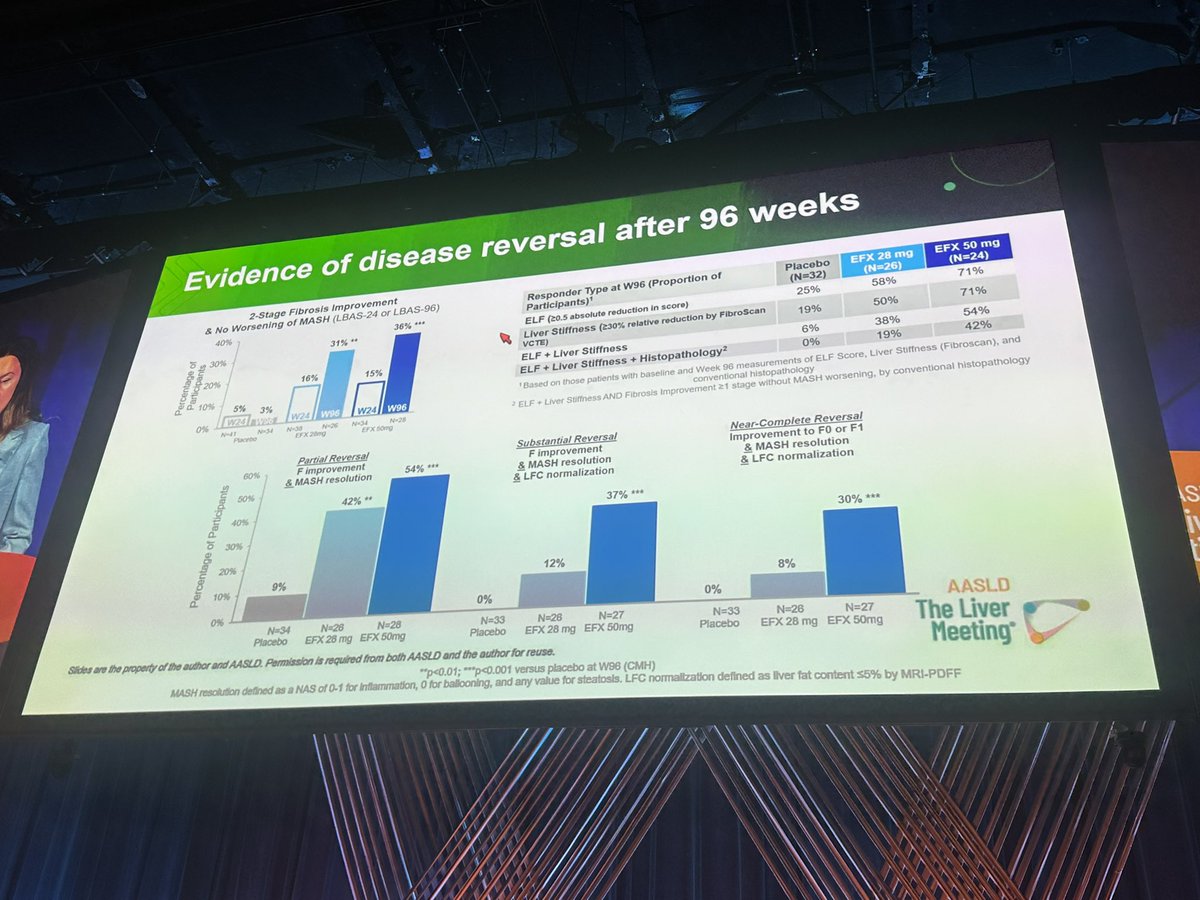
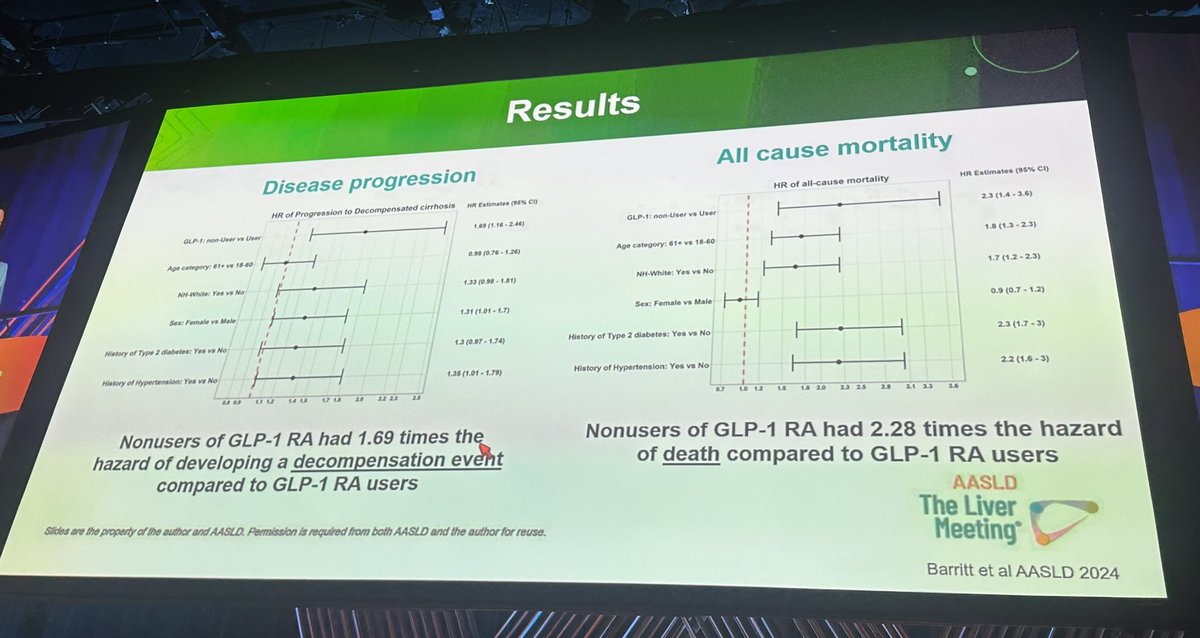
4. Pharmacotherapy and Treatment Approaches: While there are no FDA-approved medications specifically for MASH (hopefully approved very shortly), certain medications used for comorbid conditions (such as pioglitazone for type 2 diabetes and GLP-1 receptor agonists for weight management) may offer benefits for MASH patients. Collaboration with Endocrinologists and other healthcare providers (Nutritionists and Cardiologists) is essential to optimize and coordinate treatment plans.
5. Interdisciplinary Collaboration: Effective management of MASH requires a multidisciplinary approach, integrating care from Hepatologists, Endocrinologists, Dietitians, and possibly surgeons (for patients considering bariatric surgery). Sharing a cohesive management plan across different healthcare providers ensures comprehensive care addressing all facets of the patient's condition.
Today's recap and discussion emphasize the complexity of MASH management, the critical role of weight management, the value of non-invasive diagnostic tools, the potential benefits of certain pharmacotherapies, and the importance of a collaborative approach in patient care.
@AASLDtweets @CASLupdates @GlobalLiver @LiverNurseCA @ObesityMatters @EASLnews #liverTwitter #liverX