Welat Kurdistan
1.7K posts


ڕۆژهەڵات و باشووری کوردستان لە یەک پەنجەرەوە ببینین: بێمانایی سنوورە دەستکردەکانی نێوان #ئێران_و_عێراق لەم گرتە ڤیدیۆییەدا ببینن. کورد یک نەتەوەیە، #کوردستان یەک وڵاتە

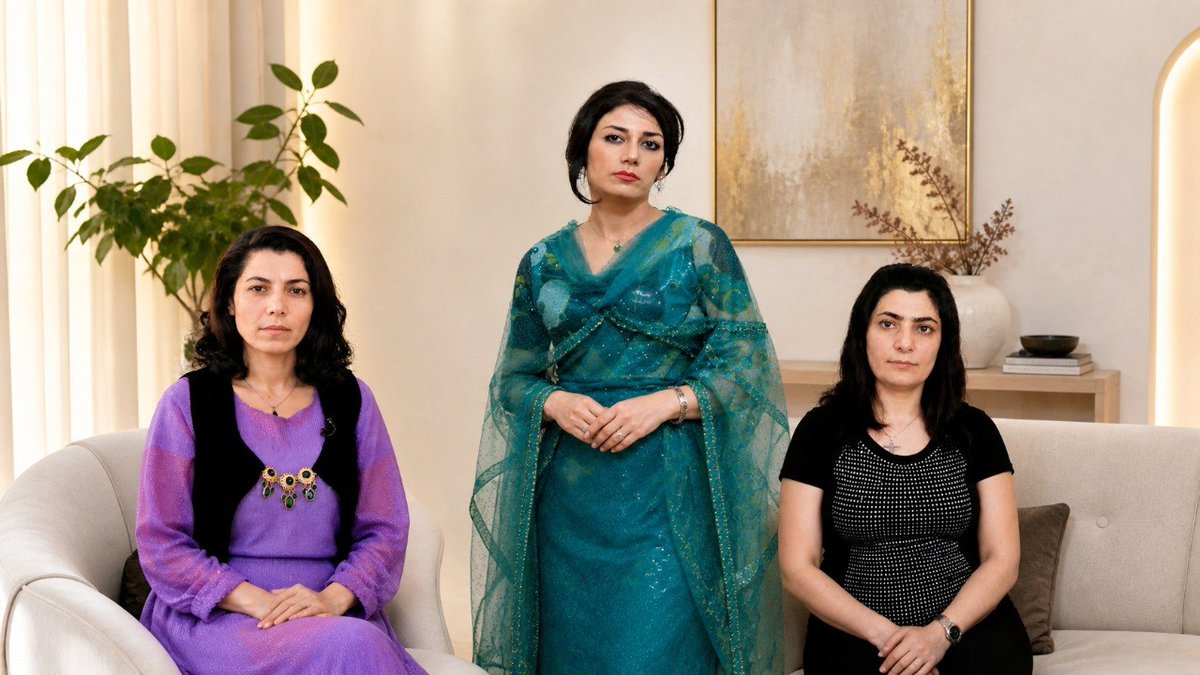
Kurdish Women Political Prisoners in Iran A Cry for Justice Against Repression In recent years, many women in Iran—especially in Rojhelat (Iranian Kurdistan)—have been imprisoned for their political and civil activities. Kurdish women political prisoners face particularly harsh conditions, shaped by both political repression and ethnic discrimination. Among them, Zeynab Jalalian, Pakhshan Azizi, and Warisha Moradi stand out as powerful symbols of resistance. Zeynab Jalalian, the longest-held female political prisoner in Iran, has spent nearly two decades in prison without a single day of leave. Her prolonged detention has been widely criticized by human rights organizations. Pakhshan Azizi, a social worker and women’s rights activist, has been charged with “baghi” (armed rebellion against the state) and sentenced to death, drawing widespread concern and international reactions. Warisha Moradi, a political activist and women’s rights advocate, was also sentenced to death on similar charges. Although her sentence was overturned due to flaws in the legal process and sent back for retrial, she still faces serious uncertainty and risk. Their cases reflect broader human rights concerns in Iran, particularly regarding civil activism and the treatment of ethnic minorities. Today, their resistance is part of a wider struggle for justice, equality, and human dignity—closely connected to the spirit of the “Woman, Life, Freedom” movement.

Kurdish Women Political Prisoners in Iran A Cry for Justice Against Repression In recent years, many women in Iran—especially in Rojhelat (Iranian Kurdistan)—have been imprisoned for their political and civil activities. Kurdish women political prisoners face particularly harsh conditions, shaped by both political repression and ethnic discrimination. Among them, Zeynab Jalalian, Pakhshan Azizi, and Warisha Moradi stand out as powerful symbols of resistance. Zeynab Jalalian, the longest-held female political prisoner in Iran, has spent nearly two decades in prison without a single day of leave. Her prolonged detention has been widely criticized by human rights organizations. Pakhshan Azizi, a social worker and women’s rights activist, has been charged with “baghi” (armed rebellion against the state) and sentenced to death, drawing widespread concern and international reactions. Warisha Moradi, a political activist and women’s rights advocate, was also sentenced to death on similar charges. Although her sentence was overturned due to flaws in the legal process and sent back for retrial, she still faces serious uncertainty and risk. Their cases reflect broader human rights concerns in Iran, particularly regarding civil activism and the treatment of ethnic minorities. Today, their resistance is part of a wider struggle for justice, equality, and human dignity—closely connected to the spirit of the “Woman, Life, Freedom” movement.


ژن ژیان ئازادی!