Sabitlenmiş Tweet

reid
110K posts
@ThatOneKidReid
Vote Francesca Hong on August 11th!!!


Agamemnon’s aura was off the charts in this movie #TheOdyssey

10 Years of The Sun’s Tirade
Taking my big thoughts to big places so they feel small

Summer Lee 🔥 : "they can't fight fascism cause they too busy fighting progress".


Bellingham giving the penalty up to Saka for his hat-trick, despite Jude needing just one goal to break the record goals scored by an Englishman at a World Cup. Our future captain 👏🏴



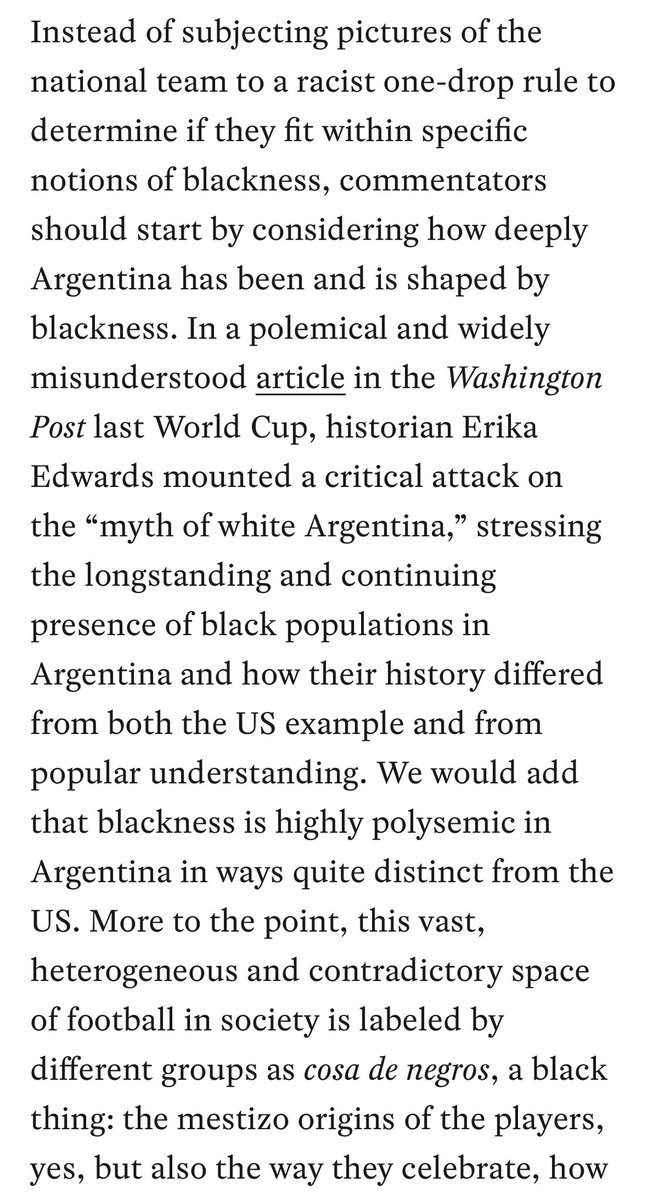
It's okay, you can root for Argentina. jacobin.com/2026/07/world-…


🚨 Premier League transfer spending so far, from lowest to highest: 🔸 Crystal Palace - £0M 🔸 Nottingham Forest - £0M 🔸 Sunderland - £0M 🔸 Hull City - £3.5M 🔸 Fulham - £5.2M 🔸 Bournemouth - £21.4M 🔸 Brentford - £29.0M 🔸 Ipswich Town - £32.7M 🔸 Leeds United - £34.1M 🔸 Coventry City - £35.4M 🔸 Arsenal - £45.0M 🔸 Everton - £51.8M 🔸 Aston Villa - £55.8M 🔸 Newcastle United - £84.6M 🔸 Manchester United - £85.0M 🔸 Liverpool - £89.5M 🔸 Brighton - £100.8M 🔸 Chelsea - £108.6M 🔸 Manchester City - £153.1M 🔸 Tottenham - £229.5M



Today, I'm endorsing @DavidcCrowley to be Wisconsin’s next governor. I'm urging Wisconsinites to join me in uniting and supporting David in the upcoming August 11 primary and the November election. We’ve got a lot to do and only a short time to do it, folks. Let’s get to work!
It was great to meet with Milwaukee Mayor @CavalierJohnson this morning! Like Democratic mayors across the country, he’s on the frontlines working to keep his community safe, make housing more accessible, and grow Milwaukee’s economy.

Establishment Dems in WI trying to stop the DSA-adjacent left in another primary.