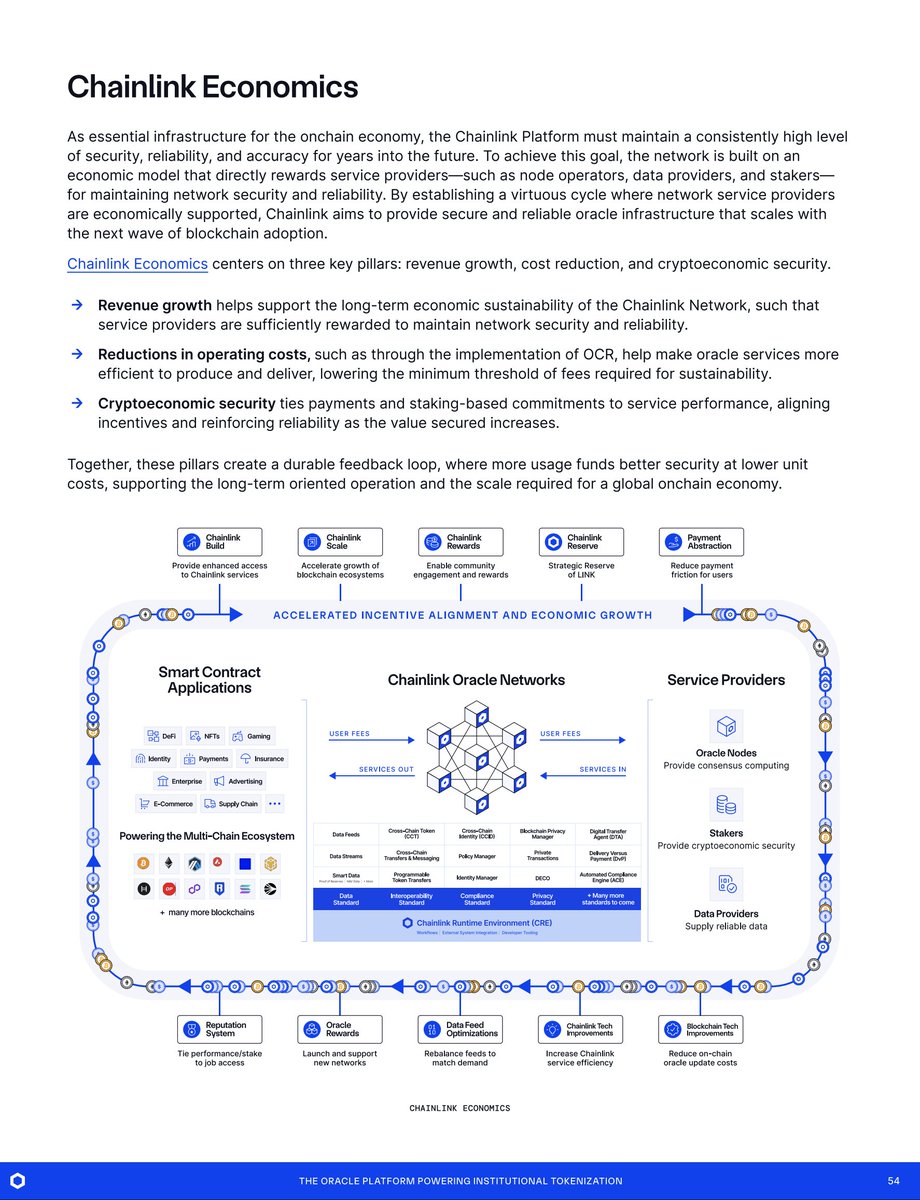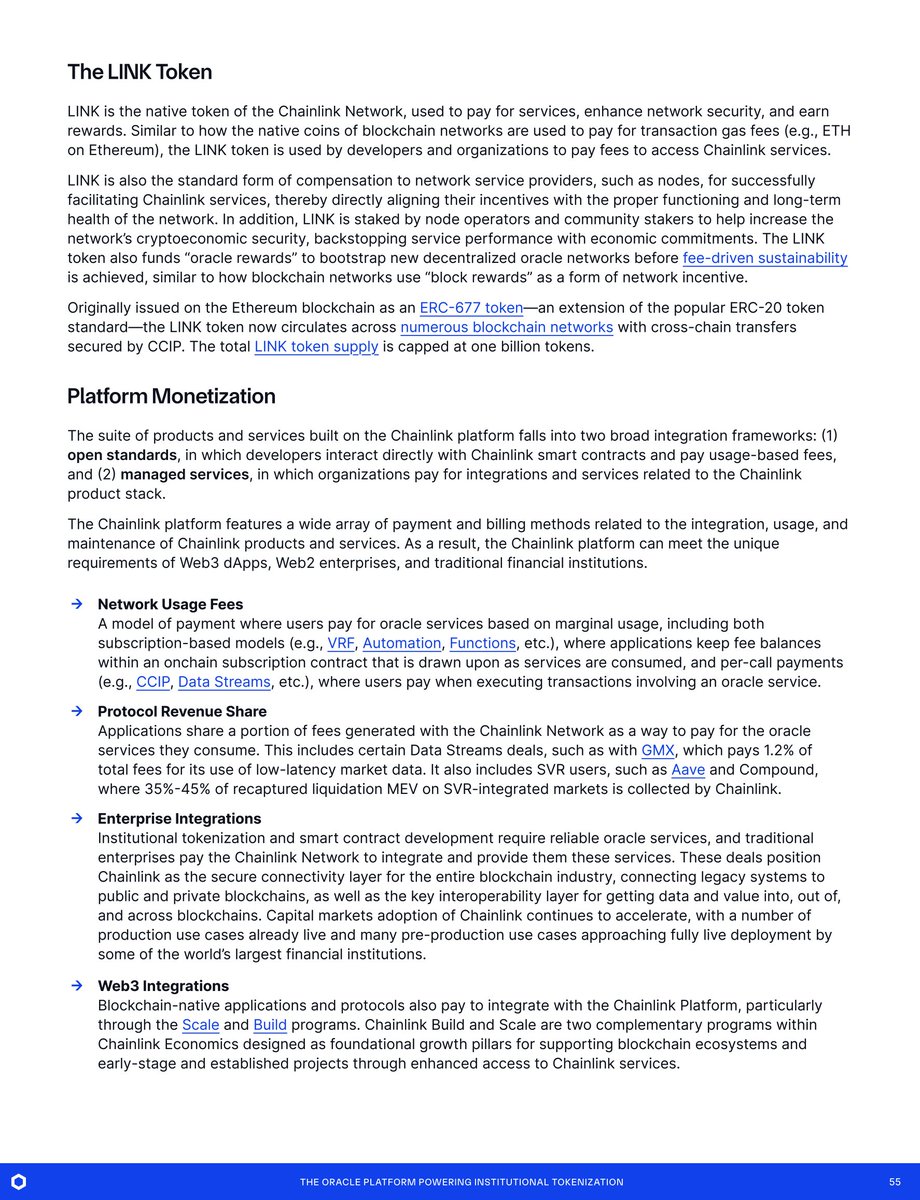

"Web3 blockchain technology leapt forward with the introduction of oracles and their ability to bring off-chain data on-chain. GitHub, with over 4000 repositories touching Chainlink alone, shows just how popular oracles have become."—@IBM ibm.com/blog/web3-orac… IBM recognizes the key role that oracles play in the Web3 ecosystem by connecting blockchains to off-chain resources to help enable a wave of smart contract innovation from DeFi to parametric crop insurance and beyond. Given the importance of ensuring dApps have a secure and reliable source of external data, IBM also raises key considerations that oracle protocols must address: API maintenance, timely and secure data transfer, and oracle node management. Here's how #Chainlink tackles these challenges: API Maintenance Chainlink oracle nodes are highly configurable and can natively connect to any open or authenticated API. This capability is used across Chainlink services such as Data Feeds to fetch and aggregate data from leading data aggregation firms, abstracting API management from dApp developers. Timely and Secure Data Transfer Chainlink services are battle-hardened and time-tested, having delivered data reliably on-chain even during the most extreme network congestion and market volatility. Furthermore, Chainlink's upcoming low-latency oracles allow for the transfer of data on-chain to become significantly more efficient. Oracle Node Management In addition to the Chainlink documentation, resources such as the AWS Chainlink Quickstart further simplify the process of launching a Chainlink node. Chainlink Functions is taking this a step further by enabling data providers to make their data available to smart contracts without needing to manage oracle infrastructure. As the Web3 economy continues to expand, the role of secure oracle infrastructure will only increase in importance, with IBM noting, "The default option is Chainlink, which has significant adoption across layer 1 blockchains and protocols running within them."