

Tim Berry 🚢
10.7K posts

Tim Berry 🚢
@Tim_Berry
I talk about entrepreneurship and business growth. | Launched, scaled, & sold multiple 7+ fig. businesses, & helped my clients do multiple billions in sales.
Denver, CO Katılım Eylül 2008
507 Takip Edilen4.9K Takipçiler
7 subscription services with huge ROI for me:
1. Waking Up app (mind-saver) @wakingup
2. Peloton (life-saver) @onepeloton
3. Audible (time-saver) @audible
4. Premium AI service (time-saver) @OpenAI
5. Amazon Prime (time-saver) @amazon
6. Quicken (money-saver) @Quicken
7. Rocket Money app (money-saver) @RocketMoneyApp
English
@simpleisprofit Or reverse the first two. Find a great aff product first. Then write the report about the problem it can help solve. Etc.
English

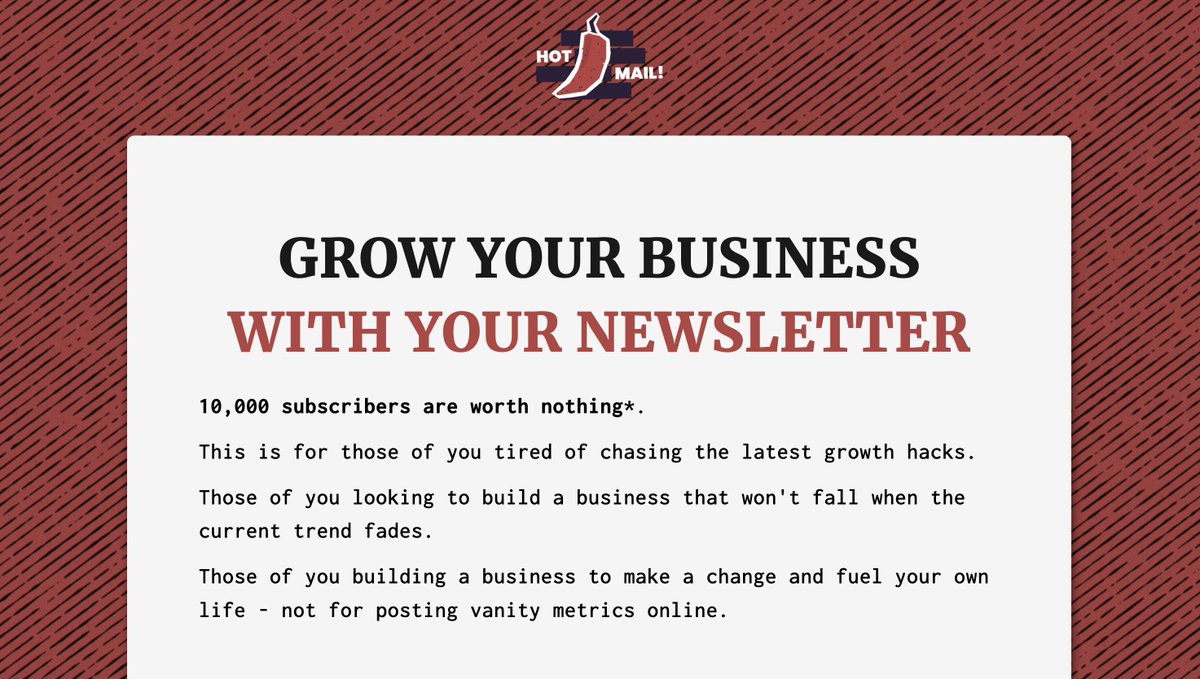
What if I told you that you don't need 10.000 subscribers to build a full-time business?
You don't even need 1000.
What if I told you, you could earn your first dollar from subscriber no. 1?
Subscribe → thehot.email
English
Imagine this: You're launching a course in one month - and want it to sell for $10,000+ in the first week - what would you do?
Here's the exact game plan I'd use to get it done (again)
Today: The only thing you have is the idea, the outline, no newsletter subscribers, but some followers here on X.
Step 1: Launch a hyper-specific newsletter.
It doesn’t matter who your target audience is; if you only talk to them on social media, you are doing 5x the work for less return.
You need a mailing list to keep in touch with those genuinely interested in the topic you talk about.
People launch newsletters without a goal in mind. They might have some idea that they are going to grow it to 10,000 subscribers to sell ads, but there’s no clear goal or timeline.
Launch a (short-term) newsletter about the same topic/problem your course is about:
🌶️ How to launch a local newsletter
🌶️ How to get more SaaS customers
🌶️ How to grow your newsletter with content
Step 2: Define the 5 steps
Your course (and your newsletter) now offers a solution to one Big Problem.
Next step is to divide that up into parts.
Imagine where your audience are right now, and what they need to do to get to where they want to be (i.e. solve the Big Problem).
This can be 5 steps, 5 parts, or 5 things they need to learn.
For the course on how to grow your newsletter with content, it could look like this:
🌶️ Define your audience and their Big Problem
🌶️ List 5 main topics to talk about
🌶️ Create an email course as a lead magnet
🌶️ Write one post from each of the 5 main topics each week
🌶️ Link the lead magnet in the most popular posts
Think about them as puzzle pieces - the steps they need to take, in that specific order, to solve their Big Problem.
Step 3. Craft a very targeted, clear sign-up page
Most newsletter landing pages are too vague.
The perfect page has 4 things:
🌶️ Who it is for (Your very specific niche)
🌶️ Where they are now (The Big Problem)
🌶️ Where they want to be (Describing what life will be like when the Big Problem is solved)
🌶️ How you will help them get there (The exact resources/content you will give them in the newsletter)
Step 4. Post every day about the 5 Steps.
Social media are much better than a newsletter on one point; attracting new eyes!
Create a well-written, value-packed, actionable post every day about one of the 5 steps.
Circling between all of those steps, will attract leads no matter where on their journey they are.
Add the link to your newsletter in as many posts as you can - without it being pushy or too much.
Step 5. Send one or two updates every week to the newsletter
Share the most liked social media post from last week to your newsletter.
Don’t worry about re-using content; most of your subscribers didn’t see it.
If you have the band-width, send a second email each week with unique content.
At the end of each email, add an update from the course:
🌶️ Screenshots
🌶️ Short video
🌶️ Table of content
🌶️ Loom video of yourself
Step 6. Create a 3-day email challenge
Define what the very first step towards solving The Big Problem is.
Look at the first of the 5 steps.
For the Grow with Content course, it is finding the Big Problem.
Write a 3-day email sequence, where you help your audience do exactly that.
This is your lead magnet.
About 10-14 days before you launch the course, start promoting the challenge.
Post about it once per day.
Step 7. Write your sales pitch
A course is not sold in one email.
My go-to sequence is 7 emails, looking something like this:
1. Explain the problem and how it affects them (Where they are now)
2. Help them imagine what life would be when the Big Problem is solved (where they want to be)
3. Explain the steps to take to solve the Big Problem (The 5 Steps and help them get a quick win)
4. Show how you are the right person to help them (Reviews, case studies, testimonial, etc)
5. Present the Course as a shortcut to solve the problem
6. Share a case study on how someone (or you) used the techniques in the course to get a big win.
7. Remind them to buy the course
Step 8. Launch the Challenge and Sales Pitch
Schedule the challenge to end the day before you launch the Sales Pitch.
3 Day Challenge → 7 email sales pitch = 10 days.
Send the Challenge to those who signed up for it.
Send the 7-day pitch to those on your newsletter and those signed up for the challenge.
---
That was a lot. This is a handful when you create it the first time.
But when you have one version done, you can re-use it for new courses.
Let me know if you want me to help you nail your next course launch!

English
@allymexicotte @a16z Agree! I would go as far as to say that "gut feel" is the worst way to know. After over 2 decades of marketing online, creating products, and dozens of successful businesses, I would never make a product-market fit decision based on "gut feeling."
English

I just listened to an @a16z podcast where all the people on it agreed that product market fit was a gut feel "you know when you have it" kinda thing.
That is super wrong.
You know if you have strong product market fit when at least 40% of your users would be "severely disappointed" if they could no longer use your product.
Product market fit isn't binary (it's a continuum where you can have weak or strong PMF), but if you've got at least 40% of your customers itching to keep using your product, it means you've found the right target customer and you're solving a problem or opportunity for them in a very compelling way.
If you don't have product market fit, it likely means that one (or multiple) of these things need tweaking:
1. The problem your product/service is solving
2. Your idea of who your target customer is
3. Product-channel fit (your go to market methods)
English
@Rubyjayrush @AdamMGrant @thedankoe @AliAbdaal Yes, I did, although it took an extra day (took too many notes. The one that was most surprising was book #3. There were some great studies referenced that I hadn't heard about. It will have a positive impact on my life in more ways than expected.
English

@Tim_Berry @AdamMGrant @thedankoe @AliAbdaal How'd it go, Tim? Did you finish all three? Any takeaways worth sharing?
English
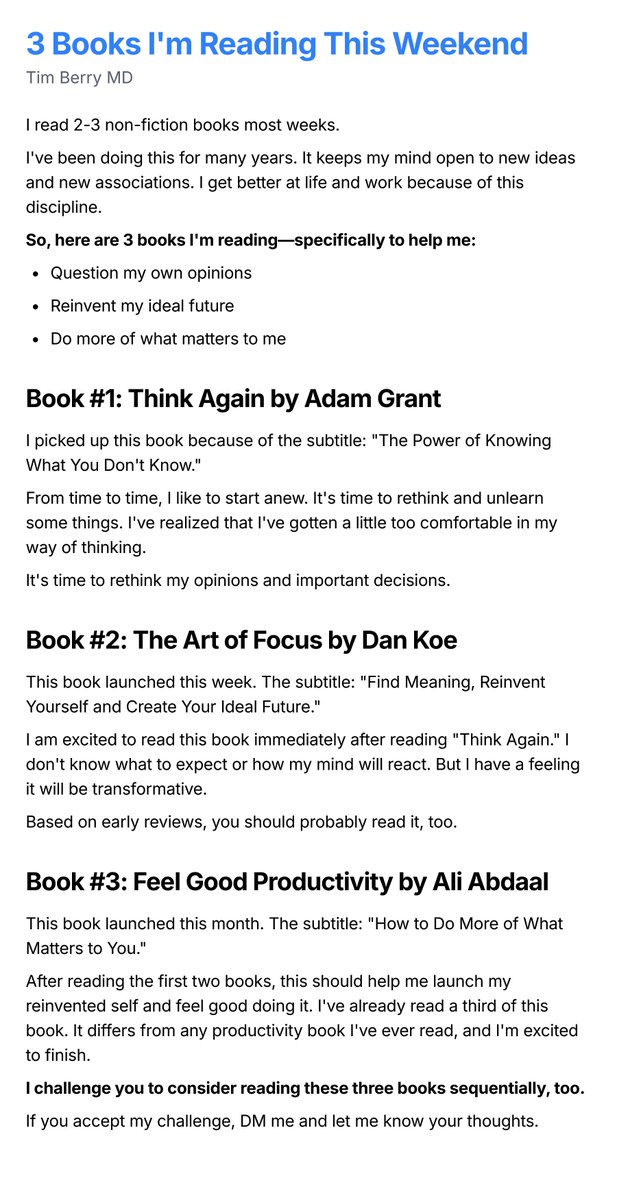
3 Books I'm Reading This Weekend...
Reading them should give me a new perspective on life. Super excited.
Authors: @AdamMGrant @thedankoe @AliAbdaal
English
Tim Berry 🚢 retweetledi

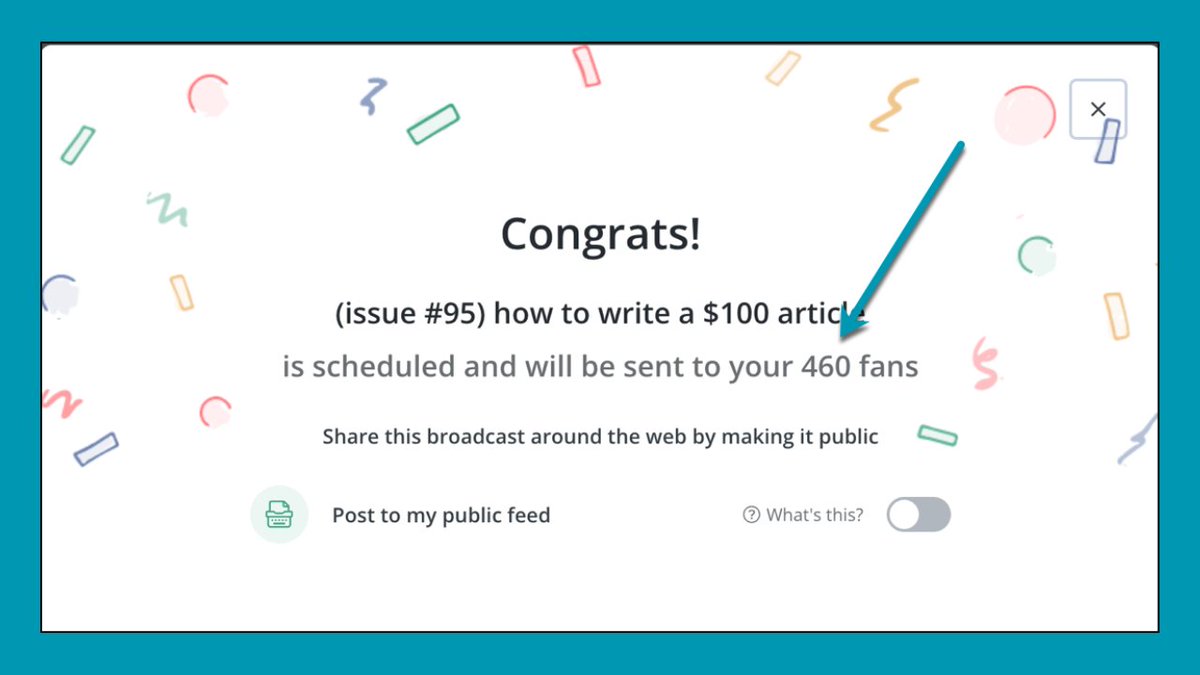
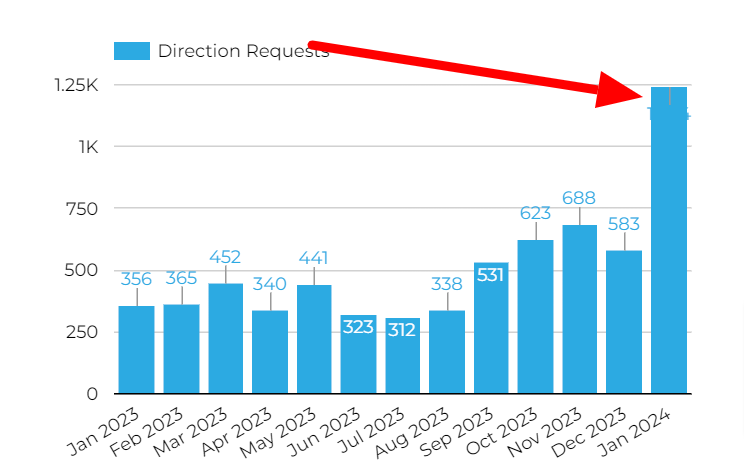
@JoyanneHawkins Busy handyman with 1250 visits per month. That doesn’t even count all the homes he has to visit for the work. Possibly the first billionaire handyman.
English

Yeah, I'm sure this handyman really saw this massive increase in driving directions last month to his dinky offices that no one visits. 🙄
No way this data is better or more accurate than before.
English
@orencohen The AirPod Pros fall out when I chew. I’m worried I’m going to eat them.
English
@MinHustler I doubt I qualify as a minimalist hustler but I get a ton of value from your content. I need to simplify a lot of my processes.
English

What is a Minimalist Hustler?
It’s probably not what you think,
or maybe it’s exactly what you think,
I have no clue what you think!
blog.startupstash.com/what-is-a-mini…
English
@NaokiMSonoda @MasakiUchihashi Same here. About every year or two I try latest, greatest keyboards, but come back to Apple. I’m used to the feel of the keys and can type faster on it.
English

@MasakiUchihashi I’ve tried a few mechanical keyboards, but always come back to my Apple Magic Keyboard. Basic, but works for me. I found the long stroke travel on mechanical keyboards to bother my hands. Trying to use voice to text for even more efficiency.
English

Unlocking Efficiency: The Case for an External Keyboard

English
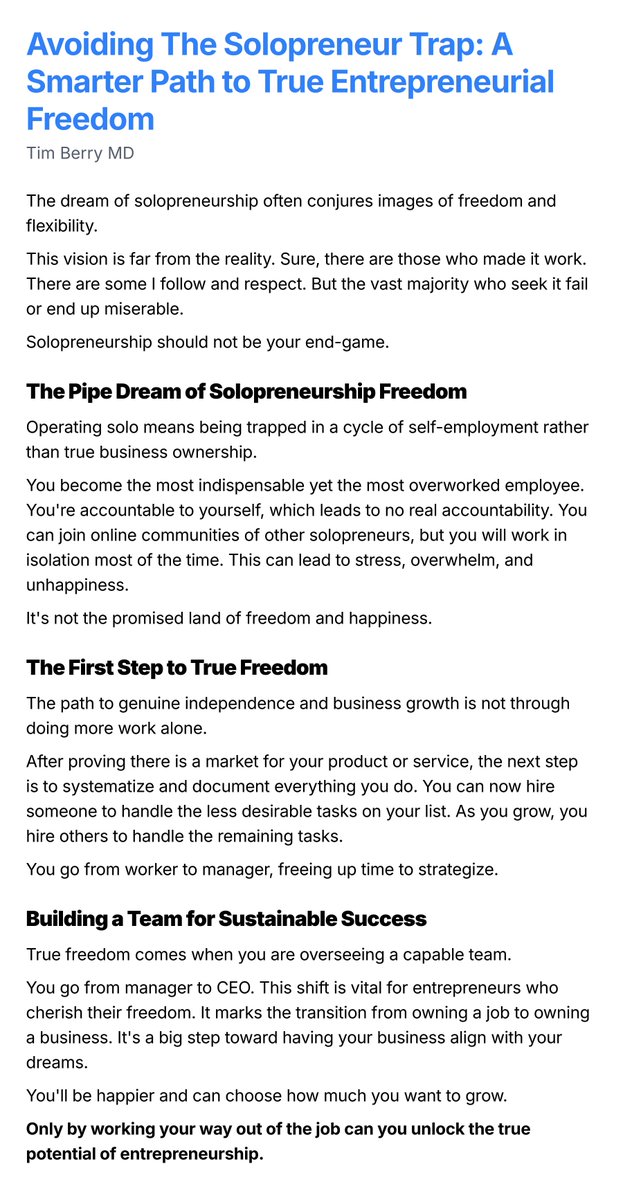
Avoiding The Solopreneur Trap: A Smarter Path to True Entrepreneurial Freedom
Solopreneurship should not be your end-game.
English
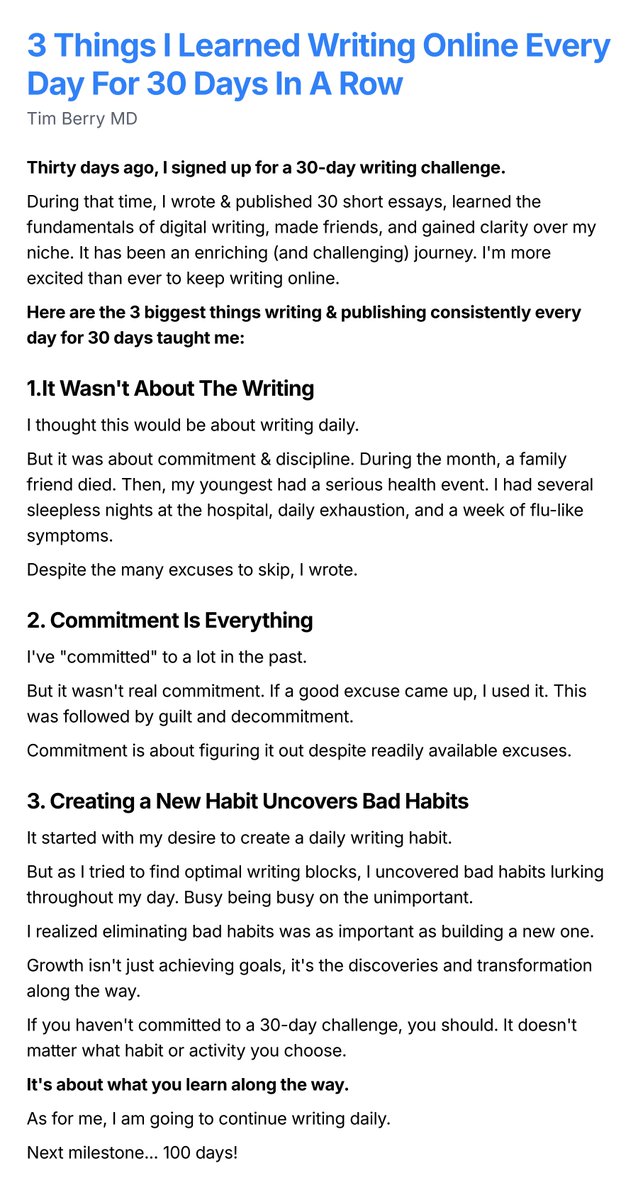
3 Things I Learned Writing Online Every Day For 30 Days In A Row
It wasn't about the writing.
It's about what you uncover during the process.
English
1 Ridiculous Habit I Used To Have—And How I Broke It
It's so absurd. I feel embarrassed to admit it.
Don't let it happen to you and your business.

English
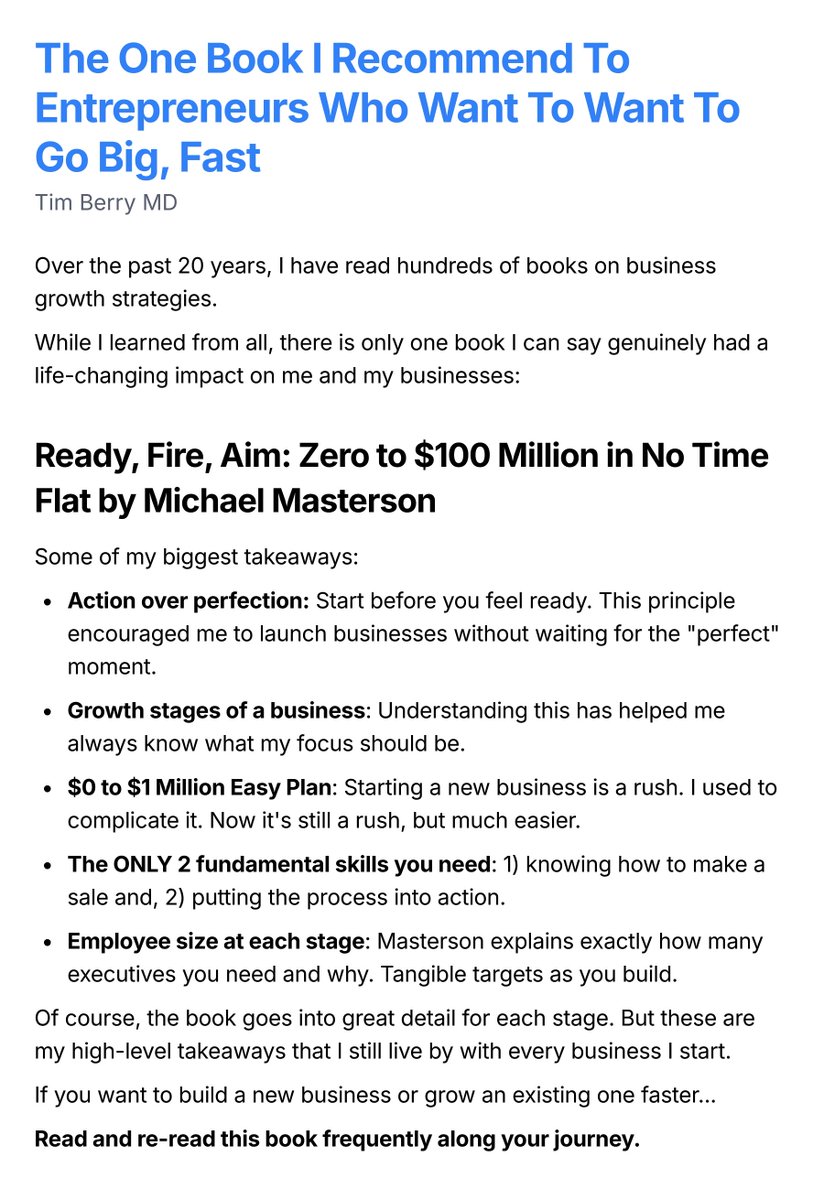
The One Book I Recommend To Entrepreneurs Who Want To Want To Go Big, Fast
You will want to read and re-read this book at each stage of your business journey.
English