Titanium Strength

31 posts

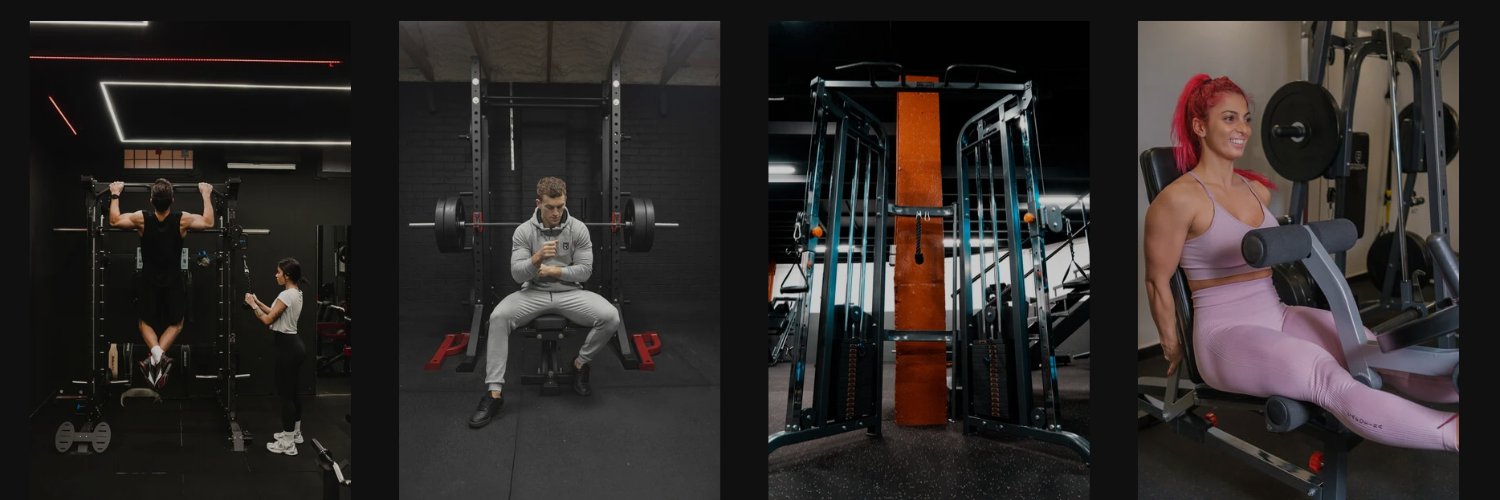
Titanium Strength banner
Titanium Strength

Titanium Strength

@TitaniumSTR

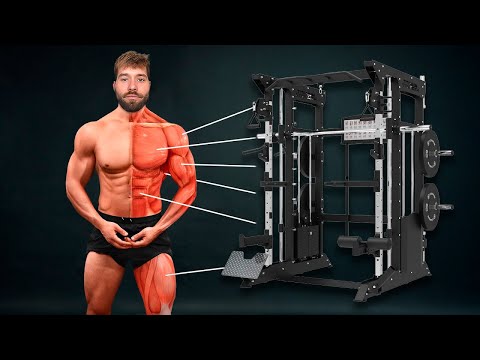
Welcome to the Twitter profile of Titanium Strength, your reference brand in muscle and cardio products.

Barcelona Katılım Aralık 2019
72 Takip Edilen111 Takipçiler
Titanium Strength retweetledi

2Playbook
2Playbook@2Playbook·
Titanium Strength crece en Europa fiando su apuesta por la musculación y el ‘home fitness’ Lo contamos de la mano de @TitaniumSTR  f.mtr.cool/culalkhgct
Español
0
2
3
726
Titanium Strength retweetledi
Huberman Lab Clips
Huberman Lab Clips@HLPClips·
Dr. Andrew Huberman (@hubermanlab) explains Dweck & Mueller’s landmark study showing why effort-based praise fuels real learning. "Rewarding yourself for effort is the best way to improve performance; rewarding yourself based on identity labels can actually undermine performance."
English
12
110
903
90.6K
Titanium Strength retweetledi
Jake • Fitness & Motivation
Jake • Fitness & Motivation@Jake_Motivation·
Your dream life is just around the corner when you choose to push through the hard.
English
6
4
9
2.2K
Titanium Strength retweetledi
Andrew D. Huberman, Ph.D.
Andrew D. Huberman, Ph.D.@hubermanlab·
The new Huberman Lab episode is out: Behaviors That Alter Your Genes to Improve Your Health & Performance | Dr. Melissa Ilardo (0:00) Melissa Ilardo (2:35) Nature vs Nurture, Gene Expression, Eye Color (7:06) Sponsors: Joovv & Eight Sleep (10:24) Epigenetics, Trauma, Mutations; Hybrid Vigor, Mate Attraction (15:47) Globalization; Homo Sapiens, Mating & Evolution; Mutations (25:28) Sea Nomads, Bajau & Moken Groups; Free Diving, Dangers & Gasp Reflex (32:52) Cultural Traditions, Free Diving & Families; Fishing (35:36) Mammalian Dive Reflex, Oxygen, Spleen, Cold Water & Face; Exercise (42:43) Sponsors: AG1 & LMNT (46:00) Free Diving, Spleen, Thyroid Hormone, Performance Enhancement (52:00) Dive Reflex, Immune System; Swimming & Health; Coastal Regions & Genetics (55:17) Female Free Divers, Haenyeo, Cold Water, Age, Protein (1:03:20) Human Evolution & Diet, Lactase, Fat (1:05:07) Korean Female Free Divers & Adaptations, Cardiovascular, Pregnancy (1:10:13) Miscarriages & Genetic Selection; Bajau, External Appearance, Mate Selection (1:17:15) Sponsor: Function (1:19:03) Free Diving, Underwater Vision; Super-Performers & Genetics (1:25:01) Cognitive Performance, Autism, Creativity; Genetic Determinism & Mindset (1:36:30) Genetics & Ethics, CRISPR, Embryo Genetic Screening (1:44:36) Admixture, Genetics; Are Humans a Single Species? (1:49:39) Zero-Cost Support, YouTube, Spotify & Apple Follow & Reviews, Sponsors, YouTube Feedback, Protocols Book, Social Media, Neural Network Newsletter Includes paid partnerships.
English
63
100
1K
666.2K
Titanium Strength retweetledi
David Sinclair
David Sinclair@davidasinclair·
NEW STUDY: People who consistently do vigorous exercise have slower rates of epigenetic aging compared to those who don't. Light to medium activities don't cut it tinyurl.com/k552u4my
David Sinclair tweet media
English
158
559
4.2K
765.9K
Titanium Strength retweetledi
Jeff Nippard
Jeff Nippard@JeffNippard·
What happens if you only do one rep?
English
11
18
517
42.8K
Titanium Strength retweetledi
Kenny Santucci
Kenny Santucci@KennySantucci·
Heavy swings
English
1
3
26
15.8K
Titanium Strength retweetledi
William A. Wallace, Ph.D.
William A. Wallace, Ph.D.@WilliamWallace·
Adding more potassium-rich foods to your diet, such as bananas or broccoli, might have a greater positive impact on your blood pressure than just cutting sodium. Researchers suggest that "Early humans ate lots of fruits and vegetables, and as a result, our body's regulatory systems may have evolved to work best with a high potassium, low sodium diet," A recently published modeling analysis (PMID: 39447116) looked at how dietary potassium and sodium affect blood pressure through renal sodium handling and fluid balance regulation (including in the analysis known sex differences). Study: - The modeling used validated sex-specific differences in human kidney physiology. - Potassium intake was doubled from baseline values while sodium intake was held at twice typical dietary levels, approximating intakes in industrialized societies. - Models evaluated how changes in electrolyte intake influenced renal sodium transport, kidney excretion of sodium, and systemic blood pressure. Mechanism: - Increased dietary potassium reduced proximal tubule sodium reabsorption, promoting increased kidney excretion of sodium and volume excretion. - Enhanced activation of potassium-sodium exchange and kidney excretion contributed to downstream blood pressure regulation. - Female exhibited inherently lower sodium reabsorption in the, offering greater resistance to hypertensive effects of higher sodium. Findings: 🔹 Systolic blood pressure reduction: - Doubling potassium intake led to a predicted 14 mmHg decrease in men and 10 mmHg in women, despite persistently high sodium intake (2x recommended amounts). 🔹 Electrolyte Balance: - Restoration of a higher potassium-to-sodium intake ratio aligned with evolutionary dietary patterns and improved modeled cardiovascular outcomes. Limitations: 🔸 Model-based: findings are from computational simulations, not clinical trials. No real-world interventions were tested in this study. 🔸 Outcomes are predictive and require experimental validation. 🔸 Models assume normal renal function and may not generalize to individuals with hypertension, CKD, or other comorbidities. 🔸 While biologically plausible, clinical relevance needs tested.
William A. Wallace, Ph.D. tweet media
English
1
6
75
2.4K
Titanium Strength retweetledi
Andy Galpin, PhD
Andy Galpin, PhD@DrAndyGalpin·
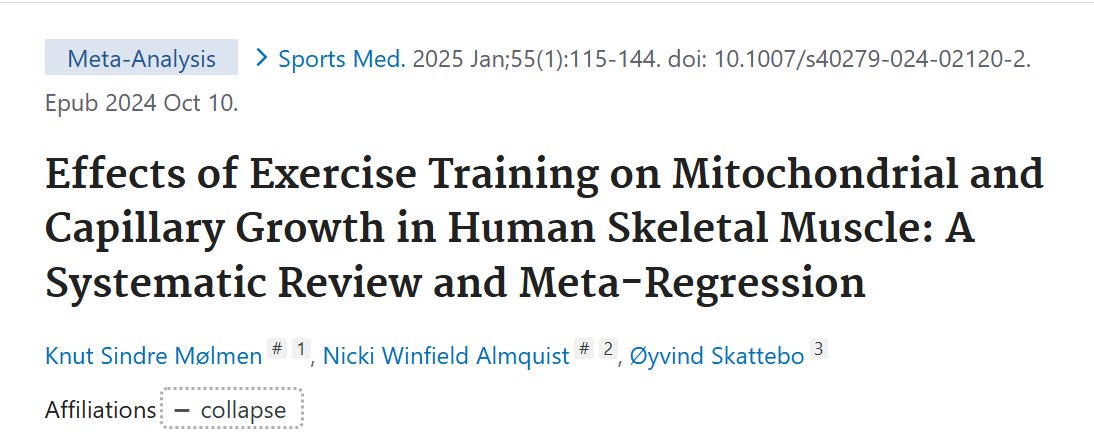
Don't let people fool you, if you're training hard, you're improving mitochondrial health. The intensity doesn't matter much (high or low both work). Check out this quote from a recent systematic review & meta-analysis. TLDR: Continuous endurance training, high-intensity intervals, and sprint intervals all produced nearly identical increases in mitochondrial content. "increases in mitochondrial content in response to exercise training increased to a similar extent with ET (23 ± 5%), HIT (27 ± 5%), and SIT (27 ± 7%) (P > 0.138), and were not influenced by age, sex, menopause, disease, or the amount of muscle mass engaged." PMID: 39390310
Andy Galpin, PhD tweet media
English
20
49
373
38.5K
Titanium Strength retweetledi
Bodybuilding.com
Bodybuilding.com@Bodybuildingcom·
Hydration is everything 🙏 Catch the full episode here: bit.ly/3NkZQTm
English
7
15
68
43.9K