La catastrofización en dolor persistente no es solo un error cognitivo. Puede ser una expresión del estado del sistema: carga acumulada, baja energía disponible y necesidad de protección.
humanoenmovimiento.com/2026/04/11/cua…
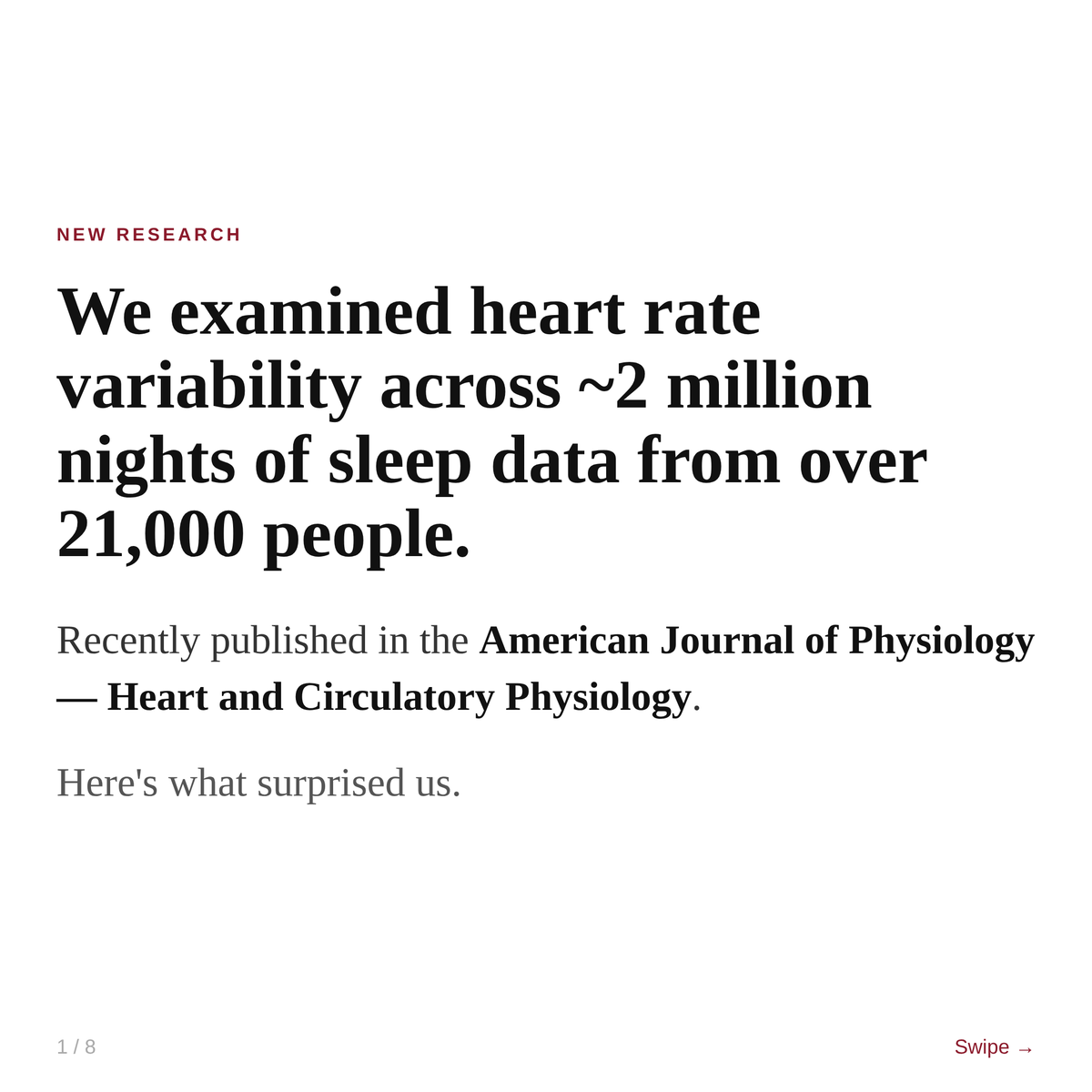
Proud to be a co-author alongside a great group of researchers on a new paper published in @ajpheartcirc & led by @DrGregGrosicki@altini_marco@WHOOP and others.
Quick context on what we measured & what we found
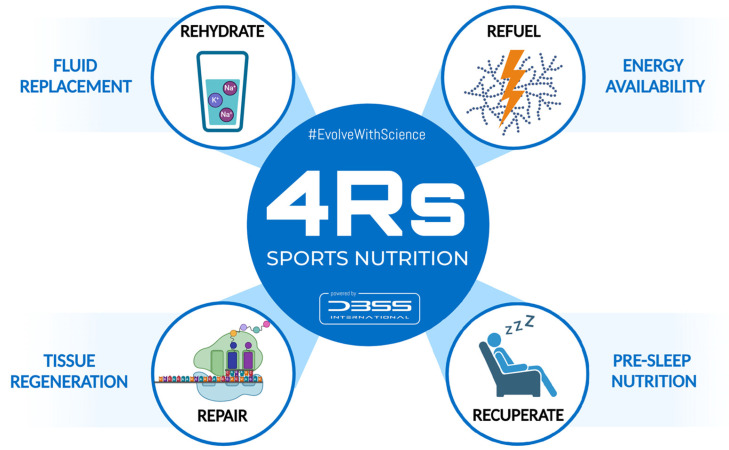
Recovery science + free tool!
The paper provides a link to a FREE app where you can enter your info, and it will calculate your protocol. Also helps you grade your supplement choices.
I love it! Making science more applicable.
Specific values included!
pmc.ncbi.nlm.nih.gov/articles/PMC12…
Cells & mitochondria speak their own language!
@MitoPsychoBio has beautifully written: how stressed mitochondria send signals to healthy ones & mito network formation to coherently allow energy flow.
It's wondrous to think of all the cellular languages we'll decode!
The last thing you tried is not the thing that cured you. Its like saying that hitting 'save' was the key to writing the paper. Ugghhhh... it was just the last step in a long-line of steps.
In many disease conditions it is TIME and marginal (small) cumulative gains that set the stage for recovery.
The fallacy of 'recency bias' - that the last thing you did is the thing that was important/key invalidates most recovery stories. Its not just infuriating - its stupid.
What might tip you over the edge into finally feeling better is almost for sure not the stuff that actually contributed to your improvement. It drives me bonkers! Bonkers!
More evidence on the link between metabolic health, muscle, and the brain.
This review (open access) makes a compelling argument that insulin resistance, chronic hyperglycaemia, mitochondrial dysfunction, oxidative stress, and inflammation interact to promote both muscle wasting and neurodegeneration.
One of the many, many reasons exercise has such a strong benefit for the entire physiological system.
It's not a guarantee, but avoiding type 2 diabetes is a pretty good way to avoid both sarcopenia & cognitive decline (especially Alzheimer's).
pubmed.ncbi.nlm.nih.gov/41275975/
Great perspective on the most fundamental layer of physics regulating the behavior of living systems: quantum biology.
frontiersin.org/journals/human…
By Neil Theise, also author of “Notes on Complexity”, a beautiful short book on principles and facts about the living world that put consciousness as the most fundamental layer of existence.
Quantum principles are different enough from the familiar principles underlying molecular biology and the physicallist/materiallist framework we’ve all grown up in that it’s difficult for most of us to even be interested in, let alone take seriously, the quantum aspects of life.
So much to learn as we expand the foundation of our understanding of living, conscious systems. Thank you Neil.
Notes on Complexity📕 worldofbooks.com/products/notes…
Two years of structured, vigorous exercise reversed about 20 years of age-related structural changes in the hearts of sedentary 50-year-olds
Under Dr. Ben Levine’s protocol, participants gradually built up to 5–6 hours/week of training, including Norwegian 4x4 intervals, endurance sessions, and strength work
By the end, the size and stiffness of their hearts resembled those of a typical 30-year-old
Vigorous exercise is powerful medicine
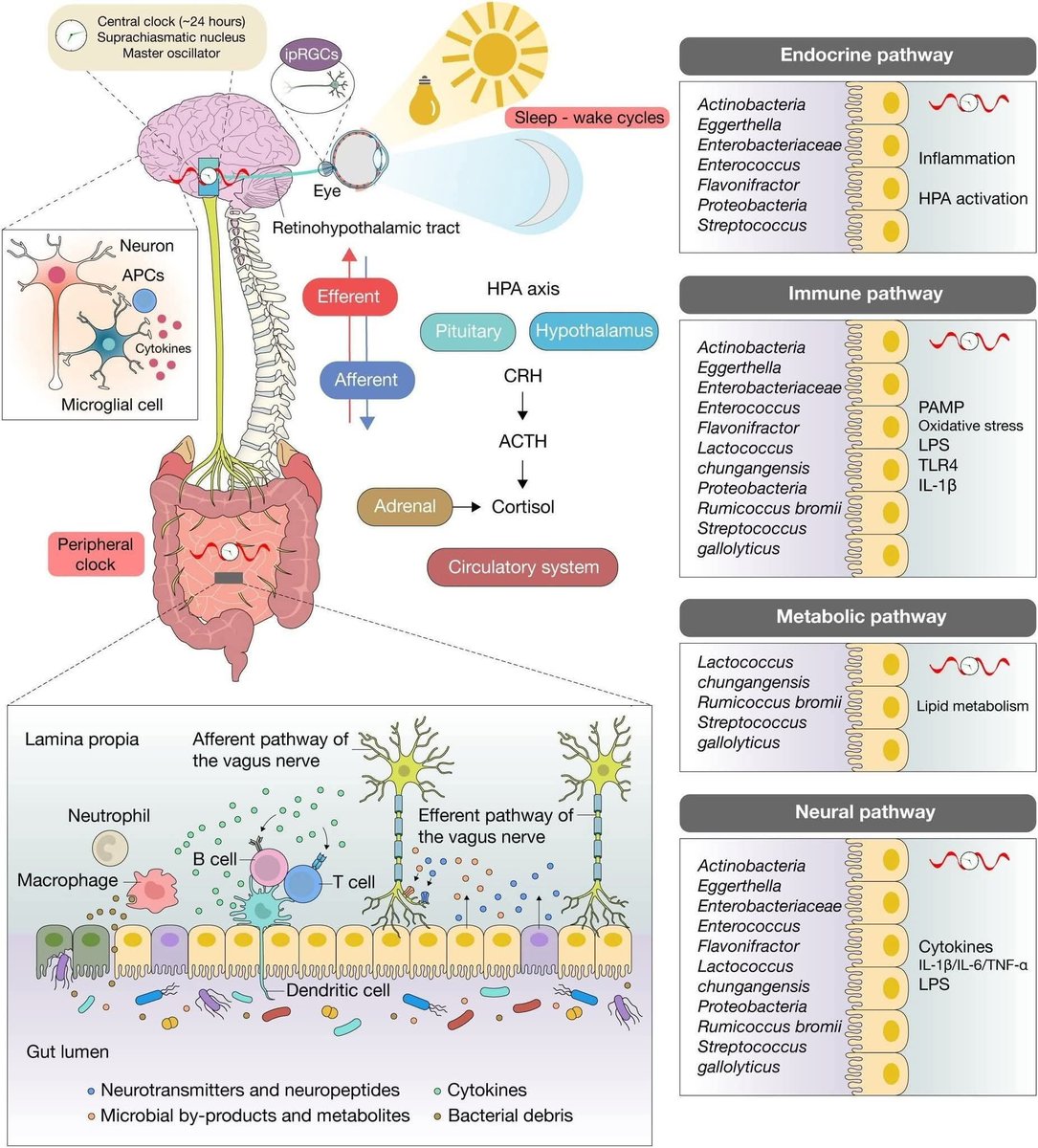
How your gut microbes help set your body’s internal clock
This figure shows how the gut and brain communicate through neural, immune, endocrine, and metabolic pathways that are influenced by the body’s internal clock. The microbiome, hormones, and light–dark cycles interact to coordinate sleep, metabolism, stress responses, and inflammation across the gut–brain axis.
1️⃣ Central and peripheral clocks
The brain’s master clock in the suprachiasmatic nucleus (SCN) aligns daily rhythms with environmental light through the retinohypothalamic tract. Peripheral clocks, including those in the gut, follow signals from the SCN but also respond to feeding times and microbial metabolites.
🟢 Example: Disrupted light exposure or irregular eating can desynchronize the gut’s circadian rhythm, altering microbial composition and metabolic regulation.
2️⃣ Endocrine pathway
The hypothalamic–pituitary–adrenal (HPA) axis links stress and circadian timing through hormone signaling. Gut microbes influence HPA activation by releasing metabolites and cytokines that affect cortisol release.
🟢 Example: Certain bacteria such as Actinobacteria and Streptococcus modulate HPA activity, contributing to changes in inflammation and stress hormone output.
3️⃣ Immune pathway
Microbial components interact with immune cells in the intestinal mucosa, producing cytokines that reach the brain through circulation or vagal signaling.
🟢 Example: Lipopolysaccharides (LPS) and pattern-associated molecules from gut bacteria trigger IL-1β and TNF-α release, linking dysbiosis to neuroinflammation and altered sleep quality.
4️⃣ Metabolic pathway
Microbes regulate lipid and glucose metabolism through production of short-chain fatty acids and other metabolites that follow circadian patterns.
🟢 Example: Species like Lactococcus chungangensis and Ruminococcus bromii affect lipid metabolism, aligning energy use with the body’s day–night cycle.
5️⃣ Neural pathway
The vagus nerve transmits microbial and immune signals bidirectionally between gut and brain. Neurotransmitters and microbial by-products influence mood, stress, and cognition through this circuit.
🟢 Example: Cytokines and bacterial metabolites act on vagal afferents, shaping neural activity in regions that regulate alertness and emotional balance.
Together, these pathways demonstrate how the microbiome acts as a peripheral clock that integrates environmental cues, diet, and stress signals with the brain’s circadian system. When alignment breaks down, it contributes to insomnia, metabolic dysfunction, and inflammation across multiple organ systems.
Source:
doi:10.3389/fpsyt.2025.1697200
New Lancet data on GLP-1 agonists 👇
A new paper in The Lancet eClinicalMedicine shows that when GLP-1 therapy is stopped, most people regain the lost weight and lose metabolic benefits. In practice, this means GLP-1s function as chronic, often lifelong therapy not a temporary fix.
To be clear, GLP-1 agonists are improving the health of many people, especially patients with obesity, type 2 diabetes and high cardiometabolic risk. For these individuals, weight loss can be genuinely life-changing.
The concern is not appropriate medical use but indiscriminate use. With millions already taking these drugs and numbers rising rapidly (specially with the new pill format), many users are not patients in the classical sense, but generally healthy or mildly overweight individuals. In this context, the risk–benefit balance changes. Once started, most users will need to stay on GLP-1s indefinitely or face significant rebound effects, often returning to baseline or worse.
As an important caveat: GLP-1s improve metabolic control, but they do not rebuild metabolic capacity. Without resistance training, meaningful metabolic work (Zone 2 and above), and adequate protein intake, long-term use may promote lean mass loss, low energy flux and increased frailty risk with aging.
In addition, we still lack long-term data on potential pancreatic, thyroid, and central neurotransmitter effects.
GLP-1s are powerful tools, but not a standalone solution. Long-term success requires pairing pharmacology with training and metabolic resilience.
IMHO: based on current clinical and research evidence, it is now urgent that clinicians clearly inform users that starting GLP-1 therapy likely means committing to long-term or lifelong use, with all the consequences that may entail.
thelancet.com/journals/eclin…
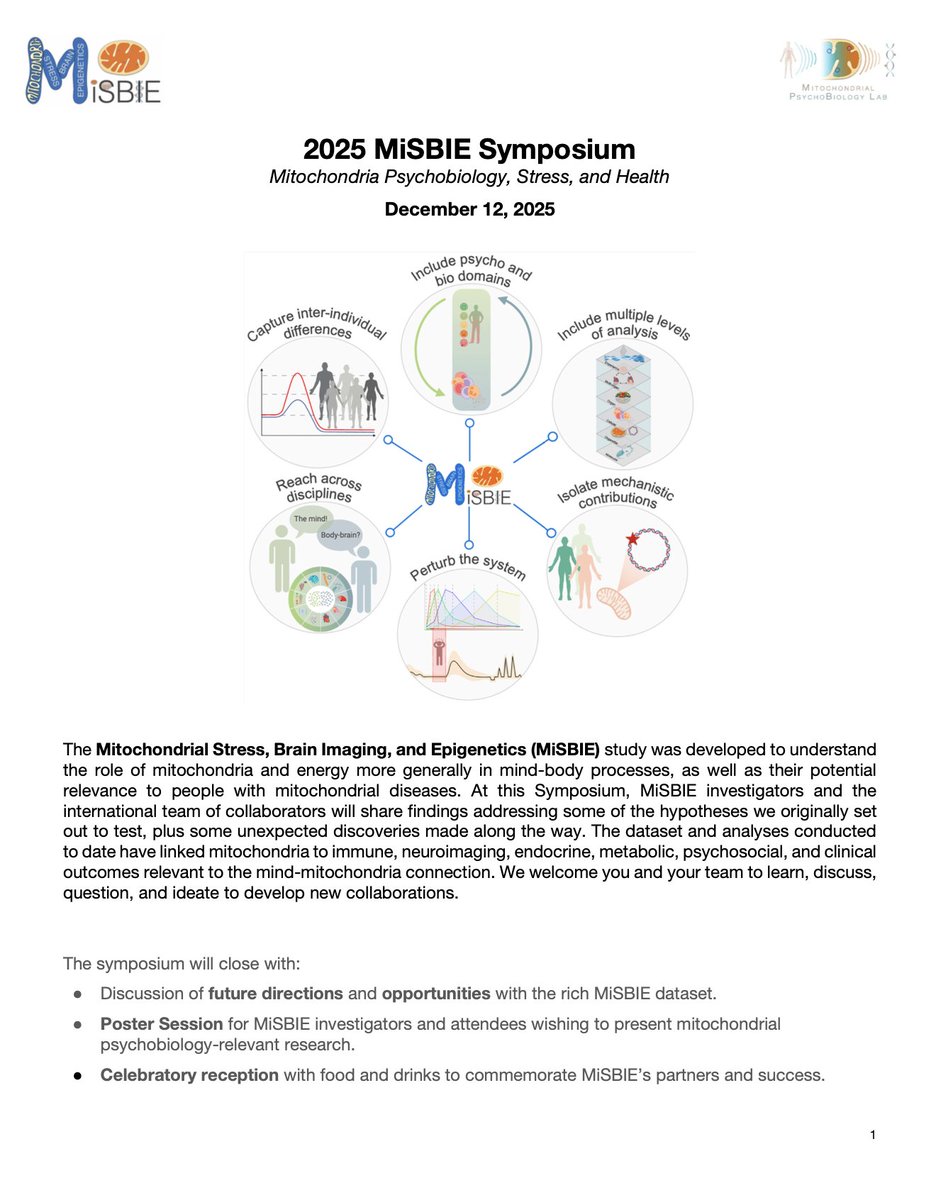
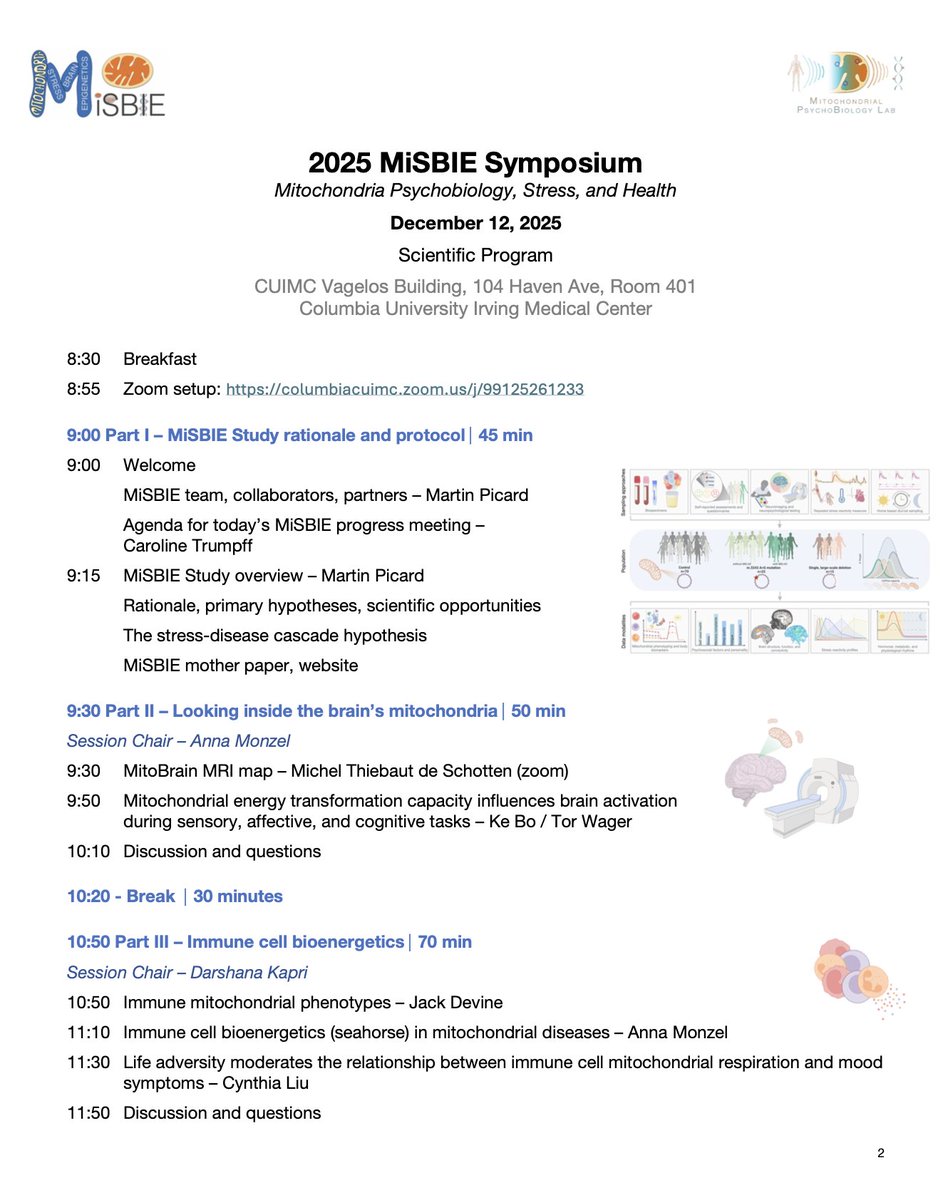
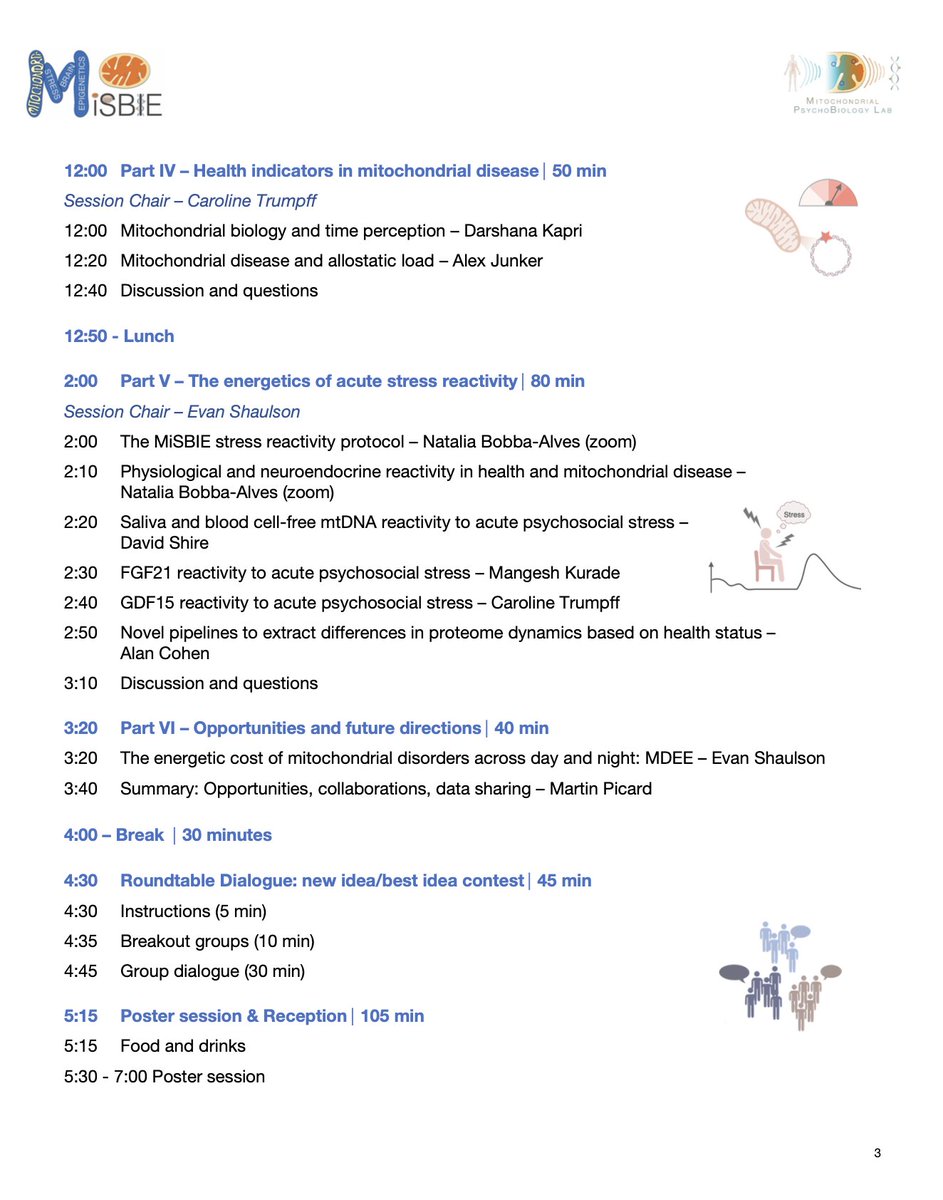
2025 MiSBIE Symposium
Mitochondrial Psychobiology, Stress, and Health
This Friday December 12
In person in NYC and on Zoom around the globe
Free registration: PicardLab.org/MiSBIE
Preliminary agenda:
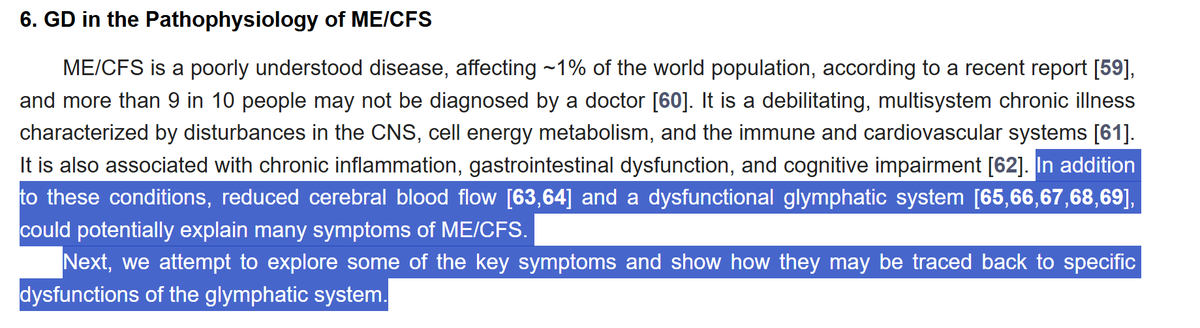
Finally! A paper that looks at the role of glymphatic system dysfunction specifically in MECFS.
Remember - we were not even aware of this system - the glymphatic system - existed until 2014. So, this is still cutting edge research.
search string for my previous posts on the glymphatic system: x.com/search?q=glymp…
Importantly, we now know that glymphatic system dysfunction is likely a big player in Alzheimer's pathology (and that while not identical, much of the pathology seen in Alzheimer's is also seen in MECFS).
The basic links is: Not getting enough restorative (DEEP) sleep. This is the sleep stage that occurs early on in the night. The one many of us miss entirely or almost entirely because we are too adrenalized and mast cell circadian shifted to get this crucial sleep stage.
Its in the deep sleep stage where the glymphatic function cleans out the build up of toxins in the brain. In people with neurodegenerative and other conditions MORE toxins are produced than in otherwise healthy people so it makes sense that this sleep period is even more important for us than it is for healthy people.
As hard as it is to get more deep sleep in MECFS it is one of the most important things you can work on. For years I let my circadian shift run wild and slept mostly in the early morning. I was always up at night. This was a period of severe decline and was the worst my state had ever been.
It took a long time to get sleep back on track. It was a priority for me for a long time - but I did it. I still get less deep sleep than I want - but it has improved and the improvement is very obvious - both mentally and physically.
The difference between an OK day and a bad day now is almost always because I loosened up on my sleep hygiene (which is not the same as for healthy people).
I have a lot of posts on sleep - search "sleep (from:chydorina)". x.com/search?q=sleep…
Glymphatic System Dysregulation as a Key Contributor to Myalgic Encephalomyelitis/Chronic Fatigue Syndrome
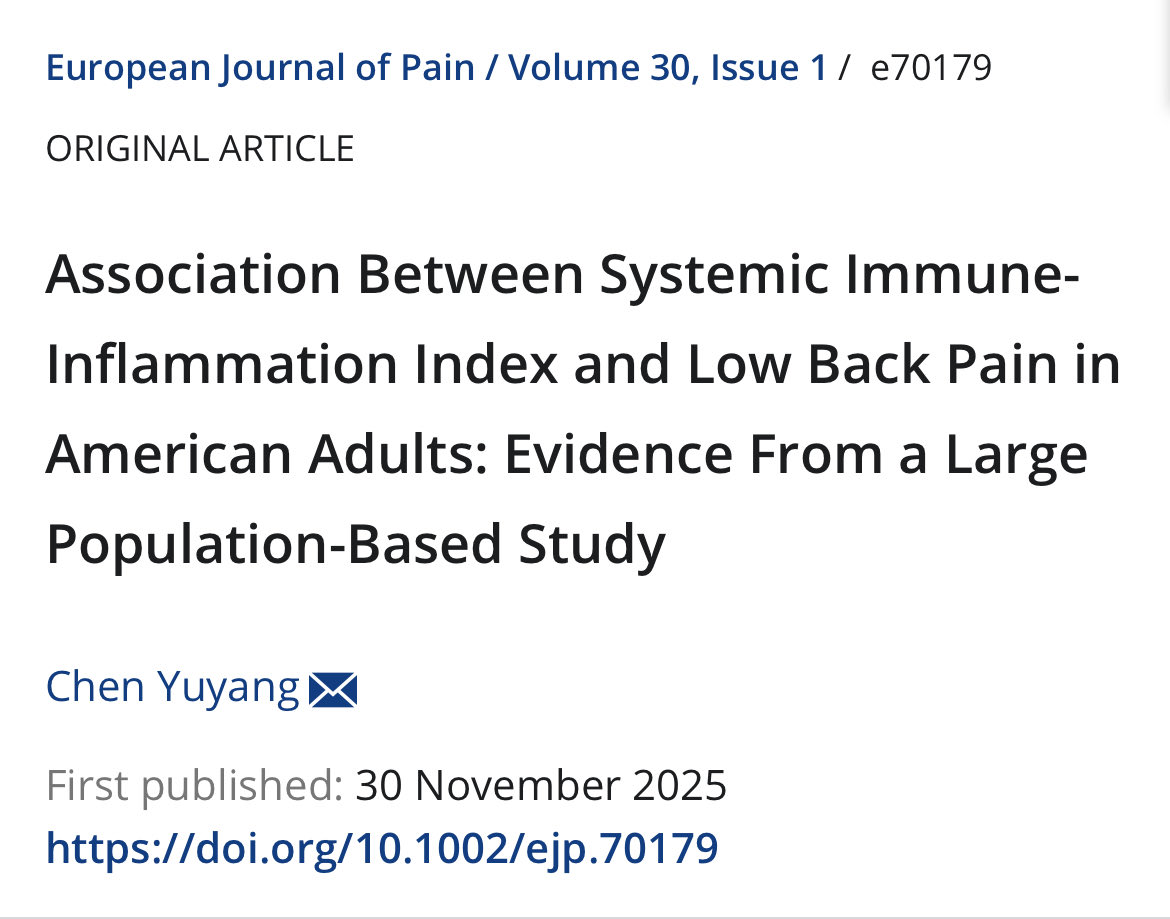
New study n=17.2K found that high Systemic Immune-Inflammatory Index is associated with large effect sizes to have low back pain. The index score is calculated from a standard Complete Blood Count (CBC) to measure body-wide inflammation.
People with higher levels of inflammation in their blood were 66% more likely to suffer from low back pain! The link was strongest in young adults (ages 20–40). In this group, high inflammation doubled the risk of back pain.
La campaña «ten a tu mejor bebé» revela una deriva inquietante: la transformación de la vida en un producto y de la infancia en un proyecto de perfección manufacturada. Ese lenguaje no nace del cuidado, sino del imaginario transhumanista que promete intervenir, mejorar y optimizar al ser humano como si fuese una máquina actualizable. Nos invitan a aspirar al «mejor bebé» del mismo modo que antes se aspiraba al mejor móvil, al mejor rendimiento o a la mejor versión «acerca de» uno mismo. El mensaje de fondo es nítido: lo natural no basta, lo humano necesita ser corregido.
Pero la infancia no es un experimento ni un prototipo. La infancia no necesita optimización, necesita verdad, vínculo, presencia. Un hijo no se fabrica, no se diseña, no se calibran sus virtudes en un laboratorio emocional. Un hijo se acompaña, se cría, se ama. Y esa es la única mejora que no deshumaniza.
Early childhood trauma can increase your odds of developing:
- Depression
- Suicidal ideation
Yet standard antidepressants often fail this group in adulthood.
A new discovery suggests this stress response protein is to blame...🧵