Wirral Archaeology

3.8K posts

Wirral Archaeology banner
Wirral Archaeology

Wirral Archaeology

@Wirral_Archaeol

®️™️ Original voluntary group. Estd 1990. Community archaeology. History & heritage of Wirral. #SearchForTheBattleofBrunanburh ®️™️ #CheshireShore #RomanRoad

Wirral, UK Katılım Nisan 2018
252 Takip Edilen891 Takipçiler
Wirral Archaeology retweetledi
Dr. M.F. Khan
Dr. M.F. Khan@Dr_TheHistories·
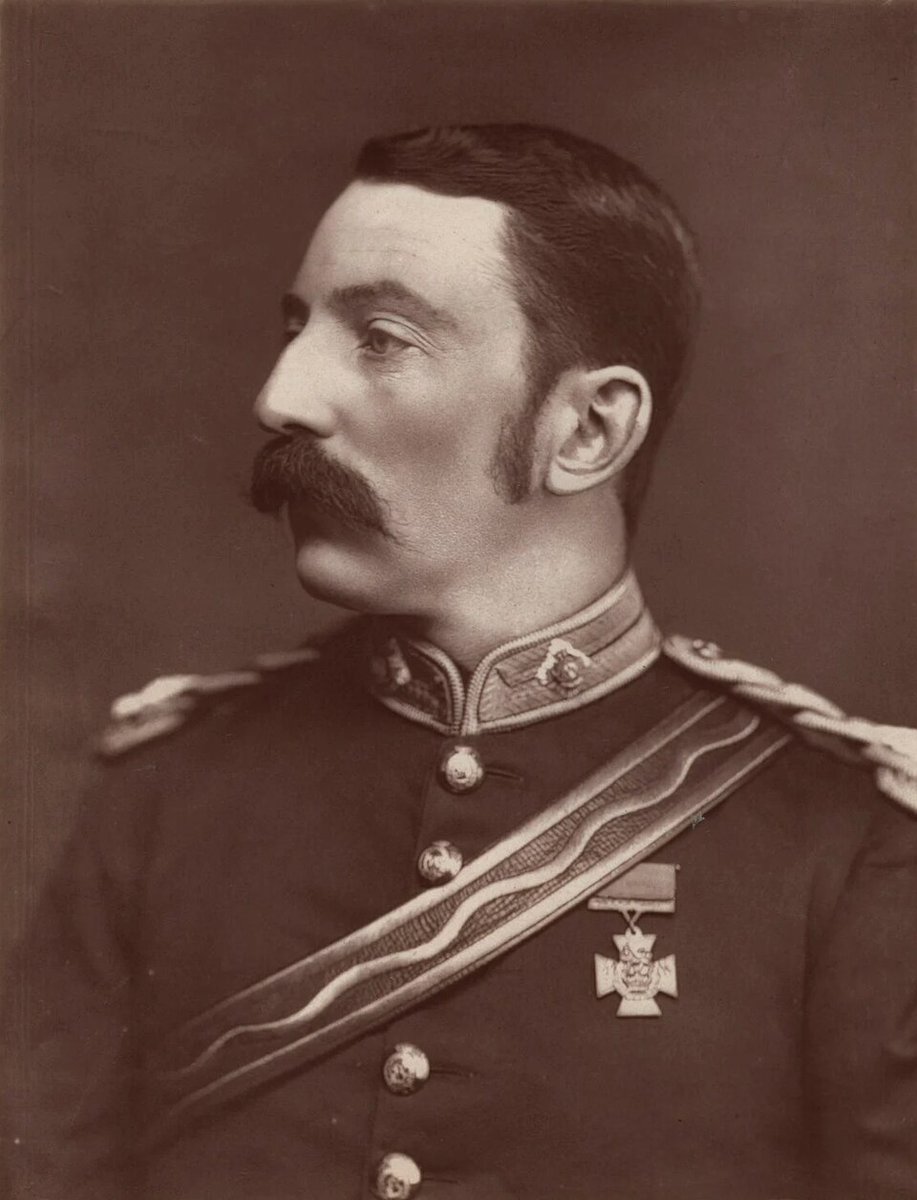
Lieutenant John Chard, who famously commanded the British forces at the Battle of Rorke's Drift in 1879... At 31 years old, with eleven years of military service and not a single day of combat behind him, John Chard assumed command of 150 men — thirty of them hospital patients — and held a fortified station against 4,000 Zulu warriors. He had spent his career as a Royal Engineer. Bermuda, 1870. Malta, 1874. Constructing fortifications. Improving sea defences. He was a lieutenant assigned to repair a pontoon bridge at the Rorke's Drift mission station when, on the morning of 22 January 1879, news arrived from Isandlwana: over 1,300 British soldiers had been killed. And 4,000 Zulu warriors were crossing the valley. Chard was the senior officer present — not by merit, by the date of his commission, three years earlier than his counterpart's. Command fell to him by technicality. He ordered them not to retreat. A garrison of 150, moving through open ground with carts of hospital patients, would be run down. He directed the rapid construction of a defensive perimeter from mealie bags and biscuit boxes. When the hospital was breached and set on fire, he ordered an inner redoubt built from biscuit tins to save those still inside. For ten to twelve hours, he held that line. The Zulus attacked in mass waves, hand to hand. Seventeen of his men died. Four hundred of theirs did not leave the station alive. The Victoria Cross citation was published in the London Gazette on 2 May 1879. Queen Victoria invited him to Balmoral in October of that year and presented him with a gold signet ring. Historical analysis of the defence, conducted across the following century, concluded uniformly that his specific engineering decisions — the perimeter, the inner redoubt — were the reasons the garrison survived. The institution had a different conclusion. In the months following Rorke's Drift, those above him privately characterised Chard as a dull, heavy man scarcely able to perform routine work. They placed eleven Victoria Crosses at Rorke's Drift alongside political calculations they resented, and Chard absorbed the consequence. He was quietly assigned to Cyprus. Then Singapore. Then Perth, Scotland. He held these posts for eighteen years. He did not see combat again. He accepted each posting without recorded complaint. He continued to serve as a Royal Engineer — doing the work he was given in the garrisons he was sent to. In January 1893, he was promoted to Lieutenant Colonel. On 8 January 1897, he was promoted to Colonel. Ten months later, on 1 November 1897, he died of cancer of the tongue at the age of forty-nine. Every subsequent military analysis of the defence of Rorke's Drift has confirmed the same conclusion: his decisions — made in the first minutes of command, without experience, without preparation, on the basis of engineering logic applied to desperate necessity — are the reason 133 men came home. Military historians have, in the decades since, systematically dismantled the characterisation that followed him through the last eighteen years of his career. © Reddit #drthehistories
Dr. M.F. Khan tweet media
English
61
369
2.4K
83.8K
Wirral Archaeology retweetledi
Kate North
Kate North@katephillips29·
The salutation/visitation - an excellent 15th century wall painting depicting Elizabeth, pregnant with John the Baptist and Mary, pregnant with Jesus. Apparently quite rare - and it’s amazing how well it’s survived! 🤩 St. Mary’s and All Saints, Willingham, Cambridgeshire
Kate North tweet media
English
14
103
672
11.4K
Wirral Archaeology retweetledi
Eleanor Parker
Eleanor Parker@ClerkofOxford·
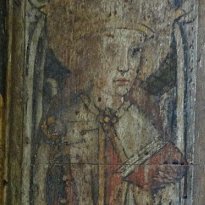
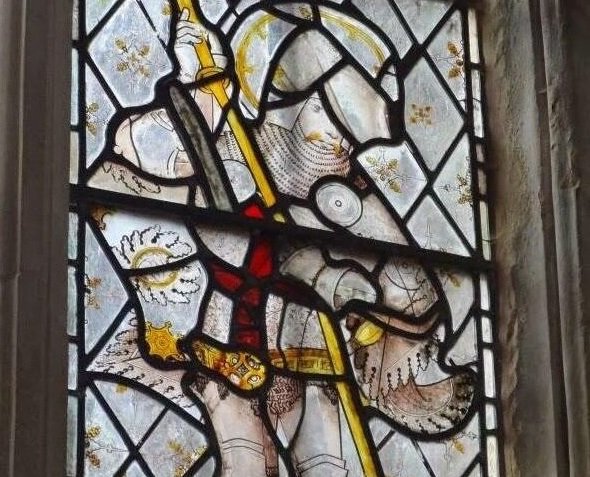
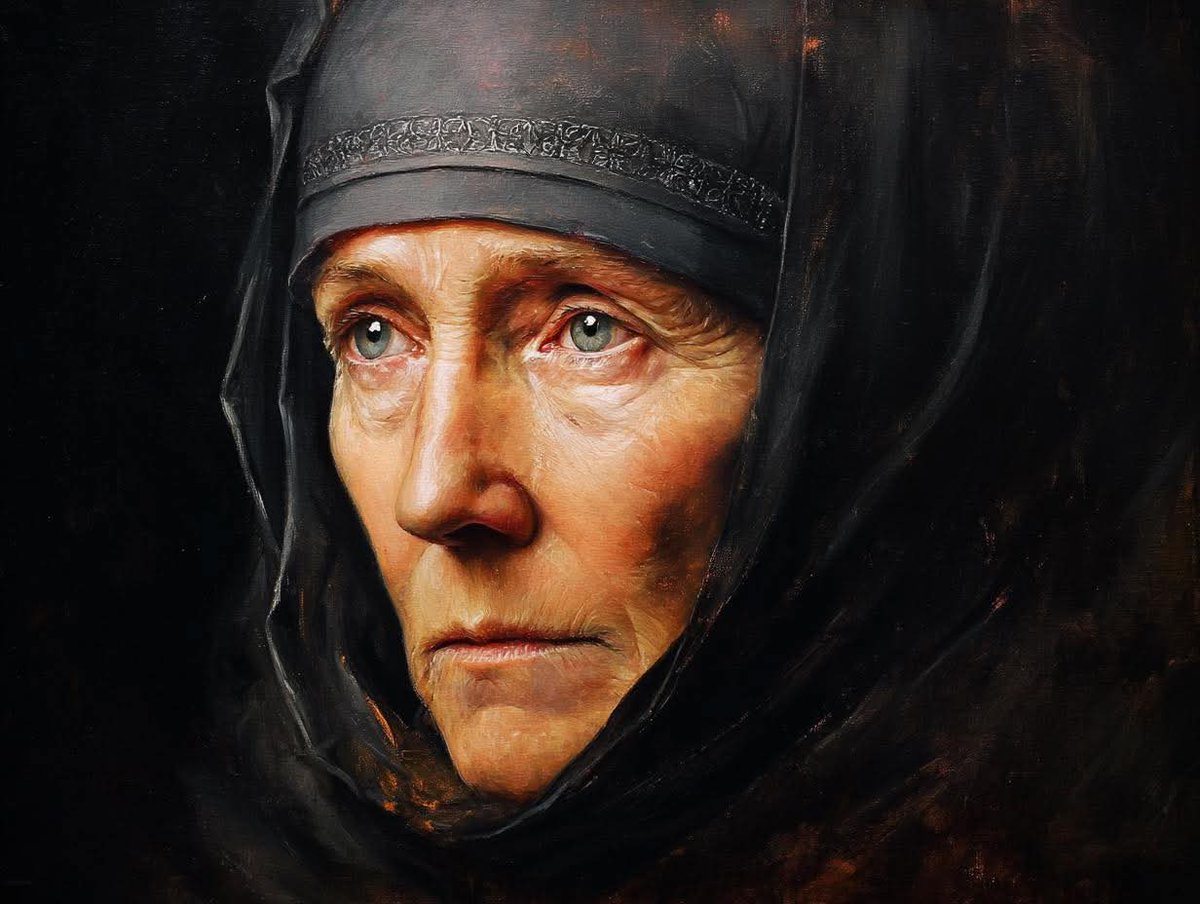
'Enfors we us with all our might To love Seint George, our Lady's knight.' A medieval English carol to St George, which credits him with helping to bring victory at the Battle of Agincourt: aclerkofoxford.blogspot.com/2011/04/st-geo…
Eleanor Parker tweet media
English
1
64
219
5.2K
Wirral Archaeology
Wirral Archaeology@Wirral_Archaeol·
Happy Saint George's Day...🇬🇧 ? Although, the Norman's probably imposed St George to replace the original Anglo Saxon patron saint of Saint Edmund. History being rewritten by the victors.
Wirral Archaeology tweet media
English
0
0
1
38
Wirral Archaeology retweetledi
Parody Richard III’s Ghost
Parody Richard III’s Ghost@RichardIIIGhost·
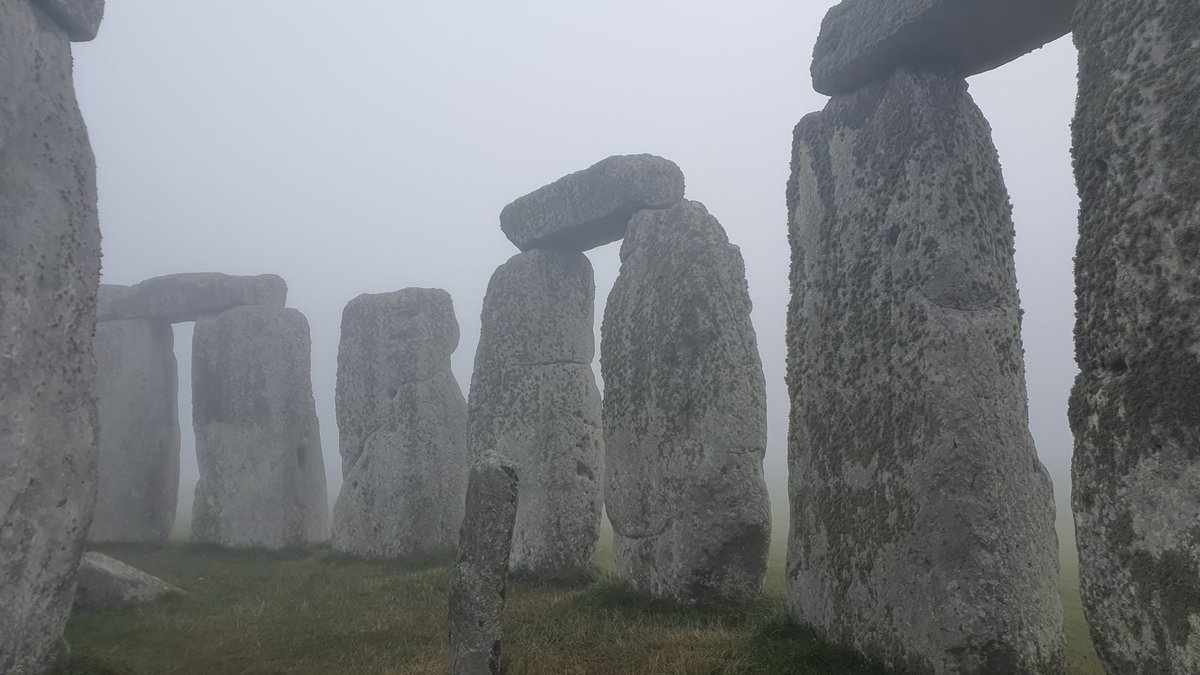
West Riding Day is celebrated annually on 29th of March to honour the heritage of the historic West Riding of Yorkshire. It marks the anniversary of the 1461 Battle of Towton, one of the bloodiest battles on English soil.
Parody Richard III’s Ghost tweet media
English
1
13
63
853
Wirral Archaeology retweetledi
Jennifer Thetford-Kay
Jennifer Thetford-Kay@JenKteach·
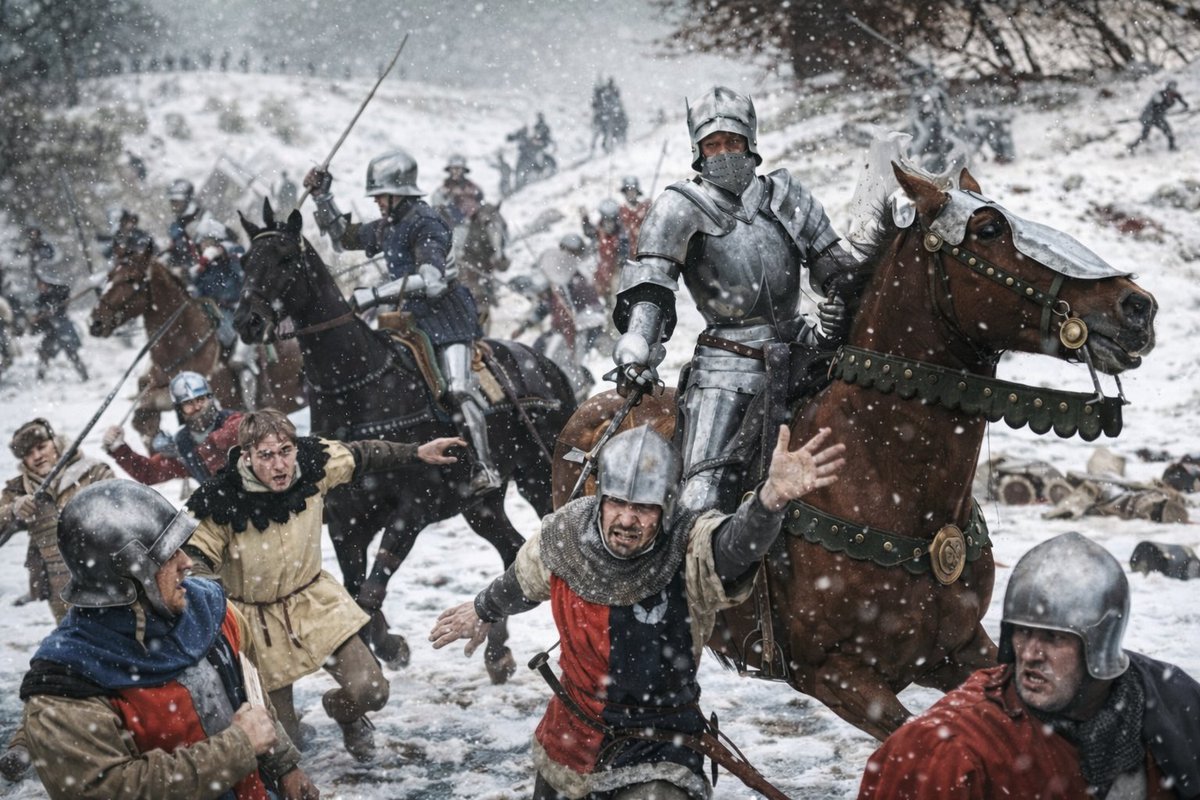
On this day, The Battle of Towton, North Yorkshire occured, during the Wars of the Roses: In a blinding snowstorm on Palm Sunday, 29th March 1461, Yorkist forces under Edward IV (recently proclaimed king) decisively defeated the larger Lancastrian army in what contemporary heralds and chroniclers described as probably the largest and bloodiest battle ever fought on English soil. Fought near the village of Towton, the clash pitted around 50,000–60,000 men against each other in brutal hand-to-hand fighting that lasted up to 10 hours. The Lancastrians, commanded by the Duke of Somerset and other nobles (Henry VI and Queen Margaret were not present on the field but remained in York), were routed; many were slaughtered in the pursuit across Bloody Meadow and Cock Beck. A widely circulated contemporary newsletter (April 1461) and heralds’ count reported 28,000 dead; the figure echoed in Edward IV’s letters and later popular accounts. More plausible contemporary analysis, places total fatalities at roughly 3,000–10,000 (Yorkists 3,000–4,500; Lancastrians 6,000–8,500), still exceptionally high for medieval England. Edward had already been proclaimed king in London on 4th March 1461; Towton confirmed and consolidated his position. Henry VI, Margaret of Anjou, and their son fled to Scotland. The Towton Cross memorial now stands on the battlefield. It remains one of the bloodiest medieval English battles by proportion and brutality.
Jennifer Thetford-Kay tweet mediaJennifer Thetford-Kay tweet mediaJennifer Thetford-Kay tweet mediaJennifer Thetford-Kay tweet media
English
1
2
8
569
Wirral Archaeology retweetledi
The Deep Dive Files.
The Deep Dive Files.@TheDDfiles·
The bloodiest day in British history happened in a blinding snowstorm. ❄️⚔️ On this day in 1461, over 28,000 men were slaughtered at the Battle of Towton during the Wars of the Roses. Men fought hand-to-hand for 10 exhausting hours until the snow literally turned red. Power always demands a terrifying price in blood. 👑🩸 #MedievalHistory #HistoryFacts
The Deep Dive Files. tweet media
English
0
2
4
79
Wirral Archaeology retweetledi
Medieval History Buff
Medieval History Buff@Medievalhtybuff·
#OTD (29th March) 1461 The Battle of Towton is fought, resulting in a brutal Yorkist victory that leads to England getting a new king in the shape of the 18 year old Edward IV, replacing the hapless Henry VI. Edward's victory came at a heavy cost with Towton said to be the bloodiest battle fought on English soil.
Medieval History Buff tweet media
English
4
10
92
1.8K
Wirral Archaeology retweetledi
Prof. Frank McDonough
Prof. Frank McDonough@FXMC1957·
29 March 1461. Yorkist Edward IV defeated Henry VI’s Lancastrians at the Battle of Towton in Yorkshire. Fought in the middle of a snow storm, with 100,000 men on the battlefield, it was then the largest military battle on English soil. It ended the Lancastrian dynasty
Prof. Frank McDonough tweet media
English
2
41
147
4.7K
Wirral Archaeology retweetledi
The English Remnant
The English Remnant@Englishremnant·
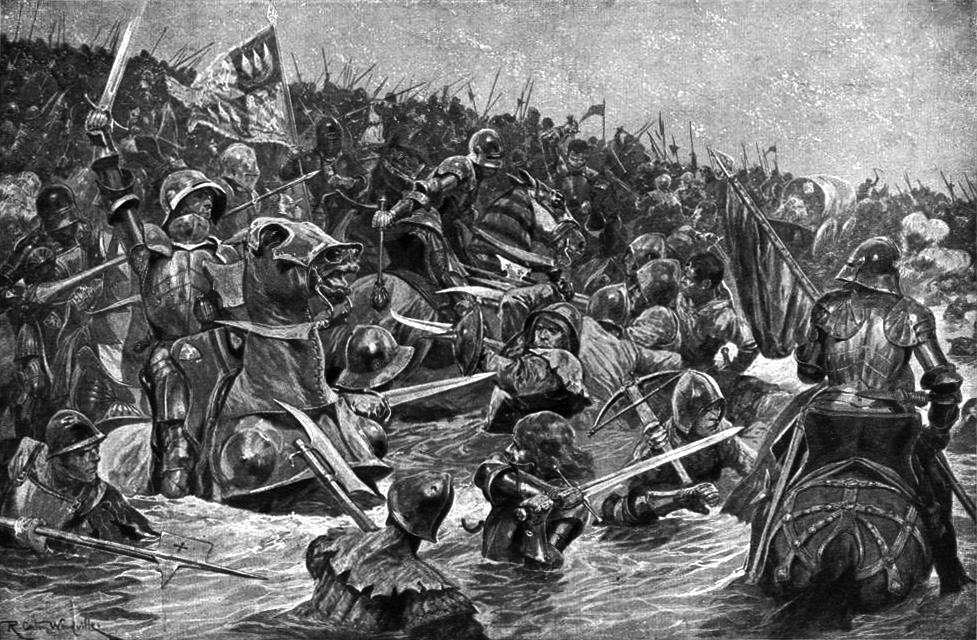
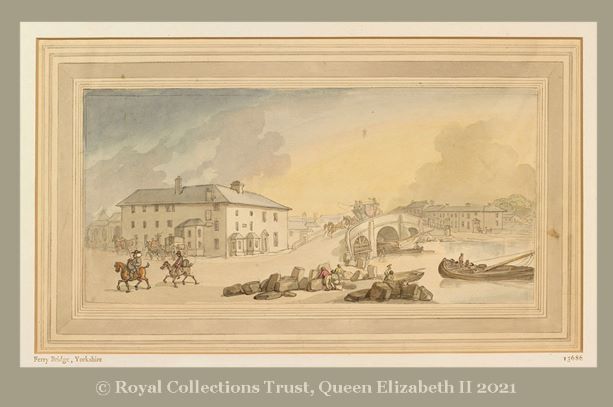
28 March 1461 - Ferrybridge Before Towton, there was Ferrybridge. At first light, Lancastrian forces struck hard at the River Aire crossing, catching the Yorkists unready. Men were dragged from sleep, cut down in the dark, pushed back from the bridge. For a moment, the advance north was broken. Then came the response. Fauconberg rallied what was left, turned them back, and hit hard. The crossing was retaken. The road reopened. It wasn’t the main battle, but it decided everything that followed. The next day at Towton, England would bleed. 🏴󠁧󠁢󠁥󠁮󠁧󠁿
The English Remnant tweet media
English
0
19
96
1.9K
Wirral Archaeology retweetledi
The English Remnant
The English Remnant@Englishremnant·
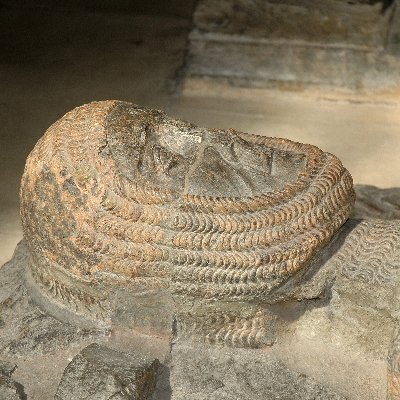
Palm Sunday, 29 March 1461. Towton. Snow, wind, and around 50,000 men facing each other - York against Lancaster. English men fighting and killing each other in the snow. The Yorkist archers used the wind to their advantage, forcing the Lancastrians forward and turning it into a brutal, drawn-out fight at close quarters that lasted for hours. When Norfolk’s men arrived, it broke the stalemate. The Lancastrian line collapsed, and the retreat turned into a slaughter, men cut down as they fled across fields and into rivers. Around 9,000 to 13,000 killed. The bloodiest battle on English soil. Edward IV came out of it king. 🏴󠁧󠁢󠁥󠁮󠁧󠁿
The English Remnant tweet media
English
0
26
123
2.3K
Wirral Archaeology retweetledi
Military History Now
Military History Now@MilHistNow·
Today in 1461, the armies of York and Lancaster clash at Towton. The battle, which takes place in a snowstorm on Palm Sunday, will be remembered as one of bloodiest fought on English soil. As many as 9,000 Lancastrians are slain; Yorkists suffer 900 dead. militaryhistorynow.com/2022/03/08/gri…
Military History Now tweet media
English
3
33
156
6K
Wirral Archaeology retweetledi
Battlefields Trust
Battlefields Trust@battleftrust·
28/29 March 1461: Battle of 'Towton'. Fierce fighting between Yorkist and Lancastrian forces at Ferrybridge continues with further battles between Sherburn-in-Elmet and Tadcaster. The Yorkists emerge victorious under a new king, Edward IV See Battlefields Hub in our bio.
Battlefields Trust tweet mediaBattlefields Trust tweet media
English
0
7
29
458
Wirral Archaeology retweetledi
Durham Cathedral
Durham Cathedral@durhamcathedral·
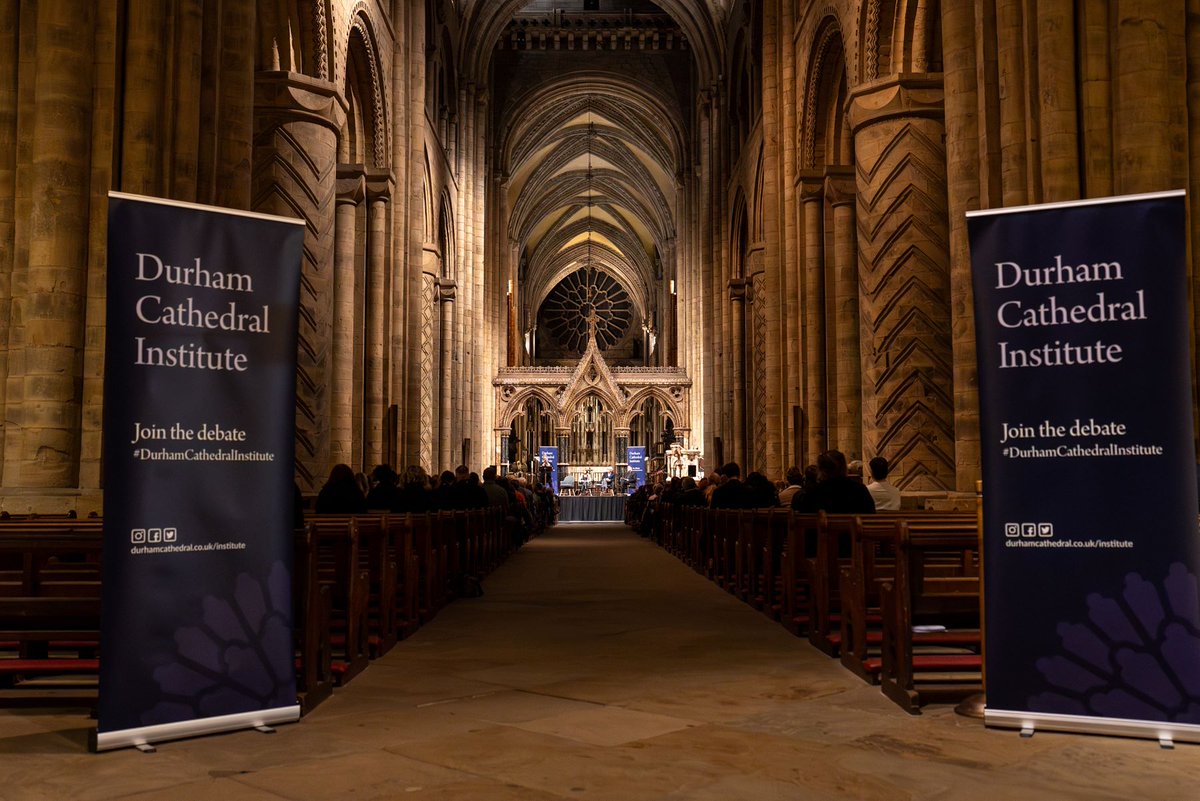
We are excited to announce that historian Tom Holland @holland_tom will speak on Cuthbert, Bede and the Renewal of Culture as part of the Durham Cathedral Institute, marking his appointment to the newly created honorary role of Bede Librarian.
Durham Cathedral tweet mediaDurham Cathedral tweet media
English
9
47
581
87.9K
Wirral Archaeology retweetledi
Michael Glasper
Michael Glasper@MichaelCGlasper·
The whole thing is back on iPlayer, lads.
Michael Glasper tweet media
English
45
67
1.4K
145.2K
Wirral Archaeology retweetledi
ArchaeoHistories
ArchaeoHistories@histories_arch·
In 12th Century, inside a convent perched on a wooded hill in Alsace, a woman quietly began assembling one of the most ambitious intellectual works of the Middle Ages. Her name was Herrad of Landsberg, and she was the abbess of the Abbey of Hohenburg, a religious community of educated women. At a time when universities were just beginning to form—and when most formal scholarship was dominated by men—Herrad created a vast illustrated encyclopedia designed to educate the young women under her care. She called it *Hortus Deliciarum*, or “The Garden of Delights.” The work was extraordinary. Part theological guide, part scientific compendium, part literary anthology, it gathered knowledge from across the medieval world. Herrad and the nuns working with her compiled writings on philosophy, biblical history, astronomy, ethics, music, and classical literature. The manuscript also included poetry, commentary, and hundreds of vivid illustrations that explained complex ideas visually. More than 300 images filled its pages—intricate diagrams of the cosmos, allegorical scenes of virtue and vice, and portraits of scholars and saints. These images weren’t decorative. They were educational tools meant to help women understand the structure of the universe, the nature of morality, and humanity’s place within divine creation. What makes the work even more remarkable is its collaborative spirit. Herrad oversaw the project, but the manuscript reflects the labor of an entire community of learned women who copied texts, painted images, and preserved knowledge together inside the convent walls. In an age when women were often excluded from intellectual institutions, Herrad created one of her own. The original manuscript survived for centuries before being tragically destroyed in 1870 during the Siege of Strasbourg in the Franco-Prussian War. But scholars had copied many of its pages beforehand, allowing historians to reconstruct much of its brilliance. Today Herrad of Landsberg stands as one of the earliest known female encyclopedists—a reminder that medieval women were not merely passive observers of history. Some were architects of knowledge itself, building gardens of learning long before the world was ready to recognize them. © Women In World History #archaeohistories
ArchaeoHistories tweet media
English
4
77
333
8.8K
Wirral Archaeology retweetledi
Medieval Manuscripts
Medieval Manuscripts@BLMedieval·
Hwaet! The digitised images of the Beowulf Manuscript (Cotton MS Vitellius A XV) have been restored online. You can consult the entire manuscript through the online catalogue: searcharchives.bl.uk/catalog/040-00…
Medieval Manuscripts tweet media
English
15
176
625
20.8K
Wirral Archaeology retweetledi
Stonehenge U.K
Stonehenge U.K@ST0NEHENGE·
Sunrise at Stonehenge today (8th March) was at 6.37am, sunset is at 6.00pm 🌫
Stonehenge U.K tweet media
Compton Chamberlayne, England 🇬🇧 English
7
289
1.6K
12.2K
Wirral Archaeology
Wirral Archaeology@Wirral_Archaeol·
protections and enhancement of local communities, landscape qualities, wildlife and biodiversity, farming communities and operations. Also suggested a comprehensive long term Public Health Impact Assessment be carried out and published.
English
0
0
2
61
Wirral Archaeology
Wirral Archaeology@Wirral_Archaeol·
#PeakCluster pipeline proposal. We submitted comments during the consultation. If project proceeds we stressed need for continous (not watching brief) archaeological investigations along the Wirral route, and prompt publication of all results. In addition, we stressed need for
English
1
1
4
152