Lue Elizondo@LueElizondo
Joe, I completely sympathize with those who are confused. In fact, there is definitely some blurring of the lines and grey areas. Let me see if this helps.
1. AAWSAP was the original contract vehicle that was approved and executed in 2008, although discussions occurred before that from my understanding. This included BAAS as the primary contractor. Focus included UAP and anomalies at Skin Walker Ranch
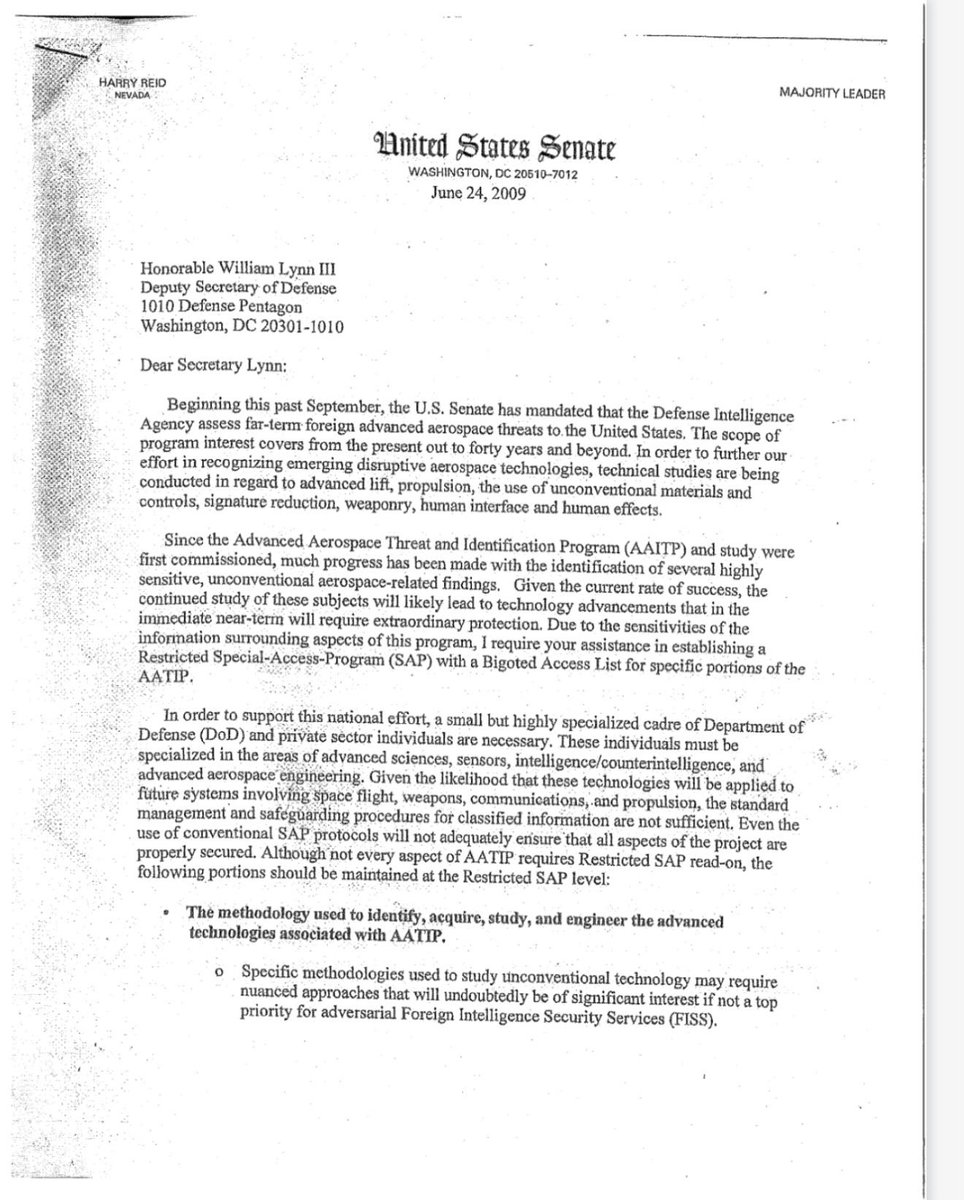
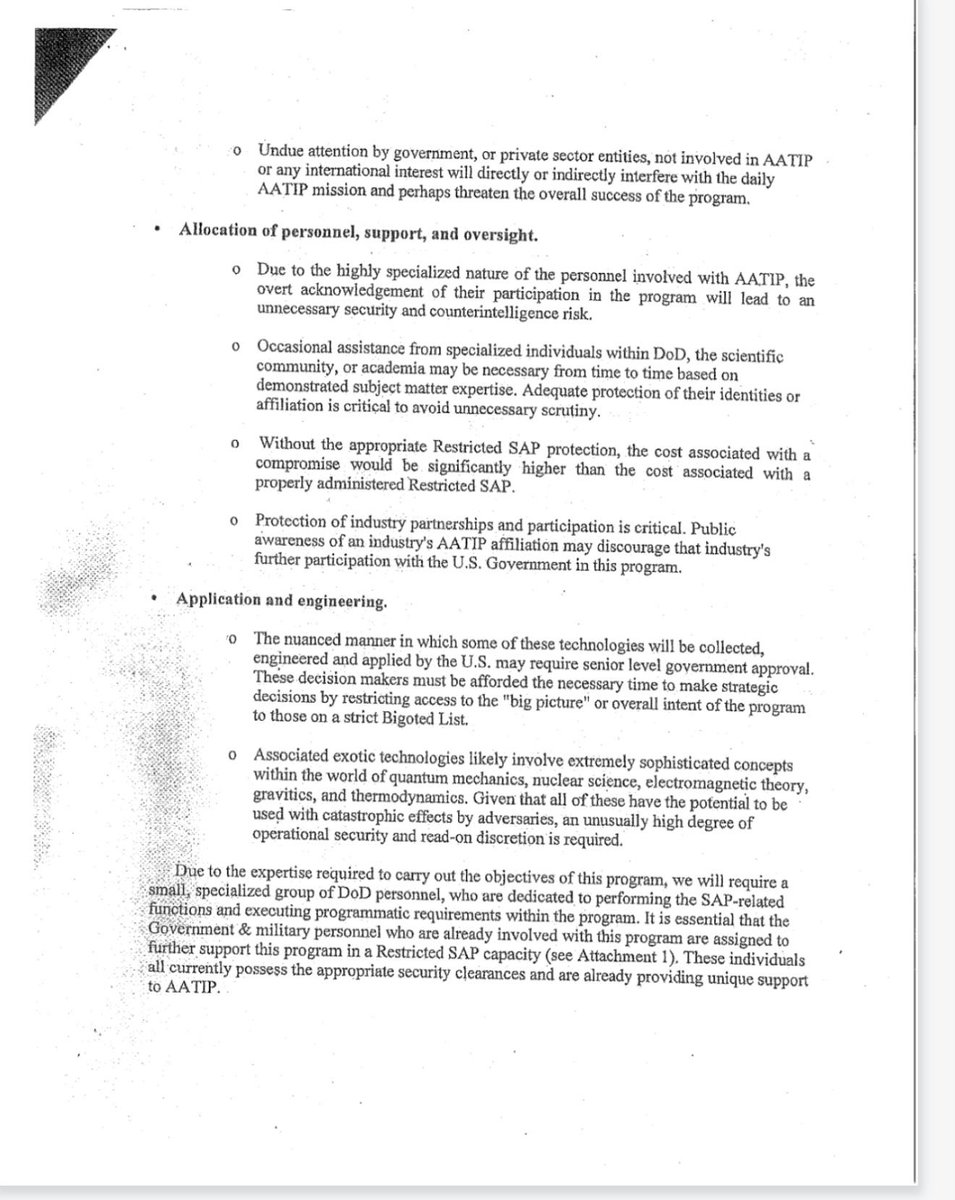
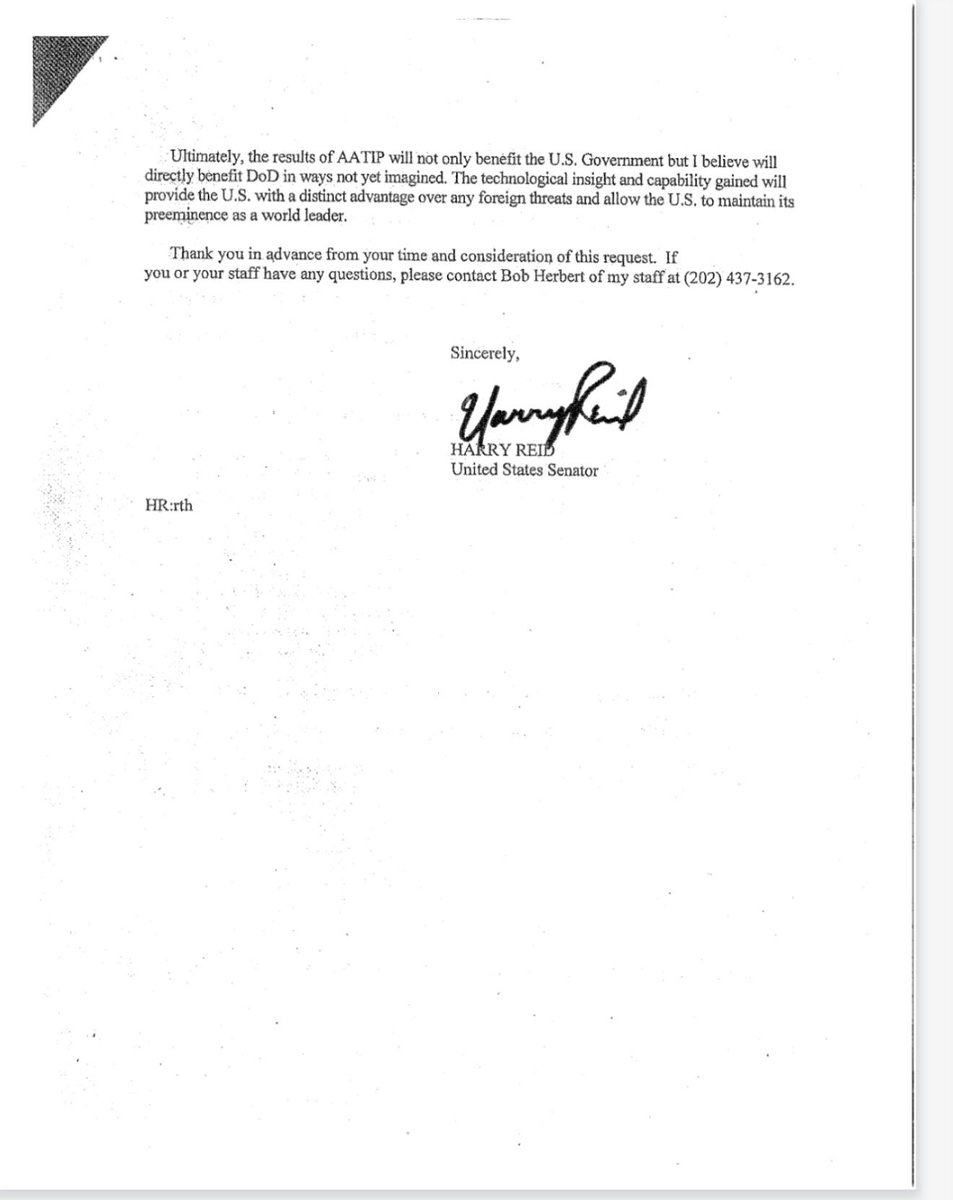
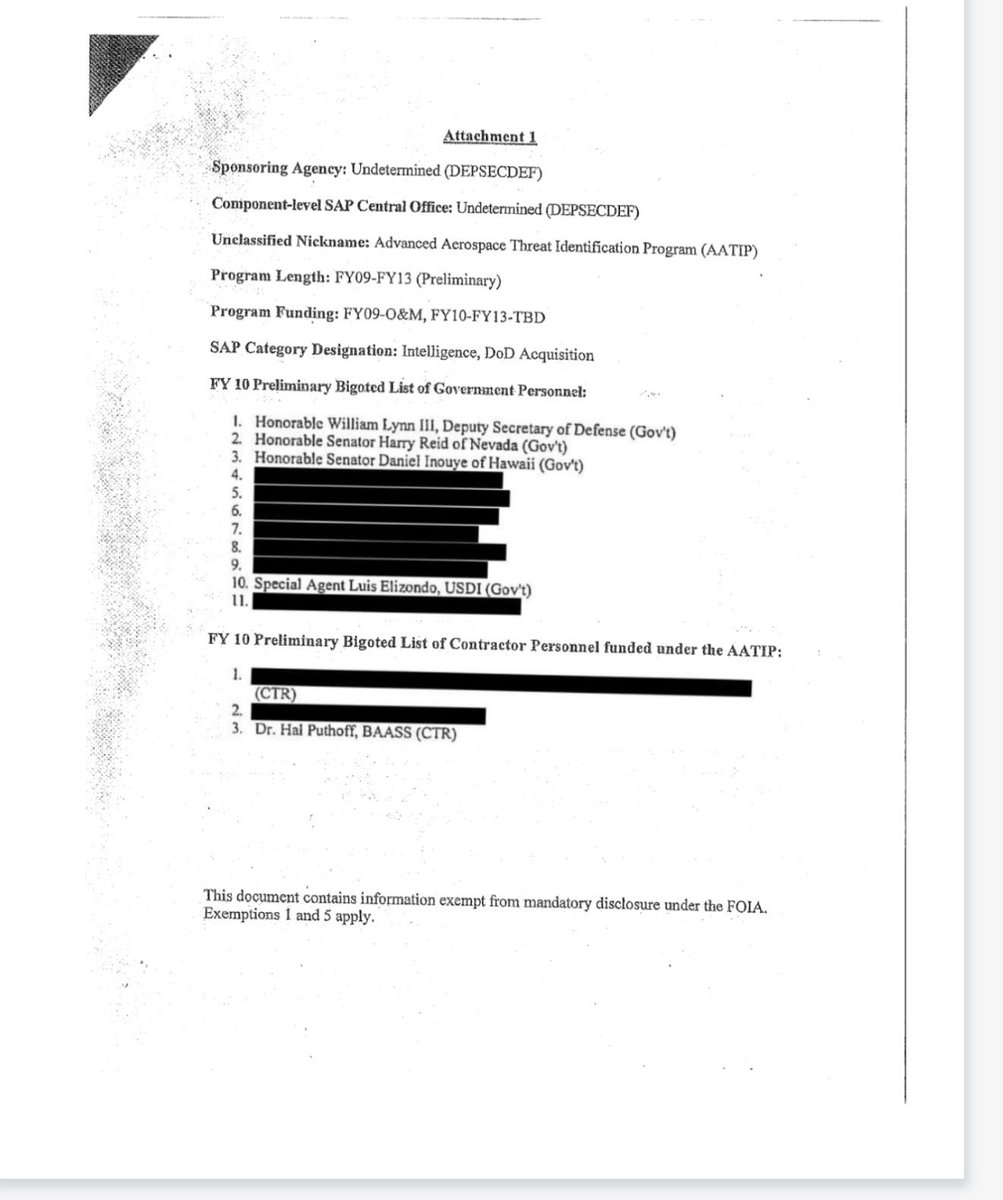
2. AATIP was created to focus solely on military encounters with UAP. The 2009 memo demonstrates this. Keep in mind that justifying the spending of military resources (people, travel, time, etc) requires a military focus. This means showing a clear connection to military equities. The perfect example is the Nimitz incident and investigation that Jay conducted. I was part of AATIP already but focusing on the security element.
3. From 2009 to 2012 both AATIP and AAWSAP were run simultaneously. Meaning, AAWSAP was focusing on the ranch and some archival UAP cases (for which I was not part of so I can’t really speak to any degree of authority involving AAWSAP. As for me, at AATIP we were focused on military encounters with UAP which there were many.
4. In 2012, funding for AAWSAP ended and from my understanding those efforts ended (I could be wrong here because I wasnt really involved with that effort. With the finding done for AAWSAP, AATIP continued. In 2013 and 2014, we had another 10 million that was provided to us (AATIP) through appropriations but the language was vague and so the money didn’t come to us and instead taken by another element in USD(I), much to our disappointment. Fortunately I managed activities that allowed me to use our own resources to keep the program alive. By this point, we had plenty of military incidents to review and triage.
5. AATIP continued throughout 2014, 2015, and 2016 but it became clear to me, Jay, and others we would need more resources and more top cover. We also wanted the Air Force to authorize material transfer from specific aerospace contractors to AATIP. Those elements said we needed a new memo from SecAF to replace an existing one that directed these contractors to maintain the material. We were unsuccessful getting that memo from SecAf.
6. When Gen Mattis became SecDef I saw it as an opportunity to see if we could get a memo from the SecDef, thereby trumping (forgive the pun) the SecAf. To do this, we would need to brief his staff. Please keep in mind that all the while AATIP had been placed into DoD control systems but very few people in the new chain of command were even aware of it. So this was the perfect opportunity to kill 2 birds with 1 stone. I.e. get top cover at the highest level while also getting a memo signed by SecDef to allow certain contractors to hand over the material they said they already had. Chris Mellon knew folks in the SecDef front office and introduced us. I already had served with Mattis overseas but I didn’t know anyone in his front office so Chris’ help was invaluable.
7. Jay and I along with our colleagues kept running into roadblocks with initiatives such as Interloper. As such, in 2017 we decided one of us would have to break cover in order to get the Secretary’s attention to this important matter. We decided it would be me that would go public while Jay remained in the shadows to continue AATIP from inside.
8. I believe it was in 2018 Jay becomes the new UAP Task Force Director. Unfortunately he faced sharp resistance from my old leadership but that is his story to tell because I was gone by then.