

ዘadam
6.4K posts

ዘadam
@Zeadam7
When you have something to say, Silence is a lie.
Ethiopia Katılım Ocak 2020
573 Takip Edilen52 Takipçiler


Raya's clean sheets were more valuable than those set piece assists,

English
@AdamCrafton_ Did he steal ur husband or sth? U are very obsessed with him, not healthy fag
English

Looks like it was a real team effort from that graphic
Cristiano Ronaldo@Cristiano
CHAMPIONS!!!!! 🏆 🟡🔵
English
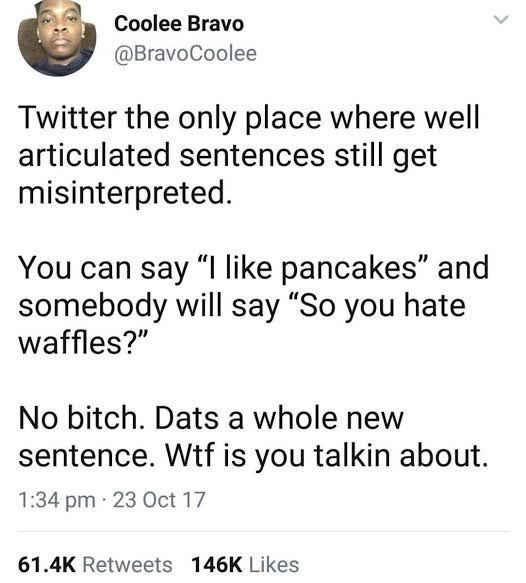

@Zeadam7 @MustardX19 so are you defending them, giving them excuse?
English

ሃሳቤን በመግለፅ ውስጥ መጠላትን የምፈራ ልጅ አይደለሁም. የእናንተ ሃሳብ እንደወደደ ሰው አውጀብጅቤ (ሳላምንበት, ልክም ሳትሆኑ) ብትወዱኝ የባሰ እሞታለው. ጉዳዬ አይደለም 😎
AM
@SamsonS76670087 @MustardX19 "ደፋሪዎችን?" Unfortunately አዎ.... "የተስተካከለ ስብዕና ያለውን ወንድ?" Not really
@MustardX19 Just curious question……ከዚህ ከሰጣገባው ጋር አይገናኝም. ቅጥ ያጣ አለባበስን አልወድም በተለይ ያለ ቦታው what is acceptable in clubs may not be cool in the office or on walking corridor…..ግን አለባበስ ምንም ይሁን ምን ደፋሪዎችን ያነሳሳል? Sharp answer only

@alemayehuGeda The report says only 350 billion birr came from the government budget; the rest was private-sector financing. Combining them is misleading, not “beautiful data.”
English

English


I hate how they got rid of the Saints Gorge Icon Infront of parliament
Biniam Hirut@biniamhirut
The Parliament building in Addis Ababa, Ethiopia 1960 #Ethiopia #ታሪካችን #AddisAbaba
English

IMF chief Kristalina Georgieva warned Ethiopia against broad energy subsidies and tax cuts as Middle East war-driven fuel and fertiliser costs rise, urging targeted support and tighter fiscal policy under IMF-backed reforms.
Read More: birrmetrics.com/imf-warns-ethi…

English
@NoodleHairCR7 Shut the fuck up please... One of the worst account on this platform
English



@WelBeast @UtdFaithfuls Shut the fuck up... bunch of hypocrite cry babies 🤡
English

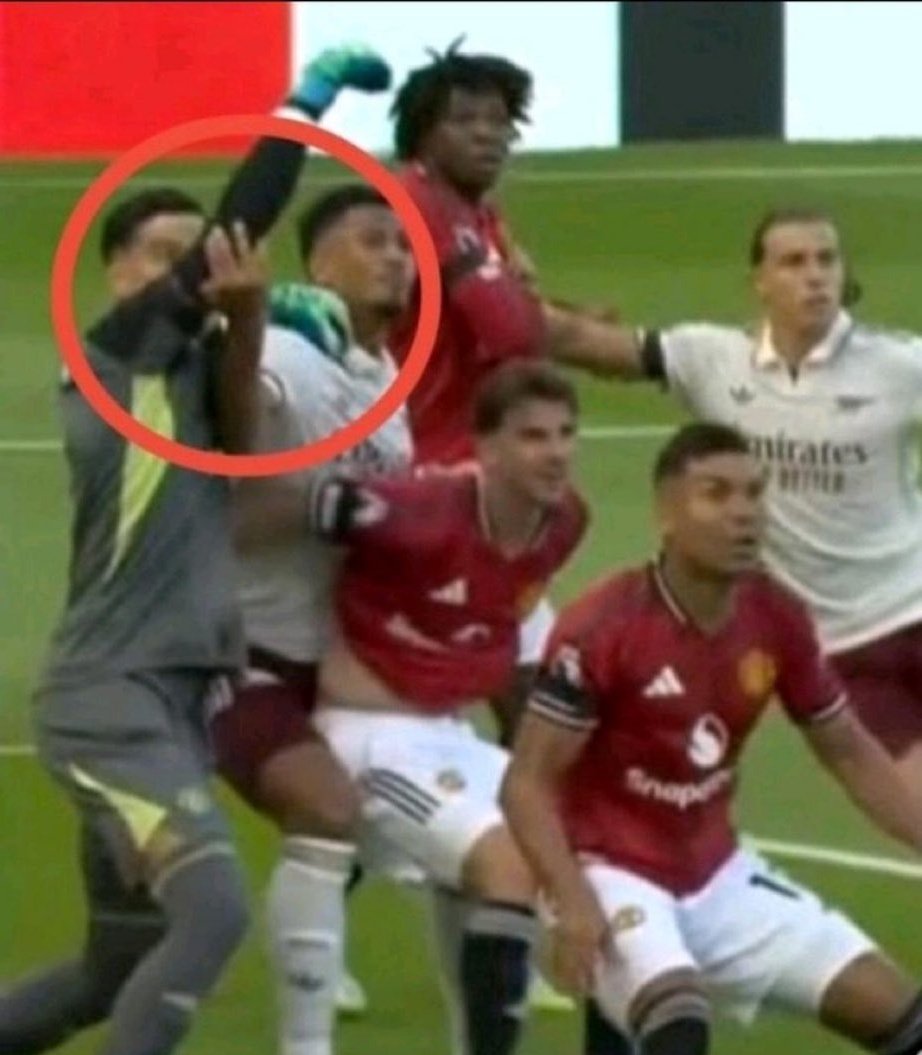
@UtdFaithfuls We were helping your keeper raise his weak arm. Wilson was holding our keeper’s strong arm down.
English





Ethiopia is not in Africa at all. These guys are super developed to be a typical African country.
English
@Yaredoee @nafkotaschenaki I am not mad. I am just asking you a simple question and it seems like you have no clue about the issue.
English

@Zeadam7 @nafkotaschenaki Why would I need to read them when I have seen thousands act like that on that app for years lets use our brain besides if this makes u mad uma assume u one of them
English

@Yaredoee @nafkotaschenaki Did you read them before commenting tho? Or are you just assuming?
English
@nafkotaschenaki I am not surprised that's how habesha tiktok operates a bunch of miserable people hating on everyone
English

@YilmaZiga @RAS_EPHI ከfacist የሚጠበቅ መልስ ነው። ሀሳብን በሀሳብ የመርታት አቅማቹህ 0 ስለሆነ ወደ ስድብ ትገባላቹህ።
AM

@chalederebe29 @dendesho22 Since they get their undeserving money illegally, they don't really care about how the rest earn. Even animals are better at sympathizing with their fellow animals than these cadres
English

@Zeadam7 @dendesho22 Their audacity 😏
In a country where the net monthly salary of 95% of workers is less than 10k, this cretin is suggesting 10k for just one breakfast 🤮
English
That used to be a monthly wage for the upper class civil servants.
What is ድርቆሽ ፍርፍት anyways ?

English
@dendesho22 @chalederebe29 Of course you are cadre.... it's cheap for you lot
English

@chalederebe29 Bunch of retards. Leave marcus alone. Marcus is brand. Brand costs a lot. Everything in the world is about brand. I am surprised its less than 10,000ETB.
English
@eyobderrick "To hell with your expertise" ያልከው, inflation ያመጣው ነባራዊ ሁኔታ ነው። But we don't expect you understand that, ጠባብ እና ውስን ጭንቅላት ስለያዝክ
English

English
@Slick_Sage7 @axioskristos @kehali_ab Do you guys practice what you preach in the first place? I mean look at your so called "mega churches" and the immoral and blasphemous act majority of your pastors and believers practice. Starting from your own house and preaching to them might benefit ur ppl atm
English

Preaching gospel to people who already believed (just like in Ethiopia) is so ridiculous you have to ask why they even do it. Is it just soft power stuff or "erm you got the gospel wrong, lemme correct it for you"
Saint Mark@alqdys13839
When Copts broke clay jars behind a Protestant preacher Foreign missionaries did not come to Egypt to preach to non-believers, and they did not record even a single case of that. Christians came to preach to Christians. The Copts had bitter experiences with missionary groups and their persistent attempts to draw Coptic youth away from their Church. In 1850, these groups obtained official recognition as a Christian minority in Egypt, which granted them the right to hold their own meetings in separate churches. Missionaries were known for their elegance, financial assistance, and their rapid mastery of the Egyptian Arabic dialect. Their sermons were often compelling compared to what many Copts were accustomed to hearing, and they introduced Arabic hymns that were easily understood, emotionally engaging, and attractive to listeners. At the same time, their teachings often involved diminishing the standing of the Coptic Church in the eyes of its own أبناء. In Asyut, some went so far as to attack churches at night and break icons. Pope Demetrius II submitted a complaint to the Khedive, who issued an order to exile the missionaries to the Mediterranean. However, they appealed to foreign consuls, who intervened and prevented the enforcement of the order. Following the British occupation of Egypt in 1882, missionary activity intensified. Protestant missions expanded their efforts, sometimes even operating within proximity of Coptic churches. Due to growing concern among Copts for their faith and Church, Ragheb Bey Iskandar wrote in his 1915 book The Golden Legacy that the Coptic Tawfiq Society faced strong resistance at its beginning, despite its stated aim of serving the poor. Many Copts suspected it of being a Protestant initiative. Some even believed it was a political movement aimed at aligning Copts with the Anglican Church for British protection. Jundi Bey Ibrahim, a member of the society and owner of Al-Watan newspaper, recounted that as he left the city of El-Mahalla, Coptic women threw clay jars behind him, believing he was a Protestant priest seeking to undermine Church teachings and traditions. Such reactions reflected the depth of concern among Copts for preserving their faith. Many refused assistance out of fear of hidden agendas. The Evangelical priest Labib Meshreqi later wrote in his memoirs that the Coptic Church passed through both literal and figurative fires, yet emerged steadfast, holding firmly to its heritage and resisting any attempt to compromise it. The Copts are a resilient people, with a faith deeply rooted like mountains. While a small number may have been influenced by material incentives or social pressures, the majority remained committed to the Apostolic Orthodox faith handed down from Saint Mark to the present day. “The gates of Hades shall not prevail against you, O Mother of Martyrs.” The forgotten history of the Copts #highlight #CopticOrthodox
English